The aroma of freshly baked bread can transform any kitchen into a haven of warmth and comfort. For many, the thought of making homemade whole wheat bread is daunting, conjuring images of messy kitchens and unpredictable results. However, with a dedicated whole wheat bread maker, this culinary dream becomes an effortless reality. These ingenious appliances simplify the bread-making process, from mixing and kneading to rising and baking, delivering nutritious and delicious whole wheat loaves with minimal effort. This comprehensive guide will walk you through everything you need to know, helping you choose the best machine, understand its features, and bake perfect whole wheat bread every time.
Bread Makers: An Overview
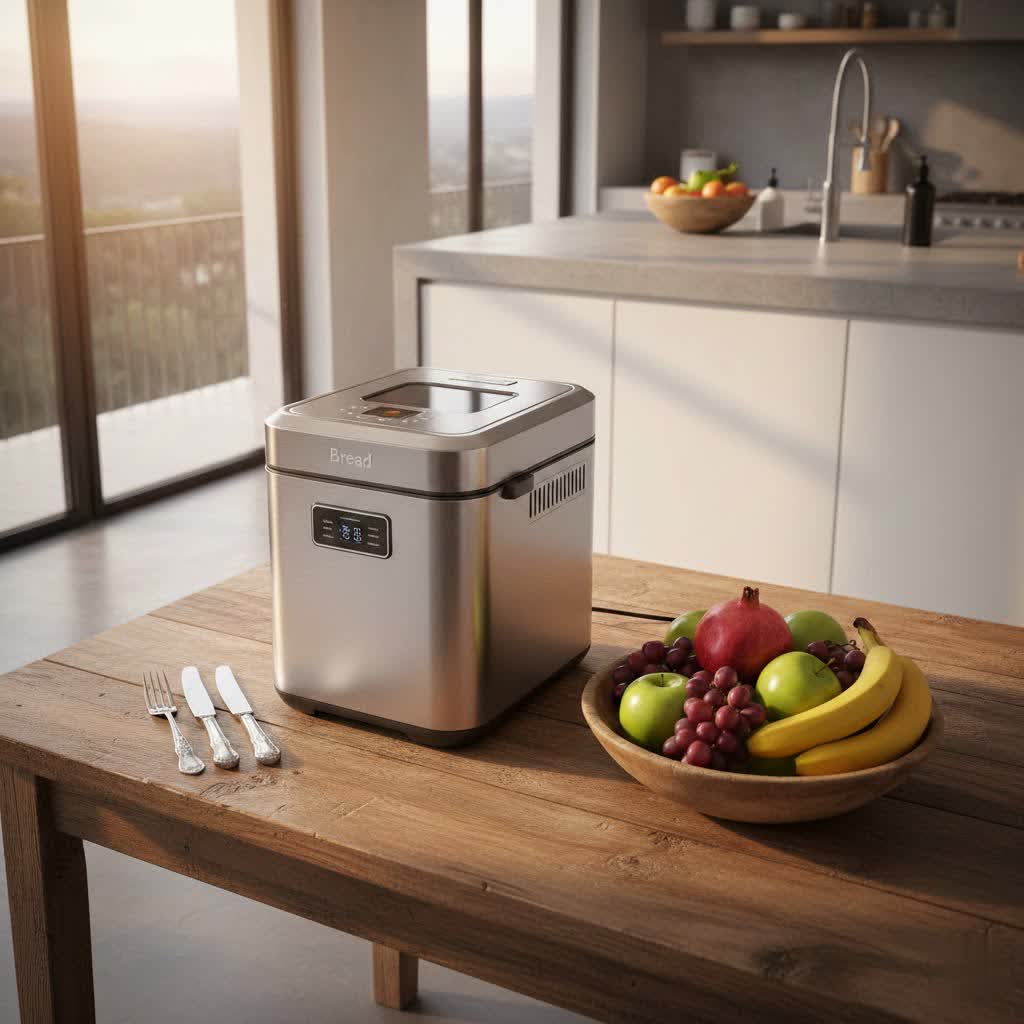
A bread maker is a compact kitchen appliance designed to automate the process of baking bread. It typically consists of a baking pan with kneading paddles, a heating element, and a control panel with various pre-programmed settings. You simply add ingredients, select a program, and the machine handles the rest, allowing you to wake up to a fresh loaf or have one ready after work.
The concept of automated bread making dates back to the 1980s, evolving from simple machines to today’s advanced models with multiple settings for different bread types, including specialized options for whole wheat and gluten-free recipes. Modern bread makers come in various forms, from basic compact units ideal for smaller households to large-capacity, feature-rich models suited for avid bakers. The primary difference often lies in loaf capacity, program variety, and additional functionalities like automatic dispensers.
Why Use a Whole Wheat Bread Maker?
Opting for a whole wheat bread maker brings a host of benefits that extend beyond mere convenience. It empowers you to enjoy healthier, tastier bread while simplifying your life in the kitchen.
One of the most compelling reasons is convenience and time-saving. With a bread maker, the laborious steps of kneading, proofing, and monitoring are eliminated. You simply add your ingredients, press a button, and the machine takes over, freeing up your time for other activities. Imagine waking up to the smell of freshly baked whole wheat bread, ready for breakfast without any early morning prep.
Easy customization of recipes and ingredients is another significant advantage. Unlike store-bought loaves, you have complete control over what goes into your bread. This is particularly valuable for whole wheat bread, as you can choose organic flours, adjust sugar and salt content, add seeds or nuts, or even make sugar-free or salt-free versions to cater to dietary needs or personal preferences.
Furthermore, using a bread maker ensures food safety and hygiene. You know exactly where your ingredients come from and that your bread is prepared in a clean environment, free from unknown additives or preservatives found in some commercial breads.
Ultimately, the goal is to create fresh, delicious loaves at home. Nothing compares to the taste and texture of warm, homemade whole wheat bread, with its hearty flavor and wholesome goodness. A bread maker consistently delivers this experience, turning what might seem like a complex task into an enjoyable and rewarding part of your routine.
Guide to Choosing the Right Whole Wheat Bread Maker
Selecting the perfect whole wheat bread maker involves evaluating your personal baking habits and desired features. A well-chosen machine will enhance your bread-making journey, making it a joy rather than a chore.
Determining Your Usage Needs
Before diving into features, consider how you intend to use the machine:
- Family Size or Business? For a small household, a 1.5 to 2-pound capacity machine might suffice. Larger families or those who bake frequently might benefit from a 2.5 or even 3-pound capacity.
- Preferred Bread Types? While focusing on whole wheat, do you also wish to make other varieties like gluten-free, sourdough, sweet breads, or even jam and pizza dough? A versatile machine with numerous programs will be essential.
- Budget? Bread makers range from budget-friendly models around $60-$100 to premium options costing $300-$500+. Determine your comfortable spending limit, keeping in mind that higher price often correlates with more features, better build quality, and superior baking performance.
|
Our Picks for the Best Bread Maker in 2026
As an Amazon Associate I earn from qualifying purchases.
|
||
| Num | Product | Action |
|---|---|---|
| 1 | Elite Gourmet Programmable Bread Maker, 2 lb Loaf, 3 Sizes, 19 Presets incl. Gluten-Free, Dough & Jam, Delay Timer, Black |

|
| 2 | Cuisinart Bread Maker Machine, Stainless Steel Automatic Bread Machine with 12 Menu Options, 3 Loaf Sizes up to 2 Lb., 3 Crust Colors, Removable Nonstick Baking Pan & Kneading Paddle, CBK-110NAS |
|
| 3 | KITCHENARM 29-in-1 SMART Bread Machine with Gluten Free Setting 2LB 1.5LB 1LB Bread Maker Machine with Homemade Cycle - Stainless Steel Breadmaker with Recipes Whole Wheat Bread Making Machine |
|
| 4 | MERIOR 25-IN-1 Bread Maker with Visible Lid - 2lb Automatic Machine, Auto Nut Dispenser, 13-Hour Delay Timer, One-Touch Control & Recipes – Easy Operation, High Success for Homemade Bread |
|
| 5 | Neretva Bread Maker, 20-in-1 2LB Bread Machine Dual Heater & Nonstick Ceramic Pan Bread Makers Machine All Metal Compact for Gluten Free/Dough Maker/Meat Floss/Jam/Yogurt/Breadmaker Recipe-Light Green |
|
| 6 | 2LB Bread Maker Machine, OSIPOTO 17 in 1 Automatic Stainless Steel Bread Machine, Non-stick, Beginner-Friendly Controls, 15 Hour Timer, Easy to Clean Low Noise, High Success Rate for Homemade Bread |
|
| 7 | KBS Premium 2LB Convection Bread Maker Dual Heaters, 710W Stainless Steel 17-in-1 Bread Machine Healthy Ceramic Pan, Nut Dispenser,Touch Panel, 3 Loaf Sizes 3 Crust Colors, 15H Timer,Low Noise,Recipes |
|
| 8 | Cuisinart Bread Maker Machine, Stainless Steel Convection Bread Machine with 16 Menu Options, 3 Loaf Sizes Up to 2 Lb., 3 Crust Colors, Includes Measuring Cup, Spoon & Kneading Hook, CBK-210 |
|
| 9 | KBS Pro 710W 2LB Bread Maker, Stainless Steel 17-in-1 Smart Bread Machine with Healthy Ceramic Pan, Automatic Nut Dispenser, Tempered Glass Touch Panel, 3 Crust Colors, 15H Timer& Keep-Warm, Recipes |
|
| 10 | Neretva Bread Maker, 20-IN-1 2LB Bread Machine Dual Heater Bread Maker Machine Automatic with Nonstick Ceramic Pan, 15H Timer & 1H Keep Warm Set, Low Noise, Stainless Steel Breadmaker Recipe-Green |
|
Essential Features to Consider
Once your needs are clear, evaluate these critical features:
- Capacity and Size: Most common loaf sizes are 1.5 or 2 pounds. Some machines offer 1-pound, 2.5-pound, or even 3-pound options. Consider your kitchen counter space, as some models, like the Zojirushi Virtuoso Plus, can have a significant footprint.
- Number of Programs: Look for a dedicated “whole wheat” or “whole grain” setting. Many machines also include settings for basic white, French, sweet, gluten-free, rapid, and dough-only cycles. A “homemade” or “customizable” setting is a bonus for advanced bakers.
- Delay Start and Keep Warm Functions: A delay timer (often up to 13-15 hours) allows you to add ingredients in the evening and have fresh bread ready in the morning. A keep-warm function maintains the bread’s temperature for a period after baking.
- Material and Durability: Stainless steel housing often indicates a more durable and aesthetically pleasing appliance compared to plastic. Nonstick bread pans are standard and crucial for easy bread removal and cleaning. Dual kneading paddles can be beneficial for larger, rectangular loaves, ensuring thorough mixing and kneading, especially for denser whole wheat doughs.
- Ease of Cleaning and Maintenance: A nonstick bread pan that’s easy to remove and wash by hand is important. Some machines have fewer crevices, making exterior wipe-downs simpler.
Reputable Bread Maker Brands
Several brands consistently receive high praise for their bread makers, particularly for their performance with whole wheat bread:
- Zojirushi: Often considered a premium choice, models like the Home Bakery Virtuoso Plus are lauded for consistent results, even browning, excellent proofing, and producing traditionally shaped rectangular loaves. They typically feature dual kneading paddles and robust construction. However, they come with a higher price tag and larger footprint.
- Cuisinart: The Cuisinart 2-Pound Bread Maker is a popular mid-range option, praised for being compact, intuitive, and producing good quality loaves, including whole wheat, with 12 pre-programmed settings and customizable crust options.
- Breville: The Custom Loaf Bread Maker is a versatile splurge option known for extensive customization, multiple loaf sizes (up to 2.5 pounds), and a secondary heating element in the lid for even crust development.
- Panasonic: Known for advanced technology and a wide array of settings (up to 20 programs), Panasonic models are good for versatility, including whole wheat and sourdough.
- Amazon Basics / Elite Gourmet / Hamilton Beach: These brands offer more budget-friendly options that can still produce decent whole wheat loaves, ideal for beginners or those not wanting to invest heavily. They typically have fewer advanced features but cover the basic functions well.
“For consistent, high-quality whole wheat loaves, particularly for those serious about bread making, investing in a model with advanced heating elements and dual paddles, like the Zojirushi Virtuoso Plus, makes a noticeable difference in texture and rise.” – Your Name, Admin, reviewrdous.com
Comparative Analysis of Popular Whole Wheat Bread Makers
To help streamline your decision, here’s a comparative look at some top-rated bread makers, focusing on their suitability for whole wheat bread:
| Feature/Model | Zojirushi Virtuoso Plus | Breville Custom Loaf | Cuisinart 2-Pound | Amazon Basics 2-Pound |
|---|---|---|---|---|
| Price Range | $350 – $450+ | $300 – $400+ | $100 – $170 | $60 – $80 |
| Loaf Capacity | 2 lbs | 1, 1.5, 2, 2.5 lbs | 1, 1.5, 2 lbs | 1, 1.5, 2 lbs |
| Whole Wheat Setting | Yes (Dedicated & customizable) | Yes (Dedicated) | Yes (Dedicated) | Yes (Dedicated) |
| Kneading Paddles | Dual | Single (collapsible) | Single | Single |
| Crust Settings | Light, Medium, Dark | Light, Medium, Dark | Light, Medium, Dark | Light, Medium, Dark |
| Delay Start Timer | Up to 13 hours | Up to 13 hours | Up to 13 hours | Up to 15 hours |
| Automatic Dispenser | No | Yes (fruit/nut) | No | No |
| Special Features | Even heating (lid element), traditional loaf shape, homemade course | Collapsible paddle, custom programs, secondary heating element | Compact, intuitive, viewing window | Budget-friendly, basic functions |
| Ideal For | Serious bakers, best quality whole wheat, traditional loaf shape | Versatility, customization, artisan-style whole wheat | Everyday use, good value, compact kitchens | Beginners, occasional use, budget-conscious |
The Zojirushi Virtuoso Plus excels in creating perfectly shaped and textured whole wheat loaves due to its dual paddles and superior heating elements. The Breville offers immense flexibility with its customizable settings and automatic dispenser, great for experimenting with whole wheat additions. Cuisinart provides a reliable and more affordable option for consistent whole wheat bread, while the Amazon Basics machine is an excellent entry-level choice for those wanting to try homemade whole wheat bread without a large investment.
Detailed Guide to Using Your Whole Wheat Bread Maker
Operating a bread maker, especially for whole wheat bread, is surprisingly straightforward, but understanding a few key steps and tips can significantly improve your results.
Preparation Before Baking
- Read Your Manual: Each bread maker has specific instructions for ingredient order and program settings. Familiarize yourself with your model.
- Gather Ingredients: Ensure all ingredients are at room temperature. For whole wheat bread, warm water (around 110°F/45°C) is often recommended to activate the yeast effectively. Use “strong whole wheat bread flour” for best results, especially in the UK/Australia, or specifically labeled “whole wheat flour” in North America.
- Accurate Measurement: Precision is paramount in baking. Use proper measuring cups and spoons, or a digital scale for accuracy, particularly with flour and yeast. Spoon flour into the measuring cup and level it off rather than packing it.
Adding Ingredients and Setting Up
The order of ingredients is crucial, especially for whole wheat bread and machines with a delay start function:
- Liquids First: Add water, oil, or melted butter to the bread pan.
- Dry Ingredients: Layer salt, sugar (if using), and then the whole wheat flour. Create a small “well” in the center of the flour.
- Yeast Last: Place the instant yeast (or bread machine yeast) into the well, ensuring it doesn’t come into direct contact with the salt or liquids until kneading begins. This prevents premature activation or inhibition of the yeast. For 100% whole wheat, sometimes an extra 1/2 tsp of yeast or a few tablespoons of vital wheat gluten can help with the rise.
- Secure the Pan: Place the bread pan firmly into the bread maker and close the lid.
- Select Program: Choose the “Whole Wheat,” “Whole Grain,” or “Wholemeal” setting. Select your desired loaf size and crust color (light, medium, or dark).
- Start the Machine: Press the start button. If using a delay timer, set the desired finish time. The machine will then handle mixing, kneading, rising, and baking.
Tips for Successful Whole Wheat Baking
- Watch the Dough: For the first few minutes of kneading, check the dough’s consistency. It should form a smooth, pliable ball. If it’s too dry and crumbly, add water a tablespoon at a time. If it’s too sticky, add flour a teaspoon at a time. Whole wheat dough tends to be denser.
- Embrace Vital Wheat Gluten: Whole wheat flour contains bran and germ which can “shred” gluten strands, leading to a denser loaf. Adding 1-2 tablespoons of vital wheat gluten can significantly improve the elasticity and rise of your whole wheat bread.
- Gentle Handling: If you remove the dough for shaping (some machines allow this for custom loaves), handle whole wheat dough gently as it can tear more easily than white dough.
- Cool Completely: Always allow the bread to cool on a wire rack for at least 1-2 hours after baking. Slicing warm bread can lead to a gummy texture.
Cleaning and Maintenance
- Unplug and Cool: Always unplug the machine and allow it to cool completely before cleaning.
- Hand Wash Pan: Most bread pans are nonstick and should be hand washed with warm, soapy water. Avoid abrasive scrubbers that can damage the nonstick coating.
- Clean Paddles: Remove kneading paddles and clean them thoroughly.
- Wipe Exterior: Wipe down the exterior and interior of the machine with a damp cloth. Do not immerse the machine in water.
Delicious Whole Wheat Bread Maker Recipes
Your whole wheat bread maker is a versatile tool for creating a variety of wholesome loaves. Here are some fundamental recipes to get you started:
Basic Whole Wheat Bread
This recipe yields a classic, hearty loaf perfect for sandwiches or toast.
-
Ingredients:
- 1 ¼ cups warm water (110°F/45°C)
- 2 tbsp olive oil or melted butter
- 2 tbsp honey or brown sugar
- 1 ½ tsp salt
- 3 cups whole wheat bread flour
- 1 ½ tsp instant yeast
- Optional: 1-2 tbsp vital wheat gluten for improved texture
-
Instructions:
- Add ingredients to the bread pan in the order listed (water, oil/butter, honey/sugar, salt, flour, yeast). If using vital wheat gluten, add it with the flour.
- Select the “Whole Wheat” or “Whole Grain” setting, 1.5 or 2-pound loaf, and desired crust color.
- Start the machine and let it complete the cycle.
- Cool on a wire rack before slicing.
Honey Whole Wheat Bread
A slightly sweeter version with a delightful aroma.
-
Ingredients:
- 1 ¼ cups warm milk or water
- 3 tbsp honey
- 2 tbsp melted butter
- 1 ½ tsp salt
- 3 cups whole wheat bread flour
- 1 ½ tsp instant yeast
- Optional: 1 tbsp vital wheat gluten
-
Instructions: Follow the same layering and setting instructions as the basic recipe.
Whole Wheat Cinnamon Raisin Bread
Perfect for breakfast or a sweet treat. Add the raisins at the “add-ins” beep, if your machine has one.
-
Ingredients:
- 1 cup warm water
- ¼ cup milk
- ¼ cup honey or brown sugar
- 2 tbsp melted butter
- 1 tsp salt
- 1 tsp ground cinnamon
- 3 cups whole wheat bread flour
- 1 ½ tsp instant yeast
- ½ cup raisins (add at beep)
-
Instructions: Add liquid ingredients first, then dry (excluding raisins). Add raisins when the machine signals. Select a “Sweet Whole Wheat” or “Whole Wheat” setting.
Blended Whole Wheat and White Flour Loaf
For a lighter texture and higher rise while still enjoying whole wheat benefits.
-
Ingredients:
- 1 ¼ cups warm water
- 2 tbsp olive oil
- 1 ½ tsp salt
- 1 tbsp sugar
- 1.5 cups whole wheat bread flour
- 1.5 cups all-purpose or white bread flour
- 1 ½ tsp instant yeast
-
Instructions: Layer liquids, then salt, sugar, then the mixed flours, and finally yeast. Select the “Whole Wheat” or “Basic” setting.
Troubleshooting Common Whole Wheat Bread Maker Issues
Even with the best machine, challenges can arise, especially with the unique properties of whole wheat flour. Here’s how to tackle common problems:
Bread Not Rising Enough (Dense Loaf)
This is a frequent issue with whole wheat bread due to the bran interfering with gluten development and whole wheat flour fermenting faster.
- Check Yeast: Ensure your yeast is fresh and active. Old or expired yeast is a common culprit.
- Water Temperature: Use warm water (105-115°F / 40-46°C). Water that is too hot can kill the yeast, while water that is too cold won’t activate it properly.
- Add Vital Wheat Gluten: As mentioned, 1-2 tablespoons of vital wheat gluten can significantly improve the rise and texture of 100% whole wheat bread.
- Ingredient Order: Confirm yeast is added last and separated from salt and liquids until mixing begins.
- Humidity/Altitude Adjustments: High humidity or altitude can affect dough consistency and rise. Minor adjustments to liquid (less in high humidity) or flour (more at high altitude) might be needed.
Bread is Too Crumbly or Dry
- Increase Liquid Slightly: Whole wheat flour absorbs more liquid than white flour. Try adding an extra tablespoon or two of water or oil to your recipe.
- Don’t Overbake: Ensure you’re using the correct cycle time for whole wheat. Overbaking can dry out the loaf.
- Proper Storage: Once cooled, store homemade bread in an airtight container or bread bag to maintain freshness.
Bread is Gummy or Undercooked
- Check Program: Ensure you’ve selected the correct “Whole Wheat” or “Whole Grain” setting, which typically has a longer bake time.
- Loaf Size: If your recipe is for a larger loaf than your machine’s default setting, the baking time might be insufficient.
- Altitude: At higher altitudes, liquids evaporate faster, and baked goods can dry out or cook differently. Minor adjustments might be necessary.
Where to Purchase a Whole Wheat Bread Maker
Finding the right whole wheat bread maker is easier than ever with various retail options available.
- Department and Electronics Stores: Retailers like Best Buy, Macy’s, Target, and other local appliance stores often carry popular bread maker brands such as Cuisinart, Zojirushi, and Hamilton Beach. You can see the machines in person and speak with sales associates.
- Online Retailers: Websites like Amazon, Wayfair, and the official brand websites (e.g., Zojirushi, Breville) offer the widest selection, often with competitive pricing and detailed customer reviews. This is an excellent way to compare models side-by-side.
- Specialty Kitchen Stores: Stores focusing on kitchen gadgets and cooking might offer a curated selection of higher-end models and provide expert advice.
Essential Buying Guide for Your Whole Wheat Bread Maker
Making an informed decision on your bread maker purchase involves more than just picking a brand; it’s about aligning the appliance with your lifestyle and expectations.
- Budget Allocation: Set a realistic budget. While budget models are tempting, a slightly higher investment in a machine with specific whole wheat settings and features like dual paddles can significantly improve your baking experience and results.
- Compare Price vs. Quality: Don’t always opt for the cheapest. Read reviews and consider the long-term durability and performance. A machine that consistently bakes excellent whole wheat bread may be worth a higher initial cost.
- Read User Reviews: Customer reviews on Amazon, retailer websites, and food blogs provide invaluable real-world insights into a machine’s performance, ease of use, and common issues, particularly regarding whole wheat bread. Pay attention to comments on loaf texture, rise, and evenness of baking.
- Warranty and Returns: Check the manufacturer’s warranty and the retailer’s return policy. A good warranty provides peace of mind, especially for kitchen appliances.
Conclusion
A whole wheat bread maker is a fantastic investment for anyone seeking to incorporate wholesome, homemade whole wheat bread into their diet with convenience and consistency. By understanding the machine’s capabilities, selecting the right model based on your needs, and following key baking principles, you can consistently produce delicious, nutritious loaves that far surpass store-bought alternatives. From the simplicity of ingredient layering to the satisfaction of a perfectly risen, golden-brown loaf, your bread maker will unlock a world of culinary delight.
Are you ready to embrace the joy and health benefits of freshly baked whole wheat bread right from your kitchen?
Frequently Asked Questions
Can I make 100% whole wheat bread in any bread machine?
While most bread machines have a “whole wheat” setting, the success of 100% whole wheat bread can vary. Machines with specific whole wheat programs, dual kneading paddles, and consistent heating elements (like Zojirushi) tend to perform best. Adding vital wheat gluten is highly recommended for a better rise and texture in 100% whole wheat loaves.
What is the ideal texture for homemade whole wheat bread from a bread maker?
A well-made whole wheat loaf from a bread maker should have a firm yet tender crumb, a good rise, and an evenly browned crust. It shouldn’t be overly dense or crumbly, and the interior should be soft and chewy, not gummy.
Is it cheaper to make whole wheat bread in a bread machine than buying it?
The cost can be comparable, depending on your ingredients and how often you bake. However, the true value lies in the ability to customize ingredients, avoid preservatives, and enjoy the unparalleled freshness and flavor of homemade whole wheat bread.
