Imagine waking up to the irresistible aroma of freshly baked bread, a wholesome treat ready to be sliced and savored. For many, the idea of baking homemade bread, especially nutrient-rich whole wheat varieties, seems daunting and time-consuming. This is where the trusty bread maker shines, transforming complex baking into a simple, hands-off process. A bread maker for whole wheat bread not only saves you time and effort but also empowers you to create delicious, healthy loaves with complete control over your ingredients. This comprehensive guide will walk you through everything you need to know about making perfect whole wheat bread in your bread maker, from understanding your machine to troubleshooting common issues and discovering delectable recipes.
Understanding Your Bread Maker: An Overview
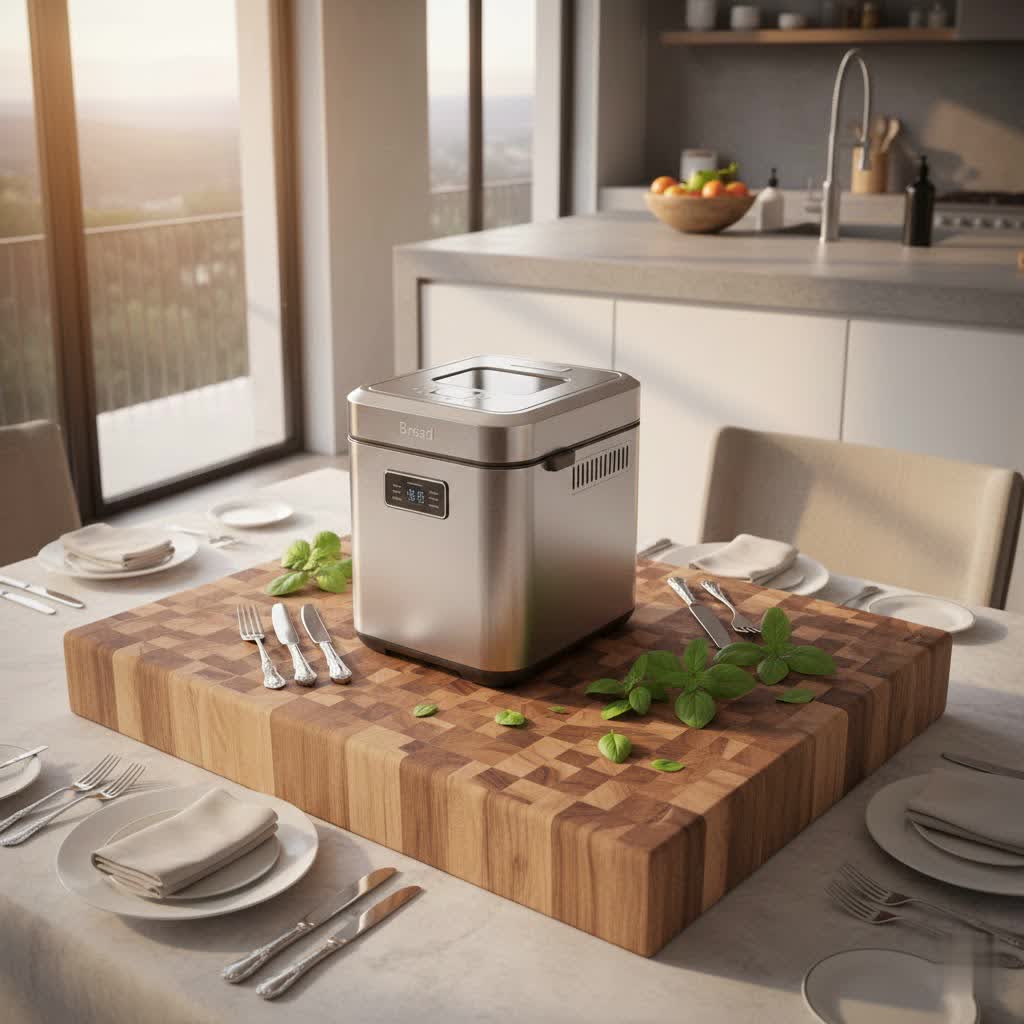
A bread maker is a countertop appliance designed to automate the entire bread-making process. It mixes, kneads, allows the dough to rise, and then bakes the bread, all within a single appliance. These convenient machines typically consist of a bread pan with a kneading paddle, a heating element, and a control panel with various settings.
The evolution of bread makers has been significant. Early models were quite basic, offering a few standard cycles. Today’s machines boast an array of features, including specialized settings for different types of bread like whole wheat, gluten-free, and sweet breads, as well as options for dough-only cycles, jam making, and even customized programming. You’ll find machines with varying loaf capacities, from 1-pound to 2.5-pound or even 3-pound loaves, and designs that produce vertical or traditional horizontal loaves.
Why Choose a Bread Maker for Whole Wheat Bread?
Opting for a bread maker to create your whole wheat loaves comes with a multitude of benefits, enhancing both convenience and the quality of your diet.
- Convenience and Time-Saving: Perhaps the most compelling reason, a bread maker liberates you from the labor-intensive steps of traditional baking. Simply add your ingredients, select the appropriate setting, and let the machine handle the rest. This “set it and forget it” approach makes fresh bread accessible even on busy weekdays.
- Easy Customization and Control: When you bake at home, you have complete control over every ingredient. This is particularly valuable for whole wheat bread, allowing you to choose high-quality flours, add seeds or grains, adjust sweetness levels, and avoid artificial preservatives, additives, or excessive sodium often found in store-bought options.
- Enhanced Food Safety and Freshness: Homemade bread is free from commercial preservatives, meaning you know exactly what goes into every slice. Plus, there’s nothing quite like the taste and texture of a loaf that’s just emerged warm from the machine, offering unparalleled freshness that store-bought bread simply cannot match.
- Nutritional Superiority: Whole wheat flour retains the bran, germ, and endosperm of the wheat kernel, making it a rich source of dietary fiber, vitamins, and minerals. Regularly consuming whole wheat bread can contribute to better digestion, sustained energy, and overall health.
Choosing the Right Bread Maker for Whole Wheat Baking
Selecting the perfect bread maker is crucial for consistent success with whole wheat bread. Consider these factors to ensure your chosen machine aligns with your baking aspirations.
Assessing Your Needs
Before diving into models and features, take a moment to consider your personal baking habits and household size.
- Baking for Family or Individual? Larger families might benefit from a 2-pound or 2.5-pound capacity machine, while a 1.5-pound model might suffice for individuals or smaller households.
- Whole Wheat Exclusively or Variety? If whole wheat is your primary focus, prioritize machines with robust “whole wheat” or “whole grain” settings. If you plan to bake other types of bread, ensure the machine offers a versatile range of programs.
- Budget Considerations: Bread makers range widely in price. Determine how much you’re willing to invest, keeping in mind that higher-end models often offer more advanced features and better durability, which can be a worthy investment for frequent bakers.
|
Our Picks for the Best Bread Maker in 2026
As an Amazon Associate I earn from qualifying purchases.
|
||
| Num | Product | Action |
|---|---|---|
| 1 | Neretva Bread Maker, 20-in-1 2LB Bread Machine Dual Heater & Nonstick Ceramic Pan Bread Makers Machine All Metal Compact for Gluten Free/Dough Maker/Meat Floss/Jam/Yogurt/Breadmaker Recipe-Light Green |

|
| 2 | KBS Premium 2LB Convection Bread Maker Dual Heaters, 710W Stainless Steel 17-in-1 Bread Machine Healthy Ceramic Pan, Nut Dispenser,Touch Panel, 3 Loaf Sizes 3 Crust Colors, 15H Timer,Low Noise,Recipes |
|
| 3 | Neretva Bread Maker, 20-IN-1 2LB Bread Machine Dual Heater Bread Maker Machine Automatic with Nonstick Ceramic Pan, 15H Timer & 1H Keep Warm Set, Low Noise, Stainless Steel Breadmaker Recipe-Green |
|
| 4 | Cuisinart Bread Maker Machine, Stainless Steel Automatic Bread Machine with 12 Menu Options, 3 Loaf Sizes up to 2 Lb., 3 Crust Colors, Removable Nonstick Baking Pan & Kneading Paddle, CBK-110NAS |
|
| 5 | Elite Gourmet Programmable Bread Maker, 2 lb Loaf, 3 Sizes, 19 Presets incl. Gluten-Free, Dough & Jam, Delay Timer, Black |
|
| 6 | 2LB Bread Maker Machine, OSIPOTO 17 in 1 Automatic Stainless Steel Bread Machine, Non-stick, Beginner-Friendly Controls, 15 Hour Timer, Easy to Clean Low Noise, High Success Rate for Homemade Bread |
|
| 7 | KITCHENARM 29-in-1 SMART Bread Machine with Gluten Free Setting 2LB 1.5LB 1LB Bread Maker Machine with Homemade Cycle - Stainless Steel Breadmaker with Recipes Whole Wheat Bread Making Machine |
|
| 8 | Cuisinart Bread Maker Machine, Stainless Steel Convection Bread Machine with 16 Menu Options, 3 Loaf Sizes Up to 2 Lb., 3 Crust Colors, Includes Measuring Cup, Spoon & Kneading Hook, CBK-210 |
|
| 9 | KBS Pro 710W 2LB Bread Maker, Stainless Steel 17-in-1 Smart Bread Machine with Healthy Ceramic Pan, Automatic Nut Dispenser, Tempered Glass Touch Panel, 3 Crust Colors, 15H Timer& Keep-Warm, Recipes |
|
| 10 | MERIOR 25-IN-1 Bread Maker with Visible Lid - 2lb Automatic Machine, Auto Nut Dispenser, 13-Hour Delay Timer, One-Touch Control & Recipes – Easy Operation, High Success for Homemade Bread |
|
Key Features for Whole Wheat Success
Certain features are particularly beneficial when baking whole wheat bread, which can be denser and require longer kneading and rising times than white bread.
- Dedicated “Whole Wheat” or “Whole Grain” Cycle: This is paramount. These cycles are specifically programmed with longer kneading and rising phases, allowing the whole wheat flour to properly hydrate and gluten to develop sufficiently for a good rise.
- Capacity and Footprint: Consider how much counter space you have. While larger capacity machines make bigger loaves, they also take up more room. Some machines have a vertical pan design, which is more compact, while others offer a horizontal pan for a more traditional loaf shape.
- Delay Timer and Crust Settings: A delay timer is excellent for waking up to fresh bread. Adjustable crust settings (light, medium, dark) allow you to customize your loaf to perfection.
- Durable Materials and Ease of Cleaning: Look for machines with non-stick bread pans and kneading paddles that are easy to remove and clean. Stainless steel exteriors are often more durable and aesthetically pleasing.
Reputable Bread Maker Brands
Several brands have established a strong reputation for producing reliable and effective bread makers.
- Zojirushi: Often considered a premium brand, Zojirushi models like the Virtuoso Plus are highly praised for their consistent results, excellent crust development (thanks to dual heating elements), and customizable settings, making them ideal for whole wheat bread.
- Breville: The Breville Custom Loaf is another high-end option known for its intuitive interface, automatic mix-in dispenser, and a wide array of settings, including those for whole wheat.
- Panasonic: Known for reliable electronics, Panasonic bread makers are also well-regarded for their consistent performance and often include automatic dispensers.
- Hamilton Beach: A popular choice for beginners and budget-conscious bakers, Hamilton Beach offers solid performance and good basic features, including whole grain settings.
- Cuisinart and Oster: These brands offer a range of machines that balance features and price, often including dedicated whole wheat cycles.
Mastering Whole Wheat Bread: A Comparison of Popular Models
Choosing the right bread machine can significantly impact your whole wheat baking experience. Here’s a comparison of some popular models, highlighting their strengths for whole wheat bread:
| Brand/Model | Key Features for Whole Wheat | Loaf Size | Price Range (General) | Pros | Cons |
|---|---|---|---|---|---|
| Zojirushi Home Bakery Virtuoso Plus | Dedicated Whole Wheat setting, dual kneading blades, top heater, customizable settings | 2 lb | High | Excellent, even crust; superior kneading; highly customizable; traditional loaf shape | Expensive; large footprint |
| Breville Custom Loaf Bread Maker | Dedicated Whole Wheat setting, automatic fruit/nut dispenser, collapsible paddle | Up to 2.5 lb | High | Intuitive controls; mix-in dispenser; minimizes paddle hole | Expensive; performance can vary |
| Hamilton Beach Bread Maker Machine | Whole Grain setting, various loaf sizes, basic and advanced cycles | 1.5 lb, 2 lb | Low-Mid | Affordable; good for beginners; compact models available | Less consistent results compared to premium models; basic features |
| Amazon Basics Bread Making Machine | Whole Wheat setting, customizable crust, compact | 1.5 lb, 2 lb | Low | Very affordable; good feature set for the price; compact design | Basic performance; may lack advanced customization |
| Cuisinart Compact Automatic Bread Maker | Whole Wheat program, vertical baking chamber, gluten-free option | 1 lb, 1.5 lb, 2 lb | Mid | Compact size; good for smaller loaves; decent range of programs | Vertical loaf shape; less powerful motor for very dense doughs |
“The Zojirushi Virtuoso Plus consistently produces the best whole wheat loaves in terms of texture and crust, thanks to its unique heating elements. It’s a worthwhile investment for serious home bakers.” – Expert Reviewer, Home Appliance Testing Lab
Step-by-Step Guide to Using Your Bread Maker for Whole Wheat Bread
Making whole wheat bread in a bread maker is surprisingly straightforward once you understand the basic process and a few key tips.
Preparation Before Baking
- Gather Ingredients: Ensure all ingredients are fresh and measured accurately. For best results, use a kitchen scale to weigh flour rather than using volume measurements.
- Room Temperature Ingredients: Most recipes recommend having liquids (like water or milk) and fats at room temperature. Warm water (around 110°F/45°C) is crucial to activate the yeast.
- Clean Pan and Paddle: Ensure your bread pan and kneading paddle are clean and securely inserted into the machine.
The Correct Ingredient Order
The order in which you add ingredients is vital for successful bread making, especially to prevent yeast from activating too early or being inhibited by salt.
- Liquids First: Start by adding all liquid ingredients (water, milk, oil, honey/sugar) to the bread pan.
- Dry Ingredients: Next, add dry ingredients like whole wheat flour and vital wheat gluten. Gently spoon the flour into the pan, leveling it without packing.
- Yeast Last: Create a small well in the center of the flour, away from the liquids and salt, and add your yeast. Salt should be added to one corner of the pan, separate from the yeast. This layering prevents the yeast from coming into contact with salt or too much liquid prematurely, which can hinder its activity.
Setting the Program
- Select “Whole Wheat” or “Whole Grain” Cycle: Most bread makers have a specific setting tailored for whole wheat flour. This cycle typically includes a longer kneading time to develop gluten and a longer rise time to accommodate the slower rise of whole wheat dough.
- Choose Loaf Size and Crust Color: Select the desired loaf size (e.g., 1.5 lb or 2 lb) and your preferred crust color (light, medium, dark) if your machine offers these options.
- Start the Machine: Close the lid, and press start. The machine will now take over, performing all the necessary steps automatically.
Tips for Consistent Success
- Accurate Measurement is Key: Whole wheat flour can be tricky. Weighing your flour (e.g., in grams) is far more accurate than cup measurements, which can vary significantly.
- Consider Vital Wheat Gluten: Adding 1-2 tablespoons of vital wheat gluten per loaf can significantly improve the rise and texture of whole wheat bread, counteracting the gluten-inhibiting properties of bran.
- Dough Consistency Check: During the first kneading cycle (typically 5-15 minutes in), peek at the dough. It should form a smooth, elastic ball. If it looks too sticky like pancake batter, add flour one tablespoon at a time. If it’s too dry and crumbly, add water one teaspoon at a time.
- Proper Cooling: Once the baking cycle finishes, remove the bread pan immediately. Turn the loaf out onto a wire rack to cool completely before slicing. This prevents the crust from becoming soggy and allows the internal structure to set.
Cleaning and Maintenance
After each use, remove the kneading paddle and clean the bread pan with warm, soapy water. Avoid abrasive scrubbers that can damage the non-stick coating. Ensure the pan is completely dry before storing or reusing.
Delicious Whole Wheat Bread Recipes for Your Bread Maker
Here are a few popular whole wheat bread recipes that yield excellent results in a bread maker.
1. Basic 100% Whole Wheat Bread (1.5 lb loaf)
- Ingredients:
- 1 ¼ cups (283ml) warm water (110°F/45°C)
- 2 tablespoons olive oil or melted butter
- ¼ cup (58ml) honey or granulated sugar
- 1 ½ teaspoons salt
- 3 ½ cups (420g) whole wheat flour (strong/high-gluten recommended)
- 1 ½ tablespoons vital wheat gluten (optional, but highly recommended)
- 2 teaspoons bread machine yeast or instant yeast
- Instructions:
- Add ingredients to the bread pan in the following order: water, oil/butter, honey/sugar, salt, whole wheat flour, vital wheat gluten (if using), and finally, yeast (creating a small well in the flour).
- Select the “Whole Wheat” or “Whole Grain” setting, 1.5 lb loaf size, and desired crust color.
- Press start and allow the machine to complete its cycle.
- Once baked, remove the loaf immediately and cool on a wire rack.
2. Hearty Honey Wheat Bread (2 lb loaf)
This recipe blends whole wheat and bread flour for a lighter texture while retaining wholesome goodness.
- Ingredients:
- 1 ⅜ cups (325ml) warm milk or water
- ⅓ cup (77ml) honey
- 6 tablespoons unsalted butter, softened
- 2 cups (290g) whole wheat flour
- 2 cups (240g) bread flour
- 1 ½ teaspoons salt
- 1 ½ teaspoons bread machine yeast
- Instructions:
- Add liquid (milk/water), honey, and butter to the bread pan.
- Next, add whole wheat flour, bread flour, and salt. Make a small well in the flour and add the yeast.
- Select the “Whole Wheat” or “Basic” setting (depending on machine and desired density), 2 lb loaf size, and crust.
- Bake and cool as directed above.
3. Multi-Seed Whole Wheat Bread (Use Dough Cycle)
For those who enjoy a textured crust, consider using the bread machine for dough, then shaping and baking in the oven.
- Ingredients:
- 1 cup (230ml) warm water
- 2 tablespoons olive oil
- 2 tablespoons honey or maple syrup
- 1 teaspoon salt
- 2 cups (240g) whole wheat flour
- 1 cup (120g) bread flour
- 1 ½ tablespoons vital wheat gluten
- 2 teaspoons bread machine yeast
- ¼ cup mixed seeds (sunflower, pumpkin, flax, sesame)
- Instructions:
- Add water, oil, honey, salt, whole wheat flour, bread flour, vital wheat gluten, and yeast to the bread pan in order.
- Select the “Dough” cycle.
- After about 10 minutes of kneading, or when the machine signals for add-ins, add the mixed seeds.
- Once the dough cycle is complete, remove the dough, shape it into a loaf, and place it in a greased loaf pan.
- Let it rise in a warm place for 30-45 minutes, or until doubled.
- Preheat oven to 375°F (190°C). Bake for 30-35 minutes, or until golden brown and internal temperature reaches 190°F (88°C).
- Cool on a wire rack.
Troubleshooting Common Whole Wheat Bread Maker Problems
Even experienced bakers encounter issues. Here’s how to address common problems when making whole wheat bread in your bread maker.
- Dense Loaf or Poor Rise: This is the most common complaint with whole wheat bread.
- Causes: The bran in whole wheat flour can “cut” gluten strands, inhibiting rise. Too little liquid, inactive or old yeast, too much salt, or using all-purpose flour instead of strong whole wheat or bread flour blends can also be culprits.
- Solutions: Always use fresh yeast. Ensure water is at the correct warm temperature (around 110°F/45°C). Add vital wheat gluten (1-2 tbsp per loaf). Consider using a blend of whole wheat and bread flour (e.g., 2/3 whole wheat, 1/3 bread flour) for a lighter texture. Measure ingredients accurately, ideally by weight.
- Collapsed Loaf: If your bread rises beautifully only to collapse during or after baking.
- Causes: Too much liquid, too much yeast (leading to over-proofing), high humidity, or opening the bread maker lid during the baking cycle.
- Solutions: Slightly reduce the amount of liquid (1-2 tablespoons). Ensure yeast quantity is precise. In warm or humid environments, consider using cooler liquids or slightly less yeast. Do not open the lid during the bake cycle.
- Dry or Crumbly Bread:
- Causes: Not enough liquid or fat in the recipe.
- Solutions: Increase liquid (water, milk, oil) by a small amount (1-2 tablespoons). Sifting whole wheat flour can also help aerate it, leading to a less dense loaf.
- Uneven Crust or Texture:
- Causes: Inconsistent heating, over-proofing, or incorrect yeast levels. Some bread machines with only bottom heating elements can result in paler tops.
- Solutions: Ensure ingredients are layered correctly. For machines with less even heating, consider models like Zojirushi that have a top heating element. Adjust yeast slightly if over-proofing is suspected.
Where to Buy Your Next Bread Maker
If you’re ready to embark on your whole wheat bread-making journey, you have several options for purchasing a bread maker.
- Online Retailers: Websites like Amazon, Walmart.com, and the direct websites of manufacturers (e.g., Zojirushi, Breville) offer a wide selection, competitive pricing, and user reviews.
- Department Stores: Large retail chains such as Target and major appliance stores often carry a range of bread makers, allowing you to see models in person.
- Specialty Kitchen Stores: These stores may offer higher-end models and knowledgeable staff who can guide your purchase.
Bread Maker Buying Guide: What to Consider
Making an informed decision when buying a bread maker is essential for long-term satisfaction.
- Budget vs. Features: Determine your budget, but also consider what features are non-negotiable for your baking needs (e.g., dedicated whole wheat setting, automatic dispenser). A slightly higher initial investment can pay off with better performance and durability.
- Brand Reputation and User Reviews: Research reputable brands and read user reviews specifically focusing on how machines perform with whole wheat bread. This provides valuable real-world insights into a machine’s reliability and performance.
- Warranty and Customer Support: Check the warranty period and the availability of customer support. Good after-sales service can be invaluable if you encounter any issues.
- Specific Needs: If you have particular dietary requirements (e.g., gluten-free), ensure the machine has the appropriate settings. Also, consider the desired loaf size and the machine’s overall footprint on your counter.
Ultimately, choosing the right machine is about balancing your personal needs with the features and quality offered.
Conclusion
Baking fresh, wholesome whole wheat bread in a bread maker is an incredibly rewarding experience that combines convenience with the undeniable joy of homemade goodness. With the right bread maker, accurate ingredient measurements, and a few expert tips, you can consistently produce delicious, nutritious loaves that are far superior to anything you can buy in a store. Embrace the simplicity and satisfaction of creating your own artisanal bread, customized to your taste and dietary preferences. Why wait to fill your home with the comforting aroma of freshly baked whole wheat bread?
Frequently Asked Questions
Can I make 100% whole wheat bread in a bread machine without vital wheat gluten?
Yes, it is possible, but the loaf may be denser and have a less significant rise. Vital wheat gluten helps strengthen the gluten structure, which is often inhibited by the bran in whole wheat flour, leading to a lighter, chewier texture. For best results, it’s highly recommended.
Why is my whole wheat bread from the bread machine so dense and heavy?
Several factors can cause dense whole wheat bread, including too little liquid, old or inactive yeast, too much flour (especially if measured by volume and packed), or the bran in the whole wheat flour interfering with gluten development. Ensure fresh ingredients, accurate measurements (weighing flour is ideal), and consider adding vital wheat gluten.
What is the best type of whole wheat flour to use in a bread machine?
Look for “strong whole wheat flour” or “high-gluten whole wheat flour.” These flours have a higher protein content, which is essential for developing sufficient gluten structure for a good rise in whole wheat bread. Sometimes blending with white bread flour can also improve texture.
How should I store homemade whole wheat bread from a bread maker?
Once completely cooled, store your homemade whole wheat bread in an airtight container or a bread bag at room temperature for 3-4 days. For longer storage, slice the bread and freeze it in an airtight freezer bag for up to 2-3 months.
Is it okay to open the lid of the bread machine to check the dough or add ingredients?
You can generally open the lid during the initial kneading cycle to check dough consistency or add mix-ins like seeds, especially if your machine doesn’t have an automatic dispenser. However, avoid opening the lid during the rising and baking cycles, as this can cause the bread to collapse or bake unevenly.
What’s the ideal water temperature for whole wheat bread in a bread machine?
For optimal yeast activation, the water should be lukewarm, ideally around 110°F (45°C). Water that is too cold will slow down yeast activity, while water that is too hot can kill the yeast, both resulting in a poor rise.
