Imagine waking up to the irresistible aroma of freshly baked bread filling your home, without any of the kneading, rising, or oven-watching. This isn’t a dream; it’s the everyday reality an Automatic Bread Maker offers. This ingenious kitchen appliance transforms raw ingredients into a perfect loaf with minimal effort, bringing the joy of homemade bread to even the busiest households. If you’re tired of store-bought bread and eager to enjoy wholesome, delicious loaves, a bread maker is your gateway to a world of effortless baking.
Automatic Bread Makers: An Overview
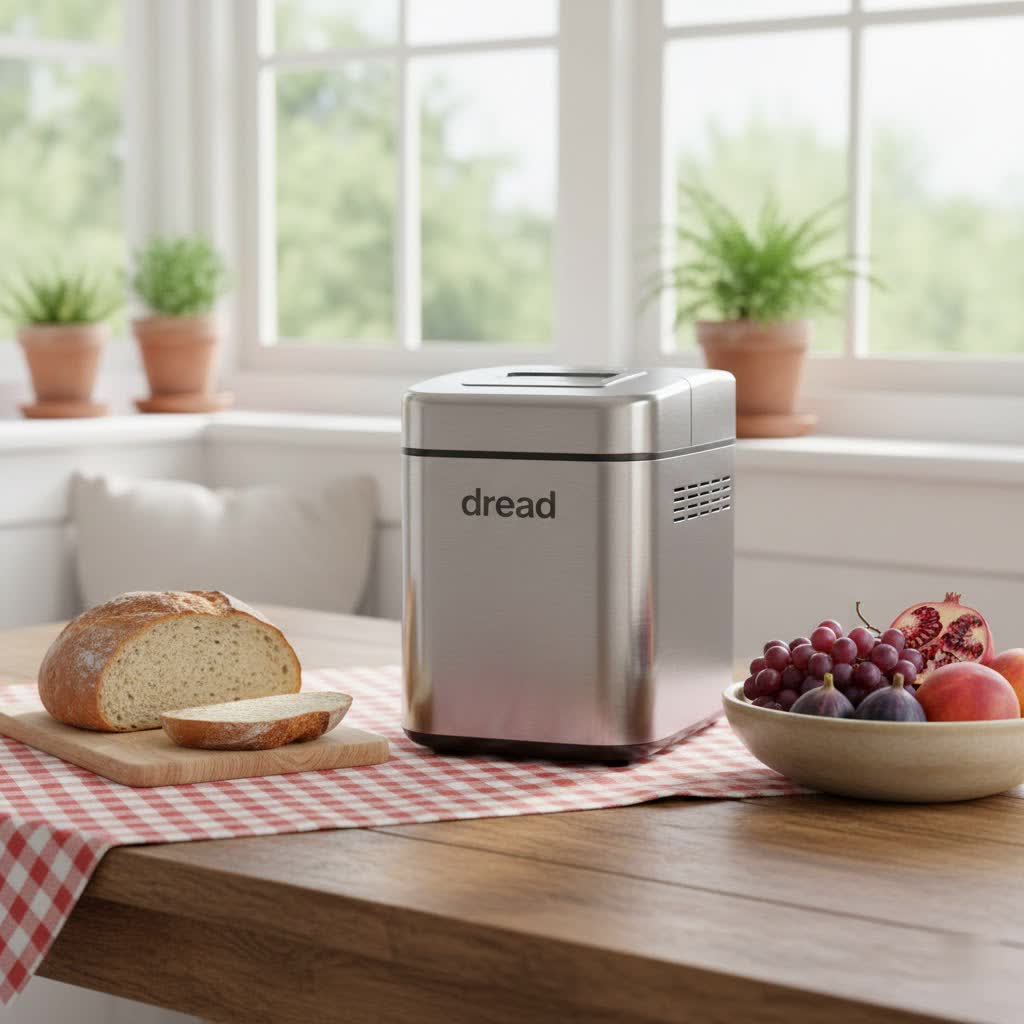
At its core, an automatic bread maker is a self-contained kitchen appliance designed to automate the entire bread-making process. From mixing the ingredients and kneading the dough to allowing it to rise and finally baking it to perfection, this device handles every step. You simply add your ingredients in the correct order, select your desired program, and press start. The machine takes over, eliminating the need for manual labor and precise timing that traditional bread making demands.
While the fundamental concept has existed for decades, modern automatic bread makers have evolved significantly, offering a wide array of features and programs. Early models primarily produced vertical loaves, but many contemporary machines now offer a more traditional horizontal loaf shape. You’ll also find variations in kneading mechanisms, with some machines featuring a single paddle and others employing dual paddles for more thorough and even mixing, especially beneficial for larger or denser doughs.
Why Embrace an Automatic Bread Maker?
Bringing an automatic bread maker into your kitchen unlocks a host of benefits that extend far beyond simply having fresh bread. It’s a lifestyle upgrade that caters to convenience, health, and pure culinary delight.
One of the most compelling reasons is sheer convenience and time-saving. With a bread maker, the hands-on time is dramatically reduced to mere minutes of measuring and adding ingredients. You can set it before bed and wake up to a warm loaf, or program it to have bread ready when you return home from work, thanks to delay start timers. This “set it and forget it” functionality is a game-changer for busy individuals and families.
Beyond convenience, automatic bread makers offer unparalleled customization and control. You dictate every ingredient, allowing you to avoid preservatives, artificial flavors, and excessive sugars often found in commercial loaves. This is particularly valuable for those with dietary restrictions or specific health goals, enabling you to create gluten-free, whole wheat, or low-sodium breads with ease. The ability to experiment with different flours, seeds, and spices opens up endless possibilities.
Furthermore, making bread at home ensures food safety and freshness. You know exactly what goes into your bread, providing peace of mind. And let’s be honest, nothing compares to the taste and aroma of a freshly baked loaf straight from the machine. The warm, yeasty scent alone is enough to transform your kitchen into a comforting haven, and the superior taste and texture are simply incomparable to pre-packaged alternatives.
“A bread maker isn’t just an appliance; it’s an invitation to rediscover the simple, profound joy of baking, making fresh, wholesome bread accessible to everyone.”
Choosing Your Ideal Automatic Bread Maker
Selecting the perfect automatic bread maker requires a thoughtful consideration of your individual needs and preferences. With numerous models and features available, a little research goes a long way.
Assess Your Baking Needs
Before diving into specifications, ask yourself a few questions:
- For whom are you baking? A single person might prefer a compact machine that makes 1-pound loaves, while a large family would benefit from a 2-pound or even 3-pound capacity.
- What types of bread do you enjoy? Most machines handle basic white and whole wheat, but if you’re keen on gluten-free, French, sweet, or specialty doughs, ensure the model has dedicated programs.
- What’s your budget? Bread makers range from budget-friendly options under $100 to high-end models over $400, each offering varying levels of features and build quality.
|
Our Picks for the Best Bread Maker in 2026
As an Amazon Associate I earn from qualifying purchases.
|
||
| Num | Product | Action |
|---|---|---|
| 1 | Cuisinart Bread Maker Machine, Stainless Steel Automatic Bread Machine with 12 Menu Options, 3 Loaf Sizes up to 2 Lb., 3 Crust Colors, Removable Nonstick Baking Pan & Kneading Paddle, CBK-110NAS |

|
| 2 | Neretva Bread Maker, 20-in-1 2LB Bread Machine Dual Heater & Nonstick Ceramic Pan Bread Makers Machine All Metal Compact for Gluten Free/Dough Maker/Meat Floss/Jam/Yogurt/Breadmaker Recipe-Light Green |
|
| 3 | 2LB Bread Maker Machine, OSIPOTO 17 in 1 Automatic Stainless Steel Bread Machine, Non-stick, Beginner-Friendly Controls, 15 Hour Timer, Easy to Clean Low Noise, High Success Rate for Homemade Bread |
|
| 4 | MERIOR 25-IN-1 Bread Maker with Visible Lid - 2lb Automatic Machine, Auto Nut Dispenser, 13-Hour Delay Timer, One-Touch Control & Recipes – Easy Operation, High Success for Homemade Bread |
|
| 5 | Neretva Bread Maker, 20-IN-1 2LB Bread Machine Dual Heater Bread Maker Machine Automatic with Nonstick Ceramic Pan, 15H Timer & 1H Keep Warm Set, Low Noise, Stainless Steel Breadmaker Recipe-Green |
|
| 6 | Elite Gourmet Programmable Bread Maker, 2 lb Loaf, 3 Sizes, 19 Presets incl. Gluten-Free, Dough & Jam, Delay Timer, Black |
|
| 7 | Cuisinart Bread Maker Machine, Stainless Steel Convection Bread Machine with 16 Menu Options, 3 Loaf Sizes Up to 2 Lb., 3 Crust Colors, Includes Measuring Cup, Spoon & Kneading Hook, CBK-210 |
|
| 8 | KBS Pro 710W 2LB Bread Maker, Stainless Steel 17-in-1 Smart Bread Machine with Healthy Ceramic Pan, Automatic Nut Dispenser, Tempered Glass Touch Panel, 3 Crust Colors, 15H Timer& Keep-Warm, Recipes |
|
| 9 | KITCHENARM 29-in-1 SMART Bread Machine with Gluten Free Setting 2LB 1.5LB 1LB Bread Maker Machine with Homemade Cycle - Stainless Steel Breadmaker with Recipes Whole Wheat Bread Making Machine |
|
| 10 | KBS Premium 2LB Convection Bread Maker Dual Heaters, 710W Stainless Steel 17-in-1 Bread Machine Healthy Ceramic Pan, Nut Dispenser,Touch Panel, 3 Loaf Sizes 3 Crust Colors, 15H Timer,Low Noise,Recipes |
|
Key Features to Consider
- Capacity and Size: Bread makers typically offer loaf sizes from 1 lb to 3 lbs. Consider how much bread your household consumes and your available counter space.
- Number of Programs: More programs mean greater versatility. Look for options like basic, whole wheat, French, rapid bake, gluten-free, dough-only, jam, and cake settings.
- Delay Start Timer: Essential for waking up to fresh bread or having it ready after work. A 13-hour delay is common and highly useful.
- Keep Warm Function: Many machines will keep your bread warm for up to an hour after baking, ensuring it’s perfect when you’re ready to slice.
- Crust Color Settings: Options for light, medium, or dark crust allow you to customize your loaf to your liking.
- Automatic Dispensers: Some advanced models feature dispensers that automatically add fruits, nuts, or seeds at the optimal time during the kneading cycle, preventing them from being over-processed.
- Kneading Paddles: While most have one, dual kneading paddles are often found in larger machines and are praised for more efficient and even dough development, leading to better rise and texture.
- Pan Shape and Material: Pans are usually non-stick. Some machines offer traditional horizontal loaf pans, while others produce taller, vertical loaves. Dual-paddle machines often provide a more rectangular, traditional loaf shape.
- Ease of Cleaning: Removable, non-stick pans and paddles make cleanup simple.
Top Automatic Bread Maker Brands
Several brands consistently receive high praise for their bread makers, each with its unique strengths:
- Zojirushi: Often considered premium, known for consistent results, dual kneading paddles, and excellent build quality, producing traditional rectangular loaves.
- Breville: Offers advanced features, customization options, and often smart technology for precise baking.
- Panasonic: Known for reliability and excellent gluten-free settings, often including automatic ingredient dispensers.
- Cuisinart: Provides a good balance of features, performance, and value, often with compact designs suitable for smaller kitchens.
- Hamilton Beach/Amazon Basics: Excellent budget-friendly options, great for beginners or those with basic bread-making needs.
Comparative Table: Popular Automatic Bread Makers
| Feature / Model | Zojirushi Home Bakery Virtuoso Plus | Breville Custom Loaf Bread Maker | Cuisinart Compact Automatic Bread Maker | Hamilton Beach Bread Maker |
|---|---|---|---|---|
| Loaf Sizes | 2 lb | 1 lb, 1.5 lb, 2 lb, 2.5 lb | 1 lb, 1.5 lb, 2 lb | 1.5 lb, 2 lb |
| Kneading Paddles | Dual | Single (collapsible) | Single | Single |
| Programs | 15 (incl. Gluten-Free) | 9 Custom settings, 13 auto | 12 (incl. Gluten-Free, Ultra-Fast) | 14 (incl. Gluten-Free) |
| Dispenser | No (Manual add) | Automatic Fruit/Nut | No (Manual add) | Automatic Fruit/Nut (on some models) |
| Crust Settings | Light, Medium, Dark | Light, Medium, Dark | Light, Medium, Dark | Light, Medium, Dark |
| Delay Timer | Yes | Yes | Yes (13-hour) | Yes |
| Keep Warm | Yes | Yes | Yes | Yes |
| Notable Feature | Top & bottom heating elements, even browning | Collapsible paddle, custom settings | Compact design, good for quick breads | Beginner-friendly, affordable |
| Typical Price Range | $$$$ | $$$ | $$ | $ |
Note: Price ranges are approximate and can vary based on retailer and sales.
Mastering Your Automatic Bread Maker: A Step-by-Step Guide
Using an automatic bread maker is designed to be straightforward, but understanding a few key steps and tips can ensure perfect results every time.
Preparation Before Baking
- Read Your Manual: Each bread maker has unique features and specific instructions. Your manual is your best friend for understanding ingredient order, program settings, and cleaning guidelines.
- Gather Ingredients: Measure all your ingredients precisely. Bread making is a science, and exact measurements are crucial for success. Use fresh ingredients, especially yeast, as its potency directly impacts your bread’s rise.
- Prepare the Pan: Ensure the kneading paddle is securely in place at the bottom of the bread pan. Some recipes recommend lightly greasing the pan, though many non-stick pans don’t require it.
Adding Ingredients and Setting Programs
The general rule for adding ingredients is liquids first, then dry ingredients, and finally yeast. This order prevents the yeast from activating prematurely, especially if you’re using a delay timer.
- Liquids: Pour water, milk, eggs, and melted butter (if any) into the pan. Ensure liquids are at room temperature or slightly warm – never hot, as hot liquids can kill the yeast.
- Dry Ingredients: Add flour, sugar, and salt. Create a small “well” in the center of the flour.
- Yeast: Carefully spoon the yeast into the well, ensuring it doesn’t come into direct contact with the liquid or salt (salt can inhibit yeast activity).
- Load Pan: Place the pan securely back into the bread maker’s chamber.
- Select Program: Choose the appropriate program for your recipe (e.g., “Basic White,” “Whole Wheat,” “Gluten-Free”). Adjust crust color and loaf size if those options are available.
- Start Machine: Press the start button. The machine will now handle the rest!
Tips for Success
- Dough Consistency Check: During the initial kneading cycle, keep an eye on the dough. It should form a smooth, elastic ball. If it’s too sticky, add a teaspoon of flour at a time. If it’s too dry, add a teaspoon of water.
- Don’t Open the Lid: Resist the temptation to open the lid during the rising and baking cycles, as this can cause the bread to collapse.
- Cool Before Slicing: Once the bread is baked and removed from the machine, let it cool on a wire rack for at least 20 minutes (or longer for larger loaves). This allows the internal structure to set and makes for easier, cleaner slicing.
Cleaning and Maintenance
- Unplug and Cool: Always unplug the machine and allow it to cool completely before cleaning.
- Clean Pan and Paddle: Remove the bread pan and paddle. Wash them with warm, soapy water. Avoid abrasive scrubbers that can damage the non-stick coating.
- Wipe Down Exterior: Wipe the exterior and interior chamber with a damp cloth. Never immerse the main unit in water.
- Remove Paddle from Loaf: Remember to remove the kneading paddle from the bottom of your loaf after it has cooled.
Delectable Recipes for Your Automatic Bread Maker
Your automatic bread maker is capable of far more than just a basic white loaf. Here are a few ideas to get you started:
- Classic White Bread: The staple. Perfect for sandwiches, toast, or alongside a hearty meal.
- Hearty Whole Wheat Bread: A nutritious alternative, often requiring a “Whole Wheat” program which has longer kneading and rising times.
- Sweet Bread (e.g., Cinnamon Swirl or Banana Bread): Many machines have a “Sweet” or “Cake” setting perfect for enriched doughs or quick breads. For banana bread, you might pre-mix wet ingredients as per your machine’s guidance.
- Gluten-Free Loaves: A lifesaver for those with sensitivities. Ensure your machine has a dedicated “Gluten-Free” program, as these require specific mixing and rising cycles.
- Dough-Only Cycles: Don’t forget the “Dough” program! This is fantastic for preparing pizza dough, dinner rolls, focaccia, or cinnamon buns, which you can then shape and bake in a conventional oven.
Troubleshooting Common Automatic Bread Maker Issues
Even experienced bakers encounter challenges. Here are some common bread maker issues and potential solutions:
- Bread Not Rising:
- Expired Yeast: Check the expiration date of your yeast.
- Incorrect Water Temperature: Water too hot or too cold can kill or deactivate yeast. Use lukewarm water.
- Too Much Salt: Salt inhibits yeast; ensure proper measurement.
- Incorrect Ingredient Order: Yeast touching liquid or salt prematurely.
- Loaf Collapses:
- Too Much Liquid: Reduce liquid slightly in the next batch.
- Too Much Yeast: Use the recommended amount; too much can cause over-rising and collapse.
- Too Much Sugar: Can cause over-rising.
- Bread Is Dense/Heavy:
- Not Enough Yeast: Check yeast freshness and quantity.
- Too Much Flour: Accurately measure flour by spooning it into a cup and leveling, rather than scooping directly.
- Water Too Cold: Use lukewarm water.
- Crust Too Hard or Too Soft:
- Adjust your crust color setting (light, medium, dark).
- Ensure the machine is operating in a stable room temperature environment.
Where to Purchase Your Automatic Bread Maker
Automatic bread makers are widely available, making it easy to find one that fits your needs.
- Online Retailers: Websites like Amazon, Best Buy, and the official brand websites (e.g., Zojirushi.com, Breville.com) offer the widest selection, competitive pricing, and often user reviews.
- Electronics Stores: Major electronics retailers frequently stock a range of bread makers, allowing you to see models in person.
- Department Stores: Kitchen and home goods sections of department stores often carry popular bread maker brands.
The Ultimate Automatic Bread Maker Buying Guide
Making an informed decision about your automatic bread maker ensures you’ll be happy with your purchase for years to come.
- Set a Realistic Budget: Determine how much you’re willing to spend. While high-end models offer more features, excellent machines are available at various price points.
- Prioritize Features: Based on your needs assessment, decide which features are non-negotiable (e.g., gluten-free setting, delay timer) and which are nice-to-haves.
- Read User Reviews: Customer reviews provide invaluable insights into a machine’s real-world performance, common issues, and user satisfaction. Pay attention to comments about loaf quality, ease of use, and durability.
- Compare Warranties and Support: A good warranty offers peace of mind. Check the manufacturer’s customer service reputation.
- Consider Loaf Shape: If a traditional rectangular loaf is important to you, look for machines with dual paddles and horizontal pans.
Frequently Asked Questions
Can I use regular yeast in an automatic bread maker?
Yes, you can typically use active dry yeast or instant yeast in a bread maker. Instant yeast is often preferred for its convenience, as it doesn’t require proofing beforehand. Active dry yeast may need to be dissolved in the liquid first, depending on your machine and recipe.
Can automatic bread makers make gluten-free bread?
Absolutely! Many modern automatic bread makers come with dedicated “Gluten-Free” settings. These programs are specifically designed to handle the unique properties of gluten-free doughs, which require different mixing, rising, and baking times compared to traditional wheat-based breads.
What is the best order to add ingredients to a bread maker?
The general recommended order is liquids first, then dry ingredients (flour, sugar, salt), and finally the yeast. This layering prevents the yeast from activating too early or coming into direct contact with salt, which can inhibit its activity, especially if using a delay timer.
How long does it take to make bread in an automatic bread maker?
The time varies significantly depending on the program selected. A “Rapid Bake” cycle might produce a loaf in about 1-2 hours, while a “Basic White” or “Whole Wheat” cycle can take anywhere from 3 to 4 hours. Specialty programs like “French Bread” might take even longer due to extended rising times.
Is it worth buying an expensive bread maker?
The value of an expensive bread maker depends on your baking frequency and desired features. Higher-priced models often offer greater consistency, more advanced programs (like custom settings or automatic dispensers), superior build quality, and a more traditional loaf shape. For casual bakers, a mid-range or budget model might be perfectly sufficient.
Conclusion
The automatic bread maker stands as a testament to how technology can simplify and enrich our daily lives. It eliminates the complexities of traditional baking, offering a convenient pathway to consistently fresh, delicious, and customizable loaves. From ensuring wholesome ingredients for your family to waking up to the comforting scent of home-baked goodness, the benefits are clear. Investing in an automatic bread maker is more than just buying another kitchen gadget; it’s embracing a healthier, more flavorful lifestyle, one perfect slice at a time. What delightful loaf will you create first with your new kitchen companion?
