Imagine waking up to the irresistible aroma of freshly baked bread filling your home. While the idea of homemade loaves might conjure images of elaborate kitchen rituals, the reality can be far simpler with the right Bread Maker. This versatile appliance effortlessly handles the mixing, kneading, rising, and baking, transforming raw ingredients into delicious bread with minimal effort.
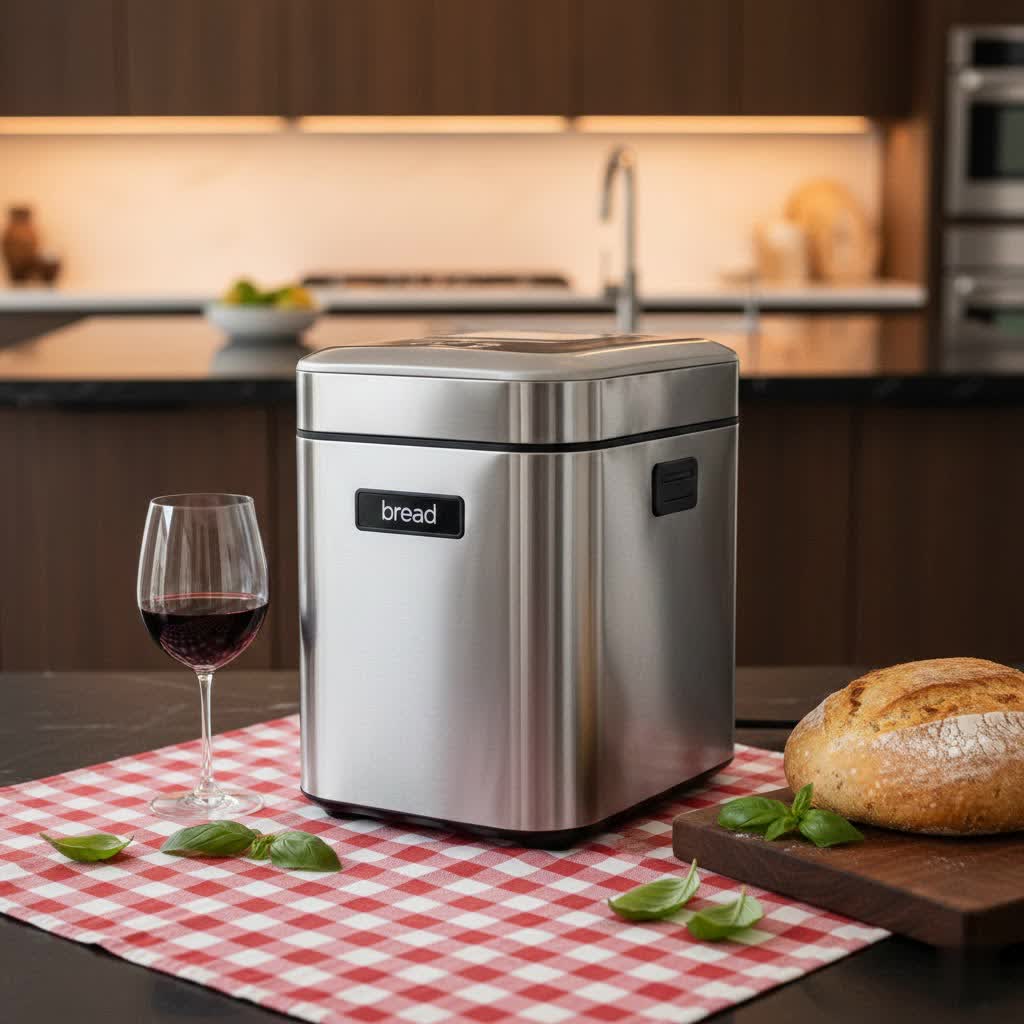
This comprehensive guide will walk you through everything you need to know about bread makers. From understanding their core functions and benefits to choosing the ideal model for your kitchen, we’ll cover essential features, top brands, practical usage tips, delicious recipes, and common troubleshooting solutions. Get ready to embark on a delightful journey into the world of effortless home baking.
Understanding the Bread Maker: Your Gateway to Freshly Baked Goodness
A bread maker, often interchangeably called a bread machine, is an automated kitchen appliance designed to streamline the entire bread-making process. It combines flour, water, yeast, and other ingredients, then proceeds to mix, knead, allow the dough to rise (proof), and finally bake a perfect loaf, all within a single, self-contained unit. This hands-off approach liberates you from the labor-intensive traditional methods, making homemade bread accessible to everyone, regardless of baking experience.
While modern bread makers offer a sophisticated range of functions, their core principle remains the same as the earliest models. Early bread machines in the 1980s revolutionized home baking by offering a convenient way to produce fresh bread. Over time, they have evolved to include advanced features, more program options, and improved designs.
Today, you’ll find various types of bread makers, primarily distinguished by their capacity and loaf shape. Mini bread machines typically produce 1-pound loaves, perfect for individuals or couples who prefer smaller, fresher batches daily. Standard models handle 1.5- to 2-pound loaves, suitable for most families, while larger machines can produce up to 3-pound loaves for bigger households or entertaining. Loaf shape also varies; vertical machines are more compact and create taller, cuboid loaves, whereas horizontal machines yield traditional, elongated sandwich-style loaves, though they require more countertop space.
Why a Bread Maker Belongs in Your Kitchen
Bringing a bread maker into your home offers a myriad of advantages that extend beyond just convenience. It’s an investment in healthier eating, culinary creativity, and the simple joy of warm, fragrant bread.
One of the most compelling reasons is convenience and time-saving. With a bread maker, you simply add your ingredients, select a program, and let the machine do the rest. This “set-it-and-forget-it” functionality is perfect for busy individuals or anyone who wants fresh bread without the commitment of manual kneading and proofing. Many models even feature a delay start timer, allowing you to prepare ingredients the night before and wake up to a warm loaf.
Another significant benefit is the ability to customize recipes and ingredients. You have complete control over what goes into your bread, enabling you to use organic flours, reduce sugar or salt, and incorporate healthy add-ins like seeds, nuts, or whole grains. This is especially valuable for those with dietary restrictions, as many bread makers offer dedicated gluten-free settings, ensuring safe and delicious options.
Using a bread maker also ensures food safety and quality. You eliminate preservatives and artificial additives often found in store-bought bread, knowing exactly what you’re feeding your family. The consistent environment within the machine promotes optimal dough development and baking.
Ultimately, a bread maker empowers you to create fresh, delicious loaves at home. There’s a unique satisfaction in slicing into a warm, aromatic loaf straight from your own kitchen, a sensory experience that store-bought bread simply cannot match. The consistent results and ease of use mean you can enjoy this luxury regularly.
Navigating the Market: How to Choose the Perfect Bread Maker
Selecting the right bread maker involves considering your specific needs, desired features, and budget. With a variety of models available, a thoughtful approach will ensure you find an appliance that perfectly fits your baking aspirations.
Assessing Your Baking Needs
Before diving into features, take a moment to evaluate your baking habits and preferences.
- Household Size and Baking Frequency: Do you need small 1-pound loaves for daily toast, or larger 2- to 3-pound loaves to feed a family or for weekly meal prep? Some machines offer multiple loaf sizes.
- Bread Preferences: Are you a fan of classic white bread, or do you crave artisan sourdough, hearty whole wheat, or sweet brioche? If you have dietary needs, a dedicated gluten-free setting will be crucial. Many bread makers can also prepare dough for pizza or pasta, or even make jam and yogurt.
- Budget: Bread makers range from budget-friendly options around $60-$100 to premium models costing over $400. Determine how much you’re willing to invest, balancing cost with desired features and durability.
|
Our Picks for the Best Bread Maker in 2026
As an Amazon Associate I earn from qualifying purchases.
|
||
| Num | Product | Action |
|---|---|---|
| 1 | Cuisinart Bread Maker Machine, Stainless Steel Automatic Bread Machine with 12 Menu Options, 3 Loaf Sizes up to 2 Lb., 3 Crust Colors, Removable Nonstick Baking Pan & Kneading Paddle, CBK-110NAS |

|
| 2 | KBS Pro 710W 2LB Bread Maker, Stainless Steel 17-in-1 Smart Bread Machine with Healthy Ceramic Pan, Automatic Nut Dispenser, Tempered Glass Touch Panel, 3 Crust Colors, 15H Timer& Keep-Warm, Recipes |
|
| 3 | Neretva Bread Maker, 20-IN-1 2LB Bread Machine Dual Heater Bread Maker Machine Automatic with Nonstick Ceramic Pan, 15H Timer & 1H Keep Warm Set, Low Noise, Stainless Steel Breadmaker Recipe-Green |
|
| 4 | KITCHENARM 29-in-1 SMART Bread Machine with Gluten Free Setting 2LB 1.5LB 1LB Bread Maker Machine with Homemade Cycle - Stainless Steel Breadmaker with Recipes Whole Wheat Bread Making Machine |
|
| 5 | Cuisinart Bread Maker Machine, Stainless Steel Convection Bread Machine with 16 Menu Options, 3 Loaf Sizes Up to 2 Lb., 3 Crust Colors, Includes Measuring Cup, Spoon & Kneading Hook, CBK-210 |
|
| 6 | MERIOR 25-IN-1 Bread Maker with Visible Lid - 2lb Automatic Machine, Auto Nut Dispenser, 13-Hour Delay Timer, One-Touch Control & Recipes – Easy Operation, High Success for Homemade Bread |
|
| 7 | KBS Premium 2LB Convection Bread Maker Dual Heaters, 710W Stainless Steel 17-in-1 Bread Machine Healthy Ceramic Pan, Nut Dispenser,Touch Panel, 3 Loaf Sizes 3 Crust Colors, 15H Timer,Low Noise,Recipes |
|
| 8 | Elite Gourmet Programmable Bread Maker, 2 lb Loaf, 3 Sizes, 19 Presets incl. Gluten-Free, Dough & Jam, Delay Timer, Black |
|
| 9 | 2LB Bread Maker Machine, OSIPOTO 17 in 1 Automatic Stainless Steel Bread Machine, Non-stick, Beginner-Friendly Controls, 15 Hour Timer, Easy to Clean Low Noise, High Success Rate for Homemade Bread |
|
| 10 | Neretva Bread Maker, 20-in-1 2LB Bread Machine Dual Heater & Nonstick Ceramic Pan Bread Makers Machine All Metal Compact for Gluten Free/Dough Maker/Meat Floss/Jam/Yogurt/Breadmaker Recipe-Light Green |
|
Essential Features to Look For
Modern bread makers come packed with features designed to enhance your baking experience.
- Capacity and Loaf Shape: As mentioned, capacities vary from 1 lb to 3 lbs. Consider if you prefer a vertical, compact machine (cuboid loaf) or a horizontal machine (traditional, longer loaf).
- Number of Programs: Look for a machine with a good variety of pre-programmed cycles, including basic, whole wheat, French, sweet, dough-only, and rapid bake. Dedicated gluten-free and sourdough settings are a plus for specialized bakers.
- Delay Start Function: This allows you to add ingredients in advance and set a timer for baking to start later, so you can wake up to fresh bread or have it ready for dinner.
- Crust Control and Keep Warm: Most models offer light, medium, or dark crust options. A “keep warm” function maintains the bread’s temperature after baking.
- Kneading Paddles: While single-paddle machines are common, models with dual kneading paddles often provide more thorough mixing and kneading, especially for larger or heavier doughs, resulting in a more even texture and consistent rise. This is particularly beneficial for traditional rectangular loaves.
- Automatic Dispensers: Some advanced machines feature dispensers that automatically release fruits, nuts, or yeast at the appropriate stage of the cycle, preventing ingredients from being over-mixed or activated too early.
- Material and Durability: Look for a sturdy build, often with stainless steel components. Non-stick baking pans are standard and make cleanup easier.
- Ease of Cleaning: Removable, dishwasher-safe parts simplify post-baking cleanup. A machine with minimal dough residue on paddles is a good sign of efficient mixing.
- Viewing Window and Internal Light: These features allow you to monitor the baking process without opening the lid, which can affect dough rising.
- Programmable Settings: For advanced users, machines with customizable settings allow you to adjust kneading, rising, and baking times for unique recipes.
Top Bread Maker Brands to Consider
Several brands consistently receive high marks for their performance, features, and reliability.
- Zojirushi: Often lauded as the “best splurge” or “best overall” option, Zojirushi models like the Virtuoso Plus are known for producing consistent, perfectly shaped, traditional loaves, often featuring dual paddles and extensive settings. They are a premium choice but offer excellent quality.
- Breville: The Breville Custom Loaf Maker is frequently praised for its high customizability and premium features, including automatic mix-in dispensers and a collapsible kneading paddle that prevents holes in the finished loaf. It’s ideal for those who want extensive control over their baking.
- Cuisinart: Cuisinart offers reliable and often more compact options like the Compact Automatic Bread Maker, frequently cited as a “best value” choice. They provide a good range of programs and features for their price point, making them a solid choice for smaller kitchens or those seeking a balance of quality and affordability.
- Panasonic: Known for innovation, Panasonic bread makers (e.g., SD-B2510, SD-YR2550) are often recognized for excellent baking results, particularly for specific bread types like gluten-free or spelt.
- Amazon Basics: For budget-conscious bakers, the Amazon Basics Bread-Making Machine offers a comprehensive set of functions at a significantly lower price, making it a “best budget” option for beginners.
Comparative Overview: Popular Bread Maker Models
To help you make an informed decision, here’s a comparative look at some top-rated bread maker models, highlighting their key specifications and strengths.
| Model | Loaf Sizes (lbs) | Programs | Key Features | Pros | Cons | Price Range |
|---|---|---|---|---|---|---|
| Zojirushi Home Bakery Virtuoso Plus | 2 | 15 | Horizontal loaf, dual kneading paddles, rapid bake, gluten-free, custom settings | Consistent, traditional loaf shape, excellent gluten development, easy cleanup, reliable results | Expensive, bulky design requiring more counter space | $400-$450 |
| Breville Custom Loaf Bread Maker | 1, 1.5, 2, 2.5 | 14 | Auto fruit/nut dispenser, collapsible paddle, smart LCD, custom programs | Highly customizable, versatile for various recipes, robust build, intelligent features | Can brown unevenly on top, premium price point | $380-$400 |
| Cuisinart Compact Automatic Bread Maker | 1, 1.5, 2 | 12 | Compact vertical design, 13-hour delay timer, keep warm, ultra-fast settings | Excellent value, great for quick breads, lightweight and space-saving, good for beginners | Sourdough results can be inconsistent, occasionally gummy interior | $130-$170 |
| Amazon Basics Bread-Making Machine | 1.5, 2 | 14 | Compact vertical design, crust control, gluten-free, jam, yogurt | Budget-friendly, wide range of programs for the price, small footprint | Timer settings can be unreliable, lower power may require longer bake times, often vertical loaf shape | $60-$80 |
| Hamilton Beach Bread Maker Machine | 1, 1.5, 2 | 14 | Vertical design, basic loaf, jam, roasting nuts, straightforward instructions | Inexpensive, great texture for sourdough, beginner-friendly instructions | Can produce dense/dry banana bread, may not excel at all quick breads | $100-$120 |
“Investing in a bread maker is a game-changer for anyone who loves fresh bread but is short on time. The Zojirushi Virtuoso Plus, for example, consistently delivers bakery-quality loaves, making it a top choice for serious home bakers.” – [Admin, reviewrdous.com], Technician with 10+ years of bread maker experience
Mastering Your Bread Maker: A Step-by-Step Guide
Using a bread maker is remarkably simple, but a few best practices will ensure perfectly baked loaves every time.
Preparation Before Baking
- Read the Manual: Each bread maker has unique features and recommended loading orders. Familiarize yourself with your model’s instructions.
- Room Temperature Ingredients: Ensure liquids, eggs, and butter are at room temperature. Cold ingredients can inhibit yeast activation.
- Precise Measurement: Baking is a science. Use accurate measuring cups and spoons for all ingredients. A kitchen scale is ideal for flour to ensure exact weight.
- Fresh Ingredients: Always use fresh yeast and high-quality flour. Expired yeast is a common cause of bread not rising.
Loading Ingredients Correctly
The order in which you add ingredients is crucial for proper mixing and yeast activation.
- Liquids First: Pour all liquids (water, milk, eggs, melted butter) into the bread pan.
- Dry Ingredients Next: Add flour, sugar, salt, and any other dry ingredients like powdered milk or spices. Create a small well in the center of the flour.
- Yeast Last: Place the yeast directly into the well, ensuring it doesn’t come into direct contact with liquids or salt at the start, as this can prematurely activate or kill the yeast.
Setting the Program and Timer
- Select Program: Choose the appropriate program for your recipe (e.g., Basic, Whole Wheat, Gluten-Free).
- Loaf Size & Crust Color: Adjust these settings according to your preference.
- Delay Timer (Optional): If you want bread ready at a specific time, use the delay timer function. Calculate the total time needed and set accordingly.
Tips for Success
- Don’t Open the Lid: During the kneading and rising cycles, avoid opening the lid, as this can cause the dough to deflate.
- Monitor Dough Consistency: During the first kneading cycle, check the dough. It should form a smooth ball. If too sticky, add a teaspoon of flour; if too dry, add a teaspoon of water.
- Cooling is Key: Once baked, remove the loaf immediately from the pan and place it on a wire rack to cool completely for at least 30-60 minutes before slicing. This allows the internal structure to set and prevents a gummy texture.
Cleaning and Maintenance
- Unplug and Cool: Always unplug the machine and allow it to cool completely before cleaning.
- Remove Pan and Paddle: Remove the baking pan and kneading paddle(s). Hand wash the pan and paddle with warm, soapy water, or if dishwasher safe, place them in the dishwasher. Avoid abrasive scrubbers that can damage the non-stick coating.
- Wipe Down Interior/Exterior: Use a damp cloth to wipe the interior and exterior of the machine. Do not submerge the machine in water.
- Store Properly: Store your bread maker in a cool, dry place.
Delicious Recipes for Your Bread Maker
Your bread maker is a versatile tool for creating a wide array of baked goods. Here are a few essential recipes to get you started:
Basic White Bread (1.5 lb loaf)
- Ingredients:
- 1 cup warm water (105-115°F / 40-46°C)
- 2 tbsp unsalted butter, softened
- 1.5 tsp salt
- 2 tbsp granulated sugar
- 3 cups bread flour
- 2 tsp active dry yeast
- Instructions: Add ingredients to the bread maker pan in the order specified in your manual (typically liquids first, then dry, yeast last). Select the “Basic” or “White Bread” program, chosen loaf size (1.5 lb), and crust color. Start the machine.
Whole Wheat Bread (2 lb loaf)
- Ingredients:
- 1.5 cups warm water
- 3 tbsp olive oil
- 2 tsp salt
- 3 tbsp brown sugar or honey
- 2.5 cups whole wheat flour
- 1.5 cups bread flour
- 2.25 tsp active dry yeast
- Instructions: Follow the same loading order. Select the “Whole Wheat” program, 2 lb loaf size, and desired crust color.
Sweet Bread (e.g., Cinnamon Raisin) (1.5 lb loaf)
- Ingredients:
- 1 cup warm milk
- 1 large egg, lightly beaten
- 1/4 cup unsalted butter, melted
- 1/4 cup granulated sugar
- 1 tsp salt
- 3 cups bread flour
- 1.5 tsp ground cinnamon
- 2 tsp active dry yeast
- 1/2 cup raisins (add at beep or manually)
- Instructions: Add liquid ingredients, then dry ingredients (except raisins). Place yeast in the well. Select the “Sweet Bread” program. Add raisins when the machine beeps, or manually during the last kneading cycle.
Gluten-Free Bread (1.5 lb loaf)
- Ingredients (ensure all are gluten-free certified):
- 1.25 cups warm water
- 2 large eggs
- 1/4 cup olive oil
- 1.5 tsp salt
- 2 tbsp granulated sugar
- 3 cups gluten-free bread flour blend (containing xanthan gum)
- 2 tsp active dry yeast
- Instructions: For gluten-free bread, precision is paramount. Use a dedicated “Gluten-Free” program if your machine has one, as these cycles are specifically designed for gluten-free doughs, which require different kneading and rising times.
Dough-Only Functions (Pizza Dough, Pasta Dough)
Many bread makers have a “Dough” cycle that mixes and kneads the ingredients, then completes the first rise. Once the cycle finishes, you can remove the dough, shape it by hand (for pizza, rolls, or pasta), and bake or cook it in a conventional oven or stovetop. This is a huge time-saver for homemade pizza night!
Troubleshooting Common Bread Maker Issues
Even with the best bread makers, occasional issues can arise. Understanding common problems and their solutions will help you get back to perfect baking.
- Bread Not Rising: This is often due to inactive or old yeast, or yeast coming into direct contact with salt or too-hot water. Ensure yeast is fresh, water temperature is correct (105-115°F), and ingredients are loaded in the recommended order. Insufficient liquid or too much flour can also hinder rising.
- Bread is Dense or Gummy: Too much flour or not enough liquid can result in dense bread. Conversely, too much liquid can lead to a gummy texture. Precise measurement, especially of flour (ideally by weight), is key. Not allowing the bread to cool completely before slicing can also make it seem gummy.
- Crust is Too Dark or Burnt: This might indicate an incorrect crust setting (e.g., selecting “dark” when a lighter crust is desired) or an issue with the machine’s heating element. Adjust the crust setting for your next bake.
- Bread Collapses in the Middle: This often happens with too much liquid or yeast, causing the dough to rise too quickly and then fall. High humidity or very strong flour can also contribute. Try slightly reducing the liquid or yeast.
- Paddle Stuck in Bread/Hole in Loaf: The kneading paddle can sometimes get baked into the loaf. Some machines have collapsible paddles to prevent this. If not, remove the paddle promptly after the bake cycle or during the last kneading phase if your machine allows.
- Machine Not Starting: Check that the machine is plugged in securely and the bread pan is properly seated. Ensure no error codes are displayed.
Trial and error are part of baking. Don’t be discouraged by an imperfect loaf; adjust your ingredients or settings and try again. Each bake teaches you more about your machine and your ingredients.
Where to Purchase Your Next Bread Maker
Once you’ve decided on the perfect bread maker for your needs, you’ll find various reputable retailers where you can make your purchase.
- Online Retailers: Websites like Amazon, Williams Sonoma, and King Arthur Baking offer a vast selection of bread makers from various brands, often with competitive pricing and detailed customer reviews. This allows for convenient comparison shopping from home.
- Electronics and Department Stores: Major electronics retailers and department stores often carry a range of kitchen appliances, including bread makers. Shopping here allows you to see the machines in person and speak with sales associates.
- Specialty Kitchen Stores: Stores dedicated to kitchenware might offer a more curated selection and specialized knowledge about different models.
When purchasing, always consider the retailer’s return policy and the manufacturer’s warranty. Reading recent customer reviews can also provide valuable insights into the real-world performance and durability of a specific model.
The Ultimate Bread Maker Buying Guide: Making an Informed Decision
Choosing the best bread maker is about finding the right balance between functionality, convenience, and cost for your unique baking journey. Here’s a summary of key factors to consider for a confident purchase:
- Define Your Needs: Begin by identifying your household size, preferred loaf types (e.g., gluten-free, whole wheat, sweet), and how frequently you plan to bake. This will guide your decision on capacity and program requirements.
- Set a Budget: Bread makers are available across a wide price spectrum. Determine your comfortable spending limit and seek models that offer the best features and durability within that range. Remember that a higher initial investment can pay off in long-term satisfaction and versatility.
- Evaluate Key Features: Prioritize features such as multiple loaf sizes, a variety of pre-programmed cycles (including specialized options like gluten-free or jam), a delay start timer, crust control, and the type of kneading paddle system (dual paddles are often preferred for even kneading). Consider conveniences like automatic dispensers and easy-to-clean components.
- Research Brands and Models: Look into reputable brands known for quality and customer satisfaction, such as Zojirushi, Breville, Panasonic, and Cuisinart. Compare specific models, paying attention to their pros and cons.
- Read User Reviews: Customer reviews offer invaluable real-world feedback on performance, ease of use, and common issues. Pay attention to consistent comments regarding loaf quality, machine noise, and cleaning.
- Check Warranty and Return Policies: Ensure your purchase is protected by a reasonable manufacturer’s warranty and a flexible return policy from the retailer.
By carefully weighing these factors, you can confidently select a bread maker that will serve you well for years, transforming your kitchen into a haven of fresh, homemade delights.
The joy of homemade bread, once a time-consuming luxury, is now an accessible reality thanks to the innovative design of bread makers. These appliances bring the warmth, aroma, and deliciousness of fresh loaves into your home with unparalleled ease. By understanding their features, choosing the right model for your lifestyle, and embracing a few simple techniques, you can enjoy a continuous supply of wholesome, customized bread.
So, are you ready to unlock the delightful world of effortless home baking with your very own bread maker?
