Sourdough bread, with its distinctive tangy flavor, chewy crumb, and crisp crust, has captivated bakers for centuries. While traditionally a labor-intensive process, modern bread makers offer a convenient pathway to enjoying this artisan loaf at home. Imagine waking up to the aroma of freshly baked sourdough without the extensive kneading, proofing, and baking steps. This comprehensive guide will walk you through everything you need to know about selecting and using a Bread Maker For Sourdough, helping you achieve perfect, tangy loaves with remarkable ease.
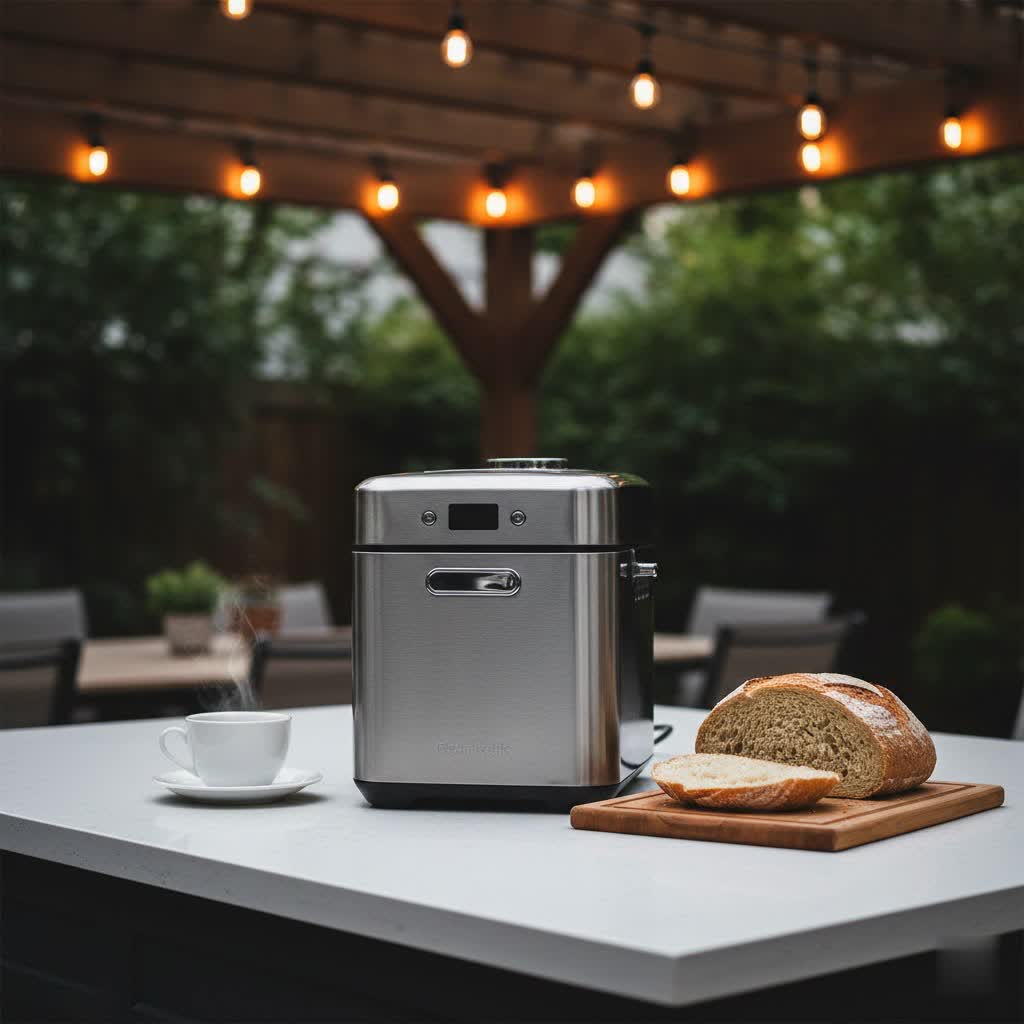
Understanding the Bread Maker and Sourdough Compatibility
A bread machine is an automatic kitchen appliance designed to streamline the bread-making process. It mixes, kneads, allows dough to rise, and bakes, all within a single pan. Historically, these machines were primarily for basic yeasted breads. However, the technology has evolved, and many contemporary models now feature specialized settings and precise controls that cater to the unique requirements of sourdough.
Sourdough relies on a natural leavening agent – a “starter” – which ferments the dough over a longer period than commercial yeast. This extended fermentation is crucial for developing sourdough’s complex flavors and characteristic open crumb. While traditional bread machines with fixed, shorter cycles might struggle with purely naturally leavened sourdough, newer models are equipped to handle the slower pace and delicate conditions needed. These machines can manage different types of dough, from simple white bread to gluten-free options and even jams, making them a versatile addition to any kitchen.
Why Choose a Bread Maker for Your Sourdough Journey?
Opting for a bread maker to create your sourdough offers several compelling advantages, especially if you’re looking to simplify your baking routine.
First and foremost, a bread maker provides unparalleled convenience and saves time. The machine automates the most labor-intensive parts of bread making, such as mixing and kneading, and often the initial rise. This drastically reduces the hands-on time required, allowing you to enjoy delicious homemade sourdough even on busy weekdays.
Many advanced bread machines offer extensive customization and control, enabling you to precisely adjust knead times, multiple rise times, and even rising temperatures. This level of control is vital for sourdough, as its fermentation can be sensitive to environmental factors and requires longer proofing periods than conventional yeast breads.
Furthermore, the consistent and controlled environment within a bread machine can lead to more predictable baking results. Factors like ambient temperature and humidity, which can be challenging to control in traditional baking, are managed by the machine, helping ensure your sourdough rises consistently and bakes evenly. This consistency means less guesswork and more reliably perfect loaves. You also gain peace of mind from knowing exactly what goes into your bread, ensuring hygiene and food safety for your family. Ultimately, the biggest reward is the ability to enjoy freshly baked, warm sourdough straight from your own kitchen.
How to Select the Perfect Sourdough Bread Maker
Choosing the right bread maker is paramount for sourdough success. Consider these factors to find a machine that aligns with your baking ambitions.
Assessing Your Sourdough Needs
|
Our Picks for the Best Bread Maker in 2026
As an Amazon Associate I earn from qualifying purchases.
|
||
| Num | Product | Action |
|---|---|---|
| 1 | MERIOR 25-IN-1 Bread Maker with Visible Lid - 2lb Automatic Machine, Auto Nut Dispenser, 13-Hour Delay Timer, One-Touch Control & Recipes – Easy Operation, High Success for Homemade Bread |

|
| 2 | KITCHENARM 29-in-1 SMART Bread Machine with Gluten Free Setting 2LB 1.5LB 1LB Bread Maker Machine with Homemade Cycle - Stainless Steel Breadmaker with Recipes Whole Wheat Bread Making Machine |
|
| 3 | Elite Gourmet Programmable Bread Maker, 2 lb Loaf, 3 Sizes, 19 Presets incl. Gluten-Free, Dough & Jam, Delay Timer, Black |
|
| 4 | Cuisinart Bread Maker Machine, Stainless Steel Convection Bread Machine with 16 Menu Options, 3 Loaf Sizes Up to 2 Lb., 3 Crust Colors, Includes Measuring Cup, Spoon & Kneading Hook, CBK-210 |
|
| 5 | 2LB Bread Maker Machine, OSIPOTO 17 in 1 Automatic Stainless Steel Bread Machine, Non-stick, Beginner-Friendly Controls, 15 Hour Timer, Easy to Clean Low Noise, High Success Rate for Homemade Bread |
|
| 6 | Neretva Bread Maker, 20-in-1 2LB Bread Machine Dual Heater & Nonstick Ceramic Pan Bread Makers Machine All Metal Compact for Gluten Free/Dough Maker/Meat Floss/Jam/Yogurt/Breadmaker Recipe-Light Green |
|
| 7 | KBS Pro 710W 2LB Bread Maker, Stainless Steel 17-in-1 Smart Bread Machine with Healthy Ceramic Pan, Automatic Nut Dispenser, Tempered Glass Touch Panel, 3 Crust Colors, 15H Timer& Keep-Warm, Recipes |
|
| 8 | Cuisinart Bread Maker Machine, Stainless Steel Automatic Bread Machine with 12 Menu Options, 3 Loaf Sizes up to 2 Lb., 3 Crust Colors, Removable Nonstick Baking Pan & Kneading Paddle, CBK-110NAS |
|
| 9 | Neretva Bread Maker, 20-IN-1 2LB Bread Machine Dual Heater Bread Maker Machine Automatic with Nonstick Ceramic Pan, 15H Timer & 1H Keep Warm Set, Low Noise, Stainless Steel Breadmaker Recipe-Green |
|
| 10 | KBS Premium 2LB Convection Bread Maker Dual Heaters, 710W Stainless Steel 17-in-1 Bread Machine Healthy Ceramic Pan, Nut Dispenser,Touch Panel, 3 Loaf Sizes 3 Crust Colors, 15H Timer,Low Noise,Recipes |
|
Before diving into features, think about your personal baking habits. Are you a beginner just starting your sourdough adventure, perhaps experimenting with recipes that combine starter with a touch of commercial yeast for a more forgiving rise? Or are you an experienced baker aiming for purely naturally leavened loaves with long fermentation periods? Your experience level and desired sourdough style will influence the machine features you prioritize.
Also, consider your loaf preferences. Bread machines typically produce a standard rectangular sandwich loaf. If you desire the rustic, round shape and deeply scored crust of an artisan boule, you might use the bread maker for the dough cycle and finish baking in a conventional oven. Your budget is another practical consideration, as machines range from basic, affordable models to high-end appliances with extensive features.
Essential Features for Sourdough Success
For sourdough, specific features can significantly enhance your experience:
- Sourdough Specific Programs: Look for machines with dedicated “sourdough,” “artisan,” or “crusty loaf” settings. These programs are designed with longer proofing times and specific temperature profiles that cater to sourdough’s natural fermentation.
- Customizable Cycles: The ability to manually program knead, rise, and bake times is invaluable. This allows you to tailor cycles to your sourdough starter’s activity and specific recipes, especially those relying solely on natural leavening.
- Temperature Control: Consistent warmth is crucial for an active sourdough starter. Machines with precise temperature control create an ideal environment for fermentation, especially in cooler climates.
- Dual Kneading Paddles: Models like the Zojirushi Virtuoso Plus often feature dual paddles, which are known for better dough development, especially for larger loaves, and contribute to a more consistent crumb structure.
- Capacity: Bread makers come in various capacities, typically making 1, 1.5, or 2-pound loaves, with some larger models accommodating up to 3 pounds. Choose a size that suits your household’s needs.
- Automatic Dispensers: While not critical for basic sourdough, an automatic fruit and nut dispenser can be a nice bonus if you enjoy adding mix-ins to your loaves.
Top Brands for Sourdough Bread Makers
Several brands stand out for their sourdough capabilities:
- Zojirushi: The Zojirushi Home Bakery Virtuoso Plus (BB-PDC20) is frequently highlighted as a top-tier choice. It features a dedicated sourdough starter function, long rise times, precise temperature control, and dual kneading paddles, consistently producing professional-quality loaves.
- Breville: The Breville Custom Loaf Bread Maker (BBM800XL) is praised for its extensive customization options and a specialized “Crusty Loaf” feature, allowing bakers to fine-tune every aspect of the baking process.
- Panasonic: Models such as the Panasonic SD-YR2550 or SD-2511K often include specific modes for “Rustic Sourdough” and “Artisan” bread, along with useful features like fruit and nut dispensers.
- KitchenArm: The KitchenArm 29-in-1 Smart Bread Machine offers a budget-friendly option with specific settings for sourdough starter and bread, making it accessible for beginners.
- Cuisinart: The Cuisinart Compact Automatic Bread Maker (CBK-200) is another budget-conscious choice. While it may require manual adjustments for sourdough, its “dough-only” and “bake” programs can be adapted for good results.
Navigating the Sourdough Bread Machine Cycle
Making sourdough in a bread machine, whether using a dedicated program or customizing cycles, involves understanding a few key principles.
Preparation is key. Always start with an active sourdough starter. An unfed or sluggish starter will result in a poor rise. Ensure your ingredients are measured accurately, ideally by weight, as sourdough hydration is critical.
If your bread machine offers preset sourdough cycles, follow the manufacturer’s instructions closely. These programs are designed to provide the necessary longer rise times and temperature conditions. For machines without a specific sourdough setting, you’ll need to use the “dough” cycle and potentially other customizable options.
For purely naturally leavened sourdough, customizing cycles is essential. You’ll want to program extended times for kneading, a long primary rise (bulk fermentation), and a secondary rise before baking. Some recipes might call for an autolyse (a rest period after mixing flour and water but before adding salt and starter) which can be mimicked by a short mix and then a rest in the machine. As master baker Peter Reinhart once said, “Time and fermentation do what no amount of kneading can achieve.” This perfectly encapsulates why longer proofing times are so vital for sourdough.
One common difference with bread machine sourdough is the crust. Bread machines, due to their contained environment and lower baking temperatures, typically produce a softer crust compared to oven-baked sourdough. If a crisp, dark crust is your priority, consider using the machine’s “dark crust” setting or, ideally, using the bread machine for the dough cycle and then baking the shaped loaf in a preheated Dutch oven in a conventional oven. This method gives you the best of both worlds: machine convenience for dough preparation and oven-baked quality for the crust.
Finally, remember to remove the kneading paddle after the last knead cycle and before the final rise/bake. This prevents a large hole from appearing at the bottom of your finished loaf.
Sourdough Recipes for Your Bread Maker
Here’s a basic approach to making sourdough sandwich bread in your bread machine, drawing on simplified methods that prioritize ease.
Basic Sourdough Bread Machine Recipe
This recipe is designed for ease and assumes you have an active sourdough starter.
Ingredients:
- 1/2 cup (120g) active sourdough starter
- 3/4 cup (180g) water, lukewarm
- 3 cups (360g) bread flour (or all-purpose flour)
- 1 tsp (6g) salt
Instructions (Using Dough Cycle + Oven Bake for Crust):
- Add Ingredients: Place wet ingredients (water, starter) into the bread machine pan first, followed by dry ingredients (flour, salt).
- Dough Cycle: Select the “Dough” cycle on your bread machine and let it run completely. This cycle typically kneads and performs an initial rise.
- Extended Rise: Once the dough cycle finishes, the sourdough will need more time to rise than regular yeast dough. Allow it to do a second rise for an additional 2-4 hours directly in the bread machine, or until it has nearly doubled in volume. For a more pronounced sour flavor, you can cover the pan and cold ferment the dough in the fridge overnight.
- Shape & Prepare for Oven: Gently remove the dough from the bread machine pan onto a lightly floured surface. Shape it into a smooth ball or desired loaf shape. Line a Dutch oven with parchment paper and carefully place the dough inside.
- Final Proof: Cover the Dutch oven with its lid and let the dough rise for another 2-4 hours, or until it has almost doubled again.
- Bake: Preheat your oven to 450°F (230°C). Once preheated, reduce the oven temperature to 400°F (200°C). Score the top of your dough with a sharp knife or lame. Place the covered Dutch oven into the preheated oven and bake for 25 minutes.
- Crisp the Crust: Remove the lid from the Dutch oven and bake for another 20 minutes at 400°F (200°C) until the crust is golden brown and crisp.
- Cool & Enjoy: Remove the bread from the oven and transfer it to a wire rack to cool completely before slicing. This is crucial for texture and flavor.
Instructions (Using Bread Machine Only – if it has a sourdough/artisan setting or custom cycle):
- Add Ingredients: Place wet ingredients (water, starter) into the bread machine pan first, followed by dry ingredients (flour, salt).
- Select Program: Choose your machine’s “Sourdough,” “Artisan,” or custom bread cycle programmed for longer rises. If only using a “Basic” cycle, consider adding 1/4 tsp of commercial yeast for a more reliable rise.
- Bake & Cool: Let the machine complete its cycle. Once baking is done, remove the loaf and let it cool completely on a wire rack before slicing.
Tips for Best Results
- Active Starter is Non-Negotiable: Ensure your sourdough starter is fed and very active (bubbly and doubled in size) before you begin.
- Consider Commercial Yeast: For standard bread machine cycles, a small amount of commercial yeast (e.g., 1/4 teaspoon) alongside your starter can help ensure a good rise due to the machine’s typically shorter fermentation times.
- Adjust Hydration: Sourdough dough can vary in consistency. Monitor your dough during the kneading cycle and adjust the flour-to-liquid ratio slightly if it’s too sticky or too dry.
- Don’t Overwork: While kneading is important, overworking sourdough can make it dense. Trust your machine’s cycles or manual kneads.
- Cold Fermentation for Flavor: If using the dough-only cycle, a cold ferment in the refrigerator for up to 24 hours after the initial rise can significantly deepen the sour flavor.
Troubleshooting Common Bread Maker Sourdough Issues
Even with the best bread makers, issues can arise. Here’s how to tackle common problems:
- Bread Doesn’t Rise: This is often due to an inactive sourdough starter, insufficient rise time for the starter to work its magic, or incorrect flour-to-liquid ratios. Double-check your starter’s activity and allow for longer proofing periods.
- Burnt Crust: Incorrect baking temperature or too long a baking time can cause this. Adjust your machine’s crust setting or baking duration. If baking in an oven, monitor closely.
- Dry Bread: Too little hydration in the dough or overbaking can lead to dry, dense bread. Ensure accurate measurements and consider a slightly higher hydration if your dough consistently turns out dry.
- Machine Malfunctions: Refer to your bread maker’s manual for specific troubleshooting steps. Basic checks include ensuring it’s plugged in correctly, the pan is properly seated, and the correct program is selected.
Maximizing Your Bread Maker for Sourdough
Investing in a bread maker for sourdough is about finding the right balance of automation and control. When purchasing, prioritize machines that offer programmable cycles and extended rise times if you’re serious about naturally leavened sourdough.
Don’t forget to read user reviews and community forums. Real-world experiences from other sourdough enthusiasts can provide invaluable insights into a machine’s actual performance. Many online communities, like those on King Arthur Baking, offer a wealth of advice and shared experiences. Finally, always consider the warranty and customer support offered by the manufacturer, as this can be a lifesaver if you encounter any issues.
Conclusion
The journey of baking sourdough with a bread maker is a rewarding one, bridging the timeless appeal of artisan bread with modern kitchen convenience. By understanding the unique needs of sourdough and selecting a machine with the right features—especially customizable cycles and temperature control—you can achieve delicious, tangy loaves with significantly less effort. This guide has equipped you with the knowledge to choose wisely, troubleshoot effectively, and bake confidently. Embrace the joy of effortless sourdough baking and transform your home into a fragrant bakery.
What unique sourdough creation will you bake first in your new bread maker?
Frequently Asked Questions
Can bread machines effectively make sourdough bread?
Absolutely, bread machines can effectively make sourdough bread, particularly models offering programmable settings. For optimal results, the process usually involves mixing ingredients until the dough forms, an autolyse rest, and then kneading until smooth.
What features are essential for a sourdough bread machine?
Essential features include specialized sourdough programs or, crucially, customizable settings for kneading, extended rise times, and temperature control. Dual kneading paddles and adequate capacity are also beneficial for optimal dough development and loaf size.
Why do some sourdough recipes recommend finishing in a conventional oven?
Many recipes suggest baking sourdough in a conventional oven, often in a Dutch oven, after the bread machine handles the dough. This method allows for higher baking temperatures and a drier environment, which are key to developing the characteristic crispy, darker crust that is harder to achieve in a bread machine’s typically steamy environment.
Is making sourdough in a bread machine cheaper than buying it?
Yes, making your own sourdough bread at home using a bread machine is generally much cheaper than regularly purchasing artisan loaves from a bakery or grocery store. While there’s an initial investment in the machine and ingredients, the long-term savings are considerable, especially if you consume sourdough frequently.
How long does it take to make sourdough in a bread machine?
The total time to make sourdough in a bread machine can vary. While some basic recipes using commercial yeast alongside starter might take 3-4 hours, purely naturally leavened sourdough, especially with cold fermentation for flavor development, can take 8-9 hours for a same-day bake or up to 24 hours if incorporating an overnight fridge rise.
Can I make sourdough starter in a bread machine?
Some high-end bread machines, like the Zojirushi Home Bakery Virtuoso Plus, feature a dedicated “sourdough starter” function or a proofing setting that maintains a warm, consistent temperature. This can be used to help feed and activate your starter, providing an ideal environment for it to thrive.
