Imagine the irresistible aroma of freshly baked French bread wafting through your kitchen, its crust golden and crisp, its interior soft and airy. While the thought of baking such a masterpiece might seem daunting, requiring hours of kneading and precise timing, your bread maker can transform this culinary dream into a delightful reality. This comprehensive guide will navigate you through everything you need to know, from selecting the perfect bread maker to mastering the art of creating authentic French bread right in your own home. Get ready to impress your family and friends with warm, homemade loaves that capture the essence of a Parisian boulangerie, all with the incredible convenience your bread machine offers.
Understanding Your Bread Maker: An Overview
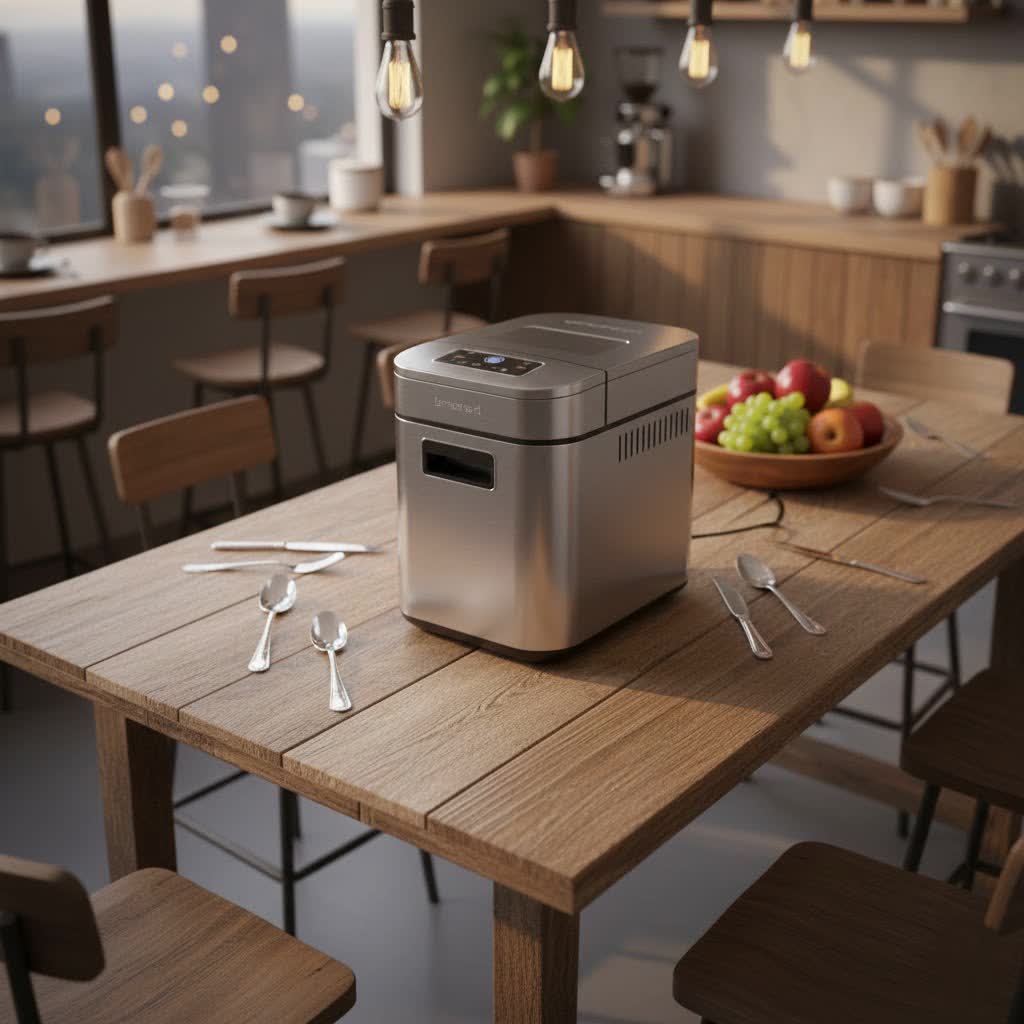
A bread maker is a countertop appliance designed to automate the process of baking bread. It combines the functions of mixing, kneading, rising, and often baking, all within a single pan. From its early iterations, which primarily produced simple sandwich loaves, the bread maker has evolved to include various programs that cater to a wide array of bread types, including complex lean doughs like French bread.
Modern bread makers typically come in two main designs: vertical, which produces a taller, squarer loaf, and horizontal, which yields a more traditional rectangular shape. They feature a non-stick pan with kneading paddles, a heating element, and a control panel with various settings. For French bread, the machine’s ability to handle “lean doughs”—those with minimal or no fat and sugar—is crucial. This characteristic allows the dough to develop the specific gluten structure needed for French bread’s distinctive texture.
Why Use a Bread Maker for French Bread?
Embracing your bread maker for French bread goes beyond mere convenience; it unlocks a host of benefits that make homemade baking accessible and enjoyable.
- Convenience and Time-Saving: The most apparent advantage is the significant reduction in active preparation time. Your bread maker handles the laborious kneading and the critical first rise, freeing you up for other tasks. This means you can wake up to fresh bread or have a warm loaf ready for dinner without being tied to the kitchen.
- Easy Customization and Healthier Options: By making your own French bread, you gain complete control over the ingredients. You can choose organic flours, adjust salt levels, or even experiment with different types of yeast, ensuring your bread meets your dietary preferences and health goals. This often results in a product free from preservatives and artificial additives found in store-bought options.
- Guaranteed Hygiene and Food Safety: Baking at home offers peace of mind regarding the cleanliness of your ingredients and equipment. You know exactly what goes into your bread and how it’s handled, providing a safe and wholesome product for your family.
- Unrivaled Freshness: There’s simply no substitute for the taste and texture of bread baked just hours, or even minutes, before consumption. Homemade French bread offers a delicate balance of a crisp crust and a tender, airy interior that is simply unparalleled by pre-packaged alternatives.
Choosing the Right Bread Maker for French Bread
Selecting the ideal bread maker is key to your French bread success. Consider these factors to find a machine that aligns with your baking aspirations.
Determine Your Baking Needs
|
Our Picks for the Best Bread Maker in 2026
As an Amazon Associate I earn from qualifying purchases.
|
||
| Num | Product | Action |
|---|---|---|
| 1 | Elite Gourmet Programmable Bread Maker, 2 lb Loaf, 3 Sizes, 19 Presets incl. Gluten-Free, Dough & Jam, Delay Timer, Black |

|
| 2 | KITCHENARM 29-in-1 SMART Bread Machine with Gluten Free Setting 2LB 1.5LB 1LB Bread Maker Machine with Homemade Cycle - Stainless Steel Breadmaker with Recipes Whole Wheat Bread Making Machine |
|
| 3 | KBS Premium 2LB Convection Bread Maker Dual Heaters, 710W Stainless Steel 17-in-1 Bread Machine Healthy Ceramic Pan, Nut Dispenser,Touch Panel, 3 Loaf Sizes 3 Crust Colors, 15H Timer,Low Noise,Recipes |
|
| 4 | MERIOR 25-IN-1 Bread Maker with Visible Lid - 2lb Automatic Machine, Auto Nut Dispenser, 13-Hour Delay Timer, One-Touch Control & Recipes – Easy Operation, High Success for Homemade Bread |
|
| 5 | Neretva Bread Maker, 20-in-1 2LB Bread Machine Dual Heater & Nonstick Ceramic Pan Bread Makers Machine All Metal Compact for Gluten Free/Dough Maker/Meat Floss/Jam/Yogurt/Breadmaker Recipe-Light Green |
|
| 6 | Neretva Bread Maker, 20-IN-1 2LB Bread Machine Dual Heater Bread Maker Machine Automatic with Nonstick Ceramic Pan, 15H Timer & 1H Keep Warm Set, Low Noise, Stainless Steel Breadmaker Recipe-Green |
|
| 7 | 2LB Bread Maker Machine, OSIPOTO 17 in 1 Automatic Stainless Steel Bread Machine, Non-stick, Beginner-Friendly Controls, 15 Hour Timer, Easy to Clean Low Noise, High Success Rate for Homemade Bread |
|
| 8 | Cuisinart Bread Maker Machine, Stainless Steel Convection Bread Machine with 16 Menu Options, 3 Loaf Sizes Up to 2 Lb., 3 Crust Colors, Includes Measuring Cup, Spoon & Kneading Hook, CBK-210 |
|
| 9 | KBS Pro 710W 2LB Bread Maker, Stainless Steel 17-in-1 Smart Bread Machine with Healthy Ceramic Pan, Automatic Nut Dispenser, Tempered Glass Touch Panel, 3 Crust Colors, 15H Timer& Keep-Warm, Recipes |
|
| 10 | Cuisinart Bread Maker Machine, Stainless Steel Automatic Bread Machine with 12 Menu Options, 3 Loaf Sizes up to 2 Lb., 3 Crust Colors, Removable Nonstick Baking Pan & Kneading Paddle, CBK-110NAS |
|
First, assess how often you plan to bake and for whom. If you’re baking primarily for a small family or personal consumption, a standard 1.5 to 2-pound capacity machine might suffice. For larger families or if you entertain frequently, a 2.5 to 3-pound capacity machine could be more suitable. Also, think about whether French bread will be your main focus or if you wish to explore a wide variety of other bread types, as this will influence the range of programs you need. Budget is also a practical consideration; bread makers are available across a spectrum of price points, offering varying features.
Essential Features to Look For
When it comes to making French bread, certain features are more valuable than others:
- Dedicated Dough Cycle: This is arguably the most crucial feature. Most bread makers excel at mixing and kneading, and their “Dough” cycle provides the perfect environment for the first rise. This allows you to remove the dough, shape it into traditional baguettes or bâtards, and bake it in a conventional oven, which is often recommended for achieving that signature crispy French bread crust.
- Dedicated “French” Setting: Some advanced bread machines offer a specific “French” bread program. This setting typically adjusts the kneading, rising, and baking times to suit the lean dough, often resulting in a lighter crust. While convenient, some bakers prefer the oven for a truly artisan crust.
- Capacity and Loaf Size Options: Ensure the machine can produce a loaf size appropriate for your needs. Many offer 1, 1.5, and 2-pound options.
- Durability and Material: Look for machines with robust construction and a non-stick bread pan that is easy to clean. Stainless steel exteriors often offer better durability and aesthetics.
- Delay Timer: A delay timer is a fantastic feature, allowing you to add ingredients in the evening and wake up to freshly made dough or a baked loaf in the morning.
Reputable Bread Maker Brands
Several brands consistently receive high marks for their bread makers, many of which are excellent for French bread:
- Zojirushi: Known for premium quality and consistent results, especially their horizontal loaf models which are ideal for a more traditional bread shape. Many Zojirushi models come with excellent dough cycles.
- Breville: Often lauded for versatility and intelligent features like collapsible paddles and automatic ingredient dispensers. Their “Custom Loaf” models offer extensive programmability.
- Panasonic: A solid choice, offering reliable performance and often incorporating nut/raisin dispensers.
- Cuisinart: Offers compact and user-friendly machines with a good range of pre-programmed settings, including “French” options on some models.
- Hamilton Beach & Oster: Good budget-friendly options that still provide reliable dough cycles and basic bread-making capabilities, making them great for beginners.
- Amazon Basics: A value-oriented choice that can offer a French loaf setting.
Comparing Popular Bread Makers for French Bread
Here’s a comparison of some popular bread makers, highlighting their suitability for making French bread:
| Brand/Model | Key Features (French Bread Focus) | Pros for French Bread | Cons | Price Range (Approx.) |
|---|---|---|---|---|
| Zojirushi Home Bakery Virtuoso Plus | Horizontal pan, dual paddles, “French” cycle | Excellent for dough development, consistent results, good crust control if baked in oven | Higher price point, larger footprint, can be noisy | $350 – $450 |
| Breville Custom Loaf Bread Maker | Collapsible paddle, auto dispenser, “French” setting, custom programs | Superior dough mixing, less paddle hole, versatile, great for complex recipes | Premium price, can be noisy | $300 – $400 |
| Cuisinart Compact Automatic Bread Maker | Compact design, “French/Italian” setting, 12 pre-programmed options | Good value, consistent results for dough, easy to clean, space-saving | Smaller capacity, crust may be softer if baked entirely in machine | $100 – $150 |
| Hamilton Beach Bread Maker Machine | Multiple settings including “French” and “Dough,” delay timer | Budget-friendly, good for beginners, easy to operate | Standard vertical loaf shape, less robust build | $70 – $120 |
| Oster Expressbake Bread Maker | 13 settings including “French” and “Dough,” Expressbake option | Affordable, quick bake option, good for basic French bread | Less premium feel, mixed reviews on durability | $60 – $100 |
“For the truly artisan French bread experience, use your bread maker for the dough cycle, then shape and bake in a very hot oven. The control over crust development is unmatched.” – Chef Antoine Dubois, Master Baker
Mastering Your Bread Maker: A Step-by-Step Guide for French Bread
Creating delicious French bread with your bread maker is a straightforward process, especially when utilizing the “Dough” cycle.
- Pre-baking Preparation: Ensure your bread machine’s pan and kneading paddles are clean and correctly installed. Gather all your ingredients and measure them precisely. It’s helpful to bring liquids to the ideal temperature.
- Ingredient Selection and Measurement:
- Water: Use lukewarm water (around 105-110°F or 40-43°C). Water that is too cold will inhibit yeast activity, while water that is too hot can kill it.
- Flour: Bread flour is often preferred for its higher protein content, which develops strong gluten, contributing to French bread’s chewy texture. All-purpose flour can work, but the texture might be slightly less airy.
- Yeast: Instant yeast or bread machine yeast is generally recommended as it can be added directly with other ingredients. If using active dry yeast, you might need to proof it first according to your recipe and machine’s instructions.
- Salt: Essential for flavor and controlling yeast activity.
- Optional Ingredients: A small amount of sugar can aid yeast activation and add a touch of flavor, though traditional French bread typically omits it. A tablespoon of olive oil can sometimes be added to the dough for easier handling and a slightly softer crumb.
- Loading Ingredients: Always follow your bread machine manufacturer’s instructions for the order of ingredients, as this can vary. A common method is: liquids first, then dry ingredients (flour, sugar, salt), with the yeast placed in a small well on top of the flour, keeping it separate from salt until mixing begins. This prevents the salt from prematurely interacting with and potentially harming the yeast.
- Setting the Machine: Select the “Dough” cycle on your bread machine. This cycle typically mixes, kneads, and provides the first rise for the dough, usually lasting between 1.5 to 2 hours. If your machine has a dedicated “French” bread setting, you can use that for a fully baked loaf, but be aware the crust may not be as crisp as oven-baked.
- Shaping and Second Rise (if using dough cycle): Once the dough cycle is complete, carefully remove the dough from the bread pan onto a lightly floured surface. Gently punch it down to release air, then divide it and shape it into your desired French bread forms (baguettes, bâtards, or rounds). Place the shaped loaves on a baking sheet (preferably a perforated French bread pan) and cover them loosely with a damp cloth or plastic wrap. Let them rise in a warm, draft-free place for another 30-60 minutes, or until doubled in size. Just before baking, you can score the tops of the loaves with a sharp knife or bread lame to allow for even expansion and create a classic appearance.
- Baking (if using dough cycle): Preheat your conventional oven to a high temperature, typically 400-450°F (200-230°C). For an even crispier crust, some bakers place a pan of hot water on the bottom rack of the oven to create steam. Bake for 20-30 minutes, or until the crust is deeply golden brown and sounds hollow when tapped. An optional egg wash (egg mixed with a little water) can be brushed on before baking for a shinier, richer-colored crust.
- Cooling and Storage: Immediately transfer the baked loaves to a wire rack to cool completely. Cooling is crucial, as it allows the internal structure of the bread to set. French bread is best enjoyed fresh on the day it’s baked, but can be stored wrapped in a clean towel or paper bag for a day, or frozen for longer storage.
Delicious French Bread Recipes for Your Bread Maker
Here are a few versatile recipes to get you started, utilizing the bread maker’s dough cycle for optimal results.
Classic Bread Machine French Bread
This recipe yields a light, airy interior with a perfect crust when baked in the oven.
- Ingredients:
- 1 ¼ cups warm water (105-110°F)
- 3 cups bread flour (or all-purpose flour)
- 1 ½ teaspoons salt
- 2 teaspoons instant yeast
- 1 tablespoon sugar (optional, for flavor/yeast activation)
- Instructions:
- Add water, sugar (if using), salt, flour, and yeast to the bread pan in the order recommended by your bread machine manufacturer.
- Select the “Dough” cycle and start the machine.
- Once the cycle is complete, remove the dough, shape it, let it rise, score, and bake in a preheated oven at 400°F (200°C) for 20-25 minutes until golden brown.
Whole Wheat French Bread
For a nuttier flavor and added fiber, substitute some of the white flour.
- Ingredients:
- 1 ¼ cups warm water
- 1 ½ cups bread flour
- 1 ½ cups whole wheat flour
- 1 ½ teaspoons salt
- 2 ¼ teaspoons instant yeast
- 1 tablespoon honey or brown sugar
- Instructions: Follow the same process as the Classic French Bread recipe. The whole wheat flour might result in a slightly denser loaf.
Garlic Herb French Bread
Add aromatic flavors to your homemade French bread.
- Ingredients:
- Use the Classic French Bread recipe ingredients.
- Add 2-3 cloves minced garlic (or 1 tsp garlic powder)
- Add 1-2 tablespoons dried herbs (e.g., Italian seasoning, oregano, rosemary)
- Instructions: Add the minced garlic and dried herbs to the bread pan along with the dry ingredients. Proceed with the “Dough” cycle, then shape, rise, and bake as usual. Alternatively, knead in the herbs and garlic by hand after the dough cycle.
Troubleshooting Common Bread Machine French Bread Issues
Even experienced bakers encounter challenges. Here’s how to tackle common problems when making French bread with your bread maker.
- Bread Not Rising: The most frequent culprit is inactive yeast. Ensure your yeast is fresh and not expired. Incorrect water temperature (too hot or too cold) can also kill or inhibit yeast. Make sure salt doesn’t directly contact the yeast in the pan before mixing begins, as salt can “burn” the yeast.
- Crust Not Crispy Enough: If you’re baking the bread entirely in the bread machine, the crust will generally be softer due to the enclosed environment. To achieve a truly crispy crust, always use the “Dough” cycle and finish baking in a conventional oven, ideally with some steam created by a tray of hot water.
- Dense or Heavy Texture: This can be caused by too much flour, not enough liquid, or insufficient rising time. Check your measurements carefully, ensuring you’re using proper measuring techniques. If the dough appears too dry during the kneading cycle, you can add a tablespoon of water at a time.
- Irregular Shape or Hole at Bottom: If you bake the loaf fully in the bread machine, the kneading paddles will often leave a hole or indent at the bottom. Some premium machines have collapsible paddles to minimize this. For a uniform shape, use the dough cycle, remove the dough, hand-shape it, and bake in your conventional oven.
Where to Buy a Bread Maker
Bread makers are widely available through various retail channels, both online and in physical stores.
- Online Retailers: Websites like Amazon, Walmart, and Target offer a vast selection of bread makers from various brands, often with competitive pricing and customer reviews.
- Electronics Stores: Major electronics retailers such as Best Buy or specific kitchen appliance stores typically stock a range of bread makers.
- Department Stores: Home goods sections of department stores often carry popular bread maker models.
- Brand Websites: You can also purchase directly from manufacturer websites like Zojirushi, Breville, or Cuisinart, which might offer exclusive models or bundles.
The Ultimate Bread Maker Buying Guide
Making an informed decision when purchasing a bread maker will ensure you get a machine that meets your French bread ambitions and other baking needs.
- Factors to Consider:
- Budget: Determine how much you’re willing to spend. Entry-level models can be highly effective for dough making, while high-end machines offer more features and programs.
- Size and Footprint: Consider your kitchen counter space and storage availability. Compact models are great for smaller kitchens.
- Key Features for French Bread: Prioritize a robust “Dough” cycle. A “French” bread program is a bonus, but not strictly necessary if you plan to oven-bake for crust.
- Loaf Size Options: Match the capacity to your household’s needs (e.g., 1.5 lb, 2 lb, 2.5 lb).
- Brand Reputation: Stick to well-known brands that have positive reviews for durability and performance.
- Reading User Reviews: Always consult customer reviews on retail sites. These provide invaluable real-world insights into a machine’s performance, ease of use, and common issues. Pay attention to comments specifically related to “dough” cycles or “French” bread.
- Warranty and Return Policy: Check the manufacturer’s warranty and the retailer’s return policy. This offers protection in case of defects or if the machine doesn’t meet your expectations.
Conclusion
The journey to creating perfect homemade French bread is more accessible than ever, thanks to the convenience and efficiency of modern bread makers. By understanding the unique capabilities of your machine, selecting the right ingredients, and embracing techniques like using the dough cycle for oven-baking, you can consistently achieve loaves with the desired crisp crust and tender, airy interior. This ultimate guide equips you with the knowledge to transform simple ingredients into a culinary delight, bringing the authentic taste of France directly to your table.
Ready to embark on your French bread baking adventure? What delightful French bread variation will you try first with your trusty bread maker?
Frequently Asked Questions
Can I bake French bread entirely in a bread machine?
Yes, many bread machines have a dedicated “French” setting that will handle the entire baking process. However, for a truly crispy, traditional French bread crust, it is often recommended to use the “Dough” cycle and then remove, shape, and bake the loaves in a conventional oven.
What’s the difference between bread flour and all-purpose flour for French bread?
Bread flour has a higher protein content than all-purpose flour, leading to stronger gluten development. This results in a chewier texture and better structure, which are desirable characteristics for French bread. While all-purpose flour can be used, bread flour generally yields a more authentic texture.
How do I get a crispy crust on bread machine French bread?
The best way to achieve a crispy crust is to use your bread machine’s “Dough” cycle for mixing and initial rising, then remove the dough, shape it, and bake it in a preheated conventional oven. Baking at high temperatures (400-450°F) and even adding a pan of hot water for steam can enhance crust crispness.
Can I use active dry yeast instead of bread machine yeast?
Yes, active dry yeast can be used, but it typically needs to be proofed (dissolved in warm water for 5-10 minutes until foamy) before being added to the other ingredients. Bread machine yeast (also known as instant yeast) can usually be added directly to the bread pan without proofing.
How long does homemade French bread last?
Homemade French bread is best enjoyed on the day it’s baked for optimal freshness and crust crispness. It can be stored wrapped in a clean towel or paper bag at room temperature for up to 1-2 days, though the crust will soften. For longer storage, you can freeze wrapped loaves for a few weeks and reheat them.
