The allure of freshly baked naan, with its soft, chewy texture and irresistible aroma, is undeniable. While often considered a culinary feat reserved for traditional tandoor ovens or experienced bakers, creating this beloved Indian flatbread at home can be surprisingly simple and rewarding, especially with the help of a bread maker. Imagine skipping the laborious kneading and messy cleanup, letting a machine handle the heavy lifting while you anticipate warm, fluffy naan straight from your kitchen. This comprehensive guide will walk you through everything you need to know to transform your bread maker into a naan-making powerhouse, from understanding its origins to mastering the perfect dough and cooking techniques.
Bread Makers: An Overview
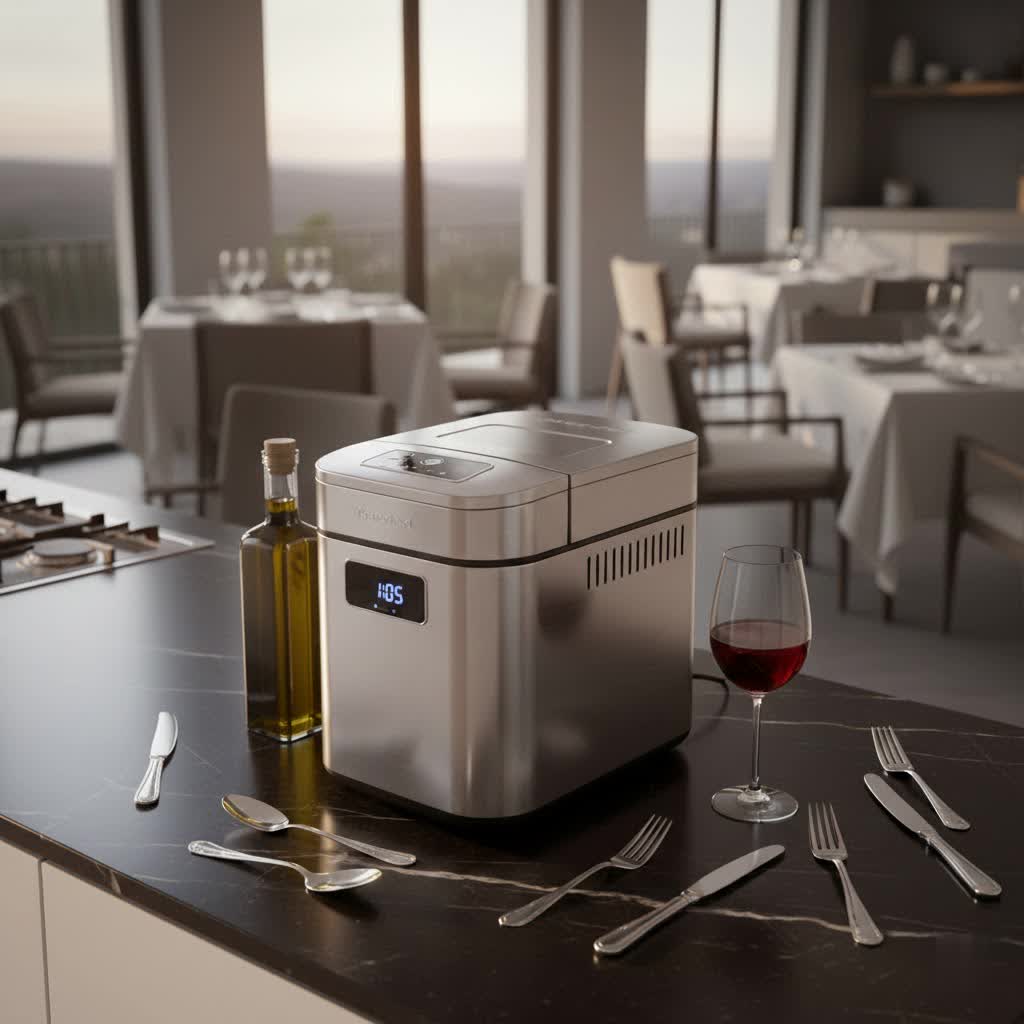
A bread maker is a versatile kitchen appliance designed to automate the process of making bread. These machines typically handle mixing, kneading, rising, and sometimes even baking, significantly reducing the hands-on effort required for homemade loaves. For recipes like naan, the “dough” cycle is a game-changer, efficiently preparing the dough so you can shape and cook it using traditional methods.
Naan itself is a leavened flatbread with a rich history, tracing its origins back to Persia (modern-day Iran) before being introduced to India by Mughal emperors in the 16th century. Historically, it was baked at extremely high temperatures in a tandoor, a cylindrical clay oven, which imparts its signature smoky flavor and slightly charred, blistered exterior. The word “naan” simply means “bread” in Persian, reflecting its fundamental role in many culinary traditions. While your bread maker won’t replicate a tandoor, it provides the perfect foundation for achieving deliciously authentic results.
Modern bread makers come in various capacities, typically ranging from 1 to 2.5 pounds, and offer numerous pre-programmed settings. For naan, any machine with a dedicated “dough” cycle will suffice, as it focuses solely on mixing and kneading the ingredients to the ideal consistency for subsequent shaping and cooking.
Why Use a Bread Maker for Naan?
Embracing a bread maker for your naan-making adventures offers a multitude of benefits that cater to both novice and experienced bakers alike:
- Unmatched Convenience and Time-Saving: The most significant advantage is the drastic reduction in hands-on time. Traditional naan recipes require extensive kneading to develop gluten, which can take 15-20 minutes or more. A bread maker automates this process entirely, requiring only a few minutes to add ingredients, saving you considerable effort and allowing you to focus on other meal preparations.
- Consistent Results Every Time: Bread makers are designed for precision. They provide consistent kneading action and optimal temperature control during the rise cycles, which leads to a perfectly developed dough structure. This consistency minimizes variables, helping you achieve fluffy and uniform naan batch after batch.
- Effortless Customization: While the machine handles the mechanics, you remain in complete control of the ingredients. This allows for easy experimentation with different flours, adding herbs like garlic or cilantro, or incorporating unique spices to create personalized naan variations.
- Superior Freshness and Flavor: Nothing compares to the taste and aroma of freshly made bread. Using a bread maker to prepare naan dough ensures you can enjoy warm, soft, and flavorful flatbreads right out of the skillet or oven, free from preservatives found in store-bought alternatives.
Using a bread maker simplifies the initial, most labor-intensive steps, making the joy of homemade naan accessible to everyone.
Choosing the Right Bread Maker for Naan
Selecting the ideal bread maker is crucial for consistent naan success. While many models perform well, consider these factors to ensure your machine is a perfect fit for flatbreads:
Determine Your Naan-Making Needs
Before diving into features, consider how you’ll use the machine:
- Frequency: If you plan to make naan regularly, investing in a robust model known for durability and consistent dough cycles might be wise. For occasional use, a more budget-friendly option could suffice.
- Batch Size: Bread makers typically have capacities from 1 to 2.5 pounds. A 1.5- to 2-pound machine is usually ideal for a family, yielding a good number of naan pieces per batch.
- Budget: Prices vary significantly. High-end models offer more features, but many mid-range and even budget options excel at dough preparation.
|
Our Picks for the Best Bread Maker in 2026
As an Amazon Associate I earn from qualifying purchases.
|
||
| Num | Product | Action |
|---|---|---|
| 1 | 2LB Bread Maker Machine, OSIPOTO 17 in 1 Automatic Stainless Steel Bread Machine, Non-stick, Beginner-Friendly Controls, 15 Hour Timer, Easy to Clean Low Noise, High Success Rate for Homemade Bread |

|
| 2 | Cuisinart Bread Maker Machine, Stainless Steel Convection Bread Machine with 16 Menu Options, 3 Loaf Sizes Up to 2 Lb., 3 Crust Colors, Includes Measuring Cup, Spoon & Kneading Hook, CBK-210 |
|
| 3 | Elite Gourmet Programmable Bread Maker, 2 lb Loaf, 3 Sizes, 19 Presets incl. Gluten-Free, Dough & Jam, Delay Timer, Black |
|
| 4 | KBS Pro 710W 2LB Bread Maker, Stainless Steel 17-in-1 Smart Bread Machine with Healthy Ceramic Pan, Automatic Nut Dispenser, Tempered Glass Touch Panel, 3 Crust Colors, 15H Timer& Keep-Warm, Recipes |
|
| 5 | Neretva Bread Maker, 20-in-1 2LB Bread Machine Dual Heater & Nonstick Ceramic Pan Bread Makers Machine All Metal Compact for Gluten Free/Dough Maker/Meat Floss/Jam/Yogurt/Breadmaker Recipe-Light Green |
|
| 6 | MERIOR 25-IN-1 Bread Maker with Visible Lid - 2lb Automatic Machine, Auto Nut Dispenser, 13-Hour Delay Timer, One-Touch Control & Recipes – Easy Operation, High Success for Homemade Bread |
|
| 7 | Cuisinart Bread Maker Machine, Stainless Steel Automatic Bread Machine with 12 Menu Options, 3 Loaf Sizes up to 2 Lb., 3 Crust Colors, Removable Nonstick Baking Pan & Kneading Paddle, CBK-110NAS |
|
| 8 | KITCHENARM 29-in-1 SMART Bread Machine with Gluten Free Setting 2LB 1.5LB 1LB Bread Maker Machine with Homemade Cycle - Stainless Steel Breadmaker with Recipes Whole Wheat Bread Making Machine |
|
| 9 | KBS Premium 2LB Convection Bread Maker Dual Heaters, 710W Stainless Steel 17-in-1 Bread Machine Healthy Ceramic Pan, Nut Dispenser,Touch Panel, 3 Loaf Sizes 3 Crust Colors, 15H Timer,Low Noise,Recipes |
|
| 10 | Neretva Bread Maker, 20-IN-1 2LB Bread Machine Dual Heater Bread Maker Machine Automatic with Nonstick Ceramic Pan, 15H Timer & 1H Keep Warm Set, Low Noise, Stainless Steel Breadmaker Recipe-Green |
|
Key Features to Consider for Naan
Focus on features that directly impact dough quality and usability for naan:
- Reliable Dough Cycle: This is paramount. Ensure the machine has a dedicated “Dough” setting, which will mix, knead, and allow the dough to rise without baking it. Some machines also have a “Pizza Dough” cycle, which often works equally well or even faster for naan.
- Capacity: As mentioned, a 1.5 to 2-pound capacity is usually sufficient for most home cooks. Larger capacities mean more naan per batch, but also a larger appliance footprint.
- User-Friendly Interface: Clear, intuitive controls and an easy-to-read display make operation smoother, especially when adjusting settings or checking dough progress.
- Durable and Easy-to-Clean Pan: Look for a non-stick bread pan that is robust and simple to remove and clean after use. While the machine only makes the dough for naan, a quality pan ensures easy dough removal.
Reputable Bread Maker Brands for Naan
While specific models come and go, certain brands consistently receive high marks for their reliability and performance in dough making:
- Panasonic: Often lauded for their quiet operation and consistent results, Panasonic bread makers are a top choice. Many models offer excellent dough cycles and durable construction.
- Cuisinart: Known for their sleek design and solid performance, Cuisinart bread makers are a popular mid-range option that typically features robust dough settings.
- Zojirushi: Considered a premium brand, Zojirushi machines are praised for their exceptional build quality and precise temperature control, leading to perfect dough every time.
- Budget-Friendly Options: Brands like Amazon Basics and Hamilton Beach offer more affordable models that can still deliver excellent naan dough, making them great entry points for new users.
When choosing, prioritize a machine with a proven track record for its dough cycle, as this is where its true value for naan preparation lies.
Comparing Popular Bread Makers for Naan
Choosing the right bread maker means finding one that excels in its dough cycle, offering consistent kneading and rising conditions. Here’s a comparative look at some popular options, highlighting their suitability for naan:
| Brand/Model | Capacity | Key Features for Naan | Price Range | Pros for Naan | Cons |
|---|---|---|---|---|---|
| Panasonic SD-B2510 | 1-2.5 lb | Dedicated Dough/Gluten-Free settings, delay timer | Mid-Premium | Quiet, consistent dough, excellent rise | Longer cycles for some programs |
| Cuisinart CBK-110 | 2 lb | 12 pre-programmed settings (incl. Dough), compact | Mid-range | Good dough consistency, space-saving design | Kneading can be a bit loud |
| Zojirushi Virtuoso Plus | 2 lb | Dual paddles for thorough kneading, custom settings, delay start | Premium | Superior kneading, extremely reliable dough | High price point, larger footprint |
| Amazon Basics 2-Pound Machine | 2 lb | 14 settings (incl. Dough), basic controls | Budget-friendly | Very affordable, performs well for dough | Fewer advanced features, less durable over time |
| Breville Custom Loaf | 1-2.5 lb | Collapsible paddle, automatic fruit/nut dispenser, smart settings | Premium | Advanced customization, excellent dough development | Very expensive, potentially overkill for just naan |
For naan specifically, the consistency of the dough and the reliability of the rise are paramount. Machines with dual paddles, like the Zojirushi, often produce exceptionally well-kneaded dough, which translates to a better naan texture. However, even budget-friendly options can deliver great results if the dough recipe is followed carefully.
Detailed Guide to Using Your Bread Maker for Naan
Making naan with your bread maker is a straightforward process once you understand the steps. The machine handles the initial labor, leaving you to the satisfying task of shaping and cooking.
1. Preparation: Gather Your Ingredients
Success begins with precise measurement and quality ingredients. For basic naan, you’ll need:
- Flour: All-purpose or bread flour works well. Bread flour may yield a slightly chewier naan due to higher protein content.
- Yeast: Active dry yeast or bread machine yeast (instant yeast) are common. If using active dry, ensure it’s fresh and proofed if recommended by the recipe.
- Warm Liquid: Water or milk (around 70-80°F / 21-27°C) to activate the yeast. Milk adds richness.
- Yogurt: Plain yogurt (not Greek, unless adjusted for consistency) is crucial for naan’s characteristic tang and tender texture.
- Sweetener: A touch of sugar or honey helps activate the yeast and adds a subtle sweetness.
- Fat: Oil (canola, vegetable, or olive) or softened butter for flavor and tenderness.
- Salt: Essential for flavor, but keep it separate from the yeast initially as it can inhibit activation.
- Optional Additions: An egg (room temperature) can add richness. Garlic, herbs, or spices can be mixed in.
2. Loading the Bread Pan
Always follow your bread maker’s manufacturer instructions for the order of ingredients, as this can impact yeast activation and dough development. A general guideline is:
- Liquids First: Pour warm water or milk, yogurt, oil/butter, and any egg into the bread pan.
- Dry Ingredients: Add flour, sugar, and salt. Create a small well in the center of the flour.
- Yeast Last: Carefully place the yeast in the well, ensuring it doesn’t come into direct contact with the salt or liquids initially.
3. Activating the Dough Cycle
- Place the bread pan securely in your bread maker.
- Select the “Dough” setting. Some machines might have a “Pizza Dough” setting, which also works well for naan and can be a shorter cycle.
- Press start. The machine will begin mixing and kneading.
4. Monitoring and Adjusting the Dough
- Check Consistency: About 5-10 minutes into the kneading cycle, check the dough. It should form a smooth, soft ball that pulls away from the sides of the pan.
- Too Wet/Sticky: If the dough is too wet and sticky, clinging to the sides or forming a sloppy mass, add flour one tablespoon at a time until the desired consistency is achieved. Open flour packages can absorb moisture, so this adjustment is common.
- Too Dry/Crumbly: If the dough appears too dry or crumbly and isn’t forming a cohesive ball, add warm water or milk one teaspoon at a time until it’s soft and pliable.
- The dough should feel slightly tacky but not sticky enough to leave a lot of residue on your fingers.
5. After the Dough Cycle
Once the dough cycle is complete (typically 1.5 to 2 hours), the dough will have risen beautifully.
- Remove and Divide: Gently remove the dough from the bread pan onto a lightly floured surface. The dough will be soft and elastic. Divide it into equal portions, typically 6-12 balls, depending on your desired naan size.
- Rest: Cover the dough balls with a clean kitchen towel and let them rest for 5-20 minutes. This allows the gluten to relax, making them easier to roll.
- Roll Out: On a lightly floured surface, use a rolling pin to flatten each ball into an oval or teardrop shape, about 1/8 to 1/4 inch thick. Don’t worry about perfect shapes – irregular naan is authentic!
6. Cooking the Naan
This is where the magic happens and the bread maker’s work shines.
- Skillet/Griddle Method (Recommended for Authentic Texture):
- Heat a cast-iron skillet, heavy-bottomed pan, or griddle over medium-high heat until it’s very hot (almost smoking).
- Lightly dampen one side of a rolled naan piece with water (this helps it puff).
- Place the wet side down onto the hot skillet. Cook for about 1 minute, or until bubbles form on the surface and the bottom has char spots.
- Flip the naan and cook for another 30 seconds to 1 minute, or until the other side is golden brown and blistered.
- Oven/Broiler Method:
- Preheat your oven to its highest setting (e.g., 500°F / 260°C) with a pizza stone or heavy baking sheet inside to heat up for at least 15-20 minutes.
- Place a rolled naan directly onto the hot stone/sheet. Bake for 2-3 minutes, or until puffed.
- For charring, you can briefly transfer it to the broiler for 30 seconds, watching carefully to prevent burning.
7. Finishing Touches and Serving
- As each naan is cooked, brush it immediately with melted butter or ghee. For extra flavor, you can infuse the butter with minced garlic or fresh cilantro.
- Stack the cooked naan and cover them with a clean, damp kitchen towel. This helps keep them soft and warm until serving.
- Serve hot with your favorite curries, dips, or as a side to any meal.
By following these steps, your bread maker will make homemade naan an accessible and enjoyable culinary adventure.
Delicious Naan Recipes for Your Bread Maker
The beauty of using a bread maker for naan lies in its versatility. Once you’ve mastered the basic dough, a world of flavorful variations opens up. Here are some recipes to get you started:
Basic Bread Maker Naan
This recipe provides a tender, pliable naan that’s perfect for any dish.
Ingredients:
- 1 cup warm water (70-80°F / 21-27°C)
- ½ cup plain yogurt (full-fat works best)
- 2 tablespoons olive oil or melted butter
- 1 large egg, room temperature (optional, for richness)
- 3 cups bread flour or all-purpose flour
- 2 tablespoons sugar
- 1 teaspoon salt
- 2 teaspoons active dry yeast or bread machine yeast
Instructions:
- Add ingredients to your bread maker pan according to the manufacturer’s suggested order (usually liquids first, then dry, then yeast).
- Select the “Dough” cycle and start the machine.
- Monitor the dough after 5-10 minutes of kneading. Adjust with a tablespoon of flour if too sticky, or a teaspoon of warm water if too dry, until a soft, pliable ball forms.
- Once the cycle completes, transfer the dough to a lightly floured surface.
- Divide into 8-10 equal portions and roll each into a thin oval or teardrop shape (about ¼ inch thick).
- Heat a cast-iron skillet or griddle over medium-high heat.
- Lightly dampen one side of each naan with water and cook, wet side down, for about 1 minute until bubbles appear. Flip and cook for another 30-60 seconds until golden brown and blistered.
- Brush with melted butter and serve immediately.
Garlic Naan
A perennial favorite, garlic naan adds a pungent, aromatic kick to your meal.
Ingredients:
- Follow the Basic Bread Maker Naan recipe.
- For Garlic Infusion: 3-4 cloves garlic, minced and lightly sautéed in 1 tablespoon of butter or oil (cool before adding to dough).
- For Garlic Butter Topping: ¼ cup melted butter mixed with 1-2 minced garlic cloves and 1 tablespoon fresh chopped cilantro (optional).
Instructions:
- Prepare the basic naan dough in your bread maker. If adding sautéed garlic to the dough, incorporate it with the liquids.
- After the dough cycle, roll and cook the naan as per the basic recipe.
- Once cooked, generously brush each warm naan with the prepared garlic butter topping.
- Garnish with fresh cilantro if desired.
Butter Naan
Simple yet incredibly satisfying, butter naan is rich and pairs beautifully with creamy curries.
Ingredients:
- Follow the Basic Bread Maker Naan recipe.
- For Topping: ½ cup melted unsalted butter or ghee.
Instructions:
- Prepare the basic naan dough in your bread maker, roll, and cook.
- Immediately after removing each naan from the skillet, generously brush it with melted butter or ghee.
- Stack and cover with a damp towel to keep warm and soft.
Sweet Naan (Peshwari-style inspired)
A delightful change of pace, perfect with tea or as a dessert.
Ingredients:
- Follow the Basic Bread Maker Naan recipe, but reduce sugar in dough to 1 tablespoon.
- For Filling: ½ cup desiccated coconut, ¼ cup finely chopped mixed nuts (almonds, pistachios), 2 tablespoons sugar, 1 tablespoon melted butter, 1 teaspoon cardamom powder (optional). Mix all filling ingredients.
Instructions:
- Prepare the basic naan dough in your bread maker.
- After the dough cycle, divide into 8 portions. Roll each portion into a small circle.
- Place a tablespoon of the sweet filling in the center of each dough circle. Gather the edges of the dough around the filling and pinch to seal, forming a ball.
- Gently flatten each filled ball with your hands, then use a rolling pin to roll it back into an oval or circle, being careful not to tear the dough.
- Cook on a hot skillet as per the basic recipe until golden and puffed.
- Brush with melted butter and serve warm.
These recipes showcase just a few ways your bread maker can elevate your naan game, bringing authentic flavors and textures to your home with minimal fuss.
Troubleshooting Common Bread Maker Naan Issues
Even with the convenience of a bread maker, occasional hiccups can occur when making naan. Understanding common problems and their solutions will help you achieve perfect flatbreads every time.
- Dough is too sticky or wet: This is a frequent issue, often due to high humidity, inaccurate liquid measurements, or using flour that has absorbed moisture from the air.
- Solution: During the initial kneading cycle (after about 5-10 minutes), open the lid and observe the dough. If it’s a very wet, gloopy mass clinging heavily to the sides, add one tablespoon of bread flour at a time, allowing the machine to mix it in fully before adding more. Aim for a soft, pliable ball that cleans the sides of the pan.
- Dough is too dry or crumbly: If your dough isn’t coming together or appears stiff and dry, it lacks sufficient liquid.
- Solution: Similarly, during the kneading phase, add warm water or milk, one teaspoon at a time, until the dough reaches a soft, elastic consistency and forms a smooth ball.
- Naan not puffing up: Authentic naan should puff and blister when cooked. If yours remain flat, several factors could be at play.
- Solution: Ensure your cooking surface (skillet, griddle, or oven stone) is very hot. The high heat is crucial for rapid steam production, which creates the characteristic pockets. Also, make sure the dough has had adequate resting time after rolling, and that it hasn’t been rolled too thin or too thick. Old or inactive yeast can also prevent proper rising.
- Naan is too tough or dense: This can happen if the dough is over-kneaded (unlikely with a bread maker’s pre-set cycle but possible if you restart it) or if the dough is too dry.
- Solution: Ensure the dough is soft and slightly tacky after kneading. Avoid adding too much flour during adjustments. After rolling, allow the dough pieces to rest for 5-10 minutes before cooking to relax the gluten, which will result in a more tender naan.
- Yeast not activating / Dough not rising: The most fundamental issue, leading to dense, flat naan.
- Solution: Always use fresh yeast. Check the expiration date, and if in doubt, proof a small amount in warm water with a pinch of sugar. Ensure your liquid (water/milk) is warm, but not hot (above 130°F / 54°C will kill yeast) or cold (below 70°F / 21°C will slow it down). Keep salt separate from yeast in the bread pan until mixing begins.
By paying attention to your dough and making minor adjustments, you’ll quickly learn to anticipate and correct these common issues, leading to consistently delicious bread maker naan.
Where to Buy a Bread Maker for Naan Making
Acquiring a bread maker is the first step toward enjoying homemade naan with ease. These versatile appliances are widely available, both online and in physical stores.
- Online Retailers: Websites like Amazon, Walmart, Target, and the official brand websites (Panasonic, Cuisinart, Zojirushi, Breville) offer the widest selection, often with competitive pricing and detailed customer reviews. This allows you to compare models and features from the comfort of your home.
- Electronics and Home Appliance Stores: Large electronics chains and appliance stores typically carry a range of bread makers. Shopping in person allows you to see the machine’s size and build quality firsthand, and speak with sales associates for recommendations.
- Department Stores: Many department stores with home goods sections stock bread makers, especially during holiday seasons or sales events.
- Specialty Kitchen Stores: Stores dedicated to kitchenware might offer a curated selection of higher-end or unique bread maker models, often with knowledgeable staff.
When purchasing, always consider warranty and return policies. Reading recent customer reviews, especially those mentioning dough cycle performance, can provide valuable insights into a model’s suitability for naan making.
Bread Maker Naan Buying Guide
When you’re ready to invest in a bread maker specifically for making delicious naan, a few key considerations will guide you to the perfect appliance. This buying guide will help you navigate the options.
- Prioritize the “Dough” Cycle: Since you won’t be baking the naan in the machine, the quality and reliability of its “Dough” cycle are paramount. Look for reviews that specifically mention how well the machine mixes and kneads dough, particularly for sticky or softer doughs like naan. Some machines also feature a “Pizza Dough” setting, which often has a similar short rise time and intense kneading beneficial for flatbreads.
- Capacity for Your Needs: Bread makers come in various capacities, typically producing 1-pound, 1.5-pound, or 2-pound loaves. For naan, a 1.5 or 2-pound capacity is usually ideal, allowing you to make a sufficient batch of dough for several naan pieces without overloading the machine.
- Size and Countertop Footprint: Bread makers can be bulky. Measure your available kitchen counter space and storage before purchasing. Consider vertical vs. horizontal designs, as some fit better in tighter spaces.
- Ease of Use and Cleaning: An intuitive control panel and a non-stick bread pan that’s easy to remove and clean will significantly enhance your experience. While the machine won’t get as messy as when baking a full loaf, sticky dough can still leave residue.
- Brand Reputation and Reliability: Investing in a reputable brand often means better build quality, more consistent performance, and reliable customer support. Brands like Panasonic, Cuisinart, and Zojirushi are frequently recommended for their dough-making capabilities.
- Budget Considerations: Bread makers range from under $100 to several hundred dollars. Determine your budget and look for the best features within that price range. Remember, a higher price doesn’t always mean it’s better for your specific need (just dough making).
- Read User Reviews: Always consult recent customer reviews, especially those from users who make various doughs (pizza, rolls, flatbreads). Look for comments on dough consistency, kneading efficiency, and any common complaints or praise related to the dough cycle.
- Warranty and Customer Service: Check the manufacturer’s warranty and the availability of customer support. This is important for peace of mind, especially for a kitchen appliance you plan to use regularly.
By focusing on these factors, you can confidently choose a bread maker that will be a valuable asset in your kitchen, making homemade naan a delightful and convenient reality.
Conclusion
Embracing your bread maker for naan production opens up a world of culinary possibilities, bringing the joy of warm, homemade flatbreads to your table with remarkable ease. Gone are the days of strenuous kneading and lengthy cleanups; your bread maker handles the foundational work, leaving you to effortlessly shape and cook perfectly risen, tender naan. From its ancient origins in Persia to becoming a modern kitchen staple, naan’s journey is a testament to its enduring appeal. With the right bread maker and a few simple techniques, you can enjoy authentic flavors and textures that rival your favorite Indian restaurant.
So why wait? Unlock the convenience and satisfaction of making bread maker naan today. Experiment with different spices, garlic infusions, or sweet fillings, and discover your signature recipe.
What delicious curry or dip will you pair with your homemade bread maker naan first?
Frequently Asked Questions
Can I use whole wheat flour for bread maker naan?
Yes, you can substitute a portion of the all-purpose flour with whole wheat flour for a healthier, nuttier naan. Keep in mind that whole wheat flour absorbs more liquid and can result in a denser texture, so you might need to add a little extra water to achieve the desired dough consistency.
How long does bread machine naan dough take to make?
Typically, the “Dough” cycle on most bread machines takes approximately 1.5 to 2 hours. This includes the mixing, kneading, and the initial rise (or proofing) of the dough. The actual cooking time for rolling and pan-frying the naan is separate and relatively quick.
Can I freeze bread maker naan dough or cooked naan?
Absolutely! You can freeze the dough after the bread maker’s cycle is complete and it has had its first rise. Simply shape it into individual balls, lightly oil, and freeze in an airtight bag for up to a month. Thaw in the refrigerator, then proceed with rolling and cooking. Cooked naan can also be frozen and reheated in a skillet, oven, or air fryer.
What’s the best way to cook naan after the dough cycle?
For the most authentic texture and characteristic charring, cooking naan on a very hot cast-iron skillet or griddle is highly recommended. The intense heat causes the dough to puff up quickly, creating delightful pockets and a slightly crispy exterior. An oven preheated to its highest setting with a pizza stone can also work, followed by a quick broil.
Why is yogurt important in naan recipes?
Yogurt is a key ingredient in naan because it contributes to both its unique flavor and texture. The acidity in yogurt helps tenderize the dough, resulting in a softer, more pliable naan. It also adds a subtle tangy flavor that is characteristic of traditional naan.
