Are you tired of bland, store-bought pizza crusts or expensive takeout? Imagine a world where fresh, flavorful pizza dough is just a button press away, ready to transform into your favorite culinary masterpiece. The bread maker, often overlooked for its versatile dough-making capabilities, is your secret weapon for achieving homemade pizza perfection with minimal effort. This comprehensive guide will walk you through everything you need to know about crafting delicious pizza dough in your bread machine, from essential ingredients and settings to expert tips and troubleshooting.
The Bread Maker: Your Pizza Dough Secret Weapon
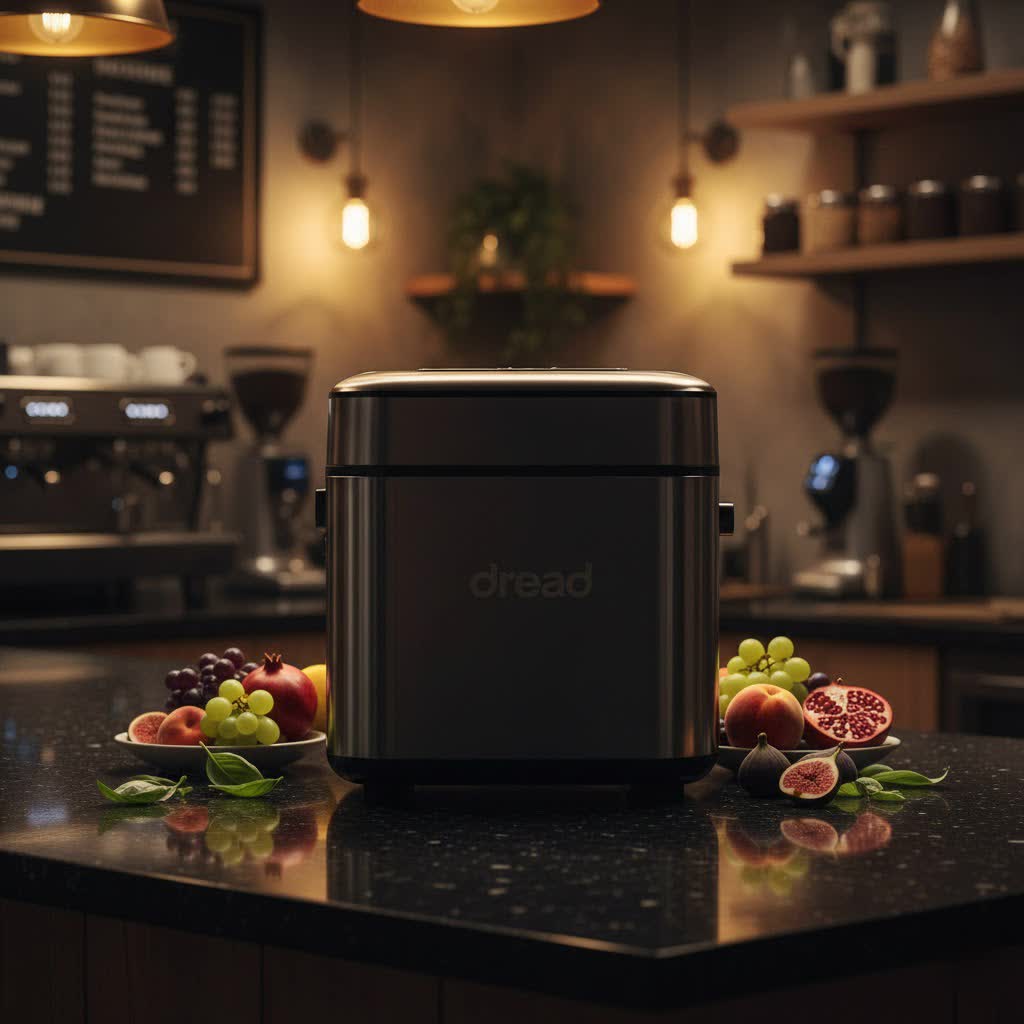
A bread maker is an incredibly convenient kitchen appliance designed to automate the process of making bread, from mixing and kneading to rising and sometimes even baking. While often associated with loaves of sandwich bread, its “dough” cycle is a true game-changer for various recipes, including pizza. Modern bread makers, a testament to culinary innovation, simplify what was once a labor-intensive process, making fresh dough accessible to everyone. Instead of hours of manual kneading and waiting, your bread maker handles the heavy lifting, delivering a perfectly risen, elastic dough base, ready for shaping and baking into your ideal pizza crust.
Why Choose a Bread Maker for Pizza Dough?
Opting for a bread maker to create your pizza dough offers a multitude of benefits, making it an increasingly popular choice for home cooks.
- Convenience and Time-Saving: The primary allure of a bread maker is its hands-off operation. Simply add your ingredients, select the “Dough” cycle, and let the machine do the arduous work of mixing, kneading, and the first rise. This frees up your time for other tasks, transforming what used to be a multi-hour commitment into an effortless process. You no longer need to stand over a counter, kneading dough for extended periods, making homemade pizza a feasible weeknight dinner option.
- Easy Customization and Healthier Options: Making your dough at home grants you complete control over ingredients. You can choose specific flours like whole wheat for added nutrition, adjust salt and sugar levels, or incorporate fresh herbs and spices for unique flavor profiles. This level of customization is impossible with pre-made dough, allowing you to cater to dietary needs or personal preferences for a healthier, more flavorful pizza.
- Ensured Food Safety and Freshness: When you make your pizza dough from scratch, you know exactly what goes into it. There are no hidden preservatives, artificial flavors, or unnecessary additives. The result is a genuinely fresh dough that translates into a superior-tasting pizza, far surpassing the quality of frozen or store-bought alternatives. The aroma of freshly made dough is also an unbeatable part of the home baking experience.
- Delicious Homemade Pizzas: Beyond the practical advantages, the ultimate reward is the taste. Bread Maker Pizza Dough creates a foundation for incredibly fresh, vibrant pizzas. The consistent kneading and rising provided by the machine contribute to a beautiful texture and flavor that elevates your homemade pizza nights.
Your Guide to Perfect Bread Maker Pizza Dough
Crafting perfect pizza dough in your bread maker is a straightforward process once you understand the core elements.
Essential Ingredients and Ratios
The foundation of any great pizza dough lies in a few simple ingredients, and the bread maker makes combining them a breeze. While specific recipes may vary, here’s a general guide:
- Warm Water: Typically, 1 to 1¼ cups, ideally between 100-110°F (38-43°C) to activate the yeast effectively. Some recipes may call for cool water if the dough cycle is longer, to prevent over-proofing.
- Olive Oil: About 1-3 tablespoons. This adds flavor, helps create a tender crust, and makes the dough easier to handle.
- Sugar: Usually 1 teaspoon to 1 tablespoon. Sugar feeds the yeast, aiding in activation and contributing to browning. Honey can be used as an alternative.
- Salt: Around 1-1½ teaspoons. Essential for flavor and regulating yeast activity. Ensure it doesn’t directly touch the yeast when adding to the pan.
- Flour: 2-3½ cups, depending on your desired yield and crust type.
- All-purpose flour: Provides a softer, more tender crust.
- Bread flour: With its higher protein content, bread flour yields a chewier, more substantial crust, which many prefer for pizza. Some recipes even combine all-purpose and whole wheat flour for added nutrition.
- Yeast: 1-2 teaspoons of instant yeast or bread machine yeast. These are designed to work efficiently in bread machines. If using active dry yeast, you might need a slightly longer rise time or activate it in warm water first.
|
Our Picks for the Best Bread Maker in 2026
As an Amazon Associate I earn from qualifying purchases.
|
||
| Num | Product | Action |
|---|---|---|
| 1 | Neretva Bread Maker, 20-IN-1 2LB Bread Machine Dual Heater Bread Maker Machine Automatic with Nonstick Ceramic Pan, 15H Timer & 1H Keep Warm Set, Low Noise, Stainless Steel Breadmaker Recipe-Green |

|
| 2 | KITCHENARM 29-in-1 SMART Bread Machine with Gluten Free Setting 2LB 1.5LB 1LB Bread Maker Machine with Homemade Cycle - Stainless Steel Breadmaker with Recipes Whole Wheat Bread Making Machine |
|
| 3 | MERIOR 25-IN-1 Bread Maker with Visible Lid - 2lb Automatic Machine, Auto Nut Dispenser, 13-Hour Delay Timer, One-Touch Control & Recipes – Easy Operation, High Success for Homemade Bread |
|
| 4 | Cuisinart Bread Maker Machine, Stainless Steel Convection Bread Machine with 16 Menu Options, 3 Loaf Sizes Up to 2 Lb., 3 Crust Colors, Includes Measuring Cup, Spoon & Kneading Hook, CBK-210 |
|
| 5 | KBS Premium 2LB Convection Bread Maker Dual Heaters, 710W Stainless Steel 17-in-1 Bread Machine Healthy Ceramic Pan, Nut Dispenser,Touch Panel, 3 Loaf Sizes 3 Crust Colors, 15H Timer,Low Noise,Recipes |
|
| 6 | Elite Gourmet Programmable Bread Maker, 2 lb Loaf, 3 Sizes, 19 Presets incl. Gluten-Free, Dough & Jam, Delay Timer, Black |
|
| 7 | Cuisinart Bread Maker Machine, Stainless Steel Automatic Bread Machine with 12 Menu Options, 3 Loaf Sizes up to 2 Lb., 3 Crust Colors, Removable Nonstick Baking Pan & Kneading Paddle, CBK-110NAS |
|
| 8 | KBS Pro 710W 2LB Bread Maker, Stainless Steel 17-in-1 Smart Bread Machine with Healthy Ceramic Pan, Automatic Nut Dispenser, Tempered Glass Touch Panel, 3 Crust Colors, 15H Timer& Keep-Warm, Recipes |
|
| 9 | Neretva Bread Maker, 20-in-1 2LB Bread Machine Dual Heater & Nonstick Ceramic Pan Bread Makers Machine All Metal Compact for Gluten Free/Dough Maker/Meat Floss/Jam/Yogurt/Breadmaker Recipe-Light Green |
|
| 10 | 2LB Bread Maker Machine, OSIPOTO 17 in 1 Automatic Stainless Steel Bread Machine, Non-stick, Beginner-Friendly Controls, 15 Hour Timer, Easy to Clean Low Noise, High Success Rate for Homemade Bread |
|
Choosing the Right Bread Maker Setting
Most bread makers come equipped with a dedicated “Dough” cycle, which is perfect for pizza.
- “Dough” Cycle: This standard setting typically involves a mixing phase, a kneading phase, and a single rise (proofing) cycle. The entire process usually takes between 1.5 to 2 hours, varying by machine. At the end of this cycle, the dough will be perfectly risen and ready for removal and shaping.
- “Pizza Dough” Cycle (if available): Some advanced bread makers offer a specific “Pizza Dough” setting. This cycle is often shorter than the general “Dough” setting, sometimes omitting a final punch-down or offering a different kneading/rising profile designed for optimal pizza crust texture. If your machine has this option, it’s worth experimenting with.
- General Tip: Always consult your bread maker’s manual. It will provide the exact recommended ingredient order and cycle times for optimal results with your specific model.
Step-by-Step Dough Preparation
Using your bread maker for pizza dough is remarkably simple.
- Load Ingredients: Following your bread maker’s manual, add the ingredients to the bread pan. A common order is liquids first (water, olive oil), followed by dry ingredients (flour, sugar, salt). Create a small well in the flour for the yeast, ensuring the yeast and salt do not come into direct contact, as salt can inhibit yeast activity.
- Select Cycle: Place the pan in the machine, close the lid, and select the “Dough” or “Pizza Dough” cycle. Press start.
- Monitor Dough (Optional but Recommended): After the first few minutes of mixing, lift the lid briefly to observe the dough. It should form a cohesive, elastic ball that cleans the sides of the pan.
- If it’s too wet and sticky, add flour one tablespoon at a time until the desired consistency is reached.
- If it’s too dry and crumbly, add warm water one teaspoon at a time.
- This initial adjustment ensures perfect dough texture.
- Allow Cycle to Complete: Let the bread maker complete its full cycle of mixing, kneading, and rising.
- Remove and Rest: Once the cycle finishes, carefully remove the dough from the bread pan onto a lightly floured surface. It will be soft, elastic, and doubled in size. Cover the dough loosely with a clean kitchen towel or plastic wrap and let it rest for 10-15 minutes. This allows the gluten to relax, making the dough easier to roll and shape.
- Shape and Bake: Your dough is now ready to be shaped, topped, and baked into a delicious pizza!
Common Bread Maker Pizza Dough Recipes
While the basic process remains consistent, you can adapt your bread maker pizza dough to suit various tastes and crust preferences.
Basic White Pizza Dough
This is the most common and versatile dough, perfect for any topping combination.
- Ingredients: 1 cup warm water, 2 tbsp olive oil, 1 tsp sugar, 1 tsp salt, 3 cups bread flour (or all-purpose), 1½ tsp instant yeast.
- Instructions: Follow the step-by-step guide above, using your machine’s “Dough” cycle. This yields a classic, tender yet chewy crust.
Whole Wheat Pizza Dough
For a healthier, nuttier flavor and denser texture, incorporate whole wheat flour.
- Ingredients: 1 cup warm water, 1 tbsp olive oil, 1 tsp honey or sugar, 1 tsp salt, 1½ cups bread flour, 1½ cups whole wheat flour, 1½ tsp instant yeast.
- Instructions: Mix as directed. Be aware that whole wheat flour absorbs more liquid, so you might need a tiny bit more water to achieve the right dough consistency. The crust will be heartier.
Herb-Infused Pizza Dough
Add a burst of Italian flavor directly into your crust.
- Ingredients: Use a basic white pizza dough recipe, and add 1-2 teaspoons of dried Italian seasoning (oregano, basil, garlic powder) along with the dry ingredients. You can also experiment with minced fresh garlic or dried rosemary.
- Instructions: The herbs will infuse throughout the dough during the kneading process, creating an aromatic base for your pizza.
Thin Crust vs. Thick Crust Considerations
The beauty of homemade dough is its adaptability.
- Thin Crust: After resting, divide the dough into two balls for two thinner pizzas. Roll or stretch the dough very thinly on a floured surface. Preheat your oven to a higher temperature (450-500°F / 230-260°C) and consider pre-baking the crust for 5-7 minutes before adding toppings to achieve maximum crispness.
- Thick Crust: Use the entire dough ball for one larger, thicker pizza. This will yield a chewier, breadier crust. A slightly lower baking temperature (400-425°F / 200-220°C) may be beneficial to ensure the thicker dough cooks through without burning the toppings.
Troubleshooting Bread Maker Pizza Dough
Even experienced bakers encounter challenges. Here are common issues and solutions:
- Dough Not Rising:
- Issue: Yeast might be old or inactive. Water temperature was too hot (killed the yeast) or too cold (didn’t activate it). Salt or sugar was in direct contact with yeast.
- Solution: Always use fresh yeast. Ensure water is warm (100-110°F/38-43°C). Add yeast last, in a separate well, away from salt.
- Dough Too Sticky/Too Dry:
- Issue: Incorrect flour-to-liquid ratio, or humidity affecting flour absorption.
- Solution: Monitor the dough during the first few minutes of kneading. If too sticky, add flour one tablespoon at a time. If too dry, add water one teaspoon at a time until a smooth, elastic ball forms.
- Crust Is Burnt or Soggy:
- Issue: Oven temperature too high/low, or too many wet toppings.
- Solution: Adjust oven temperature as needed. For thin crust, a very hot oven is key. For thicker crusts, slightly lower. Avoid overloading with wet toppings; pat excess moisture from vegetables. Pre-baking the crust can also prevent sogginess.
From Dough to Delicious: Baking Your Pizza
Once your bread maker has done its magic, the real fun begins: transforming that dough into a mouth-watering pizza.
- Preheat Your Oven: This is crucial for a crisp crust. Preheat your oven to a high temperature, typically between 425°F to 500°F (220°C to 260°C), for at least 20-30 minutes before baking. If you have a pizza stone or steel, place it in the oven during preheating.
- Shape the Dough: On a lightly floured surface, gently stretch or roll your rested dough to your desired thickness and shape. If the dough resists, let it rest for another 5 minutes to relax the gluten, then try again. Transfer the shaped dough to a prepared pizza pan, baking sheet, or preheated pizza stone (using a pizza peel dusted with cornmeal or flour).
- Add Toppings: Spread your favorite sauce evenly, leaving a small border for the crust. Layer with cheese and your chosen toppings. Remember not to overload the pizza, especially with wet ingredients, to prevent a soggy crust.
- Bake: Bake in the preheated oven for 10-20 minutes, depending on your oven, crust thickness, and desired crispness. The pizza is ready when the crust is golden brown and the cheese is bubbly and slightly browned.
Extending Your Pizza Dough Life: Storage Tips
Want to get ahead for future pizza nights? Bread maker pizza dough stores beautifully.
- Refrigeration: After the bread maker finishes its “Dough” cycle, you can place the dough directly into an airtight container or a large, lightly oiled bowl covered tightly with plastic wrap. It will keep in the refrigerator for up to 3 days. Simply bring it to room temperature for about 30-60 minutes before shaping and baking. Some believe this slow fermentation actually enhances the flavor!
- Freezing Unbaked Dough: Divide the dough into desired portions. Lightly oil each ball, then wrap tightly in plastic wrap, followed by aluminum foil or place in a freezer-safe bag. Label with the date. Frozen dough can last for 1-2 months. To use, thaw overnight in the refrigerator, then bring to room temperature before shaping and baking.
Conclusion
Making pizza dough in your bread maker is a game-changer for homemade pizza enthusiasts. It simplifies the most labor-intensive part of the process, guaranteeing consistent, perfectly risen dough every time. With control over ingredients, the ability to customize to your heart’s content, and the promise of fresh, delicious pizza, your bread machine truly becomes an invaluable kitchen companion. So, why not embrace the ease and joy of crafting your own bread maker pizza dough and elevate your next pizza night? What incredible topping combinations will you create with your freshly made crust?
Frequently Asked Questions
Can I use active dry yeast instead of instant or bread machine yeast?
Yes, you can often substitute active dry yeast, but you might need to proof it first by dissolving it in a portion of the warm water with a pinch of sugar for 5-10 minutes until foamy. Some bread machine recipes also call for it directly, but generally, instant or bread machine yeast is recommended for optimal performance in these appliances.
How long does bread machine pizza dough take to make?
The “Dough” cycle on most bread machines typically takes between 1 hour 30 minutes to 2 hours, including mixing, kneading, and the first rise. This time varies depending on your specific bread maker model and its settings.
Can I make gluten-free pizza dough in a bread maker?
Many bread makers have a “gluten-free” cycle, and there are specific gluten-free pizza dough recipes designed for bread machines. These often require a different blend of flours (e.g., rice flour, tapioca starch) and binders like xanthan gum. Consult gluten-free specific recipes and your machine’s manual.
What is the ideal texture for bread machine pizza dough?
After the cycle, the dough should be smooth, elastic, and slightly tacky to the touch, but not overly sticky. It should have doubled in size and feel light and airy. If it’s too wet or dry, minor adjustments with flour or water can be made during the kneading phase.
