For many, the aroma of freshly baked bread is one of life’s simple pleasures, but the process often seems daunting. The Breville Custom Loaf Bread Maker transforms this experience, bringing the bakery directly to your kitchen. Designed for both novice bakers and seasoned enthusiasts, this sophisticated appliance promises to simplify bread making while delivering professional-quality results. Whether you dream of a classic white loaf, a hearty whole wheat, or a unique gluten-free creation, understanding the capabilities of the Breville Custom Loaf will empower you to bake perfect bread tailored to your taste. This comprehensive guide will explore everything you need to know about this innovative machine, helping you unlock a world of delicious homemade possibilities.
Bread Makers: An Overview
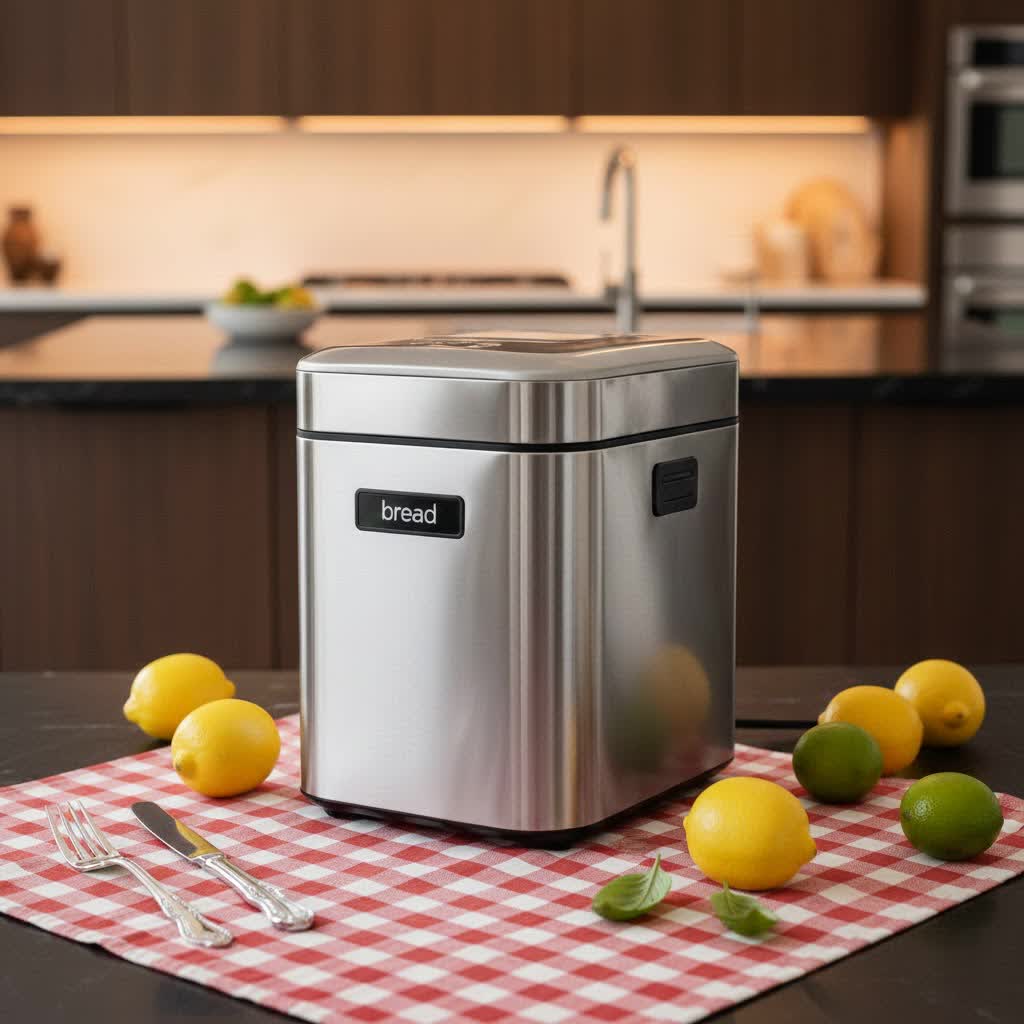
A bread maker is a countertop appliance that automates the entire process of baking bread, from mixing ingredients and kneading dough to rising and baking. It typically consists of a bread pan with a kneading paddle, a heating element, and a control panel for programming different cycles. This automation saves time and effort, making fresh bread accessible even on busy days.
The concept of automated bread making dates back to the late 20th century, evolving from basic models that offered simple white bread to today’s advanced machines like the Breville Custom Loaf, which boast an array of settings for diverse bread types and custom programs. Modern bread makers often feature specialized dispensers for mix-ins, multiple loaf sizes, and crust options, reflecting a significant leap in convenience and versatility.
On the market today, common types of bread makers include basic models for everyday loaves, advanced machines with extensive programming options for specialized breads (like gluten-free or artisanal), and compact versions for smaller households. The Breville Custom Loaf Bread Maker falls into the advanced category, offering a blend of intuitive design and powerful customization.
Why You Should Use a Bread Maker
Embracing a bread maker in your kitchen offers a multitude of benefits, transforming the way you enjoy bread. The primary appeal lies in its unparalleled convenience and the significant time savings it provides. Instead of spending hours kneading, proofing, and baking, you simply add ingredients, select a program, and let the machine handle the rest. This automation means you can wake up to the smell of warm, fresh bread or come home to a ready-made loaf without any hands-on effort during the baking cycle.
A key advantage is the ability to easily customize recipes and ingredients. Home bakers can control exactly what goes into their bread, from choosing organic flours and healthy grains to adding specific nuts, seeds, or fruits. This control is invaluable for dietary needs, such as gluten-free or yeast-free diets, and for avoiding preservatives or artificial additives often found in store-bought loaves.
Furthermore, using a bread maker ensures food safety and hygiene. You know your ingredients are fresh and your baking environment is clean, providing peace of mind about what you and your family are consuming. Ultimately, a bread maker empowers you to consistently create delicious, fresh, and wholesome bread at home, elevating everyday meals and offering a delightful baking experience without the usual fuss.
Guide to Choosing the Right Bread Maker
Selecting the perfect bread maker involves understanding your specific baking needs and the features that will best support them. The market offers a wide range of options, and a thoughtful approach ensures you invest in an appliance that truly meets your expectations.
Determine Your Usage Needs
|
Our Picks for the Best Bread Maker in 2026
As an Amazon Associate I earn from qualifying purchases.
|
||
| Num | Product | Action |
|---|---|---|
| 1 | KBS Pro 710W 2LB Bread Maker, Stainless Steel 17-in-1 Smart Bread Machine with Healthy Ceramic Pan, Automatic Nut Dispenser, Tempered Glass Touch Panel, 3 Crust Colors, 15H Timer& Keep-Warm, Recipes |

|
| 2 | KBS Premium 2LB Convection Bread Maker Dual Heaters, 710W Stainless Steel 17-in-1 Bread Machine Healthy Ceramic Pan, Nut Dispenser,Touch Panel, 3 Loaf Sizes 3 Crust Colors, 15H Timer,Low Noise,Recipes |
|
| 3 | KITCHENARM 29-in-1 SMART Bread Machine with Gluten Free Setting 2LB 1.5LB 1LB Bread Maker Machine with Homemade Cycle - Stainless Steel Breadmaker with Recipes Whole Wheat Bread Making Machine |
|
| 4 | Neretva Bread Maker, 20-in-1 2LB Bread Machine Dual Heater & Nonstick Ceramic Pan Bread Makers Machine All Metal Compact for Gluten Free/Dough Maker/Meat Floss/Jam/Yogurt/Breadmaker Recipe-Light Green |
|
| 5 | 2LB Bread Maker Machine, OSIPOTO 17 in 1 Automatic Stainless Steel Bread Machine, Non-stick, Beginner-Friendly Controls, 15 Hour Timer, Easy to Clean Low Noise, High Success Rate for Homemade Bread |
|
| 6 | Neretva Bread Maker, 20-IN-1 2LB Bread Machine Dual Heater Bread Maker Machine Automatic with Nonstick Ceramic Pan, 15H Timer & 1H Keep Warm Set, Low Noise, Stainless Steel Breadmaker Recipe-Green |
|
| 7 | Elite Gourmet Programmable Bread Maker, 2 lb Loaf, 3 Sizes, 19 Presets incl. Gluten-Free, Dough & Jam, Delay Timer, Black |
|
| 8 | MERIOR 25-IN-1 Bread Maker with Visible Lid - 2lb Automatic Machine, Auto Nut Dispenser, 13-Hour Delay Timer, One-Touch Control & Recipes – Easy Operation, High Success for Homemade Bread |
|
| 9 | Cuisinart Bread Maker Machine, Stainless Steel Convection Bread Machine with 16 Menu Options, 3 Loaf Sizes Up to 2 Lb., 3 Crust Colors, Includes Measuring Cup, Spoon & Kneading Hook, CBK-210 |
|
| 10 | Cuisinart Bread Maker Machine, Stainless Steel Automatic Bread Machine with 12 Menu Options, 3 Loaf Sizes up to 2 Lb., 3 Crust Colors, Removable Nonstick Baking Pan & Kneading Paddle, CBK-110NAS |
|
Before diving into features, consider how you intend to use your Breville Custom Loaf Bread Maker. Are you baking for a small family, or do you require larger loaves to feed a bigger household or for entertaining? Your frequency of baking—daily, weekly, or occasionally—will influence the importance of durability and advanced features. Think about the types of bread you love: do you stick to classic white, or are you eager to explore whole wheat, rye, sourdough, sweet breads, or even gluten-free options? Finally, establish a budget. High-end machines like the Breville Custom Loaf offer more features and greater customization, but there are also more basic, affordable alternatives if your needs are simpler.
Important Features to Consider
When evaluating bread makers, several key features stand out. Capacity and size are crucial; machines typically make loaves from 1 pound to 2.5 pounds. The Breville Custom Loaf can handle up to 2.5-pound loaves, making it suitable for families, but its larger physical footprint means you need adequate counter space. The number of baking programs is also vital. Look for a machine with a variety of pre-set cycles for different bread types, dough, pasta, and even jam. The Breville Custom Loaf boasts 13 automatic and manual settings, including specialized gluten-free and yeast-free options.
Delay start and keep warm functions offer immense convenience, allowing you to set the machine to finish baking at a specific time and keep the bread warm afterward. Quality of materials and overall durability contribute to the machine’s lifespan and consistent performance. A non-stick bread pan and collapsible kneading paddle are highly desirable for easy loaf release and minimal cleanup; the Breville’s collapsible paddle is a standout feature, designed to reduce the hole left in the bottom of your loaf. Consider ease of cleaning and maintenance, as sticky dough can be challenging. A clear, intuitive LCD display and user-friendly controls enhance the overall baking experience. The Breville Custom Loaf excels with its smart LCD display and straightforward dial controls.
Reputable Bread Maker Brands
When investing in a bread maker, trust in reputable brands often correlates with quality and customer support. Brands like Panasonic, Zojirushi, Philips, and, of course, Breville, are well-regarded in the industry.
- Breville: Known for its innovative design and high-quality appliances, the Breville Custom Loaf Bread Maker (BBM800XL) is celebrated for its automatic fruit and nut dispenser, collapsible paddle, and extensive customization options. It’s often praised for consistent performance, particularly for larger loaves, though it can be on the pricier side and larger in size.
- Zojirushi: Often considered the gold standard, Zojirushi models like the Virtuoso Plus are famous for their dual kneading paddles and exceptional horizontal loaf shape, which mimics traditional artisan bread. They tend to be expensive but deliver superior results, especially for even browning.
- Panasonic: Offers reliable and quieter machines, often with specialized yeast dispensers and good performance for various bread types.
- Cuisinart: Provides a range of bread makers, often at a more accessible price point, with convection baking options in some models for improved crusts.
While each brand has its strengths, the Breville Custom Loaf stands out for its blend of smart features, user-friendliness, and ability to cater to diverse baking needs, making it a top contender for serious home bakers.
Breville Custom Loaf Bread Maker: Features and Performance
The Breville Custom Loaf Bread Maker is a premium appliance engineered to bring artisan-quality bread into your home with minimal effort. Its thoughtful design and advanced technology make it a favorite among baking enthusiasts.
Key Features of the Breville Custom Loaf
This bread maker is packed with innovations designed to enhance the baking process:
- Automatic Fruit and Nut Dispenser: A standout feature, this dispenser automatically releases additional ingredients like nuts, seeds, or dried fruit at the optimal moment during the kneading cycle, ensuring even distribution throughout the loaf without manual intervention.
- Collapsible Kneading Paddle: Unlike traditional fixed paddles that leave a large hole in the base of your baked bread, the Breville’s paddle folds down before the baking cycle. This significantly reduces the indentation, resulting in a cleaner, more aesthetically pleasing loaf.
- Versatile Programs: With 13 automatic and manual settings, the machine caters to a wide array of bread types, including basic, whole wheat, sweet, gluten-free, yeast-free, and crusty loaf. It also features dedicated settings for dough, pasta, and even jam, expanding its utility beyond just bread.
- Four Loaf Sizes and Three Crust Colors: You can choose from 1 lb, 1.5 lb, 2 lb, or 2.5 lb loaf sizes, and select light, medium, or dark crust settings, allowing for personalized results based on your preferences or family needs.
- 13-Hour Delay Start Timer: Plan your baking up to 13 hours in advance, so you can wake up to fresh bread or have it ready right when you get home from work.
- Smart LCD Display and Intuitive Controls: The backlit LCD screen provides clear progress updates and easy navigation through settings. A simple dial and dedicated buttons make program selection straightforward.
- Custom Settings: For experimental bakers, the Breville allows you to create and store up to 9 of your own custom programs, giving you full control over kneading, rise, and bake times.
- Viewing Window and Interior Light: Monitor your bread’s progress without opening the lid, thanks to the large viewing window and an internal light.
- Power Interruption Protection: A handy feature that remembers your baking cycle for up to 60 minutes in case of a power outage, preventing ruined loaves.
Performance and User Experience
In terms of performance, the Breville Custom Loaf Bread Maker generally delivers high-quality, consistent results, particularly for larger loaves. Reviewers often praise its ability to thoroughly mix ingredients, leaving no flour untouched in the corners of the pan. The machine excels at producing well-risen, tasty loaves with a good crumb structure. While it can be a bit noisy and may vibrate slightly during the kneading phase, this is a common characteristic across many bread makers.
The unique collapsible paddle is a significant advantage, minimizing the tell-tale paddle hole that can be bothersome in other machines. However, some users note that while reduced, a small mark might still be present, and the paddle mechanism requires thorough cleaning to prevent sticking.
For smaller loaves, some reviews indicate that the rise might not be as perfectly even as with the largest 2.5-pound setting, though taste and texture remain consistent. Gluten-free bread performance receives mixed reviews; some users achieve excellent results, while others find the included recipes may require tweaking to prevent dense or undercooked outcomes. The machine’s single bottom heating element can sometimes lead to uneven browning, with the bottom crust being darker than the top.
Ease of use is a strong point. The intuitive controls and clear display make selecting programs and customizing settings simple, even for beginners. The automatic dispenser is a game-changer, eliminating the need to wait around to add mix-ins. Cleaning is also straightforward, with a non-stick bread pan and paddle that usually release dough easily.
“The Breville Custom Loaf is more than just a bread maker; it’s a versatile baking companion. Its automated features, especially the fruit and nut dispenser, make complex recipes feel effortless, yielding consistently delicious results that rival artisanal bakes.” – Sarah L. Chen, Culinary Tech Expert
Overall, the Breville Custom Loaf Bread Maker stands out as a powerful and user-friendly appliance, best suited for those who bake regularly, enjoy experimenting with different recipes, and appreciate advanced features for a truly customized bread-making experience.
Breville Custom Loaf Bread Maker vs. Competitors
When considering a high-end bread maker, the Breville Custom Loaf (BBM800XL) often enters the arena with formidable competitors like the Zojirushi Home Bakery Virtuoso Plus and various Panasonic models. Each offers a unique blend of features and performance.
Key Differentiators
- Breville Custom Loaf:
- Pros: Automatic fruit and nut dispenser, unique collapsible kneading paddle (minimizes bottom hole), extensive customization with 9 personal recipe slots, versatile 13 auto programs, sleek stainless steel design, good for large families with 2.5lb capacity.
- Cons: Can be expensive, bulky, may exhibit uneven browning due to a single bottom heating element, some users report the collapsible paddle can seize if not cleaned meticulously. Smaller loaves might be less uniformly shaped than larger ones.
- Zojirushi Home Bakery Virtuoso Plus:
- Pros: Dual kneading paddles ensure superior dough mixing and a consistent rise, dual heating elements (top and bottom) for exceptional, even browning, produces a traditional horizontal loaf shape, highly durable.
- Cons: Very expensive, no automatic dispenser for mix-ins (requires manual addition), not as many custom programming options as Breville, larger footprint.
- Panasonic Bread Makers (e.g., SD-YR2500):
- Pros: Often feature a yeast dispenser (in addition to a raisin/nut dispenser), generally quieter operation, very reliable and consistent, good for gluten-free recipes.
- Cons: Loaf shape can be more vertical/taller, design might be less sleek than Breville, fewer advanced customization features for kneading/rising cycles.
Who is it best for?
- The Breville Custom Loaf Bread Maker is ideal for home bakers who value automation, especially for mix-ins, and appreciate the ability to create and store numerous custom programs. If a reduced paddle hole is important to you, and you frequently bake larger loaves or experiment with diverse recipes, the Breville offers excellent versatility.
- The Zojirushi Virtuoso Plus is the choice for purists who prioritize perfectly shaped, evenly browned loaves and the absolute best dough consistency, regardless of the higher price and manual addition of mix-ins.
- Panasonic models are excellent for those seeking reliable performance, specific yeast dispensing, and often better results with gluten-free recipes, typically at a slightly lower price point than Breville or Zojirushi.
Ultimately, while the Zojirushi might win for overall loaf aesthetics and even baking, the Breville Custom Loaf shines with its user-friendly automatic features and unparalleled customization, making it a strong contender for those who want a smart, versatile, and hands-off baking experience.
How to Use Your Breville Custom Loaf Bread Maker
Mastering your Breville Custom Loaf Bread Maker is simple with a few key steps and tips. This machine is designed for ease of use, allowing you to enjoy freshly baked bread effortlessly.
Before You Begin Baking
- Read the Manual: While this guide covers many aspects, always refer to your Breville Custom Loaf’s official instruction manual for specific model details and safety precautions.
- Gather Your Ingredients: Ensure all ingredients are at room temperature unless specified otherwise (e.g., chilled liquids for warmer climates). Accurate measurement is crucial; use proper measuring cups for dry ingredients (leveling with a straight edge) and liquid measuring cups for fluids.
- Prepare the Bread Pan: Ensure the non-stick bread pan is clean and dry. Insert the collapsible kneading paddle firmly onto the drive shaft at the bottom of the pan. Make sure it’s correctly seated to prevent issues during kneading.
- Load Ingredients: Add liquid ingredients first, followed by dry ingredients. Make sure the yeast is added last, placed in a small well on top of the flour, away from salt and liquid, to prevent premature activation. If using the automatic dispenser, load your fruits, nuts, or seeds into the dispenser compartment.
Setting Up and Starting Your Bake
- Place Pan in Machine: Securely place the loaded bread pan into the bread maker’s cavity.
- Select Program: Use the intuitive dial to scroll through the 13 automatic programs (e.g., Basic, Whole Wheat, Gluten-Free, Sweet, Dough). The smart LCD display will show the program, loaf size, and crust color options.
- Choose Loaf Size and Crust Color: Adjust the loaf size (1 lb, 1.5 lb, 2 lb, 2.5 lb) and crust color (light, medium, dark) according to your recipe and preference.
- Utilize Delay Start (Optional): If you want your bread ready at a later time, press the “Delay Start” button and set the desired finish time. The machine will calculate when to begin.
- Start Baking: Press the “Start/Pause” button. The machine will begin its cycle, which typically involves preheat, kneading, rise, and bake stages, with audible alerts for mix-ins if the dispenser is not used. You can use the viewing window and light to monitor progress.
- Remove Baked Loaf: Once the cycle is complete, the machine will often beep and switch to a “Keep Warm” mode. Carefully remove the hot bread pan using oven mitts. Invert the pan to release the loaf onto a wire rack. Gently remove the collapsible paddle from the bottom of the loaf if it’s still attached.
- Cooling: Allow the bread to cool completely on a wire rack before slicing. This is crucial for achieving the proper texture and preventing a gummy interior.
Tips for Perfect Loaves and Machine Maintenance
- Accurate Measuring: This cannot be stressed enough. Use a kitchen scale for flour for the most precise results.
- Fresh Ingredients: Always use fresh yeast and ensure other ingredients like flour are not expired.
- Monitor Dough Consistency: During the initial kneading cycle, briefly check the dough. It should form a smooth, elastic ball. If it’s too sticky, add flour a teaspoon at a time; if too dry, add water a teaspoon at a time.
- Don’t Open the Lid: Avoid opening the lid during the rising and baking cycles, as this can cause the loaf to collapse.
- Cleaning: After each use, hand wash the non-stick bread pan and kneading paddle with warm, soapy water. Pay special attention to the collapsible paddle mechanism to prevent residue buildup, which can cause it to stick. Wipe the interior and exterior of the machine with a damp cloth. Never immerse the main unit in water.
By following these guidelines, your Breville Custom Loaf Bread Maker will consistently produce delicious, perfectly baked homemade bread.
Delicious Breville Custom Loaf Bread Maker Recipes
The Breville Custom Loaf Bread Maker is a versatile tool for creating an impressive array of breads. From everyday staples to delightful sweet treats, these recipes will help you get the most out of your machine. Always consult your machine’s recipe book for specific ingredient quantities adjusted for its capabilities.
Basic White Bread
A classic, fluffy loaf perfect for sandwiches or toast.
- Ingredients: Water, bread flour, sugar, salt, butter, active dry yeast.
- Instructions: Add ingredients to the bread pan in the order specified by your manual (liquids first, then dry, yeast last). Select the “Basic” program, desired loaf size (e.g., 2 lb), and crust color. Start the machine.
- Tip: For an extra soft crust, brush with milk or melted butter immediately after baking.
Whole Wheat Bread
A wholesome and hearty loaf, rich in fiber and flavor.
- Ingredients: Water, whole wheat flour, bread flour, brown sugar or honey, salt, vegetable oil, active dry yeast.
- Instructions: Follow the layering method. Select the “Whole Wheat” program, desired loaf size, and crust color.
- Tip: Whole wheat flour can absorb more liquid. Monitor the dough during kneading and add a teaspoon of water if it appears too dry.
Sweet Bread (e.g., Cinnamon Swirl Bread)
A delightful, lightly sweetened bread perfect for breakfast or dessert.
- Ingredients: Milk, eggs, butter, bread flour, sugar, salt, cinnamon, active dry yeast, raisins (optional, use automatic dispenser).
- Instructions: Add base ingredients. If adding raisins via the dispenser, load them. Select the “Sweet” program, loaf size, and crust color.
- Tip: For a richer flavor, use a mix of half milk and half heavy cream for the liquid.
Specialty Breads
The Breville Custom Loaf excels with more complex recipes.
- Gluten-Free Bread: Requires specific gluten-free flour blends and often additional binders like xanthan gum. Use the dedicated “Gluten-Free” program. Always ensure your gluten-free flours are fresh.
- Crusty Loaf: For an artisan-style bread with a crisp crust, some recipes might involve a short bake in the bread maker followed by a finish in a conventional oven. The Breville’s “Crusty Loaf” setting is designed for this.
- Dough Setting: Use this for making pizza dough, focaccia, dinner rolls, or even pasta dough. The machine mixes and kneads, then allows the dough to rise before you remove it for hand-shaping and oven baking.
- Jam Setting: This machine can also make homemade jam! Combine fruit, sugar, and pectin (if needed) in the pan, select the “Jam” setting, and enjoy fresh preserves.
Experimenting with these recipes and the Breville Custom Loaf’s custom programs will expand your baking repertoire, allowing you to create truly personalized and delicious homemade breads.
Troubleshooting Common Bread Maker Problems
Even with an advanced machine like the Breville Custom Loaf, you might encounter occasional issues. Don’t worry, many common bread maker problems have straightforward solutions.
Bread Not Rising or Too Dense
- Problem: Your loaf is small, heavy, or hasn’t risen properly.
- Solution:
- Check Yeast: Ensure your yeast is fresh and active. Old or inactive yeast is the most common culprit.
- Measurements: Double-check your ingredient measurements. Too much flour or too little liquid can inhibit rise.
- Ingredient Order: Make sure yeast is added last, away from salt and liquids until mixing begins. Salt can kill yeast, and early contact with water can activate it prematurely.
- Temperature: Cold ingredients can slow yeast activity. Ensure liquids are room temperature.
Bread Is Burnt or Overcooked
- Problem: The crust is too dark or burnt, and the interior might be dry.
- Solution:
- Crust Setting: Select a lighter crust setting on your machine.
- Altitude: At higher altitudes, bread may bake faster. Try adjusting the crust setting or slightly reducing baking time if your machine allows.
- Recipe Adjustment: If using a non-Breville recipe, it might be formulated for a different machine. Experiment with shorter bake times.
Bread Is Gummy or Undercooked
- Problem: The interior of your bread is sticky, moist, or not fully cooked.
- Solution:
- Liquid Ratio: Too much liquid is a common cause. Reduce the liquid by a tablespoon or two in your next batch.
- Appropriate Setting: Ensure you’ve selected the correct program. Richer breads or whole grain loaves often require longer baking cycles; a “darker crust” setting might provide the extra time needed.
- Pan Size: Ensure the recipe is suitable for your pan size, allowing heat to penetrate evenly.
Collapsed Loaf
- Problem: The top of your loaf sinks in during or after baking, creating a crater.
- Solution:
- Too Much Yeast/Liquid: An overly enthusiastic rise followed by collapse is often due to too much yeast or too much liquid, causing the structure to weaken. Reduce by a quarter or half teaspoon of yeast, or a tablespoon of liquid.
- High Humidity/Temperature: In very warm, humid conditions, dough can over-rise. Use chilled liquids or try a rapid cycle if available.
- Opening Lid: Opening the lid during the final rise or bake can cause a sudden temperature drop and collapse.
Uneven Mixing or Unmixed Flour
- Problem: Ingredients are not fully incorporated, leaving pockets of dry flour.
- Solution:
- Ingredient Order: Ensure liquids are added first, then dry ingredients.
- Dough Consistency: During the initial kneading, check the dough. If it’s too dry, the paddle might struggle to mix. Add a small amount of liquid.
- Scrape Sides (Manual Mode): In custom or dough modes, a quick scrape down of the pan sides with a rubber spatula might be necessary if ingredients stick.
Paddle Stuck or Leaving a Large Hole
- Problem: The collapsible paddle gets stuck or leaves a more significant mark than expected.
- Solution:
- Cleaning: The collapsible paddle mechanism requires meticulous cleaning. Residue can prevent it from folding down properly. Soak and clean thoroughly after each use.
- Removal: For minimal paddle marks, some experienced bakers choose to carefully remove the paddle after the final kneading cycle (and before the last rise) if their machine allows, though this requires pausing the cycle.
For persistent issues, always consult the troubleshooting section of your Breville Custom Loaf manual or contact Breville customer support. With a bit of practice and attention to detail, you’ll be baking perfect loaves every time.
Where to Buy the Breville Custom Loaf Bread Maker
Acquiring the Breville Custom Loaf Bread Maker is a straightforward process, with several reputable options available both online and in physical stores. Knowing where to look will help you find the best deals and ensure a smooth purchase.
Online Retailers
Online shopping offers convenience and often competitive pricing. Major electronics and home goods retailers are excellent starting points:
- Amazon: A vast selection of Breville products, often with customer reviews and competitive pricing. Look for official Breville listings or authorized resellers.
- Williams Sonoma: Specializes in high-quality kitchenware and often carries premium appliances like the Breville Custom Loaf. They may offer exclusive bundles or promotions.
- Crate & Barrel: Another upscale home goods retailer that features Breville products, known for detailed product descriptions and good customer service.
- Breville Official Website: Purchasing directly from the Breville website ensures you get an authentic product, access to the latest models, and direct customer support and warranty information.
- Other Online Appliance Stores: Websites like Everything Kitchens, Tech Gear Lab, and other specialized appliance retailers may also carry the Breville Custom Loaf and offer useful comparisons.
When buying online, always check the seller’s reputation, read recent customer reviews, and confirm the warranty and return policy.
Brick-and-Mortar Stores
If you prefer to see the Breville Custom Loaf Bread Maker in person or speak with a sales associate, consider these options:
- Department Stores: High-end department stores often have dedicated kitchen appliance sections where Breville products are displayed.
- Specialty Kitchen Stores: Independent kitchenware stores might carry the Breville Custom Loaf and offer personalized advice.
- Electronics Retailers: Large electronics stores occasionally stock premium kitchen appliances.
Shopping in-store allows you to assess the machine’s size, build quality, and aesthetics firsthand, which can be helpful given its substantial footprint.
Breville Custom Loaf Bread Maker Buying Guide
Investing in a Breville Custom Loaf Bread Maker is a decision that promises delicious homemade bread for years to come. To ensure you make the best choice, consider these essential factors.
Key Factors to Consider
- Your Budget: The Breville Custom Loaf is a premium bread maker, typically priced in the mid-to-high range compared to other models. Determine if its features and quality align with your financial comfort. While it’s an investment, its durability and versatility often justify the cost for avid bakers.
- Frequency of Use: If you plan to bake bread frequently, several times a week, the Breville Custom Loaf’s robust build, extensive programs, and customization options will be highly beneficial. For occasional bakers, a more basic and less expensive model might suffice.
- Desired Loaf Sizes: The Breville Custom Loaf offers four loaf sizes up to 2.5 pounds, making it excellent for families. If you typically need smaller loaves, be aware that some users report less even shaping for the smallest size.
- Specific Bread Types: If you’re keen on making gluten-free, yeast-free, or specific artisanal doughs, the Breville’s dedicated programs and customization capabilities are a major advantage.
- Automation Needs: The automatic fruit and nut dispenser and collapsible paddle are key selling points for the Breville. If you value hands-off baking and a cleaner loaf bottom, these features are crucial.
- Kitchen Space: The Breville Custom Loaf is a substantial appliance. Measure your available countertop and storage space to ensure it fits comfortably in your kitchen setup.
Comparing Prices and Value
Before purchasing, compare prices across various authorized retailers, both online and in brick-and-mortar stores. Look out for sales, promotions, or bundle deals that might offer better value. While a higher price tag for the Breville Custom Loaf signifies its premium features and build quality, ensure you are getting the best available price. Consider the long-term value: the time saved, the quality of bread produced, and the machine’s durability over cheaper alternatives.
User Reviews and Warranty
Always read independent user reviews from multiple sources. This provides real-world insights into the machine’s performance, common issues, and overall satisfaction. Pay attention to feedback regarding the collapsible paddle, dispenser functionality, and consistency of results for various bread types.
Finally, verify the warranty details. Breville typically offers a limited warranty, and understanding its terms (duration, coverage, service process) is important for future peace of mind. A solid warranty reflects the manufacturer’s confidence in their product.
By carefully considering these aspects, you can confidently choose the Breville Custom Loaf Bread Maker, ensuring it’s the perfect addition to your kitchen for years of delicious homemade bread.
Frequently Asked Questions
What makes the Breville Custom Loaf Bread Maker stand out from other models?
The Breville Custom Loaf Bread Maker distinguishes itself with its automatic fruit and nut dispenser, which adds mix-ins at the perfect time, and a unique collapsible kneading paddle that minimizes the hole typically found at the bottom of homemade loaves. It also offers extensive customization options, allowing users to create and store their own recipes for precise control over the baking process.
Can the Breville Custom Loaf make gluten-free bread effectively?
Yes, the Breville Custom Loaf Bread Maker includes a dedicated “Gluten-Free” program. While results can vary based on the specific gluten-free flour blend and recipe used, many users achieve excellent outcomes. It may require some experimentation to find the perfect gluten-free recipe that suits your machine and preferences.
How do I clean the collapsible kneading paddle to prevent it from sticking?
To prevent the collapsible kneading paddle from sticking, it’s crucial to clean it thoroughly after each use. Soak the paddle in warm, soapy water immediately after removing the loaf, and use a small brush or pipe cleaner to remove any dough residue from its mechanism. Regular, meticulous cleaning ensures its smooth operation.
Is the Breville Custom Loaf Bread Maker noisy during operation?
Like most bread makers, the Breville Custom Loaf will produce some noise, particularly during the kneading cycles, and may vibrate slightly on the countertop. However, many users find its noise level to be acceptable and not overly disruptive, especially when compared to some other powerful bread machines.
What loaf sizes can the Breville Custom Loaf make?
The Breville Custom Loaf Bread Maker is capable of producing four different loaf sizes: 1 pound, 1.5 pounds, 2 pounds, and 2.5 pounds. This versatility makes it suitable for various household sizes and occasions, from single servings to large family loaves.
