Imagine waking up to the irresistible aroma of freshly baked bread, a golden-brown loaf ready to be sliced and enjoyed, all without a massive appliance taking over your kitchen. For those who cherish homemade goodness but contend with limited counter space or simply prefer smaller portions, a Mini Bread Maker is a true culinary game-changer. These compact appliances condense the magic of bread baking into a convenient, countertop-friendly package, allowing you to enjoy warm, crusty loaves with minimal effort. This comprehensive guide will navigate you through everything you need to know about mini bread makers, from their essential features to top models and delightful recipes, ensuring you find your perfect baking companion.
Mini Bread Makers: An Overview
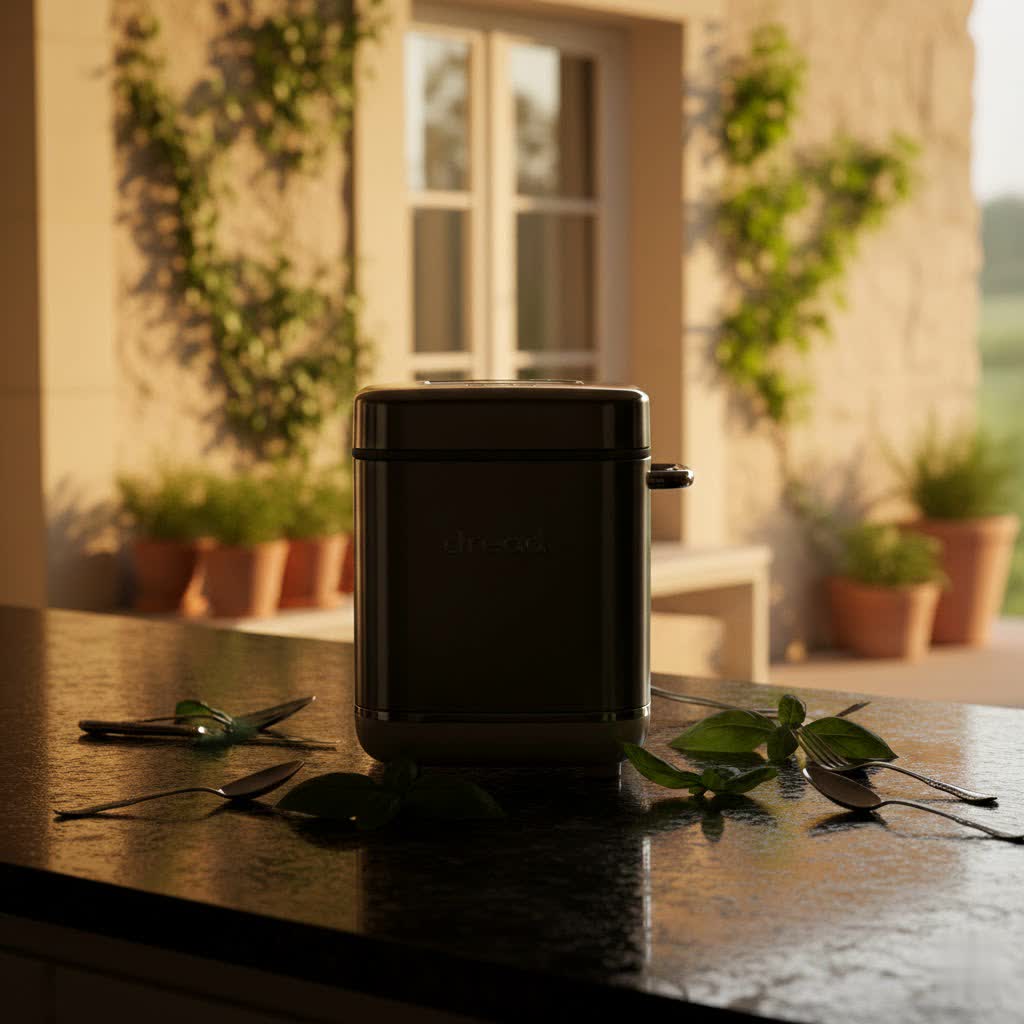
A mini bread maker is a scaled-down version of traditional bread machines, specifically engineered for kitchens where space is a premium. While standard bread makers can often bake larger 2-pound or even 3-pound loaves, mini versions typically specialize in 1-pound or 1.5-pound loaves, perfectly suited for individuals, couples, or small families. Their footprint is often 30-40% smaller than conventional models, making them ideal for apartments, RVs, or any kitchen aiming for efficiency without clutter.
The concept of automated bread making itself has evolved significantly since the first home bread machine was introduced in the late 1980s. Early models were bulky and offered limited programs, but advancements in technology have led to sleek, multi-functional units capable of handling a wide array of recipes. Today’s mini bread makers encapsulate this progress, offering sophisticated features in a compact form. The most common type of mini bread maker is the automatic electric model, which handles the entire process from mixing and kneading to rising and baking, requiring only the addition of ingredients and the selection of a program.
Why Choose a Mini Bread Maker?
Opting for a mini bread maker brings a host of benefits that extend beyond just fresh bread. Their compact design is, of course, a primary draw. These machines fit seamlessly into smaller spaces, proving that you don’t need a sprawling kitchen to enjoy homemade bread. Many are designed with a vertical baking pan to maximize space efficiency without sacrificing loaf size.
Beyond space, mini bread makers offer unparalleled convenience and time-saving. With features like delay start timers, you can load ingredients the night before and wake up to a warm loaf for breakfast, or have one ready as you walk in the door after work. Quick bake cycles can even produce a fresh loaf in under two hours. This automation means less effort compared to traditional hand-kneading and baking, distilling the process down to a few simple steps.
Furthermore, these machines empower you with customization and health benefits. By making bread at home, you have complete control over the ingredients, allowing you to avoid preservatives, artificial additives, and excessive sugar or salt often found in store-bought loaves. This is particularly advantageous for individuals with dietary restrictions, as you can easily experiment with whole grains, gluten-free flours, or sugar-free recipes. The result is not just fresher, but often healthier bread tailored precisely to your preferences.
The inherent food safety and freshness are also significant advantages. You know exactly what goes into your bread and can enjoy it at its peak freshness, a quality unmatched by most commercially produced breads.
How to Select the Perfect Mini Bread Maker
Choosing the right mini bread maker requires a thoughtful evaluation of your personal baking habits and kitchen needs.
Assessing Your Baking Needs
|
Our Picks for the Best Bread Maker in 2026
As an Amazon Associate I earn from qualifying purchases.
|
||
| Num | Product | Action |
|---|---|---|
| 1 | KBS Premium 2LB Convection Bread Maker Dual Heaters, 710W Stainless Steel 17-in-1 Bread Machine Healthy Ceramic Pan, Nut Dispenser,Touch Panel, 3 Loaf Sizes 3 Crust Colors, 15H Timer,Low Noise,Recipes |

|
| 2 | 2LB Bread Maker Machine, OSIPOTO 17 in 1 Automatic Stainless Steel Bread Machine, Non-stick, Beginner-Friendly Controls, 15 Hour Timer, Easy to Clean Low Noise, High Success Rate for Homemade Bread |
|
| 3 | Neretva Bread Maker, 20-IN-1 2LB Bread Machine Dual Heater Bread Maker Machine Automatic with Nonstick Ceramic Pan, 15H Timer & 1H Keep Warm Set, Low Noise, Stainless Steel Breadmaker Recipe-Green |
|
| 4 | Cuisinart Bread Maker Machine, Stainless Steel Automatic Bread Machine with 12 Menu Options, 3 Loaf Sizes up to 2 Lb., 3 Crust Colors, Removable Nonstick Baking Pan & Kneading Paddle, CBK-110NAS |
|
| 5 | Elite Gourmet Programmable Bread Maker, 2 lb Loaf, 3 Sizes, 19 Presets incl. Gluten-Free, Dough & Jam, Delay Timer, Black |
|
| 6 | Neretva Bread Maker, 20-in-1 2LB Bread Machine Dual Heater & Nonstick Ceramic Pan Bread Makers Machine All Metal Compact for Gluten Free/Dough Maker/Meat Floss/Jam/Yogurt/Breadmaker Recipe-Light Green |
|
| 7 | KITCHENARM 29-in-1 SMART Bread Machine with Gluten Free Setting 2LB 1.5LB 1LB Bread Maker Machine with Homemade Cycle - Stainless Steel Breadmaker with Recipes Whole Wheat Bread Making Machine |
|
| 8 | Cuisinart Bread Maker Machine, Stainless Steel Convection Bread Machine with 16 Menu Options, 3 Loaf Sizes Up to 2 Lb., 3 Crust Colors, Includes Measuring Cup, Spoon & Kneading Hook, CBK-210 |
|
| 9 | KBS Pro 710W 2LB Bread Maker, Stainless Steel 17-in-1 Smart Bread Machine with Healthy Ceramic Pan, Automatic Nut Dispenser, Tempered Glass Touch Panel, 3 Crust Colors, 15H Timer& Keep-Warm, Recipes |
|
| 10 | MERIOR 25-IN-1 Bread Maker with Visible Lid - 2lb Automatic Machine, Auto Nut Dispenser, 13-Hour Delay Timer, One-Touch Control & Recipes – Easy Operation, High Success for Homemade Bread |
|
First, determine your usage frequency and family size. Are you a single individual, a couple, or a small family? A 1-pound loaf might be perfect for one or two people, ensuring no waste, while a 1.5-pound model offers a bit more flexibility without being overly large. Consider the types of bread you envision making most often. Do you stick to basic white bread, or are you eager to explore whole wheat, sourdough, sweet breads, or even make dough for pizza and pasta? Your culinary aspirations will guide your feature requirements. Finally, set a realistic budget. Mini bread makers vary in price, and knowing your spending limit will help narrow down options.
Essential Features to Look For
When evaluating models, several key features contribute to both performance and user experience:
- Capacity and Dimensions: Most mini bread makers handle 1-pound to 1.5-pound loaves. Pay attention to the machine’s external dimensions (height, width, depth) to ensure it fits comfortably on your countertop and can be stored easily.
- Pre-programmed Settings: A good mini bread maker offers a variety of cycles, typically including basic, whole wheat, French, sweet, and gluten-free. Many also include settings for dough (pizza, pasta, rolls), cake, and jam, significantly increasing versatility.
- Timer and Keep Warm Functions: A delay start timer (often up to 13 hours) is invaluable for fresh bread exactly when you want it. A “keep warm” function maintains the bread’s temperature after baking, ensuring it’s ready for serving.
- Material and Durability: Look for robust construction, ideally with a stainless steel exterior for longevity and aesthetics. The bread pan should be non-stick for easy loaf removal and cleanup.
- Ease of Cleaning and Maintenance: Removable, non-stick bread pans and kneading paddles are crucial for hassle-free cleanup. A simple, intuitive control panel also makes daily use more enjoyable.
- Special Features:
- Automatic Dispensers: Some premium models include a dispenser that automatically adds fruits, nuts, or seeds at the optimal time during the kneading cycle.
- Viewing Window: A transparent lid allows you to monitor the baking progress without opening the machine and disrupting the temperature.
- Crust Control: Settings for light, medium, or dark crust allow for personalized results.
- Collapsible Kneading Paddles: Some machines feature paddles that fold down before baking, minimizing the hole at the bottom of the finished loaf.
Top-Rated Mini Bread Maker Brands
Several brands consistently earn high marks for their mini bread makers, known for reliability, performance, and user satisfaction.
- Zojirushi: Often considered a premium brand, Zojirushi bread makers, particularly models like the BB-HAC10 Mini Breadmaker and the newer BB-SSC10, are celebrated for their exceptional kneading ability and consistently well-baked loaves. They often feature multiple settings, including dough cycles, and are known for durability.
- Cuisinart: The Cuisinart CBK-110 Compact Automatic Bread Maker is a popular choice for its sleek design, compact footprint, and reliable performance at a more accessible price point. It typically offers a good range of programs and makes respectable loaves for its size.
- Hamilton Beach: Models like the Hamilton Beach 29882 are excellent budget-friendly options, often praised for their ability to handle whole grain and gluten-free recipes effectively. They offer solid functionality for basic bread-making needs.
- Other Notable Brands: T-fal (e.g., PF311) is noted for versatility and good gluten-free settings, while Oster (e.g., CKSTBRTW20) provides great value for its price. KBS offers durable stainless steel options with ceramic pans.
Comparative Table: Popular Mini Bread Makers
| Feature | Zojirushi BB-HAC10/SSC10 | Cuisinart CBK-110 | Hamilton Beach 29882/29890 |
|---|---|---|---|
| Loaf Capacity | 1 lb | 1 lb, 1.5 lb, 2 lb | 1.5 lb, 2 lb |
| Footprint | Very compact (size of standard paper) | Compact, vertical design | Compact, slightly larger |
| Programs | 5-7 programs (basic, dough, cake, jam) | 12-14 programs (artisan, GF) | 12-21 programs (whole grain, GF) |
| Delay Timer | Up to 13 hours | Up to 13 hours | Up to 15 hours |
| Crust Settings | Yes | Yes (3 options) | Yes (3 options) |
| Auto Dispenser | No (BB-HAC10), Yes (BB-SSC10) | No | Yes (some 29890 models) |
| Kneading Paddles | Single | Single | Single |
| Key Advantage | Excellent kneading, consistent quality | Value, versatility, modern design | Budget-friendly, good for specialty flours |
Getting Started: A Detailed Guide to Using Your Mini Bread Maker
Using a mini bread maker is surprisingly straightforward, designed to be user-friendly even for novice bakers.
- Preparation Steps: Always start by reading your machine’s manual. Ensure the bread pan and kneading paddle are clean and properly inserted into the machine. Gather all your ingredients, measuring them precisely. Precision is key in bread making!
- Ingredient Selection and Measurement: Use high-quality ingredients. Bread flour, with its higher protein content, is often recommended for taller, less dense loaves. Measure liquids accurately with a liquid measuring cup, and dry ingredients with dry measuring cups and spoons, leveling them off. Add ingredients in the order specified by your recipe or machine manual, typically liquids first, then dry ingredients, and finally yeast on top, kept separate from salt and sugar initially to prevent premature activation.
- Setting Programs and Timers: Close the lid, select the appropriate program for your recipe (e.g., “Basic White,” “Whole Wheat,” “Gluten-Free”), choose your desired crust color, and if needed, set the delay timer. Press start, and let the machine work its magic.
- Tips for Perfect Loaves:
- Ingredient Temperature: Use water or milk at the temperature specified in your recipe, usually lukewarm.
- Don’t Peek: Resist the urge to open the lid during the kneading and rising cycles, as this can affect the bread’s rise.
- Cooling: Once baked, promptly remove the bread pan (using oven mitts!) and carefully invert the loaf onto a wire rack to cool completely before slicing. This prevents the bread from becoming soggy.
- Cleaning and Maintenance: After the bread has cooled and been removed, wash the bread pan and kneading paddle with warm, soapy water. Avoid abrasive scrubbers that could damage the non-stick coating. Wipe down the exterior of the machine with a damp cloth. Regular cleaning ensures longevity and optimal performance.
Delicious Recipes for Your Mini Bread Maker
Your mini bread maker opens up a world of fresh baking possibilities.
- Classic White Bread (1-lb loaf):
- 1 cup warm water
- 2 tbsp vegetable oil
- 1.5 tsp salt
- 2 tbsp sugar
- 2.5 cups bread flour
- 1.5 tsp active dry yeast
- Follow your machine’s basic white bread program.
- Whole Wheat Bread (1-lb loaf):
- 1 cup warm water
- 2 tbsp honey or molasses
- 1.5 tsp salt
- 1 tbsp olive oil
- 1.5 cups whole wheat flour
- 1 cup bread flour
- 1.5 tsp active dry yeast
- Use the whole wheat program.
- Sweet Breads (e.g., Cinnamon Swirl Dough): Mini bread makers can make wonderful dough for sweet rolls or cinnamon swirl bread. Once the dough cycle is complete, you can remove it, shape it, add fillings, and bake in a conventional oven.
- Specialty Doughs: From pizza dough for a quick weeknight dinner to pasta or cookie dough, your mini bread maker can do the heavy lifting of mixing and kneading, leaving you to the fun part of shaping and baking.
Troubleshooting Common Mini Bread Maker Issues
Even experienced bakers encounter challenges. Here are solutions to common bread maker problems:
- Bread Not Rising:
- Check Yeast: Ensure your yeast is fresh and active. Old or dead yeast is the most common culprit.
- Liquid Temperature: Water or milk too hot can kill the yeast; too cold can inhibit its activation.
- Ingredient Order: Make sure yeast isn’t directly exposed to salt, which can kill it.
- Burnt or Dry Bread:
- Crust Setting: Adjust your crust setting (light, medium, dark) to your preference.
- Moisture Content: The bread might be too dry. Small adjustments (1-2 tablespoons) of water or oil can make a difference in your next loaf.
- Machine Not Functioning:
- Power: Check if the machine is properly plugged in and the outlet is working.
- Pan Insertion: Ensure the bread pan is securely locked into place.
- Consult Manual: Refer to your machine’s troubleshooting section for specific error codes or issues.
Where to Purchase Your Mini Bread Maker
Mini bread makers are widely available, both online and in physical stores.
- Online Retailers: Websites like Amazon, Williams Sonoma, and manufacturer websites (e.g., Zojirushi.com, Cuisinart.com) offer a vast selection, competitive pricing, and user reviews.
- Department Stores and Home Goods Stores: Retailers like Kohl’s, Macy’s, and Bed Bath & Beyond often carry popular models.
- Electronics Stores: Stores specializing in home appliances may have a selection.
- Reading User Reviews: Always read reviews from other users. They offer invaluable insights into real-world performance, durability, and ease of use.
- Warranty and Return Policy: Check the warranty offered by the manufacturer and the return policy of the retailer before making a purchase.
Mini Bread Maker Buying Guide: Key Takeaways
Choosing a mini bread maker means finding the perfect balance between size, functionality, and budget to fit your unique lifestyle. Prioritize models that offer a capacity suitable for your household (typically 1 to 1.5 pounds) and come with a good range of programs for the types of bread you love. Features like a delay start timer, crust control, and a non-stick pan are highly beneficial. While premium brands like Zojirushi offer exceptional quality, budget-friendly options from Cuisinart and Hamilton Beach also deliver excellent results. Always cross-reference your choices with user reviews and ensure a solid warranty.
By considering these factors, you’re not just buying an appliance; you’re investing in the joy and convenience of fresh, homemade bread, perfectly suited for your compact kitchen and busy schedule. Are you ready to transform your kitchen into a mini bakery?
Frequently Asked Questions
What is the ideal loaf size for a mini bread maker?
The ideal loaf size for a mini bread maker is typically 1 pound, which is perfect for singles, couples, or small families. Some compact models can also produce 1.5-pound or even 2-pound loaves, often using a vertical pan design to maintain a small countertop footprint.
Can mini bread makers make gluten-free bread?
Yes, most modern mini bread makers come with dedicated gluten-free settings. These programs are designed with specific kneading and rising cycles tailored for gluten-free flours, which behave differently than traditional wheat flours, ensuring a well-baked loaf.
How long does it take to bake bread in a mini bread maker?
The baking time varies depending on the program selected. A standard basic white bread program usually takes about 3 to 4 hours. Many mini bread makers also offer a “quick bake” or “express” cycle that can produce a loaf in under 2 hours.
Are mini bread makers difficult to clean?
No, most mini bread makers are designed for easy cleaning. They typically feature removable, non-stick bread pans and kneading paddles that can be washed with warm, soapy water. The exterior usually only requires a quick wipe down with a damp cloth.
What is the lifespan of a typical mini bread maker?
With proper care and maintenance, a good quality mini bread maker can last anywhere from 5 to 10 years or even longer. Brands known for durability, such as Zojirushi, often have models that exceed this average, providing years of reliable service.
