Imagine waking up to the irresistible aroma of freshly baked sourdough bread, a staple of artisanal bakeries, made right in your kitchen with minimal effort. While the thought of crafting the perfect sourdough boule might seem daunting, your trusty bread maker can become an invaluable ally, transforming the complex process into a convenient, hands-off experience. This guide will unlock the secrets to creating delicious, tangy sourdough loaves using your bread machine, offering insights into selecting the right appliance, mastering essential techniques, and troubleshooting common challenges to ensure baking success every time.
Bread Makers: An Overview
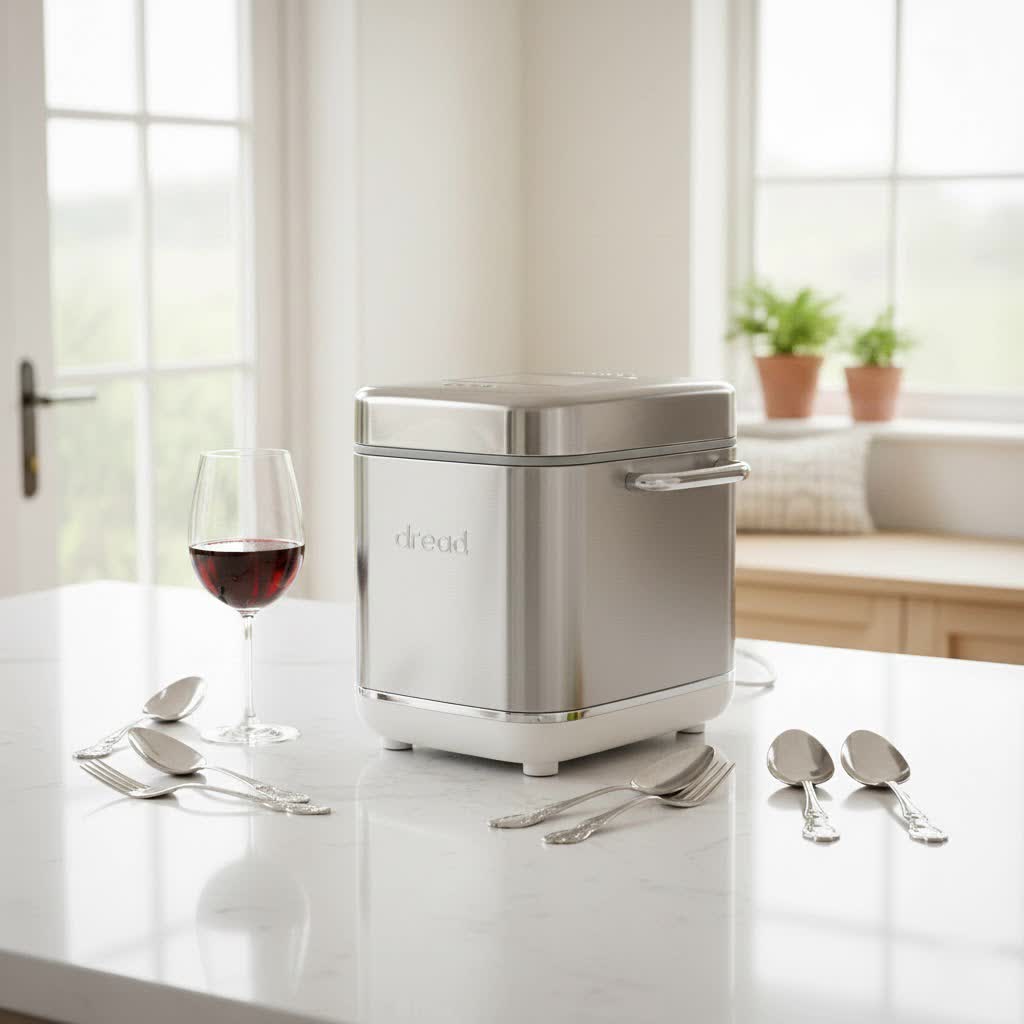
A bread maker is a countertop appliance designed to automate the process of making bread, from mixing and kneading to rising and baking. It typically consists of a bread pan with a kneading paddle, a heating element, and a control panel with various pre-programmed cycles. These machines simplify bread making, allowing enthusiasts to enjoy homemade loaves without extensive manual labor.
The history of bread makers dates back to the 1980s, when the Japanese company Matsushita Electric Industrial Co. (now Panasonic) introduced the first automatic home bread maker. Since then, bread machines have evolved significantly, offering more programs, features, and improved performance.
Today, the market offers several types of bread makers, ranging from basic models that handle fundamental tasks to advanced programmable units. Basic bread makers often feature a limited number of cycles (e.g., basic, whole wheat, dough). In contrast, more sophisticated models boast custom programming options, multiple kneading paddles, automatic ingredient dispensers, and specific settings like “French Bread” or even dedicated “sourdough” cycles, which are particularly beneficial for the unique demands of sourdough baking.
Why Use a Bread Maker for Sourdough?
Embracing a bread maker for your sourdough journey offers a compelling blend of convenience and quality, making homemade sourdough accessible to even the busiest bakers.
First and foremost, a bread maker significantly reduces hands-on time and effort. The machine handles the laborious mixing and kneading, crucial steps in developing the gluten structure vital for sourdough. This frees you from sticky countertops and sore arms, allowing you to focus on other tasks while your dough is expertly prepared. For many, the ability to automate the initial stages of bread making is the primary draw, simplifying what can otherwise be a time-consuming craft.
Secondly, using a bread maker provides control over ingredients and enhances food safety. You dictate exactly what goes into your bread, avoiding commercial additives, preservatives, or artificial flavors often found in store-bought loaves. This ensures a healthier, fresher product that caters to dietary preferences or restrictions. The controlled environment of a bread maker also minimizes contamination risks, offering peace of mind.
Finally, the ultimate reward is the unparalleled freshness and flavor of homemade sourdough. There’s nothing quite like the taste and texture of a loaf baked moments ago. The tangy, complex flavor of sourdough, combined with a perfectly soft crumb, elevates everyday meals. A bread maker consistently delivers this fresh experience, turning your kitchen into a miniature artisan bakery.
Choosing the Right Bread Maker for Sourdough
Selecting the ideal bread maker is pivotal for sourdough success, as specific features can greatly enhance your baking experience.
Assess Your Needs
|
Our Picks for the Best Bread Maker in 2026
As an Amazon Associate I earn from qualifying purchases.
|
||
| Num | Product | Action |
|---|---|---|
| 1 | Cuisinart Bread Maker Machine, Stainless Steel Automatic Bread Machine with 12 Menu Options, 3 Loaf Sizes up to 2 Lb., 3 Crust Colors, Removable Nonstick Baking Pan & Kneading Paddle, CBK-110NAS |

|
| 2 | Cuisinart Bread Maker Machine, Stainless Steel Convection Bread Machine with 16 Menu Options, 3 Loaf Sizes Up to 2 Lb., 3 Crust Colors, Includes Measuring Cup, Spoon & Kneading Hook, CBK-210 |
|
| 3 | Elite Gourmet Programmable Bread Maker, 2 lb Loaf, 3 Sizes, 19 Presets incl. Gluten-Free, Dough & Jam, Delay Timer, Black |
|
| 4 | Neretva Bread Maker, 20-in-1 2LB Bread Machine Dual Heater & Nonstick Ceramic Pan Bread Makers Machine All Metal Compact for Gluten Free/Dough Maker/Meat Floss/Jam/Yogurt/Breadmaker Recipe-Light Green |
|
| 5 | KITCHENARM 29-in-1 SMART Bread Machine with Gluten Free Setting 2LB 1.5LB 1LB Bread Maker Machine with Homemade Cycle - Stainless Steel Breadmaker with Recipes Whole Wheat Bread Making Machine |
|
| 6 | Neretva Bread Maker, 20-IN-1 2LB Bread Machine Dual Heater Bread Maker Machine Automatic with Nonstick Ceramic Pan, 15H Timer & 1H Keep Warm Set, Low Noise, Stainless Steel Breadmaker Recipe-Green |
|
| 7 | KBS Pro 710W 2LB Bread Maker, Stainless Steel 17-in-1 Smart Bread Machine with Healthy Ceramic Pan, Automatic Nut Dispenser, Tempered Glass Touch Panel, 3 Crust Colors, 15H Timer& Keep-Warm, Recipes |
|
| 8 | KBS Premium 2LB Convection Bread Maker Dual Heaters, 710W Stainless Steel 17-in-1 Bread Machine Healthy Ceramic Pan, Nut Dispenser,Touch Panel, 3 Loaf Sizes 3 Crust Colors, 15H Timer,Low Noise,Recipes |
|
| 9 | MERIOR 25-IN-1 Bread Maker with Visible Lid - 2lb Automatic Machine, Auto Nut Dispenser, 13-Hour Delay Timer, One-Touch Control & Recipes – Easy Operation, High Success for Homemade Bread |
|
| 10 | 2LB Bread Maker Machine, OSIPOTO 17 in 1 Automatic Stainless Steel Bread Machine, Non-stick, Beginner-Friendly Controls, 15 Hour Timer, Easy to Clean Low Noise, High Success Rate for Homemade Bread |
|
Before diving into models, consider your individual requirements. Are you baking for a small family or frequently entertaining? This will influence the capacity you need (e.g., 1-pound, 2-pound, or even 3-pound loaves). Do you prefer traditional white sourdough or a variety of specialty loaves like whole wheat or enriched sweet breads? Your recipe preferences will dictate the necessary program versatility. Finally, your budget will guide you towards entry-level, mid-range, or premium machines, each offering varying levels of features and performance.
Important Features to Consider
When making sourdough, several bread maker features become particularly valuable:
- Capacity and Size: Ensure the machine can accommodate your desired loaf size. Also, consider its physical footprint on your counter.
- Number of Baking Programs: Look for machines with a “dough” cycle, “French bread” cycle (which often has longer rise times suitable for sourdough), or, ideally, a “custom” or “homemade” program that allows you to set specific kneading, rising, and baking durations.
- Delay Timer and Keep Warm Function: A delay timer is excellent for planning, allowing you to add ingredients in the evening and wake up to freshly baked bread. A keep-warm function can maintain bread temperature after baking.
- Material and Durability: Stainless steel exteriors and robust internal components tend to offer better longevity and consistent performance. Non-stick pans are standard, but ensure they are durable.
- Ease of Cleaning and Maintenance: Removable parts and non-stick surfaces simplify cleanup, a welcome feature after baking. Some models also feature collapsible kneading paddles to prevent large holes in the finished loaf.
Reputable Bread Maker Brands
Several brands stand out for their quality and features beneficial for sourdough baking. Zojirushi is frequently lauded for its premium bread makers, particularly the Home Bakery Virtuoso Plus, known for its dual heaters, dual kneading blades, and programmable cycles that cater well to sourdough’s needs. Breville also offers sophisticated models with custom settings. For more budget-conscious options that still perform well, Cuisinart and Hamilton Beach provide reliable machines that can be adapted for sourdough recipes. While Panasonic is a historical leader, the aforementioned brands often receive higher praise specifically for sourdough capabilities in recent reviews.
Comparison Table of Popular Sourdough-Friendly Bread Makers
Choosing the best bread maker for sourdough involves weighing features against your budget and baking style. Here’s a brief comparison of frequently recommended models:
| Feature | Zojirushi Home Bakery Virtuoso Plus | Breville Custom Loaf | Cuisinart Compact Automatic | Hamilton Beach Digital |
|---|---|---|---|---|
| Loaf Size (lbs) | 2 | 1, 1.5, 2, 2.5 | 1, 1.5, 2 | 1.5, 2 |
| Kneading Paddles | Dual | Single (collapsible) | Single | Single |
| Key Sourdough Features | Programmable, dual heaters, long rise options | Customizable programs, auto dispenser | French/Dough cycles, 13hr delay | Basic/Dough cycles, budget-friendly |
| Crust Control | Yes (Dark, Medium, Light) | Yes | Yes | Yes |
| Price Range | Premium | High-Mid | Mid | Budget |
| Ideal For | Serious sourdough bakers, maximum control | Versatile bakers, advanced features | Beginners, space-saving | Economical, simple sourdough |
Note: The “sourdough performance” can vary based on specific models and user technique.
Detailed Guide to Using Your Bread Maker for Sourdough
Mastering sourdough in your bread maker involves understanding your starter, precise measurements, and optimizing your machine’s settings.
Preparation Before Baking
The cornerstone of great sourdough is an active and robust starter. Ensure your starter is fed and bubbly, ideally peaking (or close to it) before you incorporate it into your dough. This “fed” state indicates its yeast and bacteria are highly active, ready to leaven your bread. For best results, use a starter that has been fed twice the day before you bake.
How to Choose and Measure Ingredients
Accuracy is paramount in sourdough baking. While cup measurements are provided in many recipes, using a digital kitchen scale to weigh your ingredients (especially flour, water, and starter) will yield the most consistent and reliable results.
- Flour: Bread flour is often recommended for its higher protein content, which aids gluten development, but all-purpose or a blend with whole wheat can also be used.
- Water: Use lukewarm water unless your recipe specifies otherwise.
- Sourdough Starter: Ensure it’s active, not liquidy. If using sourdough discard, some recipes may require a small amount of commercial yeast to assist with the rise due to the bread maker’s fixed cycles.
- Salt: Essential for flavor and controlling fermentation.
How to Set Programs and Delay Timer
Most bread makers do not have a specific “sourdough” setting. However, you can achieve excellent results by utilizing other programs:
- Dough Cycle: This is often the best option. It mixes and kneads the dough and allows for an initial rise, but stops before baking. After this cycle, you can remove the dough, shape it manually, and then bake it in a conventional oven for a crispier crust.
- French Bread Cycle: Many machines have a “French Bread” setting that features longer kneading and rising times, which can be more suitable for the slower fermentation of sourdough, especially if you’re using only starter for leavening.
- Custom/Homemade Cycle: If your bread maker allows programmable cycles (like many Zojirushi models), you can manually set longer kneading and proofing times to mimic traditional sourdough processes more closely.
When adding ingredients, always follow your machine’s recommended order (typically liquids first, then dry ingredients, with yeast last and separate from salt). If using a delay timer, this layering is even more crucial to prevent early activation of yeast or starter.
Tips for Perfect and Successful Bread
- Monitor Dough Consistency: During the initial kneading phase (the first 10-15 minutes), check your dough. It should form a smooth, soft ball that pulls away from the sides of the pan. If it’s too sticky, add flour one tablespoon at a time; if too dry or shaggy, add water one tablespoon at a time.
- Remove Kneading Paddle: If you are baking the loaf entirely in the bread maker, consider removing the kneading paddle after the final kneading cycle and before the last rise to avoid a large hole at the bottom of your finished loaf.
- Cool Completely: Always remove the bread from the pan immediately after baking and let it cool completely on a wire rack before slicing. Slicing hot bread can result in a gummy texture.
- Environmental Factors: Be aware that ambient temperature and humidity can affect fermentation. Sourdough tends to rise faster in warmer, more humid conditions. Adjust timings as needed.
Cleaning and Maintenance of the Machine
Regular cleaning ensures your bread maker’s longevity and prevents cross-contamination. Always unplug the machine before cleaning. Remove the bread pan and kneading paddle, washing them with warm, soapy water. Avoid abrasive scrubbers that can damage the non-stick coating. Wipe down the interior and exterior of the machine with a damp cloth. Ensure all parts are completely dry before reassembling.
Delicious Sourdough Bread Maker Recipes
Your bread maker can open up a world of sourdough possibilities, from classic sandwich loaves to specialized variations. Here are some recipes to get you started:
Basic Sourdough Sandwich Loaf (with optional commercial yeast)
This recipe is designed for ease and a reliable rise, ideal for everyday use.
- Ingredients: 1 cup active sourdough starter, 1 cup lukewarm water, 2 tablespoons vegetable oil (or softened butter), 2 teaspoons granulated sugar, 1.5 teaspoons salt, 3.5 cups bread flour, 1 teaspoon instant or bread machine yeast (optional, for a more consistent rise within bread machine cycles).
- Instructions: Add liquid ingredients to the bread maker pan first, then dry ingredients, with yeast on top of the flour. Select the “Basic” or “White Bread” cycle, medium crust, and 2 lb loaf setting. Monitor dough during kneading, adjust flour/water if needed. Let cool completely on a rack.
Whole Wheat Sourdough Loaf
For a denser, more nutritious loaf with a rich flavor.
- Ingredients: 1 cup active sourdough starter, 1.25 cups lukewarm water, 1 tablespoon molasses or honey, 1.5 teaspoons salt, 1.5 cups whole wheat flour, 2 cups bread flour, 0.5 teaspoon instant yeast (optional).
- Instructions: Follow the layering method. Use the “Whole Wheat” cycle on your bread maker. Whole wheat flour absorbs more liquid, so be prepared to add a little extra water during kneading if the dough seems too dry.
Sourdough Discard Bread
A fantastic way to use unfed sourdough discard while imparting a subtle tang. This recipe often relies on commercial yeast for leavening.
- Ingredients: 1 cup sourdough discard, 0.75 cup warm water, 2 tablespoons vegetable oil, 1.5 teaspoons granulated sugar, 1.5 teaspoons coarse kosher salt, 3 cups bread flour, 1.5 teaspoons instant or bread machine yeast.
- Instructions: Combine wet ingredients (discard, water, oil, sugar, salt) in the pan. Add flour, then yeast on top. Select the “Basic” cycle, light crust, 2 lb loaf.
Beyond the Loaf: Dough Cycle Applications
Remember that your bread maker’s dough cycle is incredibly versatile. You can use it to prepare sourdough dough for:
- Sourdough Pizza Crusts: After the dough cycle, shape and bake in a hot oven.
- Sourdough Dinner Rolls: Shape into rolls after the dough cycle, allow a second rise, then bake.
- Sourdough Pretzels or Bagels: More involved shaping and boiling steps follow the dough cycle.
The key is to use your bread machine for the initial mixing and kneading, then continue the process (shaping, final proof, baking) using traditional methods if you desire specific shapes or a crispier crust.
Troubleshooting Common Sourdough Bread Maker Issues
Even with the best intentions, sourdough baking can sometimes present challenges. Here’s how to diagnose and fix common problems encountered when using a bread maker.
Collapsed Loaf
A common issue where the top of the loaf sinks after baking.
- Cause: Often due to over-fermentation (the dough rose too much, then collapsed), too much liquid in the recipe, or insufficient baking time where the internal structure wasn’t fully set. Warm climates can also accelerate rise times, leading to collapse.
- Solution: Reduce the amount of starter or yeast (if used), especially in warm environments. Try reducing the water slightly in your next batch. Ensure the bread bakes for the full cycle; sometimes adding an extra 5-10 minutes on a “Bake Only” setting can help. If using only starter, the bread machine’s fixed cycles might be too short for the bulk fermentation, leading to a later collapse.
Dense or Gummy Crumb
If your bread is heavy, moist, and lacks an open, airy texture.
- Cause: Frequently a sign of under-fermentation, an inactive sourdough starter, or insufficient gluten development. It can also occur if the bread is sliced before it has completely cooled.
- Solution: Ensure your starter is active and bubbly before use. Extend the bulk fermentation time if your machine allows, or remove the dough after the knead cycle and let it rise longer manually in a warm spot. Check your flour’s protein content; higher protein bread flour helps develop gluten. Always allow the bread to cool fully on a wire rack for at least 1-2 hours.
Not Rising Enough
Your loaf remains small and dense.
- Cause: An inactive or weak sourdough starter, too little liquid (dough is too stiff), too much salt (which inhibits yeast activity), or temperatures that are too cold for fermentation.
- Solution: Revitalize your starter with regular feedings until it consistently doubles in size. Verify your measurements, especially salt. Ensure your kitchen isn’t too cold; some bread machines have a “warm” setting, or you can place the machine in a slightly warmer spot. If using pure sourdough, consider adding a small amount of commercial yeast to assist with the rise within the bread maker’s shorter cycles.
Undesirable Crust (Too Soft or Not Golden Enough)
Bread makers generally produce a softer crust than oven-baked loaves due to lower temperatures and internal steam.
- Cause: Inherent design of most bread machines.
- Solution: Choose a “dark crust” setting if available. For a truly crisp crust, use your bread maker for the dough cycle only, then shape and bake the loaf in a preheated conventional oven, possibly with a Dutch oven or steam for added crunch.
“Patience is a baker’s best ingredient, especially with sourdough. The machine does the work, but understanding the dough’s needs ensures a masterpiece.” – Admin, reviewrdous.com
Where to Buy a Sourdough-Friendly Bread Maker?
Finding the right bread maker to elevate your sourdough game is easier than ever with various retail options.
You can typically find a wide selection of bread makers at major electronics and appliance stores, both brick-and-mortar and online. Retailers like Best Buy, Target, or Walmart often carry popular models from brands like Cuisinart, Hamilton Beach, and sometimes Zojirushi. These stores allow you to see the machines in person and compare sizes and features.
Online retailers offer the broadest range of options and competitive pricing. Amazon, for example, is a popular choice, stocking almost all major brands, including high-end models like Zojirushi and Breville, often with detailed customer reviews and specifications. Manufacturers’ websites also provide direct purchasing options and product information.
Additionally, specialty kitchen stores might carry a curated selection of higher-end bread makers, and their staff can often offer more personalized advice. Keep an eye out for sales events, especially around holidays, which can be an excellent time to invest in a new appliance.
Sourdough Bread Maker Buying Guide
Investing in a bread maker for sourdough is a decision that can significantly impact your baking experience. Consider these factors before making your purchase.
When evaluating machines, prioritize those with programmable or customizable cycles. Sourdough fermentation is inherently slower and more variable than yeast-based breads, so the ability to extend kneading, proofing, and baking times is crucial. Look for “dough,” “French bread,” or “homemade” settings. Dual kneading paddles (common in larger, horizontal loaf machines like some Zojirushi models) can also improve dough consistency, especially for the robust nature of sourdough.
Budget is always a consideration. Entry-level machines are suitable for those just experimenting with sourdough, but mid-to-high range models often provide the flexibility and durability for more consistent, high-quality results. Expect to pay more for features like custom programming and dual heating elements, which enhance sourdough performance.
Always read user reviews from other sourdough bakers. Their real-world experiences can offer invaluable insights into a machine’s performance with sourdough starter, common quirks, and overall satisfaction. Pay attention to comments regarding loaf texture, crust development, and ease of use.
Finally, verify the warranty and return policy of both the manufacturer and the retailer. A good warranty provides peace of mind, while a flexible return policy ensures you can exchange the machine if it doesn’t meet your specific sourdough baking needs.
Conclusion
Embracing your bread maker for sourdough baking truly brings the joy of artisan bread into your home with unprecedented ease. While the machine might yield a classic sandwich loaf rather than a rustic boule, the unparalleled convenience of automated kneading and initial proofing makes homemade sourdough a delightful reality. By selecting a machine with suitable programs, understanding your starter, and following best practices, you can consistently produce fresh, flavorful loaves that rival those from your favorite bakery.
Are you ready to transform your sourdough journey with the power of a bread maker?
Frequently Asked Questions
Can I make 100% sourdough bread (without commercial yeast) in a bread maker?
Yes, it’s possible, but it requires a very active starter and often specific bread maker programs (like French bread or custom cycles with longer rise times) or using the dough cycle and finishing the bake in a conventional oven. Many recipes for bread machine sourdough use a small amount of commercial yeast to ensure a reliable rise within the machine’s fixed timing.
What is sourdough discard and can I use it in my bread maker?
Sourdough discard refers to the portion of your sourdough starter that you remove before feeding it. It’s still full of flavor but less potent for leavening. You can absolutely use sourdough discard in a bread maker, often in recipes that also include commercial yeast to help with the rise.
How do I get a crispy sourdough crust from my bread maker?
Achieving a truly crispy artisan crust directly from a bread maker is challenging due to its lower baking temperatures and humid internal environment. For a crispier crust, use your bread maker for the dough cycle only, then shape the dough and bake it in a preheated conventional oven, ideally with a Dutch oven or steam.
Which bread maker brands are best for sourdough?
Brands like Zojirushi (especially the Virtuoso Plus) and Breville are highly recommended for sourdough due to their programmable cycles and advanced features. Cuisinart and Hamilton Beach also offer good options for adapting sourdough recipes.
Can I convert any sourdough recipe for a bread maker?
While many sourdough recipes can be adapted, it’s best to start with recipes specifically designed for a bread maker or at least for the “dough” cycle. Sourdough’s variable rise times can be tricky with fixed bread machine programs, so some adjustments (like adding a little commercial yeast or using custom cycles) may be necessary.
My bread maker sourdough is too dense. What could be wrong?
A dense loaf often indicates an inactive starter or under-fermentation. Ensure your starter is active and bubbly, and consider extending the proofing time if your machine allows, or manually allowing the dough to rise longer after the machine’s dough cycle.
