Embarking on the journey of homemade bread can transform your kitchen into a fragrant bakery, and the bread maker is your steadfast companion. If you’ve ever dreamt of waking up to the aroma of freshly baked bread without the fuss of kneading and waiting, a bread maker is your answer. This comprehensive guide will walk you through everything you need to know about Using A Bread Maker, from understanding its mechanics to troubleshooting common issues, ensuring every loaf you create is a masterpiece.
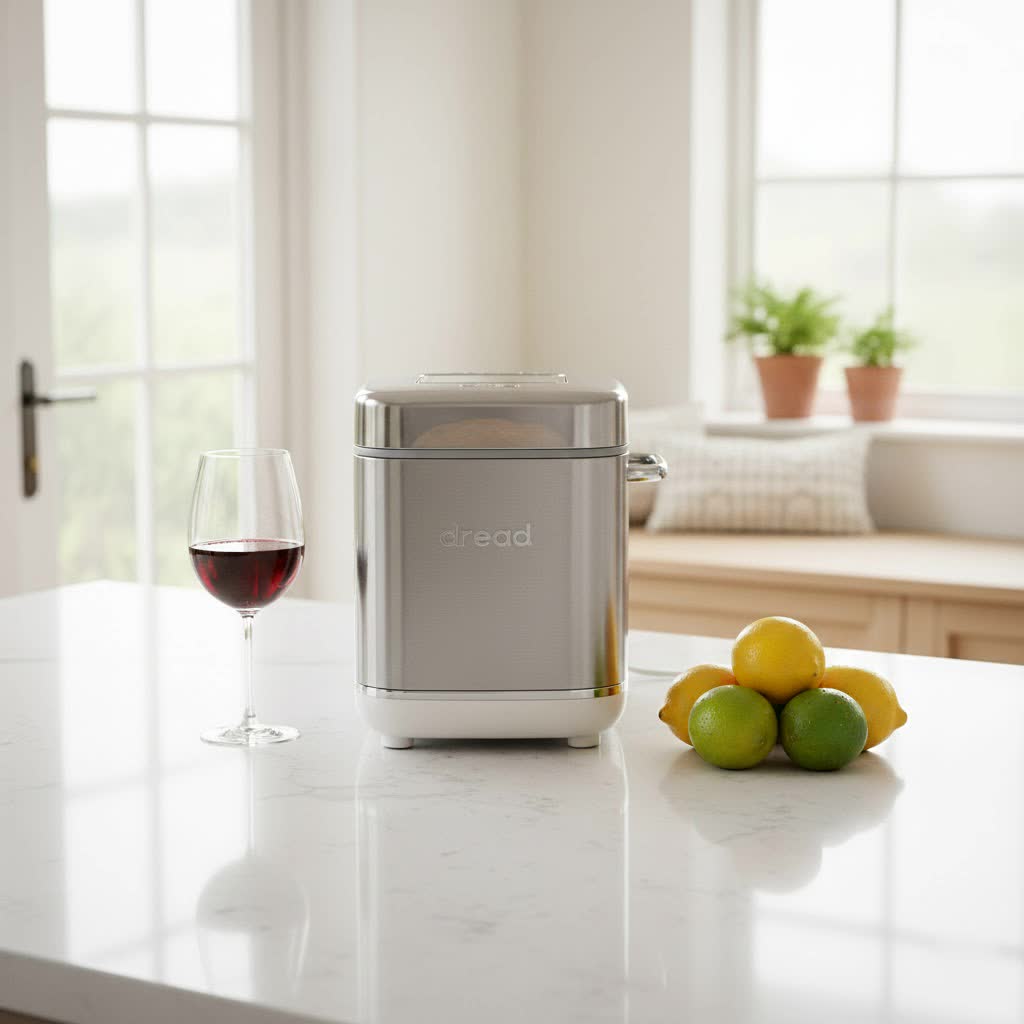
Bread Makers: An Overview
A bread maker is a compact kitchen appliance designed to automate the entire bread-making process, from mixing and kneading to rising and baking. It simplifies what can often be a time-consuming and labor-intensive culinary art, making fresh bread accessible to everyone. With just a few ingredients and a press of a button, you can enjoy a variety of loaves that surpass store-bought options in taste and quality.
The concept of automated bread making has evolved significantly since the first home bread machine was introduced in Japan by Matsushita Electric Industrial Co. (now Panasonic) in 1986. Early models were basic, but modern bread makers boast an array of features, programs, and settings, catering to diverse baking needs. They’ve revolutionized home baking by offering convenience and consistency previously unattainable for the casual baker.
Today’s market features several types of bread makers, primarily distinguished by their loaf size capabilities and feature sets. Common categories include compact models for smaller households, standard machines for families, and larger capacity units ideal for entertaining or bulk baking. Some even specialize in gluten-free baking or include dispensers for nuts and fruits, making them versatile kitchen tools.
Why Use a Bread Maker?
The allure of using a bread maker extends far beyond mere convenience; it’s about reclaiming the joy of homemade bread with unparalleled ease. In a fast-paced world, these appliances offer a respite, allowing you to create wholesome, delicious loaves without dedicating hours to the process. It’s a game-changer for anyone who loves fresh bread but lacks the time or confidence for traditional baking methods.
One of the primary advantages is the incredible convenience and time-saving aspect. Simply add your ingredients, select a program, and let the machine handle the rest. This automation frees up your hands for other tasks, transforming bread making from a chore into a seamless experience. Many models even come with delay timers, allowing you to prepare ingredients the night before and wake up to a freshly baked loaf.
Furthermore, a bread maker offers unparalleled control over your ingredients and recipes. You can customize flours, sugars, salts, and additions to suit dietary needs or personal preferences, whether you’re avoiding preservatives, reducing sodium, or experimenting with unique flavor combinations. This level of customization is impossible with mass-produced bread.
Beyond convenience and control, using a bread maker ensures food safety and hygiene. When you bake at home, you have complete oversight of the entire process, from ingredient sourcing to final product. This transparency offers peace of mind, especially for those with allergies or sensitivities, as you eliminate concerns about cross-contamination or hidden additives found in commercial breads.
Ultimately, the most compelling reason is the sheer delight of fresh, warm bread. There’s nothing quite like the smell and taste of a loaf pulled straight from the bread maker, with its crispy crust and soft, airy interior. It elevates meals, makes for perfect sandwiches, and turns simple toast into a gourmet experience. It truly brings the bakery experience into your home, effortlessly producing consistently delicious results.
Choosing the Right Bread Maker for Your Needs
Selecting the perfect bread maker can feel daunting with the array of options available, but understanding your specific needs is the first step. The right machine will seamlessly integrate into your lifestyle, becoming a cherished kitchen companion that delivers delicious bread time and again. Consider these factors to make an informed decision when you are using a bread maker.
Determining Your Usage Needs
|
Our Picks for the Best Bread Maker in 2026
As an Amazon Associate I earn from qualifying purchases.
|
||
| Num | Product | Action |
|---|---|---|
| 1 | KITCHENARM 29-in-1 SMART Bread Machine with Gluten Free Setting 2LB 1.5LB 1LB Bread Maker Machine with Homemade Cycle - Stainless Steel Breadmaker with Recipes Whole Wheat Bread Making Machine |

|
| 2 | KBS Premium 2LB Convection Bread Maker Dual Heaters, 710W Stainless Steel 17-in-1 Bread Machine Healthy Ceramic Pan, Nut Dispenser,Touch Panel, 3 Loaf Sizes 3 Crust Colors, 15H Timer,Low Noise,Recipes |
|
| 3 | 2LB Bread Maker Machine, OSIPOTO 17 in 1 Automatic Stainless Steel Bread Machine, Non-stick, Beginner-Friendly Controls, 15 Hour Timer, Easy to Clean Low Noise, High Success Rate for Homemade Bread |
|
| 4 | KBS Pro 710W 2LB Bread Maker, Stainless Steel 17-in-1 Smart Bread Machine with Healthy Ceramic Pan, Automatic Nut Dispenser, Tempered Glass Touch Panel, 3 Crust Colors, 15H Timer& Keep-Warm, Recipes |
|
| 5 | Neretva Bread Maker, 20-in-1 2LB Bread Machine Dual Heater & Nonstick Ceramic Pan Bread Makers Machine All Metal Compact for Gluten Free/Dough Maker/Meat Floss/Jam/Yogurt/Breadmaker Recipe-Light Green |
|
| 6 | Elite Gourmet Programmable Bread Maker, 2 lb Loaf, 3 Sizes, 19 Presets incl. Gluten-Free, Dough & Jam, Delay Timer, Black |
|
| 7 | Cuisinart Bread Maker Machine, Stainless Steel Automatic Bread Machine with 12 Menu Options, 3 Loaf Sizes up to 2 Lb., 3 Crust Colors, Removable Nonstick Baking Pan & Kneading Paddle, CBK-110NAS |
|
| 8 | Cuisinart Bread Maker Machine, Stainless Steel Convection Bread Machine with 16 Menu Options, 3 Loaf Sizes Up to 2 Lb., 3 Crust Colors, Includes Measuring Cup, Spoon & Kneading Hook, CBK-210 |
|
| 9 | Neretva Bread Maker, 20-IN-1 2LB Bread Machine Dual Heater Bread Maker Machine Automatic with Nonstick Ceramic Pan, 15H Timer & 1H Keep Warm Set, Low Noise, Stainless Steel Breadmaker Recipe-Green |
|
| 10 | MERIOR 25-IN-1 Bread Maker with Visible Lid - 2lb Automatic Machine, Auto Nut Dispenser, 13-Hour Delay Timer, One-Touch Control & Recipes – Easy Operation, High Success for Homemade Bread |
|
Before diving into features, reflect on how you envision using a bread maker. Are you baking for a small household of one or two, or do you have a large family with hearty appetites? This will influence the ideal loaf size. Do you primarily crave classic white bread, or are you eager to experiment with whole wheat, gluten-free, or sweet doughs? Different machines excel in different areas. Your budget is also a crucial factor; bread makers range from entry-level models to sophisticated, feature-rich appliances, so establishing a price point helps narrow your choices.
Key Features to Consider
When evaluating bread makers, several features stand out as essential for a satisfying baking experience. The machine’s capacity and size dictate the loaf dimensions and how much counter space it will occupy. The number of programs available is critical; basic models offer standard settings, while advanced machines might include options for sourdough, jam, or even cake. A delay timer and keep-warm function are invaluable for convenience, allowing you to schedule baking and enjoy warm bread hours later. Material quality and durability ensure longevity, while ease of cleaning and maintenance will save you time and effort in the long run. Look for non-stick pans and removable paddles for effortless cleanup.
Reputable Bread Maker Brands
Investing in a reputable brand often means greater reliability, better customer support, and access to a wider community of users. Brands like Panasonic are often lauded for their consistent baking results and advanced features, though they might be on the higher end of the price spectrum. Zojirushi bread makers are known for their exceptional build quality, dual kneading paddles for thorough mixing, and robust programming, making them a favorite among serious home bakers. Cuisinart offers a good balance of features and affordability, often praised for user-friendliness and consistent performance. Hamilton Beach and Oster typically provide budget-friendly options that still deliver solid results for basic bread making. Researching user reviews and professional comparisons can offer deeper insights into each brand’s strengths and weaknesses, helping you align them with your specific priorities.
Comparing Popular Bread Maker Models
Choosing the best bread maker for your kitchen involves weighing various factors, from capacity to specialized functions. A comparative look at popular models can highlight their unique selling points and help you align them with your specific baking aspirations. The market offers a diverse range, each designed to cater to different needs and preferences.
| Model/Brand | Loaf Size Options | Key Features | Pros | Cons | Price Range |
|---|---|---|---|---|---|
| Panasonic SD-YR2500 | Small, Medium, Large (up to 2.5 lbs) | 31 Auto Programs (incl. gluten-free, sourdough), Yeast Dispenser, Fruit/Nut Dispenser, Dual Temperature Sensors | Excellent crust, consistent results, quiet operation, wide program variety | Higher price point, larger footprint | $$$$ |
| Zojirushi BB-PAC20 | 2 lb | Dual Kneading Blades, Heater on Lid, Customizable Homemade Menu, Quick Baking Cycle | Superior kneading, dark crusts, very durable, excellent for specialty breads | Expensive, bulky, only one loaf size | $$$$$ |
| Cuisinart CBK-200 | 1 lb, 1.5 lb, 2 lb | 16 Preprogrammed Menu Options, 3 Crust Shades, 12-hour Delay Start, Convection Baking | Good value, easy to use, consistent performance, convection feature for even baking | Can be noisy, fewer advanced features than premium models | $$$ |
| Hamilton Beach 29885 | 1.5 lb, 2 lb | 14 Program Settings (incl. whole wheat, gluten-free), Delay Timer, Keep Warm | Very affordable, user-friendly for beginners, compact design | Less durable, can be inconsistent with larger loaves, basic features | $ |
| Breville BBM800XL Custom Loaf | 1 lb, 1.5 lb, 2 lb, 2.5 lb | Automatic Fruit and Nut Dispenser, Collapsible Kneading Paddle, Customizable Programs, LCD Smart Interface | Highly customizable, excellent for specialty ingredients, great build quality, precise controls | High cost, learning curve for advanced settings | $$$$ |
Price Range Key: $ = Budget, $$ = Mid-range, $$$ = Upper Mid-range, $$$$ = Premium, $$$$$ = Luxury
This table highlights that while budget options like Hamilton Beach are excellent for beginners and basic loaves, premium machines like Zojirushi or Panasonic offer advanced features, greater consistency, and durability for more serious bakers. For those who love to experiment with various inclusions, models with automatic dispensers like the Breville are invaluable. When making your choice, prioritize the features that align with your most frequent baking intentions and how often you plan on using a bread maker.
Detailed Guide to Using a Bread Maker
Mastering your bread maker is a straightforward process that promises delicious results with minimal effort. Following a few key steps and tips will ensure your loaves turn out perfectly every time. Understanding the nuances of ingredient measurement and program selection is crucial for successful baking.
Preparation Before Baking
Before you begin, ensure your bread maker is clean and dry. Gather all your ingredients, measuring them precisely. Precision is paramount in bread making; even slight deviations can impact the final texture and rise. Have your bread machine pan and kneading paddle(s) in place inside the machine. Make sure to remove the paddle after the final knead cycle if your machine allows, to prevent a large hole in your finished loaf.
Ingredient Selection and Measurement
The order of ingredients is vital when using a bread maker. Typically, liquids go in first, followed by dry ingredients, with yeast added last, usually in a small well created in the flour. Always use fresh ingredients; expired yeast, old flour, or rancid oil can ruin a loaf.
- Liquids: Water, milk, or other liquids should be at room temperature (around 70-80°F or 20-27°C). Too hot or too cold can affect yeast activation.
- Dry Ingredients: Flour (bread flour is recommended for most recipes), sugar, salt, and any spices or dry milk powder. Level your flour properly by scooping it into your measuring cup and leveling off the top with a straight edge, rather than packing it down.
- Fats: Butter, oil, or shortening. These can be added with the liquids or dry ingredients, depending on the recipe.
- Yeast: Always use active dry or bread machine yeast. Instant yeast is generally preferred as it doesn’t require proofing. Keep yeast stored in an airtight container in the refrigerator or freezer for maximum freshness.
Program Settings and Timer
Each bread maker comes with various pre-programmed cycles. Familiarize yourself with your machine’s manual to understand what each program does.
- Basic White Bread: Standard cycle for white or light wheat flour.
- Whole Wheat: Longer kneading and rising times suitable for heavier whole grain flours.
- French/Italian: Creates a crusty exterior and chewy interior, often with longer rise times.
- Sweet Bread: For loaves with high sugar and fat content.
- Dough Cycle: Prepares dough for rolls, pizza, or pastries, stopping before the bake cycle.
- Gluten-Free: Shorter kneading, single rise, and often a higher baking temperature to compensate for the lack of gluten.
- Rapid/Express: Quick cycle for when you’re short on time, often resulting in a denser loaf.
- Delay Timer: Set the timer for when you want the bread to be ready. Ensure perishable ingredients like milk are not left out too long in warmer climates.
Always select the program that best matches your recipe. Also, most machines allow you to choose crust color (light, medium, dark) and loaf size.
Tips for Perfect Bread
- Measure Accurately: Use proper measuring cups and spoons, especially for yeast.
- Room Temperature Ingredients: Ensures optimal yeast activation and dough consistency.
- Don’t Open the Lid: During the kneading and rising cycles, avoid opening the lid, as it can disrupt temperature and humidity, affecting the rise.
- Listen to Your Dough: If the dough looks too dry and crumbly, add a teaspoon of water at a time during the first knead. If it’s too wet and sticky, add a teaspoon of flour.
- Cool Before Slicing: Let your baked bread cool on a wire rack for at least 30-60 minutes before slicing. This allows the internal structure to set and prevents a gummy texture.
- Clean Regularly: Wipe down the pan and kneading paddle immediately after use to prevent sticking and maintain hygiene.
Cleaning and Maintenance
After each use, remove the bread pan and kneading paddle(s). Fill the pan with warm, soapy water to soak, then gently clean with a non-abrasive sponge. Avoid using metal utensils or harsh scrubbers that can damage the non-stick coating. Wipe down the interior and exterior of the machine with a damp cloth. Store your bread maker in a dry, clean place. Periodic inspection of the kneading paddle spindle for wear and tear can prolong the life of your machine.
Delicious Bread Recipes for Your Bread Maker
Your bread maker is a versatile tool, capable of producing a wide array of delicious loaves beyond the basic white. Experimenting with different recipes is one of the joys of using a bread maker, allowing you to discover new favorites and impress your family and friends.
Classic White Bread
This is the quintessential bread maker recipe, perfect for sandwiches or toast.
- Ingredients:
- 1 cup warm water (80-90°F / 27-32°C)
- 2 tbsp unsalted butter, softened
- 1.5 tsp salt
- 2 tbsp sugar
- 3 cups bread flour
- 2 tsp active dry or bread machine yeast
- Instructions:
- Add ingredients to the bread pan in the order specified by your bread maker’s manual (usually liquids first, then dry, yeast last).
- Select the “Basic White” or “White Bread” program, medium crust, and 1.5 lb loaf size.
- Press start and enjoy the aroma!
- Cool on a wire rack before slicing.
Wholesome Whole Wheat Bread
A nutritious and hearty loaf, rich in fiber and flavor.
- Ingredients:
- 1 1/4 cups warm water (80-90°F / 27-32°C)
- 2 tbsp olive oil or vegetable oil
- 2 tbsp molasses or honey
- 1.5 tsp salt
- 3 cups whole wheat flour
- 1/4 cup vital wheat gluten (optional, improves texture)
- 2 tsp active dry or bread machine yeast
- Instructions:
- Add ingredients to the bread pan as per your machine’s instructions.
- Select the “Whole Wheat” program, medium crust, and 1.5 lb loaf size.
- Start the machine and allow it to complete the cycle.
- Let cool completely before slicing to avoid a gummy texture.
Sweet Challah Bread
A rich, slightly sweet, and beautifully braided bread, perfect for breakfast or special occasions. While the bread maker handles the dough, you’ll finish it by hand.
- Ingredients:
- 1 cup warm milk (80-90°F / 27-32°C)
- 1/4 cup unsalted butter, melted
- 2 large eggs, lightly beaten
- 1/4 cup sugar
- 1 tsp salt
- 3.5 cups bread flour
- 2 tsp active dry or bread machine yeast
- For Egg Wash: 1 egg yolk + 1 tbsp water
- Optional: Sesame seeds or poppy seeds for topping
- Instructions:
- Add milk, melted butter, beaten eggs, sugar, salt, flour, and yeast to the bread pan.
- Select the “Dough” cycle.
- Once the cycle is complete, remove the dough and divide it into three equal pieces. Roll each piece into a long rope, then braid them together.
- Place the braided dough on a baking sheet lined with parchment paper. Cover loosely with plastic wrap and let rise in a warm place for 45-60 minutes, or until doubled in size.
- Preheat oven to 375°F (190°C).
- Brush the challah with the egg wash and sprinkle with seeds if desired.
- Bake for 25-30 minutes, or until golden brown and cooked through.
- Cool on a wire rack.
Artisan Sourdough Loaf (Dough Cycle)
Achieve a classic sourdough texture by using your bread maker for the initial dough preparation.
- Ingredients:
- 1 cup active sourdough starter
- 1 cup warm water (80-90°F / 27-32°C)
- 1 tbsp olive oil
- 1.5 tsp salt
- 3 cups bread flour
- Instructions:
- Add sourdough starter, warm water, olive oil, salt, and bread flour to the bread pan.
- Select the “Dough” cycle.
- After the cycle, remove the dough and shape it into a round or oval loaf. Place it in a floured proofing basket (banneton) or on a baking sheet.
- Cover and refrigerate for 8-12 hours for a slow, flavorful rise, or let it proof at room temperature for 2-4 hours.
- Preheat your oven to 450°F (230°C) with a Dutch oven inside for at least 30 minutes.
- Carefully place the dough into the hot Dutch oven. Score the top with a sharp knife.
- Bake covered for 20 minutes, then uncover and bake for another 20-25 minutes, or until deeply golden brown.
- Cool completely on a wire rack before slicing.
“The magic of a bread maker lies in its ability to take the intimidation out of baking. It’s a fantastic entry point for anyone wanting to enjoy the unparalleled taste of homemade bread without the complex techniques.” – Chef Elena Rodriguez, Culinary Instructor & Bakery Owner
Troubleshooting Common Bread Maker Issues
Even with the best intentions and the right ingredients, sometimes your bread doesn’t turn out as expected. Don’t be discouraged! Most common bread maker problems have simple solutions. Understanding why issues occur can quickly turn a baking mishap into a learning experience.
Bread Not Rising
This is one of the most frustrating problems.
- Cause: Often due to inactive or expired yeast, incorrect water temperature, or too much salt/sugar inhibiting yeast activity.
- Solution: Check your yeast’s expiration date. Ensure your water is between 80-90°F (27-32°C). Measure salt and sugar precisely. Keep yeast separate from salt and sugar until mixing begins. High altitude can also affect rise; you may need to adjust yeast or liquid slightly.
Burnt Bread
A loaf with a dark, overly crispy, or burnt crust while the inside is still raw or gummy.
- Cause: Incorrect crust setting (e.g., dark crust for a delicate loaf), too much sugar, or a faulty heating element.
- Solution: Use the appropriate crust setting for your recipe (medium is usually a safe bet). Reduce sugar slightly if the recipe is very sweet. If the problem persists across different recipes and settings, the heating element might need inspection or repair.
Dry or Crumbly Bread
The loaf lacks moisture and falls apart easily.
- Cause: Too much flour, too little liquid, or over-baking.
- Solution: Accurately measure flour by spooning it into the cup and leveling, rather than scooping directly from the bag. Ensure liquids are precisely measured. Consider adding an extra tablespoon or two of liquid if your flour is particularly absorbent or you live in a dry climate. Ensure you’re selecting the correct loaf size and program, as these influence baking time.
Machine Not Operating
The bread maker fails to start or respond to commands.
- Cause: Power issues, improper lid closure, or a malfunction.
- Solution: Check if the machine is properly plugged into a working outlet. Ensure the lid is securely closed, as some machines have safety interlocks. Refer to your manual’s troubleshooting section. If all else fails, contact customer support for your bread maker brand.
Sunken or Collapsed Loaf
The top of the bread caves in during or after baking.
- Cause: Too much liquid, too much yeast, insufficient flour (weak dough structure), or high humidity.
- Solution: Reduce liquid by a tablespoon or two, or increase flour slightly. Ensure yeast is measured precisely; too much can cause a rapid rise followed by a collapse. In humid environments, reducing liquid slightly can help.
Addressing these common issues will significantly improve your bread-making success when you are using a bread maker, allowing you to consistently produce delicious loaves.
Where to Purchase a Bread Maker
Finding the right bread maker is easy with a variety of retail options available. Whether you prefer the hands-on experience of shopping in-store or the convenience of online browsing, you have plenty of choices to explore.
Reputable Electronics Stores
Large electronics and home appliance stores are excellent places to find bread makers. Retailers such as Best Buy, Walmart, Target, and Costco (in North America) or Curry’s PC World (in the UK) typically stock a range of models from various brands. These stores often have floor models you can inspect, and knowledgeable staff who can answer questions about features and warranties. The advantage here is the ability to see the machine in person and often take it home the same day.
Online Retailers
For the widest selection and often competitive pricing, online retailers are a prime choice. Amazon, eBay, and the official websites of brands like Panasonic, Zojirushi, and Cuisinart offer an extensive catalog of bread makers. Shopping online allows you to compare specifications, read countless customer reviews, and often take advantage of flash sales or exclusive online deals. However, you’ll need to wait for shipping, and you won’t be able to physically inspect the product beforehand.
Department Stores and Supermarkets
Some larger department stores (like Macy’s or John Lewis) and supermarkets with extensive home goods sections may also carry bread makers. While the selection might be more limited compared to dedicated electronics stores or online giants, these can be convenient options if you’re already doing other shopping. It’s always a good idea to check their online inventory before making a special trip.
No matter where you choose to purchase, always ensure the retailer is reputable and offers a clear return policy and warranty.
Bread Maker Buying Guide
Investing in a bread maker is a decision that promises fresh, delicious loaves with minimal effort. To ensure you make the best choice, consider these essential factors before making your purchase. This guide will help you navigate the options and find a machine that perfectly suits your baking aspirations when you are using a bread maker.
Factors to Consider When Buying a Bread Maker
- Loaf Size & Capacity: Bread makers typically produce loaves ranging from 1 lb to 2.5 lbs. Consider your household size and how frequently you’ll bake. A 1.5 lb or 2 lb machine is suitable for most families.
- Programs & Settings: Look for a variety of cycles, including basic, whole wheat, French, sweet, dough, and especially a gluten-free setting if needed. Adjustable crust settings (light, medium, dark) and a delay timer are also highly desirable.
- Dispensers: Some advanced models feature automatic fruit, nut, and yeast dispensers. These are invaluable for adding ingredients at the optimal time without manual intervention.
- Kneading Paddles: Most machines have one paddle, but some premium models feature two for more thorough kneading, which can be beneficial for heavier doughs like whole wheat. Look for collapsible paddles to minimize the hole in the finished loaf.
- Ease of Cleaning: Non-stick bread pans and removable kneading paddles make cleanup much simpler.
- Durability & Build Quality: Read reviews to gauge the longevity of the machine and the quality of its materials. A sturdy build often translates to a longer lifespan.
Budgeting for Your Bread Maker
Bread makers vary widely in price, from under $100 for basic models to over $300 for high-end machines.
- Entry-Level ($50-$100): Good for occasional bakers and basic white/wheat loaves. Fewer features but can be a great starting point.
- Mid-Range ($100-$200): Offers more programs, better build quality, and often a delay timer and different crust settings. A good balance of features and cost.
- Premium ($200+): Excellent build quality, numerous advanced programs (sourdough, jam), automatic dispensers, and often quieter operation and more consistent results. Ideal for frequent bakers or those with specific dietary needs.
Set a realistic budget based on your anticipated usage and desired features.
Comparing Prices and Quality
Don’t just go for the cheapest option. Compare prices across different retailers (both online and in-store) but also consider the machine’s features, brand reputation, and customer reviews. A slightly more expensive model with better reviews and a longer warranty might save you money and frustration in the long run.
Reading User Reviews
Customer reviews are a goldmine of information. They offer real-world insights into the machine’s performance, ease of use, durability, and any common issues. Pay attention to reviews that mention specific problems or unexpected benefits related to using a bread maker. Look for patterns in feedback rather than relying on a single review.
Warranty and Return Policies
Always check the manufacturer’s warranty. A standard warranty is usually one year. Also, understand the retailer’s return policy. This ensures you’re protected in case of defects or if the machine doesn’t meet your expectations. Knowing these policies provides peace of mind with your purchase.
Conclusion
The bread maker stands as a testament to culinary convenience, transforming the intricate art of bread baking into an accessible joy for every home. From the simple satisfaction of a basic white loaf to the adventurous pursuit of artisan sourdough, using a bread maker empowers you to create fresh, wholesome bread with unparalleled ease. By understanding its functions, embracing precise measurements, and addressing common troubleshooting scenarios, you unlock a world of fragrant possibilities right in your kitchen.
Whether you’re a novice baker or a seasoned enthusiast, the right bread maker acts as your loyal assistant, promising consistent results and freeing you from the manual labor of kneading and proofing. It’s an investment not just in an appliance, but in the comforting aroma and delicious taste of homemade goodness that enriches every meal and moment. So, what delightful loaf will you embark on creating with your bread maker today?
Frequently Asked Questions
Can I use regular flour in a bread maker?
Yes, you can use regular all-purpose flour for some recipes, especially for dough cycles or quick breads. However, for most yeast bread recipes, bread flour is recommended as its higher protein content develops gluten better, leading to a lighter, chewier texture and a better rise when using a bread maker.
How often should I clean my bread maker?
You should clean the bread pan and kneading paddle immediately after each use to prevent residue buildup. The interior and exterior of the machine can be wiped down with a damp cloth periodically, or whenever visible spills occur, ensuring your bread maker remains hygienic and functions optimally.
What’s the best way to store homemade bread from a bread maker?
To maintain freshness, store homemade bread at room temperature in an airtight container, a bread box, or a tightly sealed plastic bag. Avoid refrigerating yeast breads, as this can dry them out. For longer storage, slices can be frozen for several months and toasted as needed.
Can I make gluten-free bread in a bread maker?
Absolutely! Many modern bread makers come with a dedicated “Gluten-Free” program, which is optimized for the unique characteristics of gluten-free flours. These programs typically involve less kneading and a single, longer rise, preventing the dense, crumbly texture often associated with gluten-free baking.
Is it necessary to preheat the bread maker?
No, it is generally not necessary to preheat a bread maker. The machine is designed to gradually increase temperature during the various cycles (kneading, rising, baking) according to the selected program. Adding ingredients to a cool bread pan is the standard procedure when you are using a bread maker.
