For many home bakers, the allure of freshly baked bread is undeniable. The aroma filling the kitchen, the warm, soft texture, and the wholesome ingredients create an experience unmatched by store-bought loaves. If you’ve inherited a classic Welbilt bread maker or are considering purchasing one from the vibrant pre-owned market, you’re in for a treat. These enduring machines, while no longer in production, have a storied reputation for reliability and performance. This guide will walk you through everything you need to know, from understanding their features to mastering the art of baking perfect loaves, ensuring your Welbilt machine continues to be a cherished kitchen companion for years to come.
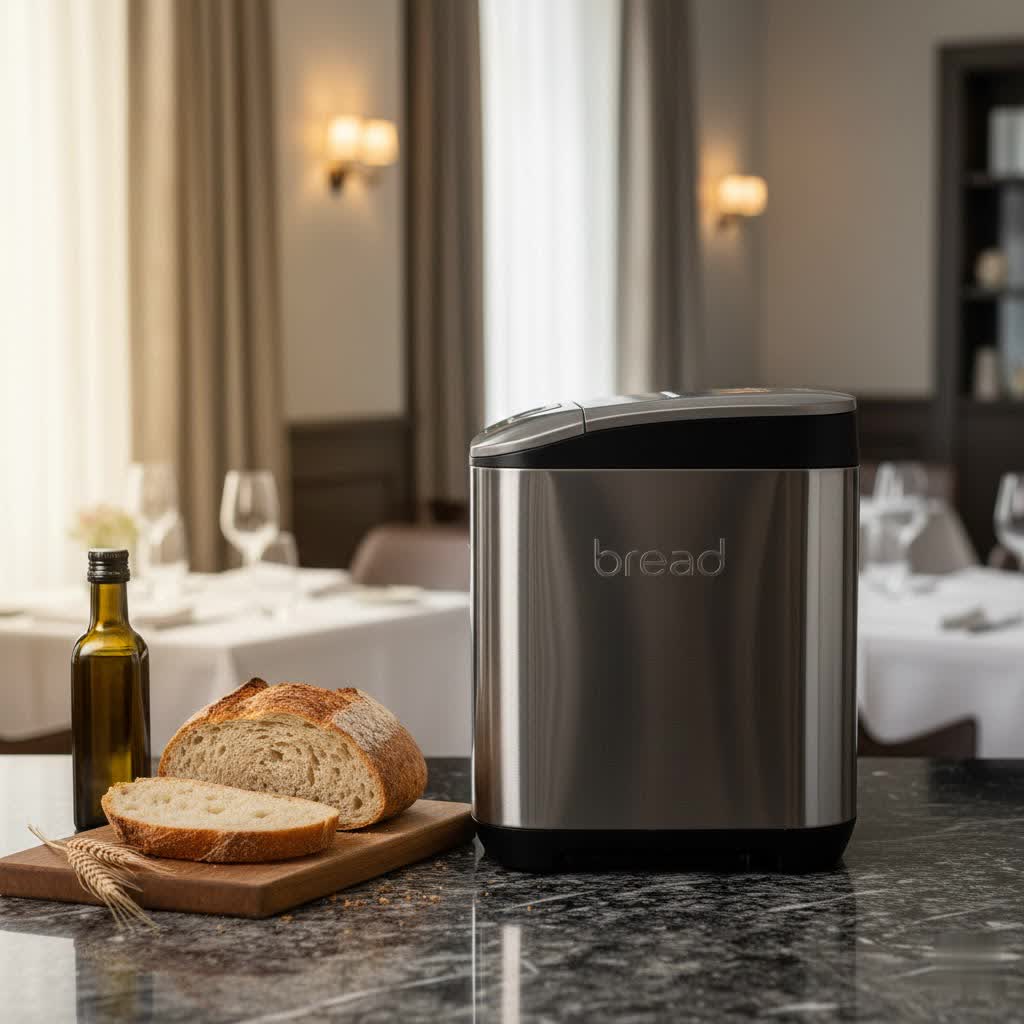
Welbilt Bread Makers: A Legacy of Homemade Goodness
A bread maker is a marvel of kitchen engineering, automating the entire bread-making process from kneading and rising to baking. Welbilt bread makers emerged as a prominent brand during the height of bread machine popularity, offering robust and user-friendly appliances that simplified baking. Though Welbilt as a brand is no longer actively producing bread machines, their models, such as the ABM-6000, ABM-100 series, and ABM2H52, are frequently found in excellent working condition in second-hand markets. Their enduring quality is a testament to their solid construction and straightforward design, making them a favorite among those who appreciate vintage appliances.
Why Choose a Welbilt Bread Maker?
Even in an age of modern kitchen gadgets, a Welbilt bread maker holds unique appeal:
- Convenience and Time-Saving: The primary advantage of any bread maker is its ability to handle all the labor-intensive steps. Simply add ingredients, select a program, and let the machine do the work. This frees up your time, allowing you to enjoy fresh bread with minimal effort.
- Customization and Control: Making bread at home means you have complete control over ingredients. You can experiment with different flours, add seeds, nuts, or dried fruits, and adjust sugar and salt levels to suit dietary needs or personal preferences.
- Ensured Food Safety and Freshness: With a Welbilt, you know exactly what goes into your bread—no hidden preservatives or artificial additives. The result is a fresher, healthier loaf that tastes superior.
- Durability and Value: Welbilt machines are renowned for their longevity. Many units have been reliably making bread for decades, often passed down through families. This makes them an excellent, cost-effective choice when purchased pre-owned, offering remarkable value for their dependable performance.
Finding the Right Welbilt Bread Maker for You
Choosing a Welbilt bread maker today primarily involves navigating the pre-owned market. Here’s what to consider:
Assessing Your Needs
Before diving in, think about your baking habits:
- Loaf Size: Most Welbilt models can produce 1 lb, 1.5 lb, or 2 lb horizontal loaves. Some rare, older models might feature cylindrical pans. Consider your household size and consumption.
- Bread Types: Do you mostly bake basic white bread, or are you interested in whole wheat, sweet breads, or just dough for pizza and rolls? Different models offer varying program selections.
- Budget: As vintage items, prices can vary widely based on condition and rarity, but they are generally more affordable than new machines.
|
Our Picks for the Best Bread Maker in 2026
As an Amazon Associate I earn from qualifying purchases.
|
||
| Num | Product | Action |
|---|---|---|
| 1 | 2LB Bread Maker Machine, OSIPOTO 17 in 1 Automatic Stainless Steel Bread Machine, Non-stick, Beginner-Friendly Controls, 15 Hour Timer, Easy to Clean Low Noise, High Success Rate for Homemade Bread |

|
| 2 | KBS Premium 2LB Convection Bread Maker Dual Heaters, 710W Stainless Steel 17-in-1 Bread Machine Healthy Ceramic Pan, Nut Dispenser,Touch Panel, 3 Loaf Sizes 3 Crust Colors, 15H Timer,Low Noise,Recipes |
|
| 3 | Neretva Bread Maker, 20-in-1 2LB Bread Machine Dual Heater & Nonstick Ceramic Pan Bread Makers Machine All Metal Compact for Gluten Free/Dough Maker/Meat Floss/Jam/Yogurt/Breadmaker Recipe-Light Green |
|
| 4 | KBS Pro 710W 2LB Bread Maker, Stainless Steel 17-in-1 Smart Bread Machine with Healthy Ceramic Pan, Automatic Nut Dispenser, Tempered Glass Touch Panel, 3 Crust Colors, 15H Timer& Keep-Warm, Recipes |
|
| 5 | Elite Gourmet Programmable Bread Maker, 2 lb Loaf, 3 Sizes, 19 Presets incl. Gluten-Free, Dough & Jam, Delay Timer, Black |
|
| 6 | MERIOR 25-IN-1 Bread Maker with Visible Lid - 2lb Automatic Machine, Auto Nut Dispenser, 13-Hour Delay Timer, One-Touch Control & Recipes – Easy Operation, High Success for Homemade Bread |
|
| 7 | Cuisinart Bread Maker Machine, Stainless Steel Convection Bread Machine with 16 Menu Options, 3 Loaf Sizes Up to 2 Lb., 3 Crust Colors, Includes Measuring Cup, Spoon & Kneading Hook, CBK-210 |
|
| 8 | Neretva Bread Maker, 20-IN-1 2LB Bread Machine Dual Heater Bread Maker Machine Automatic with Nonstick Ceramic Pan, 15H Timer & 1H Keep Warm Set, Low Noise, Stainless Steel Breadmaker Recipe-Green |
|
| 9 | Cuisinart Bread Maker Machine, Stainless Steel Automatic Bread Machine with 12 Menu Options, 3 Loaf Sizes up to 2 Lb., 3 Crust Colors, Removable Nonstick Baking Pan & Kneading Paddle, CBK-110NAS |
|
| 10 | KITCHENARM 29-in-1 SMART Bread Machine with Gluten Free Setting 2LB 1.5LB 1LB Bread Maker Machine with Homemade Cycle - Stainless Steel Breadmaker with Recipes Whole Wheat Bread Making Machine |
|
Key Features to Look For
Welbilt bread makers, despite their age, often come equipped with essential features that stand up to modern comparisons:
- Loaf Capacity: Check if the machine supports your desired loaf sizes (e.g., 1 lb, 1.5 lb, 2 lb).
- Program Variety: Look for cycles like Basic, French, Whole Wheat, Sweet, Dough, Rapid Bake, Jam, and Bake Only. Some advanced models might offer “Ultra Fast” settings or specialized dough cycles like “Bagel Dough.”
- Crust Control: Most models offer Light, Medium, and Dark crust options.
- Delay Timer: A programmable timer, often up to 13 hours, is a valuable feature for waking up to fresh bread or having it ready after work.
- Keep Warm Function: Many Welbilt machines will keep your bread warm for up to an hour after baking to prevent it from becoming soggy.
- Add Ingredients Signal: A handy beep that alerts you when to add fruits, nuts, or other mix-ins to prevent them from being over-kneaded.
- Removable Bread Pan: Essential for easy bread removal and cleaning. Most Welbilt models feature a single kneading blade.
- Power Loss Memory: This feature allows the machine to resume its cycle after a brief power interruption.
Buying Pre-Owned
Since Welbilt machines are no longer manufactured, you’ll be looking at the used market:
- Where to Look: Online marketplaces like eBay, Etsy, and Facebook Marketplace are prime locations. Local thrift stores, garage sales, and estate sales can also yield hidden gems.
- What to Check: Pay close attention to the condition of the bread pan (ensure the non-stick coating is intact), the kneading paddle, and the overall functionality of the machine. Always ask for photos or videos of the machine in operation if possible.
Welbilt Bread Maker Models: A Quick Comparison
While an exhaustive list is difficult due to their vintage nature, here’s a general overview of common Welbilt models and their typical characteristics:
| Model Series | Loaf Sizes | Key Cycles (Common) | Notable Feature | Availability (Used Market) |
|---|---|---|---|---|
| ABM-100 series | 1.5 lb, 2 lb | Basic, Whole Wheat, French, Dough, Rapid | Robust, classic design | Very Common |
| ABM-6000 | 1.5 lb, 2 lb | Basic, Rapid, Wheat, French, Dough | Horizontal loaf, quiet operation | Common |
| ABM2H52 / ABMY2K1 | 1 lb, 1.5 lb, 2 lb | Basic, French, Whole Wheat, Sweet, Ultra Fast, Dough, Jam | Up to 47 settings (variations), power loss memory | Moderately Common |
| ABM4100T | Up to 2 lb (horizontal) | Basic, Whole Wheat, French, Dough, Bake | Clear troubleshooting guidance in manuals | Common |
Getting Started with Your Welbilt Bread Maker: A Step-by-Step Guide
Using your Welbilt bread maker is simple, but precision is key to achieving consistent, delicious results.
Preparation
- Cleanliness is Key: Before first use and after each loaf, ensure the bread pan and kneading blade are clean. Wipe the exterior with a damp cloth. Never immerse the main unit or the bread pan in water.
- Assemble Components: Securely attach the kneading blade onto the drive shaft inside the bread pan. Ensure the pan is properly seated in the baking chamber until it clicks firmly into place.
Ingredient Selection and Measurement
- Fresh Yeast is Vital: Yeast is the heart of your bread. Always check the expiration date and store it in the refrigerator. Inactive yeast is a common culprit for failed loaves.
- Room Temperature Ingredients: For optimal yeast activation and dough consistency, use ingredients that are at room temperature.
- Accurate Measuring: This is paramount for bread machines. Use liquid measuring cups for liquids (checking at eye level) and dry measuring cups leveled with a straight edge for dry ingredients. Small inaccuracies can significantly impact the outcome.
- Correct Order: Welbilt manuals often specify a particular order for adding ingredients. A common sequence is liquids first, followed by dry ingredients (flour, sugar, salt), with the yeast added last on top of the dry ingredients, ensuring it doesn’t directly touch the liquid until the kneading begins. This is especially important when using the delay timer.
Setting the Program and Timer
- Plug In: Connect the power cord to a 120V AC outlet.
- Select Cycle: Use the “MENU/SELECT” button to choose your desired program (e.g., Basic, Whole Wheat, Dough).
- Crust Color: Press the “COLOR” button to select your preferred crust darkness (Light, Medium, Dark).
- Loaf Size: If applicable, press the “LOAF” button to choose the loaf size (1 lb, 1.5 lb, or 2 lb).
- Delay Timer (Optional): If you want to delay baking, use the “TIMER” buttons to set the desired completion time (up to 13 hours).
- Start: Press the “START/STOP” button to begin the cycle.
Tips for Perfect Welbilt Bread
- Check Dough Consistency: About 5-10 minutes into the first kneading cycle, lift the lid (carefully!) and observe the dough. It should form a soft, tacky ball. If it’s too dry, add liquid (1/2 to 1 tablespoon at a time); if too wet, add flour (1/2 to 1 tablespoon at a time).
- Avoid Opening During Baking: While checking during kneading is fine, do not open the lid during the baking cycle, especially during the last hour or “Ultra-Fast” cycles, as this can cause the bread to collapse.
- Promptly Remove Bread: Once the baking cycle finishes, remove the bread pan from the machine. To prevent a soggy crust, immediately shake the loaf out onto a wire cooling rack.
- Dealing with a Stuck Paddle: It’s common for the kneading paddle to get stuck inside the baked loaf. If it remains in the bread, carefully remove it with a non-metal utensil once the bread has cooled slightly. If it’s stuck in the pan, fill the pan with hot water and soak it to loosen.
- Cool Before Slicing: For best texture and easier slicing, allow the bread to cool on a wire rack for 15-30 minutes before cutting.
“As an admin of reviewrdous.com with over a decade of hands-on experience, I’ve seen countless bread makers come and go. Welbilt machines, though vintage, stand out for their robust build and consistent performance – a true testament to classic engineering.” – Admin, reviewrdous.com
Care & Maintenance
- Cleaning: Wipe the lid and exterior with a damp cloth. Remove crumbs from the baking chamber. Handwash the bread pan and kneading blade with warm, soapy water. Do not use abrasive cleaners or scourers, as they can damage the non-stick coating.
- Cooling: Always allow the bread machine to cool completely before starting another loaf, or before cleaning and storing.
- Storage: Store your Welbilt bread maker in a dry, level place. Do not stack anything on top of it.
Delicious Welbilt Bread Maker Recipes to Try
While specific Welbilt recipe books might be harder to find, most standard bread machine recipes will work well. The key is to pay attention to ingredient order and precise measurements.
- Basic White Bread: This is often the starting point for any bread maker owner. A simple recipe usually involves water, oil, salt, sugar, bread flour, and yeast.
- Whole Wheat Bread: Welbilt machines excel at handling heavier flours. Remember that whole wheat breads often require a longer kneading and rising time and may produce a denser, shorter loaf.
- Sweet Breads: Recipes like cinnamon raisin bread or challah are delightful. If using the delay timer, be cautious with perishable ingredients like fresh milk or eggs; use powdered milk and ensure ingredients are separated from yeast.
- Dough for Pizza and Rolls: The “Dough” cycle is a fantastic feature. It prepares the dough through kneading and the first rise, allowing you to remove it, shape it, and bake it in a conventional oven for pizza, dinner rolls, or even bagels.
Troubleshooting Common Welbilt Bread Maker Issues
Even with a reliable machine, problems can sometimes arise. Here are solutions to common Welbilt bread maker issues:
- Bread Doesn’t Rise or Collapses:
- Yeast Issues: The most common cause is old or inactive yeast. Always check the expiration date and ensure your yeast is fresh.
- Ingredient Order/Temperature: Ensure ingredients are added in the order specified in your manual (often liquids, then dry, then yeast) and are at room temperature.
- Too Much/Too Little Liquid: This can impact the dough’s structure. Adjust liquid slightly, especially in humid conditions or at high altitudes (reduce liquid by 1 tablespoon per 1000 feet above 3000 feet).
- DOUGH Program Selected: If your bread doesn’t bake, ensure you haven’t mistakenly selected the “Dough” program instead of a full bread cycle.
- Bread is Too Dry, Soggy, or Dense:
- Soggy Crust: Leaving the bread in the pan after baking can trap steam and make the crust soggy. Remove it promptly onto a wire rack.
- Too Dry: Ensure accurate liquid measurements.
- Dense Bread: Could be due to inactive yeast or insufficient kneading.
- Machine Not Starting or Mixing:
- Power: Check if the machine is properly plugged into a functional outlet.
- Pan Seating/Blade: Ensure the bread pan is correctly seated and the kneading blade is attached to the shaft.
- Overheating: If the machine was recently used, it might be too hot to start a new cycle. Allow it to cool down completely.
- Kneading Blade Stuck: As mentioned, this is common. Soak the pan in hot water to loosen the blade. If stuck in the bread, carefully extract it with a non-metal utensil.
Where to Find Welbilt Bread Makers Today
While you won’t find new Welbilt bread makers on store shelves, the robust nature of these machines means they are readily available in the secondary market.
- Online Marketplaces: Sites like eBay and Facebook Marketplace are treasure troves for vintage kitchen appliances. Search for specific model numbers (e.g., “Welbilt ABM-6000”) to narrow your options.
- Thrift Stores and Estate Sales: These locations are excellent for finding well-preserved, often lightly used, Welbilt machines at bargain prices.
- Replacement Parts: If your machine needs a new paddle, pan, or even a belt, search online specialty stores or general marketplaces. Many common parts are still available due to the machine’s widespread popularity in its heyday.
Buying Guide for Welbilt Bread Makers (Considering a Vintage Purchase)
Purchasing a vintage Welbilt bread maker can be a rewarding experience. Here’s how to make an informed choice:
- Budget Accordingly: While generally inexpensive, factor in potential shipping costs if buying online. Most Welbilt machines can be found for under $100, often significantly less.
- Inspect Condition Thoroughly:
- Bread Pan: Crucially, check for deep scratches or flaking on the non-stick coating, which can cause bread to stick.
- Kneading Paddle: Ensure it’s present and not excessively worn or broken.
- Motor/Operation: If buying in person, try to plug it in and ensure it powers on and the kneading mechanism works. For online purchases, request a video of it operating.
- Lid and Housing: Look for cracks or significant damage.
- Consult User Reviews: Search online forums and communities for model-specific insights from other Welbilt owners. They often share tips, common quirks, and feedback on longevity.
- Locate a Digital Manual: Many Welbilt manuals are available as free PDFs online. Finding the manual for your specific model is invaluable for recipes, program descriptions, and troubleshooting.
- Understand Warranty Limitations: Vintage machines typically come without a warranty. Factor this into your decision and purchase price.
Conclusion
The Welbilt bread maker, though a product of a bygone era, continues to deliver the simple pleasure of homemade bread with remarkable efficiency and durability. By understanding its classic features, following precise baking techniques, and knowing how to troubleshoot common issues, you can unlock a world of aromatic, delicious loaves right in your kitchen. Choosing a Welbilt isn’t just about owning an appliance; it’s about embracing a legacy of quality and the timeless joy of baking.
What will be the first Welbilt masterpiece you create?
Frequently Asked Questions
Are Welbilt bread makers still manufactured?
No, Welbilt bread makers are no longer in production. The company transitioned its focus, and the bread machine line was discontinued years ago. All Welbilt bread makers available today are pre-owned or vintage models.
Can I use modern bread recipes in a Welbilt machine?
Yes, most standard bread machine recipes can be adapted for a Welbilt machine. However, it’s crucial to follow the ingredient order specified in a Welbilt manual (often yeast last) and ensure accurate measurements, as older machines can be more sensitive to these details.
How do I find a manual for my Welbilt bread maker?
Many Welbilt bread maker manuals are available online as free PDF downloads. Websites specializing in appliance manuals or general search engines can help you find the specific manual for your model number.
Why is my bread collapsing in my Welbilt?
Bread collapsing is often due to inactive yeast, incorrect liquid-to-flour ratios, or too much yeast, causing the dough to rise too quickly and then fall. Ensure your yeast is fresh, measure ingredients precisely, and use room temperature liquids.
Where can I get replacement parts for my Welbilt bread maker?
Replacement parts like kneading paddles, bread pans, and drive belts for Welbilt bread makers can often be found on online marketplaces like eBay or through specialty appliance parts retailers. Search using your specific Welbilt model number for compatibility.
