Craving the comforting aroma of freshly baked bread filling your home, but unsure where to begin your search for the perfect appliance? A bread maker can transform this dream into a daily reality, offering unparalleled convenience and delicious results with minimal effort. This guide is designed to help you navigate the options and confidently choose the ideal bread maker, ensuring you can quickly locate and purchase one, whether through fast online delivery or a local retail store near you.
What is a Bread Maker and Why Do You Need One?
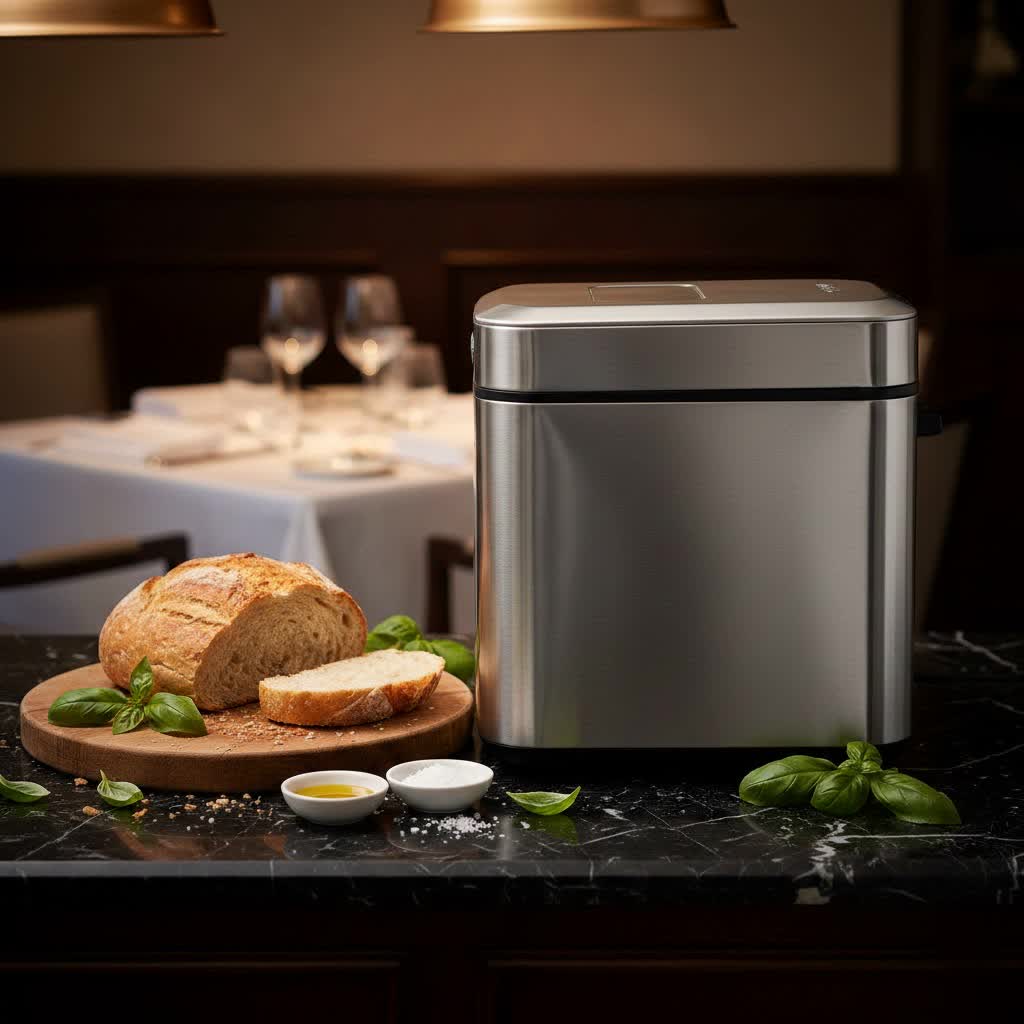
A bread maker is a countertop kitchen appliance that automates the entire bread-making process, from mixing and kneading to rising and baking. Its primary purpose is to simplify home baking, allowing you to enjoy fresh loaves without the intensive labor traditionally required. While often associated with modern kitchens, the concept dates back to the late 1980s, evolving significantly to include diverse programs and features for various bread types. Today, common bread maker types range from compact models ideal for small kitchens to larger capacity machines suitable for families, with designs often featuring vertical or horizontal loaf pans.
The Benefits of Owning a Bread Maker
Owning a bread maker brings a multitude of advantages to any household. Foremost among these is the sheer convenience and significant time savings it offers, automating steps that would otherwise take hours of hands-on work. This allows you to simply add ingredients, press a button, and return later to a perfectly baked loaf. Furthermore, a bread maker provides complete control over your ingredients, enabling easy customization of recipes to suit dietary needs or preferences, such as reducing sugar or adding whole grains. This also ensures superior food safety, as you know exactly what goes into your bread, free from preservatives or artificial additives. Ultimately, the greatest benefit is the consistent ability to create fresh, warm, and delicious bread right in your own kitchen, any time you desire.
How to Choose the Right Bread Maker for Your Home
Selecting the perfect bread maker involves understanding your specific needs and aligning them with the features available on the market. Considering these factors will ensure your investment yields the freshest, most satisfying loaves.
Assessing Your Baking Needs
|
Our Picks for the Best Bread Maker in 2026
As an Amazon Associate I earn from qualifying purchases.
|
||
| Num | Product | Action |
|---|---|---|
| 1 | Neretva Bread Maker, 20-IN-1 2LB Bread Machine Dual Heater Bread Maker Machine Automatic with Nonstick Ceramic Pan, 15H Timer & 1H Keep Warm Set, Low Noise, Stainless Steel Breadmaker Recipe-Green |

|
| 2 | 2LB Bread Maker Machine, OSIPOTO 17 in 1 Automatic Stainless Steel Bread Machine, Non-stick, Beginner-Friendly Controls, 15 Hour Timer, Easy to Clean Low Noise, High Success Rate for Homemade Bread |
|
| 3 | Cuisinart Bread Maker Machine, Stainless Steel Convection Bread Machine with 16 Menu Options, 3 Loaf Sizes Up to 2 Lb., 3 Crust Colors, Includes Measuring Cup, Spoon & Kneading Hook, CBK-210 |
|
| 4 | Elite Gourmet Programmable Bread Maker, 2 lb Loaf, 3 Sizes, 19 Presets incl. Gluten-Free, Dough & Jam, Delay Timer, Black |
|
| 5 | Neretva Bread Maker, 20-in-1 2LB Bread Machine Dual Heater & Nonstick Ceramic Pan Bread Makers Machine All Metal Compact for Gluten Free/Dough Maker/Meat Floss/Jam/Yogurt/Breadmaker Recipe-Light Green |
|
| 6 | KBS Pro 710W 2LB Bread Maker, Stainless Steel 17-in-1 Smart Bread Machine with Healthy Ceramic Pan, Automatic Nut Dispenser, Tempered Glass Touch Panel, 3 Crust Colors, 15H Timer& Keep-Warm, Recipes |
|
| 7 | KBS Premium 2LB Convection Bread Maker Dual Heaters, 710W Stainless Steel 17-in-1 Bread Machine Healthy Ceramic Pan, Nut Dispenser,Touch Panel, 3 Loaf Sizes 3 Crust Colors, 15H Timer,Low Noise,Recipes |
|
| 8 | KITCHENARM 29-in-1 SMART Bread Machine with Gluten Free Setting 2LB 1.5LB 1LB Bread Maker Machine with Homemade Cycle - Stainless Steel Breadmaker with Recipes Whole Wheat Bread Making Machine |
|
| 9 | MERIOR 25-IN-1 Bread Maker with Visible Lid - 2lb Automatic Machine, Auto Nut Dispenser, 13-Hour Delay Timer, One-Touch Control & Recipes – Easy Operation, High Success for Homemade Bread |
|
| 10 | Cuisinart Bread Maker Machine, Stainless Steel Automatic Bread Machine with 12 Menu Options, 3 Loaf Sizes up to 2 Lb., 3 Crust Colors, Removable Nonstick Baking Pan & Kneading Paddle, CBK-110NAS |
|
Before diving into specifications, take a moment to consider what you truly need from a bread maker. Are you baking for a large family or just for yourself? This will influence the ideal loaf size. Do you primarily crave classic white bread, or are you eager to experiment with whole wheat, gluten-free, or sweet bread varieties? Your preferred bread types dictate the necessary programs. Finally, establish a clear budget; bread makers range from entry-level models to premium appliances with advanced features, so knowing your financial comfort zone is crucial.
Essential Features to Look For
The right features can greatly enhance your bread-making experience.
- Loaf Capacity and Machine Size: Most bread makers produce 1 to 2.5-pound loaves. Consider your typical consumption and available counter space. Compact models are great for smaller kitchens, while larger ones suit bigger families.
- Number of Programs and Settings: Modern machines offer a variety of pre-set programs for different bread types, doughs, jams, and even cakes. Look for options like “basic,” “whole wheat,” “gluten-free,” “dough,” “jam,” and “quick bake.”
- Delay Timer and Keep Warm Function: A delay start timer is invaluable, allowing you to load ingredients at night and wake up to freshly baked bread in the morning. A keep warm function ensures your loaf stays at an optimal temperature after baking.
- Material and Durability: Stainless steel exteriors often indicate higher durability and a more premium feel, while plastic models can be more budget-friendly and lightweight. Non-stick pans are standard for easy loaf removal.
- Ease of Cleaning and Maintenance: A removable, non-stick bread pan is essential for hassle-free cleanup. Some models feature collapsible kneading paddles that reduce holes in the finished loaf and simplify cleaning.
Reputable Bread Maker Brands
The market offers several trusted brands known for their quality and innovation in bread makers.
- Zojirushi: Often praised for producing consistently excellent loaves with even browning and texture. Their models, like the Virtuoso Plus, are known for quality and often come with dual paddles for thorough kneading.
- Breville: The Custom Loaf Bread Maker by Breville is highly versatile, offering numerous settings, automatic mix-in dispensers, and the ability to save custom recipes. Users appreciate its high performance, though some find it noisy.
- Cuisinart: The Cuisinart Compact Automatic Bread Maker is a popular choice for its balance of features and affordability. It’s often highlighted for its range of programs, including excellent results for quick breads.
- Panasonic: Known for advanced technology, Panasonic bread makers often feature a wide array of programs, including specialized gluten-free options and dispensers for additional ingredients.
- Hamilton Beach: A strong contender for beginners and budget-conscious buyers, Hamilton Beach models offer basic yet effective functionality, delivering good results for everyday loaves and doughs.
“The key to a truly satisfying bread maker experience lies in matching the machine’s capabilities to your personal baking rhythm and desired outcomes,” says a seasoned kitchen appliance expert.
Popular Bread Maker Models: A Comparative Overview
To help you visualize your options, here’s a comparison of some popular bread maker models, highlighting their key specifications and best uses.
| Model | Max Loaf Size | Key Features | Typical Price Range | Best For |
|---|---|---|---|---|
| Breville Custom Loaf Bread Maker | 2.5 lbs | 13 settings, automatic fruit/nut dispenser, collapsible paddle, custom programs | $300 – $450 | Versatile bakers, advanced features |
| Zojirushi Home Bakery Virtuoso Plus | 2 lbs | Dual kneading paddles, quick baking cycles, various crust settings | $350 – $500 | Consistent quality, artisanal-style loaves |
| Cuisinart Compact Automatic Bread Maker | 2 lbs | 12 programs, 3 loaf sizes, 13-hour delay timer, compact design | $100 – $180 | Beginners, quick breads, smaller kitchens |
| Hamilton Beach Bread Maker Machine | 2 lbs | 14 programs, delay timer, adjustable crust control, budget-friendly | $80 – $120 | Entry-level, basic bread, value for money |
This table provides a snapshot, but always review specific product details for the most current information, as features and pricing can vary. These models generally receive high marks for their performance and reliability, making them solid choices for home bakers.
Getting Started with Your Bread Maker: A Step-by-Step Guide
Embracing your new bread maker is a straightforward process that quickly leads to delicious results. Following these steps will ensure a successful baking experience every time.
First, prepare your machine. Ensure the bread pan and kneading paddle(s) are clean and properly inserted into the machine. Always place the machine on a stable, heat-resistant surface away from walls or cabinets to allow for proper ventilation during baking.
Next, accurately measure your ingredients. This is the most crucial step in bread making. Always add liquids first, followed by dry ingredients, and yeast last, keeping it separate from salt and sugar until mixing begins. Use proper measuring cups and spoons for accuracy, and ensure ingredients are at room temperature unless specified otherwise.
Then, select your program and settings. Consult your machine’s manual for the correct program corresponding to your recipe (e.g., “basic white,” “whole wheat,” “gluten-free”). Customize loaf size and crust color if available, and utilize the delay timer if you want your bread ready at a later time.
Finally, enjoy your freshly baked loaf and maintain your machine. Once the cycle is complete, carefully remove the bread pan, invert the loaf onto a cooling rack, and allow it to cool completely before slicing. This prevents a gummy texture. After each use, clean the bread pan and kneading paddle with warm, soapy water and wipe down the exterior of the machine. Always ensure the machine is cool before cleaning or storing.
Delicious Bread Maker Recipes to Try
Your bread maker opens up a world of baking possibilities beyond just a simple loaf. Here are a few essential recipes to get you started and inspire your creativity:
- Basic White Bread: This is the cornerstone of bread making. Typically, it involves water, flour, yeast, sugar, salt, and a touch of oil or butter. The basic setting on your machine will yield a soft, fluffy loaf perfect for sandwiches or toast.
- Whole Wheat Bread: For a healthier option, use whole wheat flour. Many machines have a dedicated whole wheat setting to accommodate the denser nature of this flour, resulting in a hearty and nutritious loaf.
- Sweet Breads: Indulge your sweet tooth with recipes like cinnamon raisin bread or brioche. These often include eggs, milk, and more sugar, with some machines offering a “sweet bread” or “cake” program. An automatic dispenser is particularly handy for adding raisins or chocolate chips at the right moment.
- Specialty Doughs: Beyond full loaves, your bread maker can prepare doughs for pizza, pasta, dinner rolls, or even bagels. Simply use the “dough” cycle, and once it’s done, you can shape and bake it in your conventional oven.
Troubleshooting Common Bread Maker Issues
Even with the best machines, occasional hiccups can occur. Here’s how to address some common problems:
- Bread not rising: This is often due to inactive yeast, expired flour, or incorrect liquid temperature. Ensure your yeast is fresh, your water isn’t too hot or cold, and you’ve added the correct amount.
- Bread is burnt or too dark on top: Check your crust setting. If it’s consistently too dark, you might be using too much sugar, which caramelizes quickly. Try a lighter crust setting or reduce sugar slightly.
- Bread is dry or dense: This can result from too much flour or not enough liquid. Measure precisely, and remember that humidity can affect flour absorption, so minor adjustments might be needed.
- Machine not working: First, ensure it’s properly plugged in. Check the power outlet. If the machine still doesn’t respond, consult your manual for specific error codes or troubleshooting steps, or contact customer support.
Where to Buy a Bread Maker Near You
When you’re ready to bring home a bread maker, finding one conveniently is key. You have several excellent options, both online and in physical stores.
For those who prefer to see and touch the product, or need a bread maker immediately, major retailers are a fantastic resource. Stores like Best Buy, Walmart, Target, Lowe’s, Home Depot, and regional appliance chains such as BrandsMartUSA frequently stock a variety of bread maker brands and models. Many of these retailers also offer online inventory checks, allowing you to confirm if your desired model is “in stock at store today” for quick pickup. This “near me” approach lets you bypass shipping times and start baking sooner.
Online marketplaces like Amazon also offer an extensive selection, often with competitive pricing and fast shipping options, including same-day or next-day delivery in many areas. While not a physical store, the speed of delivery can mimic the convenience of a local purchase. When shopping, always look into the retailer’s price matching policies, warranty details, and return procedures to ensure a smooth purchase experience. Checking user reviews specific to buying from that retailer can also provide valuable insights.
Your Comprehensive Bread Maker Buying Guide
Navigating the market for a bread maker requires a strategic approach to ensure you make the best choice. Consider these factors before making your final purchase. First, clearly define your budget. Bread makers vary widely in price, from under $100 for basic models to over $400 for high-end, feature-rich machines. Next, prioritize features based on your needs. Do you require a gluten-free setting, an automatic dispenser, or multiple loaf sizes? Don’t pay for features you won’t use.
It’s also wise to compare prices and quality across different brands and retailers. A slightly more expensive model might offer better durability or a longer warranty, providing greater value in the long run. Crucially, read user reviews. Real-world experiences offer invaluable insights into a machine’s performance, durability, and ease of use. Finally, understand the warranty and return policies of both the manufacturer and the retailer. This protection is essential in case of any defects or if the product doesn’t meet your expectations.
Conclusion
Embracing the convenience and joy of homemade bread has never been easier, thanks to the advancements in bread maker technology. From the initial steps of selecting the right machine to mastering the art of baking diverse loaves, a bread maker empowers you to create fresh, wholesome bread with minimal effort. By considering your baking needs, understanding essential features, and knowing where to purchase, you’re well-equipped to make an informed decision and find the perfect bread maker near you. It’s an investment that promises not only delicious results but also the comforting aroma of home. What delicious loaf will you bake first with your new bread maker?
Frequently Asked Questions
What is the best bread maker for beginners?
For beginners, models like the Hamilton Beach Bread Maker Machine or the Amazon Basics 2-Pound Nonstick Bread Machine are excellent choices. They offer straightforward instructions, essential programs, and are often more budget-friendly, making them easy to learn on and produce great basic loaves.
Can I make gluten-free bread in a bread maker?
Absolutely! Many modern bread makers come equipped with specific “gluten-free” settings. These programs are designed with different kneading and rising times suitable for gluten-free flours, which behave differently than traditional wheat flours, ensuring a successful gluten-free loaf.
Are bread makers worth the investment?
Yes, bread makers are generally considered a worthwhile investment. They offer convenience by automating a complex process, ensure freshness by allowing you to bake on demand, and can save money over time by reducing purchases of store-bought bread, especially if you bake frequently.
How do I find a bread maker with an automatic fruit and nut dispenser?
To find a bread maker with an automatic fruit and nut dispenser, look for higher-end models from brands like Breville or Panasonic. This feature automatically adds mix-ins at the optimal time during the kneading cycle, ensuring even distribution without you having to be present. Check product specifications and reviews for this particular feature.
How long does it take to bake bread in a bread maker?
The typical baking time for a standard loaf in a bread maker is about 3 to 4 hours, which includes mixing, kneading, rising, and baking cycles. Some machines offer “quick bake” or “express” settings that can shorten this process, often to under 2 hours, though results may vary.
