For those navigating dietary restrictions, particularly gluten sensitivity or celiac disease, the simple pleasure of fresh, homemade bread can often feel out of reach. Traditional bread-making is a complex dance of gluten development, a protein absent in gluten-free flours. This fundamental difference means that baking gluten-free bread requires a unique approach, often leading to dense, crumbly, or unappetizing results when attempted without specialized knowledge or equipment. Fortunately, modern bread makers have emerged as a powerful ally, simplifying the process and enabling anyone to enjoy delicious, perfectly baked gluten-free loaves right in their own kitchen.
The Bread Maker: Your Ally for Gluten-Free Baking
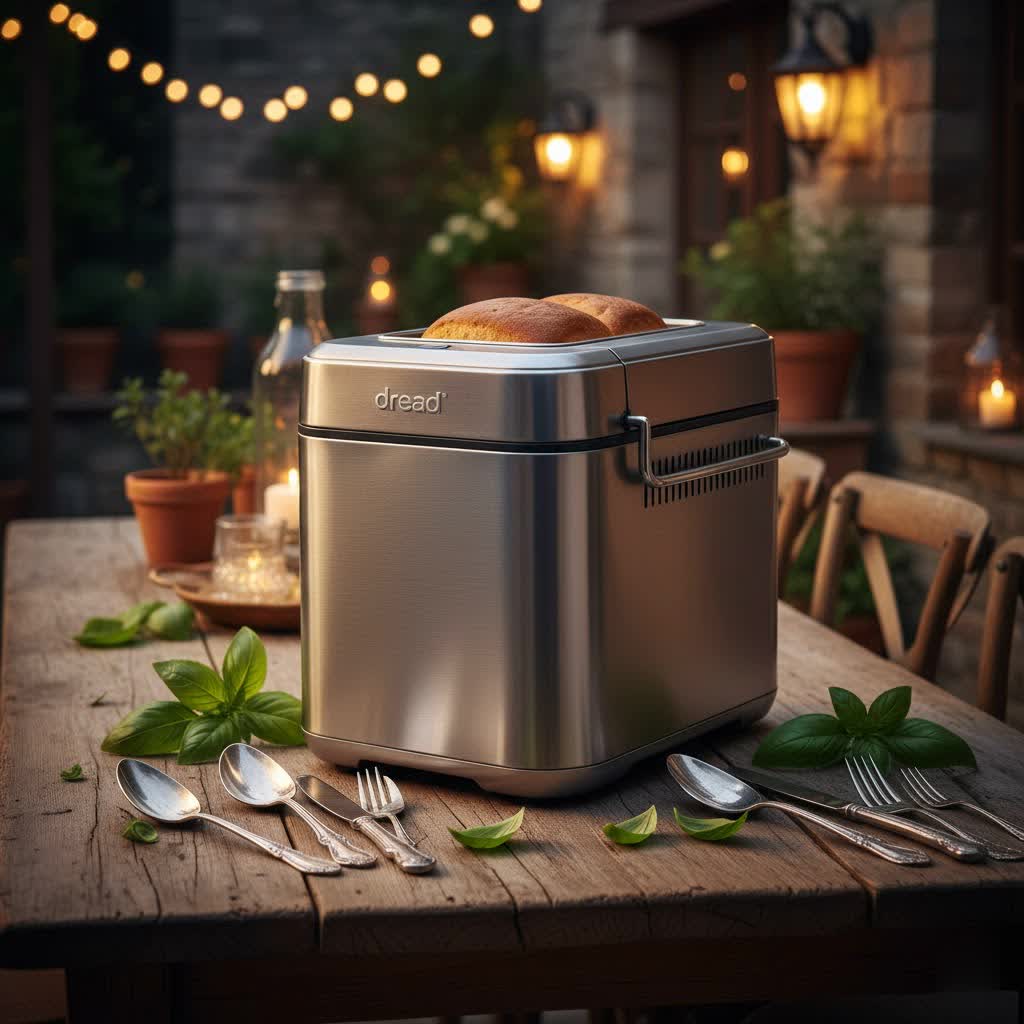
A bread maker is a countertop appliance that automates the entire bread-making process, from kneading and rising to baking. For gluten-free baking, this automation is particularly beneficial. Unlike wheat-based doughs that rely on gluten for structure and elasticity, gluten-free doughs are typically more like a thick batter. They don’t require the extensive kneading or multiple rise-and-punch-down cycles that conventional bread does. Many contemporary bread machines are equipped with specific “gluten-free” settings that are precisely calibrated for these differences, adjusting kneading times to prevent overmixing and optimizing rise and bake cycles to yield a light, airy texture that might otherwise be difficult to achieve. This specialized programming ensures consistent results, taking the guesswork out of what can be a challenging baking endeavor.
Why Choose a Bread Maker for Gluten-Free Bread?
Opting for a bread maker for your gluten-free baking offers a multitude of advantages, transforming a potentially daunting task into an effortless culinary delight.
Firstly, convenience and time-saving are paramount. A bread maker handles all the hard work, allowing you to simply add ingredients, select a program, and return to a freshly baked loaf. This hands-off approach frees up your time and eliminates the labor-intensive steps of traditional bread making.
Secondly, it provides complete control over ingredients, ensuring food safety and catering to specific dietary needs. When baking at home, you select every component, avoiding unwanted additives, preservatives, or cross-contamination that can be a concern with store-bought gluten-free products. This control is invaluable for individuals with celiac disease or multiple food sensitivities, as it guarantees a safe and wholesome product.
Lastly, the result is always a fresh, warm loaf with superior taste and texture compared to many commercially available gluten-free breads. The aroma alone fills your home with comfort, and the ability to customize flavors, add seeds, nuts, or herbs means endless delicious possibilities, far beyond the often limited selections found in stores.
Selecting the Best Bread Maker for Gluten-Free Needs
Choosing the right bread maker is crucial for successful gluten-free baking. Not all machines are created equal, and specific features can significantly impact your results.
Capacity and Size
|
Our Picks for the Best Bread Maker in 2026
As an Amazon Associate I earn from qualifying purchases.
|
||
| Num | Product | Action |
|---|---|---|
| 1 | Neretva Bread Maker, 20-IN-1 2LB Bread Machine Dual Heater Bread Maker Machine Automatic with Nonstick Ceramic Pan, 15H Timer & 1H Keep Warm Set, Low Noise, Stainless Steel Breadmaker Recipe-Green |

|
| 2 | KBS Pro 710W 2LB Bread Maker, Stainless Steel 17-in-1 Smart Bread Machine with Healthy Ceramic Pan, Automatic Nut Dispenser, Tempered Glass Touch Panel, 3 Crust Colors, 15H Timer& Keep-Warm, Recipes |
|
| 3 | Cuisinart Bread Maker Machine, Stainless Steel Convection Bread Machine with 16 Menu Options, 3 Loaf Sizes Up to 2 Lb., 3 Crust Colors, Includes Measuring Cup, Spoon & Kneading Hook, CBK-210 |
|
| 4 | 2LB Bread Maker Machine, OSIPOTO 17 in 1 Automatic Stainless Steel Bread Machine, Non-stick, Beginner-Friendly Controls, 15 Hour Timer, Easy to Clean Low Noise, High Success Rate for Homemade Bread |
|
| 5 | Elite Gourmet Programmable Bread Maker, 2 lb Loaf, 3 Sizes, 19 Presets incl. Gluten-Free, Dough & Jam, Delay Timer, Black |
|
| 6 | KITCHENARM 29-in-1 SMART Bread Machine with Gluten Free Setting 2LB 1.5LB 1LB Bread Maker Machine with Homemade Cycle - Stainless Steel Breadmaker with Recipes Whole Wheat Bread Making Machine |
|
| 7 | MERIOR 25-IN-1 Bread Maker with Visible Lid - 2lb Automatic Machine, Auto Nut Dispenser, 13-Hour Delay Timer, One-Touch Control & Recipes – Easy Operation, High Success for Homemade Bread |
|
| 8 | KBS Premium 2LB Convection Bread Maker Dual Heaters, 710W Stainless Steel 17-in-1 Bread Machine Healthy Ceramic Pan, Nut Dispenser,Touch Panel, 3 Loaf Sizes 3 Crust Colors, 15H Timer,Low Noise,Recipes |
|
| 9 | Cuisinart Bread Maker Machine, Stainless Steel Automatic Bread Machine with 12 Menu Options, 3 Loaf Sizes up to 2 Lb., 3 Crust Colors, Removable Nonstick Baking Pan & Kneading Paddle, CBK-110NAS |
|
| 10 | Neretva Bread Maker, 20-in-1 2LB Bread Machine Dual Heater & Nonstick Ceramic Pan Bread Makers Machine All Metal Compact for Gluten Free/Dough Maker/Meat Floss/Jam/Yogurt/Breadmaker Recipe-Light Green |
|
Consider the capacity and physical size of the machine. Bread makers typically come in 1-pound, 1.5-pound, or 2-pound loaf capacities. A 2-pound capacity is often ideal for families or for those who want enough bread for several days, providing a standard sandwich-sized loaf. Smaller machines might be suitable for single individuals or couples with limited counter space. Ensure the machine’s dimensions fit comfortably in your kitchen.
Essential Features for Gluten-Free Baking
The most important feature to look for is a dedicated “gluten-free” setting. This program is designed to manage the unique characteristics of gluten-free doughs, which don’t require extensive kneading and have different rising and baking times. These settings typically feature a single kneading cycle and a longer, gentler rise. If a dedicated GF setting isn’t available, look for machines with a “basic,” “rapid rise,” or “one rise” setting, or even a “custom” or “homemade” program that allows you to manually adjust cycles.
Other beneficial features include:
- Dual mixing paddles: Some high-end machines feature two paddles, which can ensure more thorough mixing of often-thicker gluten-free batters.
- Top heating element: For more even browning of the crust, as some gluten-free loaves can have pale tops.
- Automatic ingredient dispenser: Ideal for adding seeds, nuts, or dried fruits at the correct time without needing to monitor the machine.
- Delay timer: Allows you to set the machine to start baking later, so you can wake up to fresh bread.
- Non-stick bread pan: Essential for easy loaf release and cleaning.
Top Bread Maker Brands for Gluten-Free
Several brands are highly regarded for their gluten-free bread-making capabilities:
- Zojirushi: Models like the BB-PDC20 (Virtuoso Plus) are frequently praised for their dual paddles, top heater, and excellent gluten-free settings, consistently producing well-risen, evenly baked loaves.
- Panasonic: Known for their multiple gluten-free programs and often including an automatic ingredient dispenser, Panasonic bread makers are a solid choice for versatility.
- Cuisinart: The CBK-200 and CBK-210 models, with their convection features, can help achieve a desirable crust on gluten-free breads.
- Hamilton Beach and Oster: These brands offer more budget-friendly options that often include dedicated gluten-free settings, providing great value for home bakers.
“A dedicated gluten-free setting isn’t just a marketing gimmick; it’s a precisely engineered program that understands the unique science behind baking without gluten, making success far more achievable for the home cook.”
Essential Ingredients for Successful Gluten-Free Bread
Baking gluten-free bread successfully hinges on using the right ingredients and understanding their roles.
The foundation is your gluten-free flour blend. Not all GF flours are created equal, especially for yeast baking. Look for high-quality, rice flour-based all-purpose gluten-free flour blends. Some commercial blends, like King Arthur Measure for Measure or Bob’s Red Mill 1-to-1, are specifically stated by their manufacturers as not ideal for yeast breads unless additional xanthan gum is added. Blends containing a mix of flours like brown rice flour, tapioca starch, sorghum flour, and potato starch tend to work well.
Xanthan gum is a non-negotiable ingredient in most gluten-free bread recipes, providing the elasticity and structure that gluten would typically offer. Even if your flour blend already contains it, some recipes may call for an additional amount to achieve the best texture. Psyllium husk is another excellent binder and can sometimes be used as a substitute or in conjunction with xanthan gum for added fiber and structure.
Yeast, specifically instant yeast (also known as rapid-rise or bread machine yeast), is preferred as it can be added directly with other dry ingredients. Ensure your yeast is fresh and active.
Liquids (milk or water), fats (butter or oil), eggs, sugar, and salt are all vital. Eggs contribute to structure and richness, while sugar feeds the yeast and aids in browning. A touch of acid, such as apple cider vinegar or lemon juice, can further improve crumb structure and flavor. Always ensure liquids, eggs, and butter are at room temperature or slightly warm to help activate the yeast effectively.
Step-by-Step Guide to Baking Gluten-Free Bread in Your Machine
Achieving a perfect gluten-free loaf in your bread maker is straightforward when you follow these steps:
- Preparation is Key: Gather all your ingredients and ensure they are at the correct temperature (usually room temperature or slightly warm, especially liquids and eggs). Cold ingredients can inhibit yeast activation.
- Order of Ingredients: Most bread machine recipes instruct you to add liquids first to the bread pan, followed by the dry ingredients, and then the yeast last, often placed in a small well made in the center of the flour. This separation helps prevent the yeast from prematurely activating or coming into direct contact with salt, which can hinder its performance. Some bakers prefer to whisk wet and dry ingredients separately before adding them to the pan for more even distribution.
- Select Your Setting: Choose the “gluten-free” setting on your bread machine. If your machine doesn’t have one, select a “basic,” “rapid rise,” or “one rise” cycle, or a custom setting that minimizes kneading and avoids a second punch-down. Select your desired crust color (medium or dark is often recommended for better browning).
- Start and Monitor: Press start. During the initial mixing phase, you might need to use a rubber spatula to scrape down any flour stuck to the sides of the pan, ensuring all ingredients are fully incorporated. Gluten-free dough will typically look more like a thick cake batter than a traditional bread dough.
- Cool Completely: Once the baking cycle is complete, carefully remove the bread pan from the machine. Invert the loaf onto a wire rack and allow it to cool completely for at least 1-2 hours before slicing. This step is critical for gluten-free bread; slicing too early can result in a gummy texture and allow steam to escape too quickly, leading to a dry loaf.
Delicious Gluten-Free Bread Recipes for Your Bread Maker
The versatility of a bread maker allows for a wide array of gluten-free bread creations. Here are a few ideas to get you started:
- Basic White Gluten-Free Bread: This is your everyday staple, perfect for sandwiches and toast. Recipes typically combine a quality GF flour blend, xanthan gum, instant yeast, warm milk or water, eggs, oil or butter, sugar, and salt.
- Whole Grain Gluten-Free Bread: For a heartier loaf, incorporate flours like brown rice, sorghum, or buckwheat. Adding ground flaxseed or psyllium husk can boost fiber and provide additional structure.
- Sweet/Enriched Gluten-Free Bread: Think cinnamon raisin bread or a rich brioche-style loaf. These recipes often include extra sugar, eggs, and butter, along with mix-ins like dried fruit, nuts, or chocolate chips.
- Savory Variations: Experiment by adding dried herbs, garlic powder, grated cheese, or sun-dried tomatoes to your basic recipe for flavorful savory breads.
- Dairy-Free/Egg-Free Options: Many recipes offer substitutions for milk (e.g., almond or cashew milk) and eggs (e.g., flax eggs, chia eggs, or commercial egg replacers), making gluten-free baking accessible to those with multiple allergies.
Experiment with different blends and additions to discover your favorite homemade gluten-free bread.
Troubleshooting Common Gluten-Free Bread Machine Issues
Even with the best machines and recipes, occasional issues can arise. Here’s how to troubleshoot common gluten-free bread maker problems:
- Bread Not Rising Enough: This is often due to inactive yeast (check expiration date, use warm water), cold ingredients (ensure liquids/eggs are at room temperature), or using a gluten-free flour blend not suitable for yeast baking. Chlorine in tap water can also inhibit yeast; try filtered water.
- Gummy Texture: The most frequent cause is slicing the bread too soon after baking. Always allow gluten-free bread to cool for at least 1-2 hours on a wire rack before slicing. It helps the internal structure set and steam to escape properly.
- Loaf Sinks in the Middle: This can be a sign of too much liquid in the dough or an underbaked loaf. Ensure precise measurements (preferably by weight). If underbaked, the “gluten-free” cycle might be too short; you can try a “bake-only” cycle for an additional 10-15 minutes to finish it.
- Pale Crust: If your bread maker doesn’t have a top heating element, the crust might be pale. Try selecting the darkest crust setting. You can also finish the loaf in a preheated 400°F (200°C) oven for about 10 minutes after the bread maker cycle to achieve a golden-brown top.
- Dry or Crumbly Bread: This might indicate too much flour or insufficient liquid. Small adjustments (a tablespoon more liquid or a few grams less flour) can make a big difference.
Where to Buy Gluten-Free Bread Makers and Ingredients
Finding the right tools and components for your gluten-free bread-making journey is easier than ever.
Bread Makers: You can find a wide selection of bread machines at major electronics retailers, department stores, and online marketplaces like Amazon, Best Buy, or Walmart. Specialized kitchen appliance stores might also carry premium brands. Always compare models, read customer reviews, and check for dedicated gluten-free settings.
Gluten-Free Ingredients: Most large supermarkets now carry a good range of gluten-free flour blends, xanthan gum, and specialized yeasts in their baking or “free-from” aisles. For a wider selection or specialty flours (like sorghum or teff), look to health food stores, specialty grocery stores, or online retailers dedicated to gluten-free products. Buying in bulk online can often be more cost-effective for frequently used ingredients.
The Ultimate Gluten-Free Bread Maker Buying Guide
When making the investment in a bread maker for gluten-free baking, consider these factors for a well-informed decision:
- Features: Prioritize a dedicated “gluten-free” setting or robust custom programming options. Look for dual paddles or a top heating element for enhanced performance.
- Capacity: Match the loaf size to your household’s needs.
- Budget: Bread makers range from affordable basic models to high-end, feature-rich appliances. Determine your budget but remember that investing a bit more in a machine with excellent gluten-free capabilities often pays off in consistent, high-quality results.
- Ease of Cleaning: Removable, non-stick bread pans are a must for hassle-free cleanup.
- Durability and Warranty: Read reviews for insights into a machine’s longevity and check the manufacturer’s warranty.
- User Reviews: Consult reviews from other gluten-free bakers to gauge real-world performance with various recipes.
By carefully considering these elements, you can select a bread maker that will become an indispensable tool in your kitchen, delivering countless loaves of delicious, safe, and satisfying gluten-free bread.
The journey to perfectly baked gluten-free bread no longer requires endless hours of manual labor or compromising on taste and texture. With the right bread maker and a few key adjustments, you can consistently produce delightful, homemade loaves that cater to your dietary needs without sacrificing flavor or convenience. This powerful kitchen appliance empowers you to take control of your diet, providing fresh, healthy, and delicious bread that everyone can enjoy.
Frequently Asked Questions
Can I use any gluten-free flour in a bread maker?
While many gluten-free flour blends exist, not all are suitable for yeast-based bread in a bread maker. It’s crucial to select a blend specifically designed for yeast baking or one that explicitly states it can be used for bread machines. Some popular 1-to-1 gluten-free blends may require additional xanthan gum or other adjustments.
Do I need a special bread maker for gluten-free bread?
While a bread maker with a dedicated “gluten-free” setting is highly recommended for optimal results, it’s not strictly essential. Many standard bread makers can produce good gluten-free bread using a “basic,” “rapid rise,” or “one rise” setting, provided the recipe is carefully adapted for its shorter kneading and single rise cycle.
Why is my homemade gluten-free bread gummy?
A gummy texture is a common issue with gluten-free bread, primarily caused by slicing the loaf too soon after baking. Gluten-free bread needs ample time (at least 1-2 hours) to cool completely on a wire rack. This allows the internal structure to set properly and moisture to redistribute, preventing a dense, sticky crumb.
How long does homemade gluten-free bread last?
Homemade gluten-free bread typically stays fresh for 2-4 days at room temperature when stored in an airtight container or bread bag. For longer storage, it can be sliced and frozen for up to 3 months. Thaw slices as needed, or toast directly from frozen.
What’s the best yeast for gluten-free bread machines?
Instant yeast, also known as rapid-rise yeast or bread machine yeast, is generally the best choice for gluten-free bread in a bread maker. Its finer granules and faster activation make it ideal for the shorter cycles often used in bread machines for gluten-free recipes. Always ensure your yeast is fresh for optimal rising.
