Imagine waking up to the irresistible aroma of freshly baked bread filling your home. With a Black & Decker bread maker, this delightful dream becomes a daily reality, transforming raw ingredients into a perfect loaf with minimal effort. Whether you’re a busy parent, a baking novice, or simply someone who appreciates the comfort of homemade goods, a Black & Decker bread machine offers a convenient and affordable path to delicious, preservative-free bread, right in your own kitchen.
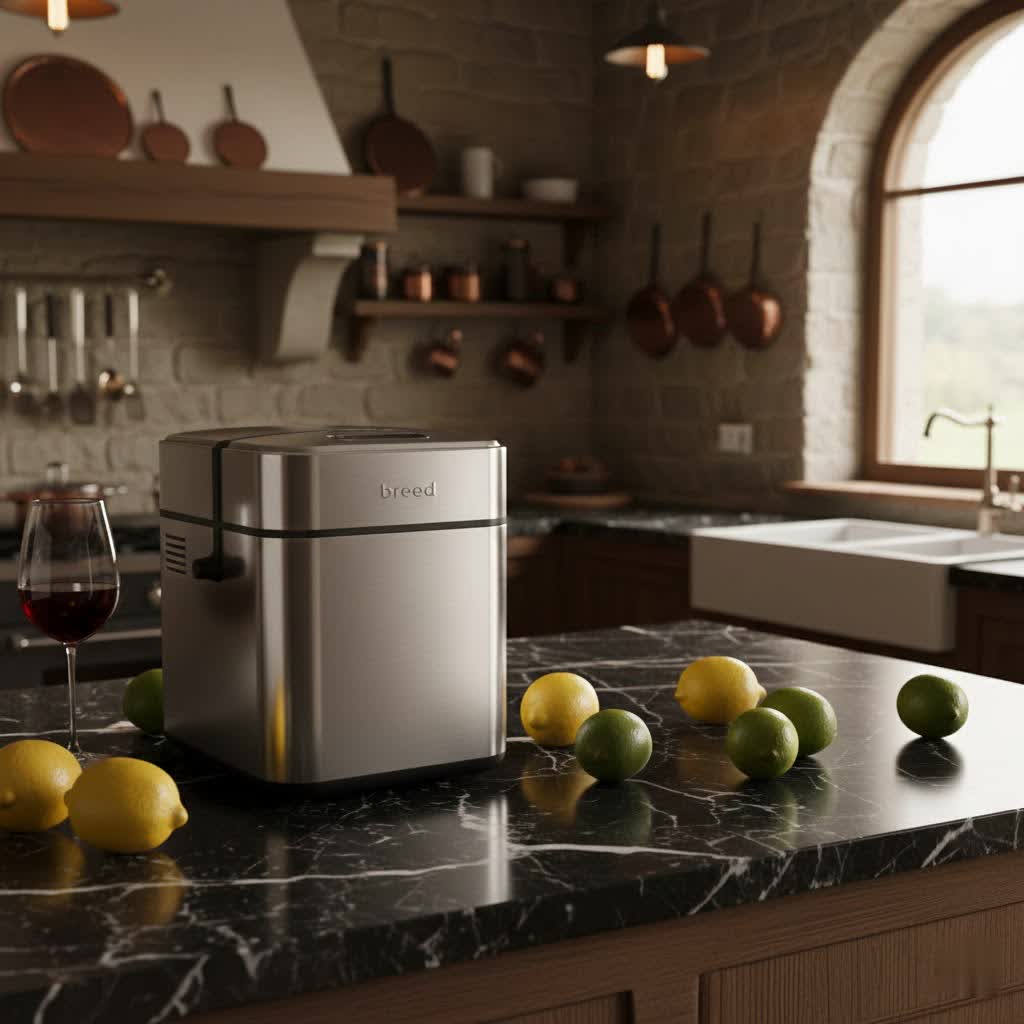
Since its inception, the bread maker has revolutionized home baking, shifting from a labor-intensive process to a set-it-and-forget-it convenience. Black & Decker, a household name known for reliable appliances, has contributed to this revolution by offering user-friendly and dependable bread makers that cater to everyday needs. These machines streamline the entire bread-making process—from kneading and rising to baking—allowing you to enjoy warm, crusty loaves without the fuss.
The Bread Maker: An Overview
A bread maker is a compact kitchen appliance designed to automate the process of baking bread. It typically consists of a bread pan with one or two kneading paddles, housed within a small oven and controlled by a built-in computer. Users simply add ingredients, select a program, and the machine handles the rest.
The concept of automated bread making began to gain popularity in the late 20th century, offering a solution to the time-consuming nature of traditional bread baking. Over the years, these machines have evolved, incorporating various features and programs to accommodate different types of bread and user preferences. Black & Decker bread makers often stand out for their straightforward design and value, making them an excellent entry point for those new to home baking.
On the market today, you’ll find various types of bread makers, from basic models perfect for simple white bread to more advanced machines with specialized settings for gluten-free, whole wheat, and even jam. Black & Decker models like the B2300, B6000C, and BK1015W exemplify this range, offering different loaf capacities and program selections to suit diverse households.
Why You Should Embrace a Black & Decker Bread Maker
Bringing a Black & Decker bread maker into your kitchen offers a multitude of benefits, enhancing your culinary experience and simplifying your daily routine.
- Unparalleled Convenience and Time-Saving: The primary allure of a bread maker is its ability to reduce the hands-on time required for baking. Forget the endless kneading and precise proofing; your Black & Decker bread machine takes care of all the heavy lifting. Simply measure your ingredients, toss them into the pan, and press a few buttons. Many models also feature a delay timer, allowing you to set the machine the night before and wake up to the enticing scent and taste of a fresh loaf.
- Effortless Customization of Recipes and Ingredients: With a bread maker, you have complete control over what goes into your bread. You can easily experiment with different flours, add-ins like nuts and seeds, and adjust sugar or salt levels to suit your dietary preferences or health goals. This customization is particularly beneficial for those with allergies or sensitivities, as you can confidently avoid preservatives and artificial ingredients often found in store-bought bread.
- Guaranteed Food Safety and Hygiene: Baking at home means you know exactly how your food is prepared. You can ensure that all ingredients are fresh and that your baking environment is clean, providing peace of mind about the quality and safety of the bread your family consumes.
- The Joy of Freshly Baked Bread: There’s truly nothing quite like the taste and texture of a warm, homemade loaf. From the crispy crust to the soft, airy interior, bread made in a Black & Decker machine offers a superior sensory experience compared to pre-packaged alternatives. It transforms a simple meal into something special and fills your home with an inviting, comforting aroma.
Your Guide to Choosing the Perfect Black & Decker Bread Maker
Selecting the right bread maker involves considering your specific needs and understanding the features that matter most.
Determine Your Baking Needs
Before diving into models, think about how you’ll use your Black & Decker bread maker.
- Family vs. Commercial Use: For most households, a standard bread maker with a 1.5-pound to 3-pound capacity is sufficient. Black & Decker offers models like the BK1015W (1.5lb) for smaller needs and the B2300 or B6000C (both 3lb) for larger families. Commercial use would typically require a different class of equipment.
- Preferred Bread Types: Do you primarily bake classic white bread, or are you interested in whole wheat, gluten-free, sweet breads, or even dough for pizza and pasta? Many Black & Decker bread makers come with multiple pre-programmed settings to accommodate a variety of recipes.
- Budget Considerations: Black & Decker bread makers are generally known for their affordability, offering excellent value compared to high-end brands. Establish a budget to help narrow down your choices and focus on models that provide the best features within your price range.
|
Our Picks for the Best Bread Maker in 2026
As an Amazon Associate I earn from qualifying purchases.
|
||
| Num | Product | Action |
|---|---|---|
| 1 | Elite Gourmet Programmable Bread Maker, 2 lb Loaf, 3 Sizes, 19 Presets incl. Gluten-Free, Dough & Jam, Delay Timer, Black |

|
| 2 | MERIOR 25-IN-1 Bread Maker with Visible Lid - 2lb Automatic Machine, Auto Nut Dispenser, 13-Hour Delay Timer, One-Touch Control & Recipes – Easy Operation, High Success for Homemade Bread |
|
| 3 | 2LB Bread Maker Machine, OSIPOTO 17 in 1 Automatic Stainless Steel Bread Machine, Non-stick, Beginner-Friendly Controls, 15 Hour Timer, Easy to Clean Low Noise, High Success Rate for Homemade Bread |
|
| 4 | KITCHENARM 29-in-1 SMART Bread Machine with Gluten Free Setting 2LB 1.5LB 1LB Bread Maker Machine with Homemade Cycle - Stainless Steel Breadmaker with Recipes Whole Wheat Bread Making Machine |
|
| 5 | KBS Pro 710W 2LB Bread Maker, Stainless Steel 17-in-1 Smart Bread Machine with Healthy Ceramic Pan, Automatic Nut Dispenser, Tempered Glass Touch Panel, 3 Crust Colors, 15H Timer& Keep-Warm, Recipes |
|
| 6 | Cuisinart Bread Maker Machine, Stainless Steel Convection Bread Machine with 16 Menu Options, 3 Loaf Sizes Up to 2 Lb., 3 Crust Colors, Includes Measuring Cup, Spoon & Kneading Hook, CBK-210 |
|
| 7 | Cuisinart Bread Maker Machine, Stainless Steel Automatic Bread Machine with 12 Menu Options, 3 Loaf Sizes up to 2 Lb., 3 Crust Colors, Removable Nonstick Baking Pan & Kneading Paddle, CBK-110NAS |
|
| 8 | Neretva Bread Maker, 20-IN-1 2LB Bread Machine Dual Heater Bread Maker Machine Automatic with Nonstick Ceramic Pan, 15H Timer & 1H Keep Warm Set, Low Noise, Stainless Steel Breadmaker Recipe-Green |
|
| 9 | Neretva Bread Maker, 20-in-1 2LB Bread Machine Dual Heater & Nonstick Ceramic Pan Bread Makers Machine All Metal Compact for Gluten Free/Dough Maker/Meat Floss/Jam/Yogurt/Breadmaker Recipe-Light Green |
|
| 10 | KBS Premium 2LB Convection Bread Maker Dual Heaters, 710W Stainless Steel 17-in-1 Bread Machine Healthy Ceramic Pan, Nut Dispenser,Touch Panel, 3 Loaf Sizes 3 Crust Colors, 15H Timer,Low Noise,Recipes |
|
Essential Features to Consider
A closer look at key features will help you make an informed decision.
- Capacity and Size: Black & Decker bread makers typically offer loaf sizes ranging from 1.5 to 3 pounds. Consider your family size and how much bread you consume. A larger capacity machine like the 3-pound B6000C is great for bigger households or if you like to bake larger batches. Also, check the physical dimensions to ensure it fits comfortably on your countertop.
- Number of Programs: Look for machines with a variety of pre-programmed cycles. Common programs on Black & Decker models include Basic, Whole Wheat, French, Gluten-Free, Sweet Bread, Jam, and Dough. More programs offer greater versatility.
- Delay Timer and Keep Warm Function: A delay timer (often up to 13 hours) is a highly convenient feature, allowing you to schedule baking to finish when you want it. The keep-warm function will keep your bread warm for a period after baking, ensuring it’s ready to serve.
- Material and Durability: Most bread makers feature a non-stick bread pan, which is crucial for easy loaf removal and cleaning. Look for sturdy construction that promises longevity. While Black & Decker models are budget-friendly, they are generally built for consistent home use.
- Ease of Cleaning and Maintenance: A removable, non-stick bread pan is a must-have for easy cleanup. Some machines may have features that make cleaning the kneading paddles or the interior oven chamber simpler.
Reputable Bread Maker Brands
While this article focuses on Black & Decker, it’s helpful to understand its position relative to other brands. Black & Decker bread makers are often praised for their affordability and user-friendliness, making them ideal for beginners or those on a budget. More premium brands like Zojirushi, Breville, and Panasonic often come with higher price tags but may offer more advanced features, greater customization, or a more refined user experience. For instance, Zojirushi is known for its horizontal loaf shape and dual heating elements, while Panasonic is lauded for its consistently excellent bread quality. Black & Decker offers a solid, reliable choice for everyday baking without breaking the bank.
Comparing Popular Black & Decker Bread Maker Models
To give you a clearer picture, here’s a comparison of some notable Black & Decker bread maker models:
| Model | Loaf Sizes | Key Features | Pros | Cons |
|---|---|---|---|---|
| B2300 | 1.5lb, 2lb, 3lb | Multiple programs, delay timer, crust control | Good for large families (3lb loaf), reliable performance, affordable. | Older model, information less prevalent, kneading paddles can leave holes. |
| B6000C | 1.5lb, 2lb, 3lb | Dual kneading blades, 10 pre-programmed settings, 13-hour delay timer, keep warm | Excellent for large 3lb loaves, handles heavy dough well, dual blades for better mixing, quiet operation. | LCD display can be hard to read (not backlit), user experience not as refined as high-end models, lightweight. |
| BK1015W | 1lb, 1.5lb | Rapid bake program, gluten-free setting, compact design, viewing window | Great value, good for beginners, lightweight and small for easy storage, gluten-free option. | Subpar manual, can vibrate, smaller loaf capacity, display is small. |
Note: Availability and specific features may vary by region and product generation. Always check the latest model specifications before purchase.
Comprehensive Guide to Using Your Black & Decker Bread Maker
Mastering your bread maker is simple with these detailed instructions.
Preparation Before Baking
- Read Your Manual: Always start by reviewing your specific Black & Decker model’s instruction manual. It contains crucial details on ingredient order, program settings, and safety.
- Clean the Pan and Paddles: Before first use, and after each bake, ensure the bread pan and kneading paddle(s) are clean and dry. Make sure the kneading paddle is securely attached to the shaft at the bottom of the pan.
- Gather Ingredients: Measure all ingredients precisely. Accuracy is key in bread making. Ensure ingredients are at room temperature unless specified otherwise.
Ingredient Selection and Measurement
- Order Matters: For most bread makers, the standard order is liquids first, followed by dry ingredients, with yeast added last, usually on top of the flour, away from liquid and salt. Salt can inhibit yeast activity if they come into direct contact.
- Yeast Placement: Some recipes might suggest dissolving yeast in warm water initially, while others recommend placing it separately on top of the flour. Follow your recipe and manual carefully.
- Accurate Measurement: Use proper measuring cups for liquids and dry ingredients, and a kitchen scale for flour for best results.
Setting Programs and the Delay Timer
- Load Ingredients: Carefully place ingredients into the bread pan in the order specified by your recipe and manual. Avoid spilling ingredients into the oven chamber.
- Secure the Pan: Insert the bread pan securely into the unit until it “clicks” into place. Close the lid.
- Select Program: Use the control panel to select the desired bread program (e.g., Basic, Whole Wheat, Gluten-Free).
- Choose Loaf Size and Crust Color: Adjust the loaf size (if applicable) and select your preferred crust color (light, medium, dark).
- Set Delay Timer (Optional): If you wish to delay baking, use the timer buttons to set the desired completion time (e.g., 13 hours). Note: Do not use the delay timer with perishable ingredients like fresh milk or eggs.
- Start Baking: Press the Start button. The machine will begin its cycle, including kneading, rising, and baking.
Tips for Perfect Loaves and Machine Maintenance
- Remove Kneading Paddles: For some models, you can remove the kneading paddle(s) after the last kneading cycle (often indicated by a beep) to prevent large holes in the finished loaf. Be careful as the dough will be sticky.
- Cool Bread Properly: Once the bread maker signals completion, carefully remove the bread pan (using oven mitts) and turn the loaf out onto a wire rack to cool completely before slicing. This prevents the bread from becoming gummy.
- Regular Cleaning: After each use, clean the bread pan and paddles with warm, soapy water. Wipe down the interior and exterior of the machine. Avoid abrasive cleaners that could damage the non-stick coating. Ensure the shaft where the paddle attaches is clean of residue.
Delicious Recipes for Your Black & Decker Bread Maker
Unlock the full potential of your Black & Decker bread maker with these delightful recipes.
- Basic White Bread (1.5 lb loaf):
- 1 cup warm water
- 2 tbsp milk powder
- 2 tbsp sugar
- 1.5 tsp salt
- 3 cups bread flour
- 2 tsp active dry yeast
- Method: Add ingredients to the pan in the order listed. Select “Basic” program, 1.5 lb loaf, and desired crust color. Start.
- Hearty Whole Wheat Bread (2 lb loaf):
- 1.25 cups warm water
- 2 tbsp honey or molasses
- 2 tbsp vegetable oil
- 1.5 tsp salt
- 2 cups whole wheat flour
- 1 cup bread flour
- 2.25 tsp active dry yeast
- Method: Add ingredients as listed. Select “Whole Wheat” program, 2 lb loaf, and desired crust color. Start.
- Sweet Brioche-Style Bread (2 lb loaf):
- 3/4 cup warm milk
- 2 large eggs, lightly beaten
- 1/4 cup butter, softened
- 1/4 cup sugar
- 1 tsp salt
- 3 cups bread flour
- 2 tsp active dry yeast
- Method: Add liquids and softened butter first, then dry ingredients. Add yeast last. Select “Sweet” program, 2 lb loaf, and light crust. Start.
- Easy Pizza Dough:
- 1 cup warm water
- 2 tbsp olive oil
- 1 tsp sugar
- 1 tsp salt
- 3 cups bread flour
- 2 tsp active dry yeast
- Method: Add ingredients as listed. Select “Dough” program. Once complete, remove dough, punch down, and shape for pizza. Bake in a preheated oven.
Troubleshooting Common Black & Decker Bread Maker Issues
Even with the best machines, occasional issues can arise. Here’s how to address them:
- Bread Not Rising:
- Expired Yeast: Check the expiration date of your yeast.
- Incorrect Water Temperature: Water that’s too hot or too cold can kill or deactivate yeast. Use lukewarm water (around 105-115°F / 40-46°C).
- Yeast/Salt Contact: Ensure yeast and salt are added separately and don’t touch initially.
- Too Much Liquid: Excess liquid can cause dough to collapse.
- Machine Malfunction: If the heating element isn’t working, the dough won’t rise properly. Some users have reported issues with drive belts disintegrating, leading to the machine not kneading.
- Bread Is Burnt or Too Dark:
- Crust Color Setting: Check if you’ve selected a dark crust setting unintentionally.
- Too Much Sugar: Excess sugar can lead to darker crusts. Reduce slightly next time.
- Bread Is Dry or Crumbly:
- Not Enough Liquid: Increase liquid slightly in your next batch.
- Too Much Flour: Accurately measure flour, preferably by weight.
- Machine Not Operating/Strange Noises:
- Power Supply: Ensure the unit is plugged in correctly.
- “HOT” Message: If the display shows “HOT,” the machine needs to cool down before starting another cycle.
- Drive Belt Issues: Some Black & Decker models (like the B2300) use drive belts that can wear out, causing the kneading paddle not to turn or the machine to make grinding noises and emit a burning smell. This often requires professional repair or replacement of the belts.
Where to Purchase Your Black & Decker Bread Maker
Black & Decker bread makers are widely available, making it easy to find one that fits your needs.
- Electronics and Home Goods Stores: Large retailers that carry kitchen appliances often stock Black & Decker models. Checking in-store allows you to see the machine firsthand.
- Online Retailers: Websites like Amazon, Walmart, and other major online marketplaces offer a broad selection of Black & Decker bread makers. Online shopping provides the convenience of home delivery and access to numerous user reviews, which can be invaluable in your decision-making process.
Black & Decker Bread Maker Buying Guide
To finalize your decision, consider these essential factors:
- Anticipated Budget: Black & Decker offers excellent performance at an accessible price point, typically ranging from $60 to $100. This makes them a strong contender for budget-conscious buyers seeking reliability.
- Desired Features: Prioritize features like loaf capacity, the number of pre-programmed settings (especially for gluten-free or whole wheat), delay timer, and crust control based on your baking habits. The B6000C, for instance, offers a generous 3lb capacity and dual kneading blades, making it suitable for larger loaves and tougher doughs.
- Compare Price and Quality: While Black & Decker is known for value, it’s worth comparing current models and their features against their price. Read recent user reviews to gauge long-term reliability and satisfaction.
- User Reviews and Ratings: User reviews provide real-world insights into a bread maker’s performance, ease of use, and common issues. Pay attention to feedback regarding display readability (a common complaint for some B&D models), noise levels, and bread quality.
- Warranty and Return Policy: Always check the manufacturer’s warranty and the retailer’s return policy. This provides a safety net in case of any defects or if the machine doesn’t meet your expectations.
Conclusion
A Black & Decker bread maker is an excellent investment for anyone looking to enjoy the simple pleasure of homemade bread with modern convenience. These reliable machines offer a fantastic balance of affordability, ease of use, and essential features, making them particularly well-suited for beginners and busy families. By understanding your needs, exploring the available models, and following best practices, you can effortlessly bake a wide variety of delicious, fresh loaves right in your kitchen.
Ready to embark on your homemade bread journey? What kind of loaf will you bake first with your new Black & Decker bread maker?
Frequently Asked Questions
Are Black & Decker bread makers good for beginners?
Yes, Black & Decker bread makers are often highly recommended for beginners due to their user-friendly interfaces, straightforward programs, and affordable price points. They make it easy to get started with homemade bread without complex settings or a steep learning curve.
Can Black & Decker bread makers make gluten-free bread?
Many modern Black & Decker bread maker models, such as the BK1015W, include a dedicated gluten-free program. This setting is crucial as gluten-free flours require different kneading and rising times compared to traditional wheat-based doughs. Always check the specific model’s features and consult the manual for gluten-free recipes.
What loaf sizes do Black & Decker bread makers typically make?
Black & Decker bread makers usually offer a range of loaf sizes, commonly including 1.5-pound, 2-pound, and sometimes 3-pound options. Models like the B6000C are noted for their ability to produce large 3-pound loaves, making them suitable for larger families or those who bake frequently.
How do Black & Decker bread makers compare to high-end brands like Zojirushi?
Black & Decker bread makers are generally positioned as budget-friendly and reliable options, offering essential features for everyday baking. While they may not have all the advanced customization or premium build quality of high-end brands like Zojirushi (which often cost significantly more), they provide excellent value and consistently produce good results for their price.
What are common troubleshooting tips for a Black & Decker bread maker?
Common issues include bread not rising (check yeast freshness, water temperature, or yeast/salt separation), bread being too dry or crumbly (adjust liquid/flour ratios), or the machine not kneading (often due to worn drive belts that may need replacement). Always refer to your product manual for specific troubleshooting steps.
