Imagine the aroma of freshly baked bread filling your kitchen, a golden crust giving way to a soft, pillowy interior. This isn’t just a dream reserved for seasoned bakers; with a modern bread maker, creating delicious sandwich bread from scratch is surprisingly simple. This comprehensive guide will walk you through everything you need to know, from understanding your machine to troubleshooting common issues, ensuring every slice you pull from your homemade loaf is pure perfection. Say goodbye to store-bought options and hello to customizable, wholesome, and incredibly satisfying sandwich bread.
Bread Makers: An Overview
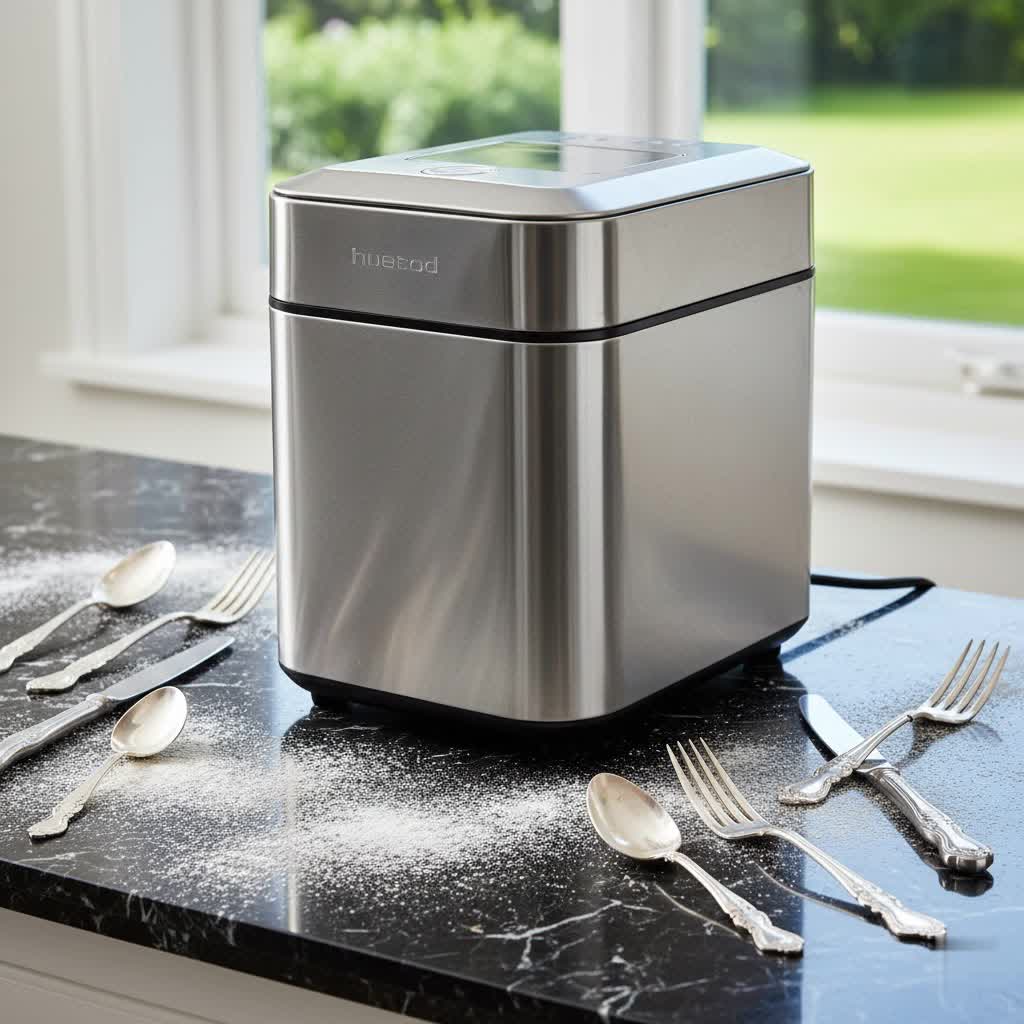
A bread maker is a compact kitchen appliance designed to automate the entire bread-making process, from mixing and kneading to rising and baking. It typically consists of a non-stick baking pan with a kneading paddle, encased in a heating unit with a control panel. Users simply add ingredients, select a program, and the machine handles the rest, delivering a fresh loaf hours later.
The journey of the bread maker began in the late 1980s, revolutionizing home baking by making it accessible to busy individuals. Early models were basic, offering standard white bread programs. Over the decades, technology has advanced significantly, introducing features like multiple loaf sizes, diverse crust settings, delayed start timers, and specialized programs for various bread types, including whole wheat, gluten-free, and even jam.
Today, the market offers a wide array of bread maker types to suit different needs. Basic models are excellent for beginners focusing on simple loaves, while advanced machines cater to experienced bakers with extensive customization options and multiple kneading paddles for larger, rectangular loaves. There are also compact models perfect for smaller kitchens and larger capacity machines ideal for families or those who bake frequently.
Why You Should Use a Bread Maker for Sandwich Bread
Opting for a bread maker for your sandwich bread offers a multitude of benefits, transforming your daily bread routine into an effortless and enjoyable experience.
One of the most compelling reasons is convenience and time-saving. A bread maker eliminates the laborious hands-on tasks of traditional bread baking, such as extensive kneading and multiple proofs. Simply load the ingredients, press a button, and let the machine work its magic, freeing up your time for other activities. The “delay start” function is particularly useful, allowing you to wake up to the smell of freshly baked bread.
Furthermore, using a bread maker grants you complete control over your ingredients and recipes. Unlike store-bought loaves which often contain preservatives, high-fructose corn syrup, or artificial flavors, homemade bread allows you to choose organic flours, adjust sugar and salt levels, and incorporate healthy add-ins like seeds or whole grains. This ensures your family consumes only wholesome, natural ingredients.
Food safety and hygiene are also significant advantages. When you bake at home, you have full oversight of the cleanliness of your kitchen and equipment, minimizing concerns about cross-contamination or unknown additives. This peace of mind is invaluable, especially for those with allergies or dietary restrictions.
Ultimately, the most rewarding aspect is the ability to create delicious, fresh bread at home that surpasses most commercial options. Homemade sandwich bread boasts a superior flavor, texture, and aroma that simply cannot be replicated by pre-packaged alternatives. It’s soft, airy, and perfect for holding up to all your favorite fillings, from a simple peanut butter and jelly to a hearty club sandwich.
Guide to Choosing the Right Bread Maker
Selecting the perfect bread maker involves understanding your specific needs and evaluating key features. With many options available, a thoughtful approach will ensure you find a machine that truly fits your lifestyle.
Determine Your Usage Needs
Before diving into specifications, consider how you intend to use your bread maker:
- Family vs. Single/Couple: Do you need to bake large loaves to feed a family, or will a smaller 1-pound loaf suffice for personal use? This directly impacts the required capacity.
- Bread Preferences: Are you primarily interested in classic white sandwich bread, or do you plan to experiment with whole wheat, rye, sourdough, or even gluten-free recipes? The number and type of pre-programmed settings will be crucial.
- Budget: Bread makers range widely in price. Establishing a budget early will help narrow down your options and balance features with affordability. Entry-level models offer basic functionality, while premium machines boast advanced features and durability.
|
Our Picks for the Best Bread Maker in 2026
As an Amazon Associate I earn from qualifying purchases.
|
||
| Num | Product | Action |
|---|---|---|
| 1 | KITCHENARM 29-in-1 SMART Bread Machine with Gluten Free Setting 2LB 1.5LB 1LB Bread Maker Machine with Homemade Cycle - Stainless Steel Breadmaker with Recipes Whole Wheat Bread Making Machine |

|
| 2 | 2LB Bread Maker Machine, OSIPOTO 17 in 1 Automatic Stainless Steel Bread Machine, Non-stick, Beginner-Friendly Controls, 15 Hour Timer, Easy to Clean Low Noise, High Success Rate for Homemade Bread |
|
| 3 | Cuisinart Bread Maker Machine, Stainless Steel Convection Bread Machine with 16 Menu Options, 3 Loaf Sizes Up to 2 Lb., 3 Crust Colors, Includes Measuring Cup, Spoon & Kneading Hook, CBK-210 |
|
| 4 | Neretva Bread Maker, 20-IN-1 2LB Bread Machine Dual Heater Bread Maker Machine Automatic with Nonstick Ceramic Pan, 15H Timer & 1H Keep Warm Set, Low Noise, Stainless Steel Breadmaker Recipe-Green |
|
| 5 | KBS Pro 710W 2LB Bread Maker, Stainless Steel 17-in-1 Smart Bread Machine with Healthy Ceramic Pan, Automatic Nut Dispenser, Tempered Glass Touch Panel, 3 Crust Colors, 15H Timer& Keep-Warm, Recipes |
|
| 6 | Elite Gourmet Programmable Bread Maker, 2 lb Loaf, 3 Sizes, 19 Presets incl. Gluten-Free, Dough & Jam, Delay Timer, Black |
|
| 7 | Cuisinart Bread Maker Machine, Stainless Steel Automatic Bread Machine with 12 Menu Options, 3 Loaf Sizes up to 2 Lb., 3 Crust Colors, Removable Nonstick Baking Pan & Kneading Paddle, CBK-110NAS |
|
| 8 | MERIOR 25-IN-1 Bread Maker with Visible Lid - 2lb Automatic Machine, Auto Nut Dispenser, 13-Hour Delay Timer, One-Touch Control & Recipes – Easy Operation, High Success for Homemade Bread |
|
| 9 | KBS Premium 2LB Convection Bread Maker Dual Heaters, 710W Stainless Steel 17-in-1 Bread Machine Healthy Ceramic Pan, Nut Dispenser,Touch Panel, 3 Loaf Sizes 3 Crust Colors, 15H Timer,Low Noise,Recipes |
|
| 10 | Neretva Bread Maker, 20-in-1 2LB Bread Machine Dual Heater & Nonstick Ceramic Pan Bread Makers Machine All Metal Compact for Gluten Free/Dough Maker/Meat Floss/Jam/Yogurt/Breadmaker Recipe-Light Green |
|
Essential Features to Consider
Once you have a clear idea of your needs, examine these important features:
- Capacity and Size: Bread makers typically offer loaf sizes from 1 to 2.5 pounds. A 1.5-pound loaf is often ideal for a standard family, while a 2-pound loaf provides more slices for sandwiches. Consider the physical dimensions of the machine as well, ensuring it fits comfortably on your countertop or in your storage space. Some models, like the Zojirushi Home Bakery Virtuoso Plus, feature a rectangular pan which is excellent for sandwich-friendly slices.
- Number of Programs: Look for machines with a variety of pre-set programs, including “Basic,” “Whole Wheat,” “Dough,” “French,” “Sweet,” and “Gluten-Free.” More programs offer greater versatility. Advanced machines may also have custom settings where you can program your own cycles.
- Timer and Keep Warm Functions: A delay timer is invaluable for preparing ingredients hours in advance, so bread is ready exactly when you want it. A “keep warm” function ensures your bread stays at an optimal temperature for a period after baking.
- Material and Durability: High-quality bread makers often feature stainless steel exteriors and durable non-stick baking pans. Inspect the kneading paddle(s) and overall construction. Dual kneading paddles, found in models like the Zojirushi Virtuoso Plus, are often praised for more thorough kneading, especially for larger loaves.
- Ease of Cleaning and Maintenance: A non-stick pan that is easy to remove and clean is essential. Some pans are dishwasher safe, though hand-washing is often recommended to preserve the non-stick coating. Consider how easily you can clean around the heating elements and internal components.
Reputable Bread Maker Brands
Investing in a well-regarded brand often guarantees better performance, durability, and customer support.
- Panasonic: Known for reliable performance and consistent results, Panasonic bread makers often feature automatic yeast and ingredient dispensers, which can be a significant convenience.
- Zojirushi: Highly regarded for producing superior quality loaves, especially rectangular ones suitable for sandwiches. Models like the Zojirushi Home Bakery Virtuoso Plus consistently receive top ratings due to their dual paddles, excellent proofing capabilities, and robust build.
- Breville: The Breville Custom Loaf Bread Maker is lauded for its versatility and customization options, allowing users to fine-tune settings and even save custom recipes. Its collapsible paddles are a unique feature that prevents holes in the base of the loaf.
- Cuisinart: Offers a range of bread makers, including compact and budget-friendly options like the Cuisinart Compact Automatic Bread Maker, which still delivers well-mixed and proofed loaves.
- Hamilton Beach: A good choice for beginners or those on a budget, providing reliable basic functionality for various bread types.
When comparing brands, delve into user reviews and expert ratings to get a balanced perspective on performance, ease of use, and common issues.
Popular Bread Maker Comparison Table
To help you make an informed decision, here’s a general comparison of some popular bread maker models suitable for sandwich bread:
| Feature | Zojirushi Home Bakery Virtuoso Plus | Breville Custom Loaf Bread Maker | Cuisinart Compact Automatic | Hamilton Beach Bread Maker |
|---|---|---|---|---|
| Loaf Size (lbs) | 2 | 1, 1.5, 2, 2.5 | 1, 1.5, 2 | 1.5, 2 |
| Kneading Paddles | 2 | 1 (collapsible) | 1 | 1 |
| Pan Shape | Rectangular | Rectangular | Vertical | Vertical |
| Programs | 15+ (incl. custom) | 14+ (incl. custom, jam) | 12 | 14 (incl. jam, quick bread) |
| Dispenser | Yes (nuts/fruits) | Yes (nuts/fruits, yeast) | No | No |
| Delay Timer | Yes | Yes | Yes | Yes |
| Keep Warm | Yes | Yes | Yes | Yes |
| Crust Settings | Light, Medium, Dark | 3 settings | Light, Medium, Dark | Light, Medium, Dark |
| Noteworthy Feature | Dual paddles, rectangular pan for ideal sandwich shape, excellent proofing. | Collapsible paddle, custom settings, intuitive LCD. | Compact design, good for smaller kitchens. | Budget-friendly, good for basic loaves. |
| Typical Price Range | $$$$ | $$$ | $$ | $ |
Note: Prices are approximate and can vary based on retailer and promotions.
Evaluation and Ranking:
- Performance and Reliability: The Zojirushi Home Bakery Virtuoso Plus often ranks highest for consistent, high-quality loaves, especially for sandwich bread due to its dual paddles and rectangular pan, which lead to a perfectly shaped and textured crumb. The Breville Custom Loaf also performs exceptionally well, offering great customization.
- Value for Money: The Cuisinart Compact Automatic and Hamilton Beach Bread Maker offer excellent value for their price, providing solid performance for everyday bread making without breaking the bank.
- Ease of Use: Most modern bread makers are user-friendly. However, models with clear LCD displays and intuitive controls like the Breville are particularly easy to navigate.
Choose a machine that aligns with your priorities, whether it’s top-tier performance for perfect sandwich slices, extensive customization, or a reliable budget option.
Detailed Instructions for Using Your Bread Maker
Mastering your bread maker is straightforward once you understand the basic steps and best practices. Follow this guide for consistently delicious results.
Preparation Before Baking
- Read Your Manual: Always start by consulting your specific bread maker’s manual. It contains crucial information about settings, ingredient order, and troubleshooting unique to your model.
- Gather Ingredients: Ensure all ingredients are measured precisely. Baking is a science, and even slight deviations can impact the final product. Use level scoops for dry ingredients and accurate liquid measurements.
- Ingredient Temperature: This is critical for yeast activation. Liquids like milk and water should be lukewarm (around 110°F or 43°C), and butter should be at room temperature. Cold ingredients can inhibit yeast growth, leading to a poorly risen loaf.
- Prepare the Pan: Remove the baking pan from the machine and insert the kneading paddle(s) securely onto their shafts. Most pans are non-stick, but a light greasing can aid in easy removal, especially for complex recipes.
Measuring and Adding Ingredients
The order of ingredients is vital for proper yeast activation and gluten development. Most bread makers follow this sequence:
- Liquids First: Pour all liquids (water, milk, oil, eggs) into the bottom of the bread pan.
- Dry Ingredients (Excluding Yeast): Add flour, sugar, salt, and any dry milk powder. Create a small “well” in the center of the flour.
- Yeast Last: Carefully place the yeast into the well, ensuring it does not come into direct contact with the liquid or salt initially. Salt can inhibit yeast, and direct contact with liquid can activate it prematurely. Use fresh instant yeast, also known as bread machine yeast or rapid rise yeast, for best results.
Setting the Program and Timer
- Return Pan to Machine: Securely place the loaded baking pan back into the bread maker.
- Select Program: Choose the appropriate program for your recipe. For sandwich bread, “Basic,” “White Bread,” or “Whole Wheat” settings are common choices. Refer to your recipe for the recommended program.
- Choose Loaf Size and Crust Color: Select the desired loaf size (e.g., 1.5 lb, 2 lb) and crust color (light, medium, dark). A medium crust is often preferred for sandwich bread.
- Start Machine: Press the “Start” button. If you’re using the delay timer, set the desired time and then press “Start.” The machine will typically beep to indicate when it’s time to add any mix-ins like nuts or seeds during the kneading cycle.
Tips for Successful Bread Making
- Avoid Opening the Lid: Resist the urge to open the lid during the kneading and rising cycles, as this can cause temperature fluctuations that negatively impact the dough.
- Check Dough Consistency: During the first few minutes of kneading, observe the dough. It should form a smooth, elastic ball. If it’s too sticky, add a tablespoon of flour at a time. If it’s too dry, add a teaspoon of water.
- Cool Before Slicing: Once the baking cycle is complete, carefully remove the hot bread from the pan and place it on a wire rack to cool completely (at least 1-2 hours) before slicing. Slicing hot bread can lead to a gummy texture.
- Clean Regularly: Clean the bread pan and kneading paddle(s) immediately after use to prevent dough from drying and sticking.
Delicious Sandwich Bread Recipes for Your Bread Maker
Your bread maker is a gateway to a variety of fresh, homemade sandwich breads. Here are some staple recipes to get you started.
Basic White Sandwich Bread
This classic recipe yields a soft, fluffy loaf perfect for everyday sandwiches and toast.
Ingredients:
- 1 cup warm water (110°F / 43°C)
- 2 tablespoons granulated sugar
- 2 tablespoons unsalted butter, softened
- 1 teaspoon salt
- 3 cups bread flour
- 1.5 teaspoons instant yeast (bread machine yeast)
Instructions:
- Add water, sugar, butter, and salt to the bread maker pan.
- Add bread flour, creating a small well in the center.
- Add yeast to the well.
- Select the “Basic White” or “Basic” program, 1.5 lb loaf size, and medium crust.
- Press start. Cool completely on a wire rack before slicing.
Whole Wheat Sandwich Bread
A heartier option, this loaf is packed with fiber and a rich, nutty flavor.
Ingredients:
- 1 1/4 cups warm water (110°F / 43°C)
- 2 tablespoons honey or brown sugar
- 2 tablespoons olive oil or vegetable oil
- 1.5 teaspoons salt
- 3 cups whole wheat flour
- 1 tablespoon vital wheat gluten (optional, improves texture of whole wheat)
- 1.5 teaspoons instant yeast
Instructions:
- Add water, honey/brown sugar, oil, and salt to the bread maker pan.
- Add whole wheat flour and vital wheat gluten (if using), creating a small well.
- Add yeast to the well.
- Select the “Whole Wheat” program, 1.5 lb loaf size, and medium crust.
- Press start. Cool completely before slicing.
Sweet Brioche Sandwich Bread
For a richer, slightly sweet bread, perfect for breakfast sandwiches or French toast.
Ingredients:
- 1/2 cup warm milk (110°F / 43°C)
- 2 large eggs, at room temperature
- 1/4 cup granulated sugar
- 1 teaspoon salt
- 1/2 cup unsalted butter, softened and cut into pieces
- 3 cups all-purpose flour or bread flour
- 1.5 teaspoons instant yeast
Instructions:
- Add warm milk, eggs, sugar, salt, and butter pieces to the bread maker pan.
- Add flour, creating a small well.
- Add yeast to the well.
- Select the “Sweet Bread” or “Basic” program, 1.5 lb loaf size, and light/medium crust.
- Press start. Cool completely before enjoying.
Other Specialty Sandwich Breads
- Dill & Havarti Sandwich Bread: Add 2 tablespoons fresh dill and 1/2 cup shredded Havarti cheese during the mix-in cycle of a basic white bread recipe.
- Oatmeal Sandwich Bread: Substitute 1/2 cup of the bread flour with rolled oats in the basic white bread recipe, and consider using milk instead of water for extra richness.
- Rye Sandwich Bread: Use a blend of rye flour and bread flour (e.g., 1.5 cups rye, 1.5 cups bread flour) and add 1 tablespoon caraway seeds for an authentic flavor.
Experiment with these recipes and don’t be afraid to adjust ingredients to your taste!
Troubleshooting Common Bread Maker Issues
Even with the best machines, occasional issues can arise. Knowing how to diagnose and fix them will save your loaf and prevent frustration.
Bread Not Rising
This is one of the most common problems and usually points to issues with the yeast or environment.
- Expired or Inactive Yeast: Always use fresh yeast. Test your yeast by mixing a teaspoon with a quarter cup of warm water and a pinch of sugar. If it doesn’t foam within 5-10 minutes, your yeast is likely dead.
- Incorrect Water Temperature: Water that is too hot will kill the yeast, while water that is too cold won’t activate it. Aim for 105-115°F (40-46°C).
- Salt Contact: Direct contact between salt and yeast can inhibit yeast activity. Ensure they are added separately to the pan.
- Flour Type: Using the wrong type of flour (e.g., cake flour instead of bread flour) can result in poor gluten development and a flat loaf.
Burnt or Over-Baked Bread
- Incorrect Crust Setting: Ensure you’ve selected the appropriate crust setting (light, medium, dark). If your bread consistently burns, try a lighter setting.
- Excess Sugar: Too much sugar can lead to darker crusts. Check your recipe for accurate measurements.
- Machine Malfunction: If the issue persists, your heating element might be faulty, requiring professional inspection or replacement.
Dry or Crumbly Bread
- Too Much Flour: Over-measuring flour is a frequent culprit. Use a kitchen scale for precision, or carefully spoon flour into your measuring cup and level it off.
- Not Enough Liquid: Ensure your liquids are accurately measured. Environmental factors like humidity can sometimes require slight adjustments.
- Incorrect Storage: Storing bread uncovered or in the refrigerator can dry it out quickly. Store in an airtight container at room temperature.
Machine Not Operating
- Power Supply: Check if the bread maker is properly plugged in and if the outlet has power.
- Lid Not Closed Properly: Most machines have safety features that prevent operation if the lid isn’t securely closed.
- Overheating: If the machine has been used recently, it might need to cool down before starting another cycle.
- Paddle Stuck: Ensure the kneading paddle(s) are correctly inserted and not obstructed.
By systematically addressing these potential issues, you can often quickly resolve bread maker problems and get back to baking perfect loaves.
Where to Buy a Bread Maker
Finding the right bread maker is easier than ever with numerous retail options available both online and in physical stores.
Reputable Appliance Stores
Major electronics and home appliance retailers are excellent places to start. Stores like Best Buy, Williams Sonoma, or smaller local appliance shops often have a selection of popular bread maker brands.
- Pros: Opportunity to see models in person, speak with sales associates, and often offers immediate purchase and returns.
- Cons: Limited selection compared to online, potentially higher prices.
Online Retailers
Online platforms provide the widest selection and often competitive pricing.
- Amazon, Walmart, Target: These mega-retailers carry a vast array of bread makers from all major brands, often with detailed customer reviews.
- Manufacturer Websites: Brands like Zojirushi, Breville, and Panasonic often sell directly from their websites, sometimes offering exclusive models or bundles.
- Pros: Extensive selection, often better prices, convenient home delivery, and access to numerous customer reviews.
- Cons: Cannot physically inspect the product, returns might be less straightforward.
Specialty Kitchen Stores
Stores like Sur La Table or Bed Bath & Beyond specialize in kitchenware and may offer a curated selection of higher-end bread makers, along with expert advice.
- Pros: Knowledgeable staff, often offer cooking classes or demonstrations.
- Cons: Limited brands, potentially higher prices.
When purchasing, always compare prices across different retailers, check for warranty information, and read recent customer reviews to ensure satisfaction.
Comprehensive Bread Maker Buying Guide
Making a thoughtful purchase involves more than just picking a brand. This buying guide helps you evaluate all factors for a decision you’ll be happy with.
Key Factors When Purchasing a Bread Maker
- Your Baking Habits: How frequently do you plan to bake? Daily bakers might prioritize durability and advanced features, while occasional users might be happy with a simpler, more affordable model.
- Kitchen Space: Measure your available countertop and storage space. Bread makers vary significantly in size, from compact models to larger, more robust machines.
- Noise Level: Some bread makers can be quite noisy during the kneading cycle. If noise is a concern, look for reviews that specifically mention quiet operation.
- Power Consumption: While not a primary concern for most, checking the wattage can give an idea of energy efficiency.
- Ease of Programming: Consider how intuitive the control panel and display are. Digital displays with clear labels are generally easier to use.
Budgeting for Your Purchase
- Entry-Level ($60-$120): These machines typically offer basic programs and good functionality for simple loaves. Brands like Hamilton Beach and Amazon Basics fall into this category.
- Mid-Range ($120-$250): Here you’ll find more programs, better build quality, and additional features like delayed start and different crust settings. Cuisinart models often fit here.
- High-End ($250+): Premium machines like Zojirushi and Breville offer superior performance, rectangular loaf pans, dual paddles, advanced customization, and greater durability. These are an investment but often provide exceptional results.
Price vs. Quality
While it’s tempting to opt for the cheapest model, remember that higher-priced machines often come with benefits such as:
- More consistent results: Better temperature control and more powerful motors for kneading.
- Durability: Higher quality materials and construction.
- Specialized features: Rectangular pans, automatic dispensers, custom programming.
- Better customer support and warranty.
Always read verified user reviews to gauge the balance between price and actual performance. A good bread maker should have a minimum 1-year warranty.
Warranty and Return Policies
Before finalizing your purchase, understand the retailer’s and manufacturer’s warranty and return policies.
- Manufacturer Warranty: Typically 1 year for parts and labor. Some premium brands may offer extended warranties.
- Retailer Return Policy: Familiarize yourself with the window for returns and exchanges, especially if you’re uncertain about your choice. Keep original packaging and receipts.
By considering all these factors, you can confidently choose a bread maker that will serve your household well for years to come, consistently producing delicious, homemade sandwich bread.
Conclusion
Embracing a bread maker for your sandwich bread needs is a transformative step towards healthier, more delicious homemade meals. From the satisfying aroma that fills your kitchen to the unparalleled taste and texture, the benefits are clear. You gain complete control over ingredients, enjoy incredible convenience, and create fresh loaves perfectly tailored to your family’s preferences. With the right machine and a few simple tips, you can effortlessly bake everything from classic white to wholesome whole wheat sandwich bread.
Investing in a bread maker isn’t just about buying an appliance; it’s about investing in the joy and satisfaction of baking. So, are you ready to elevate your sandwich game and experience the simple pleasure of fresh, homemade bread every day?
Frequently Asked Questions
Can I use all-purpose flour in a bread maker for sandwich bread?
Yes, you can use all-purpose flour for sandwich bread in a bread maker, but bread flour is generally recommended. Bread flour has a higher protein content, which results in better gluten development and a chewier, more structured loaf, ideal for sandwiches. If using all-purpose flour, your bread might be slightly softer and less chewy.
How do I prevent my bread machine sandwich bread from having a hole in the bottom?
The hole in the bottom of your bread is caused by the kneading paddle. To minimize this, you can remove the dough from the machine after the last kneading cycle (before the final rise), remove the paddle, reshape the dough, and return it to the pan for the final rise and bake. Some advanced bread makers, like the Breville Custom Loaf, feature collapsible paddles that retract before baking.
What’s the best way to store homemade bread machine sandwich bread?
Store homemade sandwich bread at room temperature in an airtight container, a bread box, or a tightly sealed plastic bag. Avoid refrigerating it, as this can cause it to stale faster. For longer storage, slice the bread and freeze it in an airtight freezer bag for up to 2-3 months.
Can I make gluten-free sandwich bread in a bread maker?
Absolutely! Many modern bread makers have a dedicated “Gluten-Free” setting. Gluten-free bread typically requires specific gluten-free flour blends and often additional ingredients like xanthan gum to provide structure. Follow a recipe specifically designed for gluten-free bread in a bread maker for the best results.
Why is my bread machine bread too dense?
Dense bread often indicates too much flour, not enough liquid, or inactive yeast. Ensure you’re accurately measuring ingredients, especially flour (use a kitchen scale if possible), and verify your yeast is fresh. Check your liquid temperature, as too cold water won’t activate the yeast, leading to a dense loaf.
