Imagine waking up to the irresistible aroma of freshly baked sourdough bread, a golden-brown loaf waiting to be sliced and savored. While traditional sourdough baking can be a time-consuming craft, the sourdough bread maker transforms this art into an accessible daily pleasure. It’s no longer just for basic white loaves; modern bread machines are designed to handle the unique demands of sourdough, bringing the tangy, chewy goodness right to your kitchen counter with unprecedented ease.
Sourdough Bread Makers: An Overview
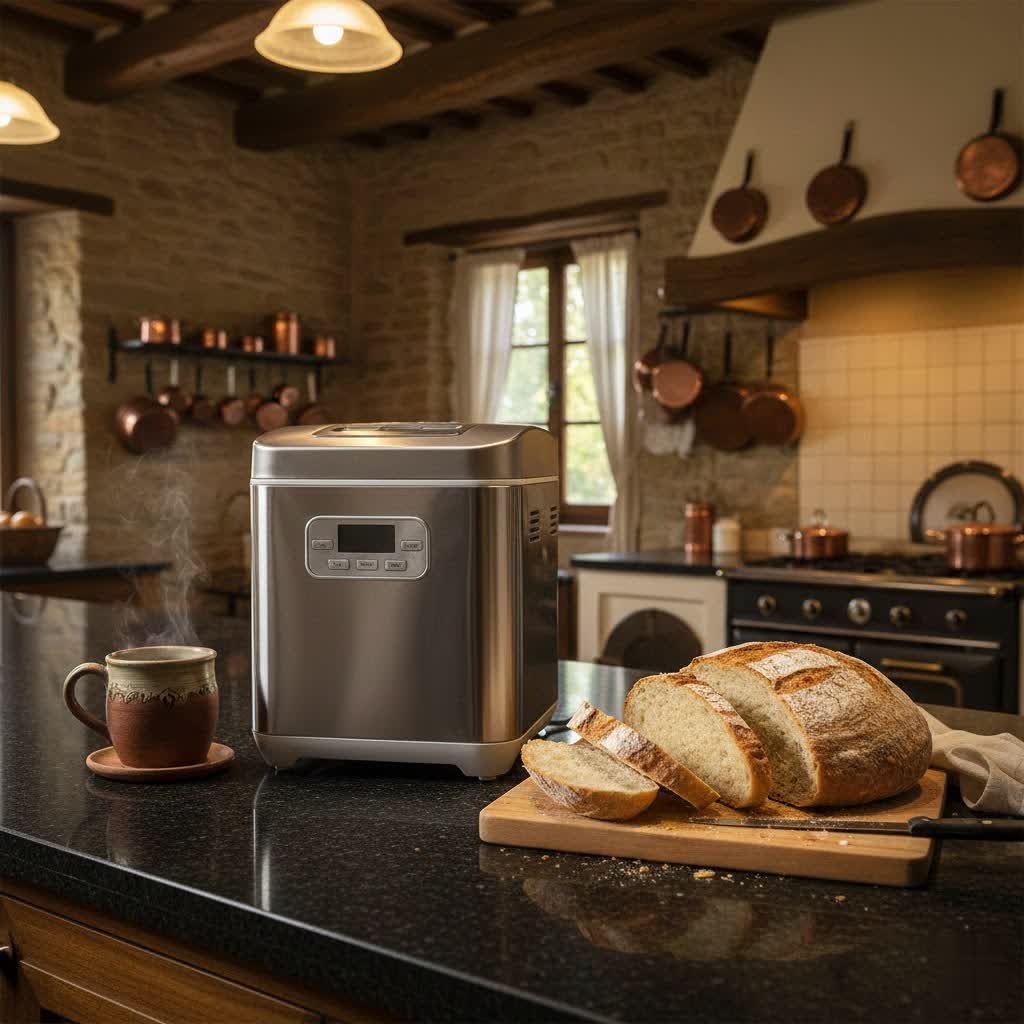
A sourdough bread maker is a specialized kitchen appliance designed to automate much of the sourdough bread-making process. While standard bread machines excel at yeasted breads, sourdough’s natural leavening requires specific conditions and longer fermentation times. Modern sourdough bread makers bridge this gap, allowing you to create beautiful loaves with minimal hands-on effort.
Historically, bread machines revolutionized home baking by taking care of mixing, kneading, rising, and baking with the push of a button. However, the slow, natural fermentation of sourdough starter often presented a challenge for these early models. Today, manufacturers have evolved, integrating features like custom programming for extended rise cycles, optimal temperature control for fermentation, and specialized settings that cater directly to sourdough’s needs. These machines range from models that simply provide an excellent “dough” cycle for you to finish in a conventional oven, to advanced units that can complete the entire sourdough process from start to finish, yielding a perfectly baked loaf.
Why Embrace a Sourdough Bread Maker?
The appeal of a sourdough bread maker lies in its ability to simplify a traditionally complex baking process, offering numerous benefits for home bakers.
Firstly, it provides unmatched convenience and significant time savings. Sourdough requires precise timing for kneading and multiple long rises. A bread machine automates these steps, freeing up your hands and mind. You can add ingredients, set a program, and return hours later to perfectly kneaded dough or a fully baked loaf, making fresh sourdough achievable even on busy weekdays.
Secondly, a bread maker allows for easy customization of recipes and ingredients. You have complete control over the flours, hydration levels, and additions like seeds or herbs, ensuring your bread meets your exact dietary preferences and taste. This level of control is often lacking in store-bought options, which may contain unwanted preservatives or additives.
Furthermore, making your own sourdough ensures hygiene and food safety. You know exactly what goes into your bread, without concerns about unknown manufacturing conditions or hidden ingredients. This provides peace of mind, especially for families with allergies or specific dietary requirements.
Ultimately, the greatest reward is enjoying fresh, delicious homemade bread. The unique tangy flavor and satisfying texture of sourdough are unparalleled, and experiencing that straight from your own kitchen is a true delight. A sourdough bread maker makes this luxury an everyday reality, transforming your home into a bakery.
Choosing the Right Sourdough Bread Maker
Selecting the ideal sourdough bread maker involves considering your personal baking habits and preferences to ensure you find a machine that truly enhances your culinary journey.
Determine Your Needs
|
Our Picks for the Best Bread Maker in 2026
As an Amazon Associate I earn from qualifying purchases.
|
||
| Num | Product | Action |
|---|---|---|
| 1 | KITCHENARM 29-in-1 SMART Bread Machine with Gluten Free Setting 2LB 1.5LB 1LB Bread Maker Machine with Homemade Cycle - Stainless Steel Breadmaker with Recipes Whole Wheat Bread Making Machine |

|
| 2 | Neretva Bread Maker, 20-IN-1 2LB Bread Machine Dual Heater Bread Maker Machine Automatic with Nonstick Ceramic Pan, 15H Timer & 1H Keep Warm Set, Low Noise, Stainless Steel Breadmaker Recipe-Green |
|
| 3 | Cuisinart Bread Maker Machine, Stainless Steel Automatic Bread Machine with 12 Menu Options, 3 Loaf Sizes up to 2 Lb., 3 Crust Colors, Removable Nonstick Baking Pan & Kneading Paddle, CBK-110NAS |
|
| 4 | 2LB Bread Maker Machine, OSIPOTO 17 in 1 Automatic Stainless Steel Bread Machine, Non-stick, Beginner-Friendly Controls, 15 Hour Timer, Easy to Clean Low Noise, High Success Rate for Homemade Bread |
|
| 5 | Elite Gourmet Programmable Bread Maker, 2 lb Loaf, 3 Sizes, 19 Presets incl. Gluten-Free, Dough & Jam, Delay Timer, Black |
|
| 6 | Cuisinart Bread Maker Machine, Stainless Steel Convection Bread Machine with 16 Menu Options, 3 Loaf Sizes Up to 2 Lb., 3 Crust Colors, Includes Measuring Cup, Spoon & Kneading Hook, CBK-210 |
|
| 7 | MERIOR 25-IN-1 Bread Maker with Visible Lid - 2lb Automatic Machine, Auto Nut Dispenser, 13-Hour Delay Timer, One-Touch Control & Recipes – Easy Operation, High Success for Homemade Bread |
|
| 8 | KBS Premium 2LB Convection Bread Maker Dual Heaters, 710W Stainless Steel 17-in-1 Bread Machine Healthy Ceramic Pan, Nut Dispenser,Touch Panel, 3 Loaf Sizes 3 Crust Colors, 15H Timer,Low Noise,Recipes |
|
| 9 | Neretva Bread Maker, 20-in-1 2LB Bread Machine Dual Heater & Nonstick Ceramic Pan Bread Makers Machine All Metal Compact for Gluten Free/Dough Maker/Meat Floss/Jam/Yogurt/Breadmaker Recipe-Light Green |
|
| 10 | KBS Pro 710W 2LB Bread Maker, Stainless Steel 17-in-1 Smart Bread Machine with Healthy Ceramic Pan, Automatic Nut Dispenser, Tempered Glass Touch Panel, 3 Crust Colors, 15H Timer& Keep-Warm, Recipes |
|
Start by asking yourself a few key questions. Are you baking for a small family or frequently entertaining? This will dictate the required loaf capacity. Do you prefer soft sandwich loaves that bake entirely in the machine, or are you aiming for crusty artisan boules that might require the machine’s dough cycle followed by oven baking? Your preferred bread types will influence the features you need. Lastly, consider your budget. Bread makers vary widely in price, with advanced models offering more features but at a higher cost.
Key Features to Consider
When evaluating different models, several features stand out as particularly beneficial for sourdough baking:
- Capacity and Size: Bread machines typically make 1, 1.5, or 2-pound loaves. Consider your counter space and storage availability.
- Sourdough-Specific Programs: Look for machines with dedicated sourdough settings, or at least highly customizable “dough” cycles that allow for extended kneading and fermentation times essential for sourdough development. Some advanced models let you program specific rise, knead, and bake durations.
- Delay Timer and Keep-Warm Function: A delay timer is invaluable for fresh bread in the morning. A keep-warm function ensures your loaf stays warm until you’re ready to serve.
- Materials and Durability: Stainless steel exteriors and high-quality non-stick bread pans are indicators of durability and ease of cleaning. Dual kneading paddles can also ensure more thorough mixing.
- Ease of Cleaning and Maintenance: Removable, non-stick bread pans and paddles make cleanup a breeze.
- Loaf Shape: Some machines produce traditional horizontal loaves, while others yield taller, vertical loaves. Consider what fits best in your toaster or for sandwiches.
Reputable Sourdough Bread Maker Brands
Several brands have established themselves as leaders in the bread machine market, with some models particularly well-suited for sourdough:
- Zojirushi: Often considered a premium brand, Zojirushi models like the Home Bakery Virtuoso Plus are highly praised for their dual kneading paddles, precise temperature control, and customizable settings, which are excellent for sourdough. They often produce a more traditional horizontal loaf.
- Breville: The Breville Custom Loaf Bread Maker is known for its versatility and advanced customization options, including a collapsible kneading paddle that minimizes the hole in the bottom of the loaf.
- Panasonic: Some Panasonic models feature specific sourdough programs and accessories, catering to the unique requirements of sourdough fermentation.
- Hamilton Beach and Cuisinart: These brands offer more budget-friendly options that can still produce good sourdough, especially if you plan to use their “dough” cycle and finish baking in a conventional oven. They are good entry points for those new to bread machine sourdough.
Comparing Popular Sourdough Bread Maker Models
When diving into the world of sourdough bread makers, understanding the distinctions between popular models can guide your decision. Premium machines often boast features that cater directly to the nuances of sourdough, while more affordable options can still provide excellent results with a bit of user adaptation.
For example, the Zojirushi Home Bakery Virtuoso Plus is frequently lauded for its dedicated sourdough starter function, which allows for extended first rises—up to 12 hours—crucial for developing complex sourdough flavors. Its dual paddles ensure thorough kneading, and precise temperature control maintains optimal conditions for fermentation. It also yields a classic rectangular loaf shape, favored by many for slicing.
In contrast, the Breville Custom Loaf Bread Maker stands out for its extensive customization. While it may not have a specific “sourdough” button, its ability to program every stage—preheat, knead, rise, punch down, and bake—makes it highly adaptable for sourdough recipes. Its unique collapsible paddle minimizes the common issue of a large hole at the bottom of the baked loaf.
Panasonic models, such as those in the SD-ZB series, often feature specialized programs like “Rustic Sourdough” or “Sourdough Dough” cycles, sometimes even including dedicated sourdough cups. These machines simplify the process with pre-set timings designed for natural leaveners, providing consistent results.
For those on a tighter budget, options like the Hamilton Beach Digital Bread Maker or Cuisinart Compact Automatic Bread Maker can still produce impressive sourdough, especially if you utilize their robust “dough” cycles. You might then transfer the dough to a Dutch oven or baking stone for a superior crust in a conventional oven. While these machines may lack the advanced customization or dedicated sourdough functions of their higher-priced counterparts, their simplicity and reliability make them excellent value choices. The trade-off is often in less precise temperature control or fewer specific sourdough presets, meaning you might need to manually adjust rise times or use a combination of cycles.
The choice ultimately depends on how much control and dedicated features you desire versus your budget and willingness to adapt standard programs for sourdough’s unique requirements.
Mastering Your Sourdough Bread Maker: A Detailed Guide
Harnessing the full potential of your sourdough bread maker requires a keen understanding of the process, from ingredient preparation to post-bake care.
Before you begin, ensure your sourdough starter is active and vigorous. A fed starter, bubbly and doubling in size, is the cornerstone of a successful loaf. You can even use your bread machine’s warm chamber (without heating, or on a very low “keep warm” setting for a short period) to help activate a sluggish starter.
Ingredient Selection and Measurement:
- Flour: Use high-quality bread flour for better gluten development, leading to a chewier crumb. Whole wheat or rye flours can be incorporated for depth of flavor, but be mindful of their impact on hydration.
- Water: Lukewarm water (around 90-105°F or 32-40°C) is ideal for activating your starter without shocking it. Adjust water quantity based on your starter’s hydration and the humidity of your environment.
- Salt: Salt is crucial for flavor and regulating fermentation. Typically, it’s added after the initial mixing phase to avoid hindering yeast activity, though some recipes incorporate it from the start with specific autolyse periods.
- Starter Quantity: Recipes vary, but a good rule of thumb is 1/2 to 1 cup of active starter per standard loaf.
Setting Programs and Delay Timer:
Many bread machines offer a “dough” cycle, which is perfect for sourdough as it handles the mixing and primary fermentation. For machines without a specific sourdough cycle, you might need to:
- Disable Preheat: Sourdough ingredients are typically not cold, so preheating can be unnecessary or even detrimental.
- Custom Kneading: Use the basic dough cycle for initial kneading (e.g., 5-10 minutes).
- Extended Rise: Sourdough needs longer to rise than commercial yeast. After kneading, let the dough rest in the machine (turned off) for several hours (e.g., 4-8 hours, or even a cold proof in the fridge) until significantly increased in volume. Some advanced machines allow you to program these longer rise times.
- Bake Cycle: If baking in the machine, select a “bake” cycle, often for a longer duration than standard bread. Alternatively, many prefer to remove the dough after the bulk rise, shape it, and bake in a preheated oven, often in a Dutch oven, for a superior crust.
Tips for Perfect Sourdough:
- Autolyse: Mix flour and water first, let it rest for 20-30 minutes before adding starter and salt. This helps hydrate the flour and develop gluten.
- Bulk Fermentation: Allow sufficient time for the first rise; this is where the sourdough flavor develops.
- Cold Proof (Optional): After the initial rise, shaping the dough and refrigerating it overnight can deepen the sour flavor and improve crumb structure.
- Scoring: If baking in the oven, scoring the top of the dough with a sharp blade before baking helps control the expansion and creates an aesthetic crust.
Cleaning and Maintenance:
Always allow the bread pan and paddle to cool before cleaning. Most non-stick pans can be hand-washed with warm, soapy water. Avoid abrasive scrubbers to protect the non-stick coating. Regular cleaning ensures longevity and prevents food buildup.
Delicious Sourdough Recipes for Your Bread Maker
Your sourdough bread maker is a versatile tool, capable of producing a variety of delectable loaves. Here are a few ideas to get you started:
Basic Sourdough Sandwich Loaf (Fully in Machine):
This is the simplest way to enjoy sourdough. Combine active sourdough starter, bread flour, water, salt, and a touch of sugar (optional, for tenderness) directly in your bread machine pan. Use a dedicated sourdough program or a customized dough cycle followed by a bake cycle. The result is a soft, flavorful loaf perfect for everyday sandwiches and toast.
Sourdough Dough for Artisan Loaves (Using Dough Cycle, then Oven):
For those who crave a classic, crusty artisan loaf, use your bread maker solely for the mixing and initial bulk fermentation (dough cycle). Once the cycle is complete, gently remove the dough, shape it into a boule or bâtard, allow for a final proof (possibly cold proof overnight in the refrigerator), and then bake in a preheated Dutch oven or on a baking stone in your conventional oven. This method delivers the characteristic crackling crust and open crumb of traditional sourdough.
Sweet Sourdough Breads:
Sourdough isn’t just for savory loaves! Incorporate elements like cinnamon, sugar, raisins, dried cranberries, or chocolate chips into your dough cycle. Imagine a warm sourdough cinnamon swirl bread or a rich sourdough brioche, perfect for breakfast or dessert. The tang of the sourdough provides a wonderful counterpoint to the sweetness.
Whole Wheat Sourdough:
For a heartier, more nutritious option, substitute a portion of the bread flour with whole wheat flour. This will create a denser loaf with a robust, earthy flavor. Remember that whole wheat flour absorbs more liquid, so you may need to adjust your water content slightly to achieve the right dough consistency.
Experiment with different flours, additions, and hydration levels. The beauty of the sourdough bread maker is how it simplifies the foundational steps, leaving you more time to explore and perfect your favorite recipes.
Troubleshooting Common Sourdough Bread Maker Issues
Even with the convenience of a bread maker, sourdough can sometimes present challenges. Understanding common issues and their solutions will help you achieve consistent success.
- Loaf Not Rising Enough: This is a frequent concern with sourdough.
- Solution: Ensure your starter is very active and fed. The ambient temperature of your kitchen also plays a role; a colder environment slows fermentation. If your machine allows, extend the rise cycles. Some recipes might also benefit from a small amount of commercial yeast (bread machine yeast) alongside the starter for a more reliable rise, especially in a faster bread machine cycle. Check flour freshness.
- Loaf Too Dense or Gummy Crumb:
- Solution: This often relates to under-proofing or insufficient kneading. Give the dough more time to rise. If baking entirely in the machine, ensure it’s fully cooked; sometimes bread machines don’t reach oven temperatures, requiring longer bake times. Proper hydration also plays a role; too much flour can lead to a dry, dense crumb. Always let the bread cool completely before slicing to prevent a gummy texture.
- Crust Issues (Too Soft or Burnt):
- Solution: Bread machines typically produce softer crusts due to the enclosed, steamy environment. For a crisper crust, transfer the dough after the “dough” cycle and bake in a conventional oven, ideally in a Dutch oven. If the crust is too dark, adjust the crust setting on your machine (if available) or shorten the bake time slightly.
- Lack of Sour Flavor:
- Solution: The “sour” in sourdough develops over time during fermentation. To achieve a more pronounced tang, allow for a longer, cooler bulk fermentation or a cold proof (overnight refrigeration) of the dough after shaping. Using a mature, well-maintained starter also contributes to flavor development.
- Machine Not Activating/Operating Correctly:
- Solution: Always double-check that the pan is correctly seated, the lid is closed, and the power cord is securely plugged in. Refer to your machine’s manual for specific error codes or troubleshooting steps. Ensure you haven’t overloaded the machine beyond its capacity.
Patience and a bit of experimentation are key with sourdough. By understanding these common issues, you can adjust your technique and ingredients to bake delicious loaves consistently.
Where to Purchase Your Sourdough Bread Maker
Finding the perfect sourdough bread maker is easier than ever with a variety of retail options available.
- Large Electronics and Appliance Stores: Stores like Best Buy, Currys, or local appliance showrooms often carry a selection of bread machines, allowing you to see models in person and compare features. Sales associates can also offer advice.
- Online Retailers: Websites such as Amazon, Walmart, Target, and specialty kitchenware sites offer the widest selection of sourdough bread makers. You can easily compare prices, read detailed product descriptions, and access countless user reviews. Keep an eye out for deals and promotions, especially during holiday sales.
- Specialty Kitchen Stores: Stores like Williams Sonoma or Sur La Table might carry higher-end models from brands like Zojirushi or Breville, offering expert advice and sometimes exclusive bundles.
When purchasing online, always verify the seller’s reputation and review their return policy.
Sourdough Bread Maker Buying Guide
Investing in a sourdough bread maker is a decision that can significantly enhance your home baking experience. To ensure you make the best choice, consider these crucial factors:
First and foremost, evaluate your expected usage. Will you bake daily, or only on weekends? Do you need a machine that can churn out multiple loaves for a large family, or is a compact model sufficient for one or two people? This will dictate the necessary capacity and size of the machine.
Next, prioritize key features relevant to sourdough. Look for programmable cycles, options for extended fermentation, and a durable non-stick bread pan. Machines with dual kneading paddles often provide superior dough development. A delay timer is invaluable for setting up your bread to be ready at a specific time.
Consider your budget. While premium models like the Zojirushi Virtuoso Plus offer advanced features and robust construction, more affordable options from brands like Hamilton Beach or Cuisinart can still produce excellent sourdough, especially if you plan to use the dough cycle and bake in a conventional oven. Compare price versus quality to find the sweet spot that aligns with your financial comfort and desired performance.
Reading user reviews is paramount. Real-world feedback from other sourdough bakers can provide invaluable insights into a machine’s performance, durability, and any quirks it might have. Pay attention to comments regarding sourdough results, ease of cleaning, and customer service.
Finally, always check the warranty and return policies of both the manufacturer and the retailer. A good warranty offers peace of mind, and a flexible return policy ensures you can exchange or return the machine if it doesn’t meet your expectations. By carefully weighing these considerations, you’ll be well-equipped to select a sourdough bread maker that perfectly suits your needs and brings the joy of homemade sourdough to your kitchen.
Conclusion
The journey into sourdough baking can seem daunting, but with a modern sourdough bread maker, the path to a perfect loaf is surprisingly straightforward and enjoyable. These innovative machines democratize the art of sourdough, transforming complex techniques into manageable steps and offering the irresistible allure of freshly baked bread with minimal effort. Whether you’re a seasoned baker seeking convenience or a novice eager to explore the world of natural leavening, a sourdough bread maker empowers you to create delicious, wholesome loaves that fill your home with warmth and aroma. So, why not embrace the future of baking and let a sourdough bread maker bring the tangy delight of homemade bread into your daily life? What kind of sourdough adventure will you embark on first?
Frequently Asked Questions
Can I make 100% naturally leavened sourdough in a bread machine without commercial yeast?
Yes, many modern sourdough bread makers and customized programs allow for 100% naturally leavened sourdough. Success depends on a vigorous, active starter and sufficient fermentation time, which you might need to manually extend on some machines.
How do I get a crispy crust on bread machine sourdough?
Bread machines typically produce a softer crust due to the enclosed baking environment. For a crispy crust, use the bread machine’s “dough” cycle, then remove and shape the dough, and bake it in a preheated conventional oven, ideally in a Dutch oven or with steam.
Do I need a special sourdough starter for a bread machine?
No, any active and healthy sourdough starter will work. The key is to ensure your starter is fed and bubbly before use to guarantee a good rise in the bread machine.
Can a bread machine help activate a sluggish sourdough starter?
Yes, some bread machines can provide a warm, consistent environment. You can place your starter in the machine’s pan (without the paddle and on a very low, brief “keep warm” setting or simply in the residual warmth after a short cycle) to encourage activation, especially in cooler climates.
What’s the difference between a “dough” cycle and a “sourdough” cycle on a bread maker?
A “dough” cycle typically kneads and performs a standard first rise. A dedicated “sourdough” cycle is specifically programmed with longer, slower kneading and rising times to accommodate the natural leavening process of sourdough, often with optimized temperature control.
