Imagine waking up to the irresistible aroma of freshly baked bread filling your home, without any of the kneading, rising, or messy cleanup. This dream becomes a delicious reality with a programmable bread maker. For anyone who cherishes homemade goodness but leads a busy life, this kitchen appliance is a game-changer, transforming raw ingredients into a perfect loaf with just the touch of a button.
What is a Programmable Bread Maker?
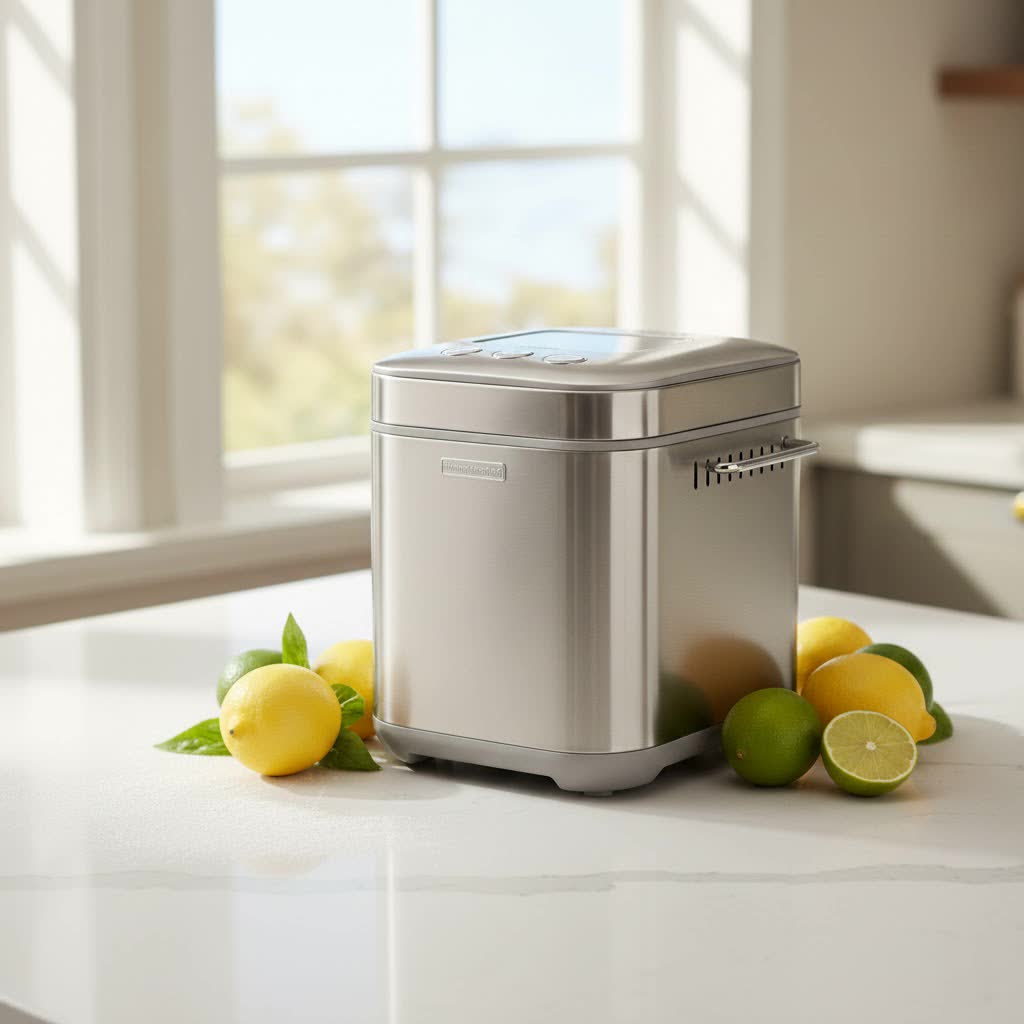
A programmable bread maker is a dedicated kitchen appliance designed to automate the entire bread-making process. From mixing and kneading the dough to allowing it to rise and finally baking it to perfection, these machines handle every step. While basic bread makers perform these core functions, programmable models elevate the experience by offering a variety of preset cycles and customizable options. This allows users to choose different bread types, crust colors, loaf sizes, and even create specialized doughs or jams, all with precise, automated control.
The concept of automated bread making emerged in Japan in the late 1980s, driven by a desire for convenience. Early models were fairly rudimentary, but over the decades, advancements in technology have led to sophisticated programmable machines with a multitude of features, making homemade bread accessible to everyone. Today, you can find various types, from compact models ideal for small kitchens to larger capacity machines for families, each boasting unique programmable functionalities that cater to diverse culinary preferences.
Why Choose a Programmable Bread Maker?
Opting for a programmable bread maker offers a wealth of benefits that enhance both your kitchen experience and your diet. The primary draw is unparalleled convenience, saving you significant time and effort compared to traditional bread baking methods.
Convenience and Time-Saving: With a programmable bread maker, you simply add your ingredients, select a program, and let the machine do the rest. The built-in timer allows you to set a delay, so you can prepare ingredients the night before and wake up to a warm, ready-to-eat loaf. This hands-off approach makes fresh bread a daily possibility, even for the busiest individuals.
Easy Customization and Control: Programmable features give you complete control over what goes into your bread. This is invaluable for those with dietary restrictions or specific health goals. You can easily experiment with different flours like whole wheat, rye, or gluten-free options, and add various mix-ins such as nuts, seeds, or dried fruits. This control ensures your bread is free from unwanted preservatives and artificial additives often found in store-bought varieties.
Health Benefits: By making your own bread, you control the sugar, salt, and fat content. This can lead to healthier choices for you and your family. For example, preparing gluten-free bread is straightforward with a dedicated program, providing a safe and delicious option for those with celiac disease or gluten sensitivities.
Freshness and Aroma: Nothing compares to the taste and aroma of freshly baked bread. A programmable bread maker consistently delivers perfectly baked loaves that are warm, soft, and fragrant, far surpassing the quality of most supermarket breads.
Versatility Beyond Bread: Many programmable bread makers are multi-talented appliances. Beyond a wide array of bread types, they often include settings for making pizza dough, pasta dough, sweet cakes, and even homemade jams and yogurt. This versatility makes them a valuable addition to any kitchen, maximizing their utility.
How Programmable Bread Makers Work: A Technical Overview
At its core, a programmable bread maker is a marvel of automated culinary engineering, designed to replicate the intricate steps of traditional bread making with precision. Understanding its mechanics reveals why it’s so effective.
The process begins when you load ingredients into the bread pan, which typically has a small mixing paddle at its base. Once a program is selected, an electric motor activates this paddle, initiating the mixing and kneading phases. The machine meticulously blends the ingredients into a cohesive dough, then kneads it to develop gluten, essential for the bread’s structure and texture.
Following kneading, integrated heating elements provide a gentle, controlled warmth to facilitate the rising (proofing) of the dough. This temperature-regulated environment is crucial for yeast activation and optimal dough expansion. Depending on the chosen program, the machine may perform multiple kneading and rising cycles to achieve the desired consistency and volume.
Finally, the heating elements increase in temperature, transforming the bread maker into a compact oven that bakes the dough. Advanced models often include sensors and a microcontroller that monitor and adjust temperatures and timings throughout the entire cycle, ensuring consistent results. The programmed settings dictate the duration of each stage, from initial mix to final bake, as well as factors like crust darkness. This seamless, hands-off operation allows you to simply set it and forget it, returning to a perfectly baked loaf.
Choosing the Right Programmable Bread Maker
Selecting the ideal programmable bread maker requires a thoughtful consideration of your personal baking habits and desired features. With numerous options on the market, understanding what truly matters will guide you to the perfect fit.
Determine Your Baking Needs
Before diving into specifications, consider how you intend to use the machine.
- Loaf Size Preference: Are you baking for a single person, a small family, or a larger household? Bread makers typically offer loaf sizes ranging from 1 pound to 3 pounds. A 1-pound loaf is perfect for individuals, while a 2-pound capacity is common for families. Some advanced models can bake up to 2.5 or 3 pounds, suitable for larger gatherings or less frequent baking.
- Types of Bread You Want to Make: Do you primarily stick to basic white bread, or are you eager to explore specialty breads like gluten-free, whole wheat, sourdough, or even sweet and French breads? Different machines come with varying numbers of preset programs tailored to these specific needs.
- Budget Considerations: Bread makers range widely in price, from entry-level models under $100 to premium machines costing several hundred dollars. Establish a budget, but remember that investing a bit more can often unlock advanced features and greater durability.
|
Our Picks for the Best Bread Maker in 2026
As an Amazon Associate I earn from qualifying purchases.
|
||
| Num | Product | Action |
|---|---|---|
| 1 | Elite Gourmet Programmable Bread Maker, 2 lb Loaf, 3 Sizes, 19 Presets incl. Gluten-Free, Dough & Jam, Delay Timer, Black |

|
| 2 | Cuisinart Bread Maker Machine, Stainless Steel Convection Bread Machine with 16 Menu Options, 3 Loaf Sizes Up to 2 Lb., 3 Crust Colors, Includes Measuring Cup, Spoon & Kneading Hook, CBK-210 |
|
| 3 | KITCHENARM 29-in-1 SMART Bread Machine with Gluten Free Setting 2LB 1.5LB 1LB Bread Maker Machine with Homemade Cycle - Stainless Steel Breadmaker with Recipes Whole Wheat Bread Making Machine |
|
| 4 | KBS Premium 2LB Convection Bread Maker Dual Heaters, 710W Stainless Steel 17-in-1 Bread Machine Healthy Ceramic Pan, Nut Dispenser,Touch Panel, 3 Loaf Sizes 3 Crust Colors, 15H Timer,Low Noise,Recipes |
|
| 5 | Cuisinart Bread Maker Machine, Stainless Steel Automatic Bread Machine with 12 Menu Options, 3 Loaf Sizes up to 2 Lb., 3 Crust Colors, Removable Nonstick Baking Pan & Kneading Paddle, CBK-110NAS |
|
| 6 | Neretva Bread Maker, 20-IN-1 2LB Bread Machine Dual Heater Bread Maker Machine Automatic with Nonstick Ceramic Pan, 15H Timer & 1H Keep Warm Set, Low Noise, Stainless Steel Breadmaker Recipe-Green |
|
| 7 | MERIOR 25-IN-1 Bread Maker with Visible Lid - 2lb Automatic Machine, Auto Nut Dispenser, 13-Hour Delay Timer, One-Touch Control & Recipes – Easy Operation, High Success for Homemade Bread |
|
| 8 | Neretva Bread Maker, 20-in-1 2LB Bread Machine Dual Heater & Nonstick Ceramic Pan Bread Makers Machine All Metal Compact for Gluten Free/Dough Maker/Meat Floss/Jam/Yogurt/Breadmaker Recipe-Light Green |
|
| 9 | 2LB Bread Maker Machine, OSIPOTO 17 in 1 Automatic Stainless Steel Bread Machine, Non-stick, Beginner-Friendly Controls, 15 Hour Timer, Easy to Clean Low Noise, High Success Rate for Homemade Bread |
|
| 10 | KBS Pro 710W 2LB Bread Maker, Stainless Steel 17-in-1 Smart Bread Machine with Healthy Ceramic Pan, Automatic Nut Dispenser, Tempered Glass Touch Panel, 3 Crust Colors, 15H Timer& Keep-Warm, Recipes |
|
Essential Features to Look For
Once your needs are clear, focus on the features that will enhance your baking experience.
- Preset Programs and Custom Options: A good programmable bread maker should offer a wide range of preset programs (12-19 or more) for various bread types (basic, French, whole wheat, sweet, rapid, gluten-free, dough, cake, jam, yogurt). Look for a “custom” or “homemade” setting that allows you to manually adjust kneading, rising, and baking times for truly unique recipes.
- Delay Timer and Keep-Warm Function: A delay timer, often up to 13-15 hours, is crucial for scheduling your baking. The keep-warm function (typically 60 minutes) ensures your bread stays warm and fresh after baking is complete.
- Crust Color Settings: Most machines offer light, medium, and dark crust options, allowing you to customize the texture and color of your loaf’s exterior.
- Automatic Dispensers (Fruits, Nuts): For recipes that require adding ingredients mid-cycle, an automatic dispenser is a convenient feature, dropping mix-ins at the optimal time without manual intervention.
- Pan Quality and Cleaning Ease: Look for non-stick bread pans, preferably made with durable materials. Ceramic-coated pans are a popular alternative to Teflon. Dishwasher-safe components simplify cleanup significantly.
- Design and Footprint: Consider the size and shape of the machine, especially if counter space is limited. Some models are more compact or designed to produce a more traditional rectangular loaf shape.
- Wattage and Power: While not always a primary concern, higher wattage (e.g., 550W) can indicate more consistent heating and kneading power.
Top Programmable Bread Maker Brands
The market is home to several reputable brands, each with its own strengths.
- Cuisinart: Known for sleek designs and a good balance of features and value, often including convection fans for even baking.
- Breville: Often considered a premium choice, offering highly customizable settings, unique features like collapsible paddles, and robust build quality.
- Zojirushi: Celebrated for producing consistently perfect loaves, especially traditional rectangular shapes, and often featuring dual kneading paddles and additional heating elements for superior results.
- Panasonic: A reliable brand with a long history in bread makers, offering models with automatic ingredient dispensers and consistent performance.
- Hamilton Beach: Provides excellent entry-level and mid-range options, known for affordability and ease of use, making them a great choice for beginners.
- Elite Gourmet / KBS / Oster / MOOSOO: Offer a variety of programmable features at competitive price points, often providing many preset functions for diverse baking needs.
“A programmable bread maker is more than just an appliance; it’s a gateway to culinary creativity and healthier eating, allowing you to tailor every loaf to your exact specifications.” – Chef Antoine Dubois, Master Baker & Culinary Educator
Popular Programmable Bread Maker Models Comparison Table
Choosing the best programmable bread maker can be challenging with so many options. Here’s a comparison of some popular models to help you decide based on key features and capabilities.
| Feature | Cuisinart Compact Automatic Bread Maker | Zojirushi Home Bakery Virtuoso Plus | Breville Custom Loaf Bread Maker | Hamilton Beach Bread Maker Machine | Elite Gourmet 2-lb Digital Bread Machine |
|---|---|---|---|---|---|
| Max Loaf Size | 2 lbs | 2 lbs | 2.5 lbs | 2 lbs | 2 lbs |
| Preset Programs | 12 | 15+ (incl. custom) | 13 (incl. custom) | 14 | 19 |
| Delay Timer | 13 hours | 13 hours | 13 hours | 13 hours | 15 hours |
| Crust Settings | 3 (Light, Medium, Dark) | 3 (Light, Medium, Dark) | 3 (Light, Medium, Dark) | 3 (Light, Medium, Dark) | 3 (Light, Medium, Dark) |
| Auto Dispenser | No | Yes (Yeast, Fruits/Nuts) | Yes (Fruits/Nuts) | No | No |
| Kneading Paddles | 1 | 2 | 1 (collapsible) | 1 | 1 |
| Special Features | Compact size, Quick Bake, Convection | Traditional loaf shape, Dual heaters | Collapsible paddle, Smart LCD | Affordable, Easy to Use | Variety of programs, Yogurt/Jam |
| Pan Material | Non-stick | Non-stick | Non-stick | Non-stick | Non-stick |
Note: Prices are approximate and can vary by retailer and promotions.
Getting Started with Your Programmable Bread Maker: Tips for Success
Embarking on your bread-making journey with a programmable machine is exciting. To ensure every loaf is a triumph, follow these essential tips.
1. Read the User Manual Thoroughly: This is the golden rule. Each bread maker has unique features, programs, and ingredient loading sequences. The manual is your most reliable guide for specific instructions, including proper ingredient order and cycle definitions. Don’t toss it!
2. Measure Ingredients Precisely: Bread making is a science. Accurate measurements are crucial for successful results. Use proper measuring cups and spoons, and for best accuracy, consider a kitchen scale for flour and other dry ingredients. Yeast, in particular, requires exact amounts.
3. Layer Ingredients Correctly: Most bread makers require liquids first, followed by dry ingredients, and finally yeast placed on top, separate from liquids and salt until the mixing cycle begins. This prevents premature yeast activation. Check your manual for the recommended order.
4. Use Bread Machine Yeast: Also known as instant yeast or rapid-rise yeast, this type is formulated to be added directly with other ingredients and doesn’t require prior proofing. While active dry yeast can sometimes be used, bread machine yeast typically yields better results in automated cycles.
5. Understand Your Programs: Familiarize yourself with the different preset cycles. A “basic” cycle is great for white bread, “whole wheat” has longer kneading times, “sweet” incorporates more sugar, and “gluten-free” programs have specific kneading and rising patterns for denser doughs.
6. Don’t Open the Lid During Rising/Baking: Resist the temptation to peek! Opening the lid can cause significant temperature drops, leading to deflated loaves or uneven baking. Most machines have a viewing window if you need to check progress.
7. Proper Maintenance and Cleaning: Always unplug your bread maker before cleaning. The bread pan and kneading paddle are usually removable and often non-stick or dishwasher-safe. Wipe down the interior and exterior of the machine with a damp cloth. Ensure no crumbs or residue accumulate in the heating element area.
Following these steps will help you consistently achieve delicious, perfectly baked bread from your programmable bread maker.
Delicious Recipes for Your Programmable Bread Maker
One of the greatest joys of owning a programmable bread maker is the endless variety of breads you can create. Here are a few staple recipes to get you started, along with ideas for expanding your repertoire.
1. Basic White Bread (1.5 lb loaf)
- Ingredients: 1 cup warm water, 2 tbsp milk powder, 2 tbsp sugar, 1 tsp salt, 2 tbsp unsalted butter (softened), 3 cups bread flour, 2 tsp active dry yeast.
- Instructions: Add ingredients to the bread pan in the order specified by your machine’s manual (typically liquids first, then dry, yeast last). Select the “Basic” program and desired crust color. Press start.
2. Whole Wheat Bread (2 lb loaf)
- Ingredients: 1 ½ cups warm water, ¼ cup honey or brown sugar, 2 tbsp olive oil, 1 ½ tsp salt, 2 ½ cups whole wheat flour, 1 cup bread flour, 2 ¼ tsp active dry yeast.
- Instructions: Layer ingredients as per your manual. Select the “Whole Wheat” program and desired crust. This program typically has a longer kneading and rising time.
3. Gluten-Free Bread (1.5 lb loaf)
- Ingredients: 1 ½ cups warm water, 2 large eggs (room temp, beaten), 3 tbsp olive oil, 1 tbsp sugar, 1 tsp salt, 2 cups gluten-free bread flour blend (containing xanthan gum), 1 ½ tsp active dry yeast.
- Instructions: Crucially, many gluten-free recipes suggest mixing wet ingredients first, then adding dry. Always follow your specific GF bread maker program instructions precisely. Use the “Gluten-Free” setting. Gluten-free dough often has a stickier, batter-like consistency.
4. Sweet Bread (e.g., Cinnamon Swirl, 1.5 lb loaf)
- Ingredients: Use a basic sweet bread recipe (often found in your manual), which will include sugar, eggs, and butter. After the first kneading cycle, you can manually add a cinnamon-sugar mixture (or use an automatic dispenser if available) if your program allows for mix-ins.
- Instructions: Select the “Sweet” or “Sweet Bread” program.
5. Dough-Only Recipes (Pizza Dough, Dinner Rolls)
- Ingredients: Most bread makers have a “Dough” cycle. You can use standard pizza dough or dinner roll recipes, often found in your bread maker’s recipe book.
- Instructions: Add ingredients, select the “Dough” cycle. The machine will mix and knead the dough, then allow it to rise. It will stop before baking. Once the cycle finishes, remove the dough, shape it as desired (pizza, rolls, focaccia), and bake in a conventional oven.
6. Jams and Other Functions: Many programmable bread makers feature “Jam” or “Yogurt” settings. For jam, simply add fruit, sugar, and pectin (if needed) to the pan, select the jam program, and the machine will cook and stir it for you.
Experimenting with different flours, sugars, fats, and mix-ins is part of the fun. Your bread maker’s manual often includes a variety of tested recipes, providing a solid foundation for your culinary adventures.
Troubleshooting Common Programmable Bread Maker Issues
Even with the convenience of a programmable bread maker, occasional hiccups can occur. Knowing how to diagnose and resolve common issues can save your loaf and your sanity.
1. Bread Not Rising or Rising Too Much:
- Check Yeast: Ensure your yeast is fresh and not expired. Old yeast is often the culprit for flat bread.
- Liquid Temperature: Water that is too hot will kill the yeast, while water that is too cold won’t activate it properly. Aim for lukewarm (around 105-115°F or 40-46°C).
- Ingredient Order: Verify you’ve added ingredients in the correct sequence, with yeast kept separate from salt and liquids until mixing begins.
- Too Much/Too Little Liquid: Adjust liquid slightly. Too much liquid can make the dough too loose to rise well, while too little will result in a dense, small loaf.
- Incorrect Flour: Ensure you’re using the right type of flour for your recipe (e.g., bread flour for most yeast breads, all-purpose for some quick breads).
2. Bread Sinking in the Middle:
- Too Much Yeast: An overabundance of yeast can cause the dough to rise too quickly and then collapse.
- Too Much Liquid: Similar to bread not rising, excessive liquid can weaken the dough’s structure.
- High Humidity/Altitude: In very humid conditions or at high altitudes, recipes may need slight adjustments (less liquid, less yeast).
- Over-Rising: Some programs might lead to over-rising if not perfectly matched to your recipe.
3. Crust Too Hard or Too Soft:
- Crust Color Setting: Adjust your bread maker’s crust color setting (light, medium, dark).
- Sugar/Fat Content: Recipes with more sugar tend to brown more, resulting in a darker crust. More fat can lead to a softer crust.
- Baking Time: If your machine allows, a slight adjustment to the baking time might be needed.
4. Uneven Baking or Mixing:
- Paddle Placement: Ensure the kneading paddle is correctly attached to the spindle in the pan.
- Ingredient Distribution: If you’re adding mix-ins manually, ensure they are distributed evenly. Automatic dispensers help prevent this issue.
- Machine Placement: Ensure the bread maker is on a stable, level surface.
5. Machine Not Working/Error Messages:
- Power Supply: Check that the machine is plugged in securely and the outlet is functional.
- Overheating: If the machine has been used recently, it might need to cool down before starting a new cycle. Some models have safety features to prevent operation when too hot.
- Sensor Issues: Refer to your manual for specific error codes. Sometimes cleaning the pan or ensuring proper seating can resolve these.
By systematically checking these common areas, you can often troubleshoot and rectify issues, ensuring your programmable bread maker continues to produce delightful loaves.
Where to Purchase Your Programmable Bread Maker
Once you’ve decided to embrace the joy of homemade bread with a programmable bread maker, finding the right place to purchase it is the next step. You have several convenient options, both online and in brick-and-mortar stores.
1. Online Retailers:
Online marketplaces are arguably the most popular choice due to their extensive selection, competitive pricing, and user reviews.
- Amazon, Walmart, Target: These mega-retailers carry a vast array of bread makers from various brands, often at different price points. They frequently offer sales and provide customer reviews that can be invaluable for making an informed decision.
- Specialty Appliance Sites: Websites dedicated to kitchen appliances, such as Williams-Sonoma, Sur La Table, or Everything Kitchens, often feature high-end or niche models and can provide more detailed product information and expert advice.
- Manufacturer Websites: Brands like Zojirushi, Cuisinart, and Breville often sell directly from their own websites, which can be a good source for the latest models, specific accessories, and warranty information.
2. Department Stores:
Traditional department stores with kitchenware sections often stock a selection of programmable bread makers.
- Macy’s, Kohl’s, JCPenney: These stores allow you to see the appliance in person, assess its size, and sometimes speak with a sales associate. While selection might be smaller than online, in-store promotions can be attractive.
3. Electronic and Home Goods Stores:
Retailers specializing in electronics and home appliances are also good places to look.
- Best Buy, Home Depot (online often): While their primary focus might be larger electronics or home improvement, these stores frequently carry a range of smaller kitchen appliances, including bread makers.
Buying Guide: Essential Considerations
To make the best purchasing decision for your programmable bread maker, keep these factors in mind:
- Define Your Budget: As noted earlier, prices vary significantly. Set a realistic budget, but be prepared to spend a bit more for advanced features, larger capacity, or premium brands if those are important to you.
- Feature Prioritization: List the features most important to you (e.g., specific loaf sizes, gluten-free program, automatic dispenser, compact design). Don’t pay for features you won’t use.
- Compare Prices and Quality: Always compare prices across different retailers. Don’t just go for the cheapest option; consider the build quality, brand reputation, and included warranty.
- Read User Reviews: Customer reviews on retailer websites or independent review sites offer real-world insights into a product’s performance, durability, and any common issues. Pay attention to both positive and negative feedback.
- Check Warranty and Return Policy: Understand the manufacturer’s warranty for defects and the retailer’s return policy. A good warranty provides peace of mind.
By combining thorough research with a clear understanding of your needs, you can confidently navigate the market and find the perfect programmable bread maker to bring the bakery experience into your kitchen.
Conclusion
The programmable bread maker stands as a testament to how modern kitchen technology can simplify and enrich our lives. By automating the entire bread-making process, these versatile appliances empower you to effortlessly create an astonishing variety of fresh, delicious, and customized loaves right in your own home. From the perfect basic white bread to specialized gluten-free options, and even other culinary delights like jams and pizza dough, the possibilities are vast and inviting.
Choosing the right model involves considering your baking needs, desired features, and budget, but the investment ultimately pays off in convenience, health benefits, and the sheer joy of homemade goodness. With a bit of practice and an understanding of its functions, your programmable bread maker will quickly become an indispensable tool in your kitchen, delivering consistent results and filling your home with the comforting aroma of freshly baked bread.
So, are you ready to unlock the effortless world of homemade bread and transform your kitchen into a personal artisan bakery?
Frequently Asked Questions
Can I use regular yeast in a bread maker?
While you can sometimes use regular active dry yeast, it’s generally recommended to use “bread machine yeast” (also known as instant yeast or rapid-rise yeast). Bread machine yeast is formulated to activate quickly and mix directly with dry ingredients, which is ideal for the automated cycles of a bread maker.
Why is my bread maker bread dense?
Dense bread is often caused by too little yeast, inactive yeast, too much flour, or insufficient liquid. Ensure your yeast is fresh, measure ingredients accurately (preferably with a kitchen scale for flour), and check your recipe’s liquid-to-dry ingredient ratio. Over-kneading or opening the lid during the rise cycle can also contribute to density.
How often should I clean my bread maker?
You should clean the bread pan and kneading paddle after every use. Wipe down the interior of the bread maker with a damp cloth periodically, or as needed to remove crumbs and spills. Ensure the appliance is unplugged and cooled completely before cleaning.
What is the best loaf size for a bread maker?
The best loaf size depends on your household’s needs. 1-pound loaves are ideal for individuals or small portions, 1.5-pound loaves are good for couples, and 2-pound loaves are standard for families. Some larger machines can make up to 2.5 or 3-pound loaves for bigger families or less frequent baking.
Can I make sourdough in a programmable bread maker?
Many programmable bread makers now include a dedicated “sourdough” program. These cycles are designed to accommodate the longer fermentation times required for sourdough. If your machine doesn’t have a specific sourdough setting, you might use the “dough” cycle to prepare the dough and then bake it in a conventional oven.
