There’s a unique joy that comes from the aroma of freshly baked bread filling your kitchen, a comfort that store-bought loaves simply can’t match. But for many, the time and effort involved in traditional bread making can be daunting. This is where the Cuisinart automatic bread maker steps in, transforming the art of baking into an effortless culinary experience. Designed to simplify the process from mixing to baking, these machines empower home bakers to enjoy delicious, homemade bread with minimal fuss. This comprehensive guide will walk you through everything you need to know about Cuisinart automatic bread makers, from understanding their features to troubleshooting common issues, ensuring you can bake perfect loaves every time.
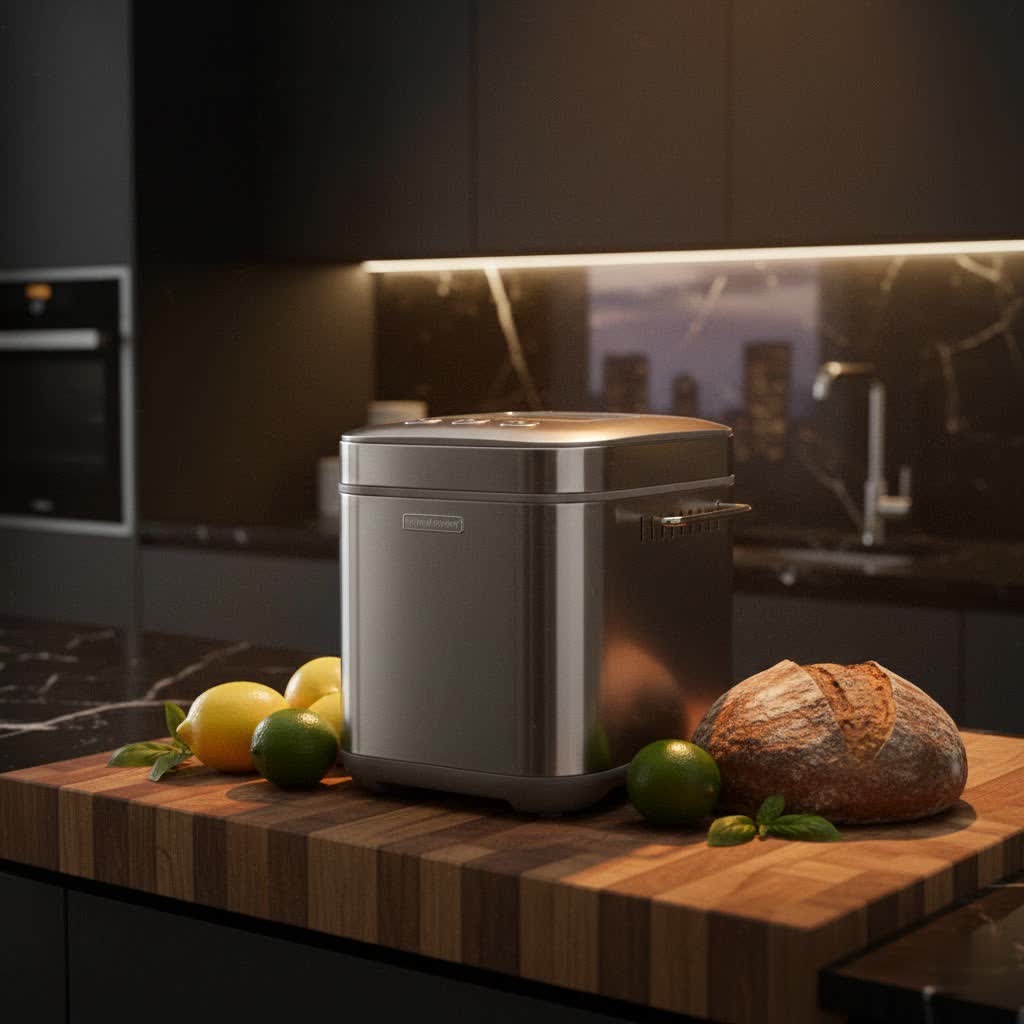
The Cuisinart Automatic Bread Maker: An Overview
An automatic bread maker is a kitchen appliance that automates the entire process of making bread, from kneading the dough to baking the loaf. You simply add your ingredients, select a program, and the machine handles the rest. This automation dates back to the mid-20th century, with significant advancements in recent decades making them staples in many homes. Cuisinart, a brand synonymous with quality kitchenware, offers a range of automatic bread makers designed to meet diverse baking needs. These machines are known for their user-friendly interfaces, durable construction, and consistent results, making them a popular choice for both novice and experienced bakers.
Cuisinart offers several popular models, including compact designs like the CBK-110P1, which features a space-saving vertical loaf pan, and convection models such as the CBK-200 and CBK-210, praised for their ability to circulate hot air for more even baking and a superior crust. Each model typically comes with a variety of pre-programmed settings and customizable options to ensure versatility.
Why Choose a Cuisinart Automatic Bread Maker?
The decision to invest in an automatic bread maker, particularly a Cuisinart model, brings a host of compelling benefits to your kitchen. These appliances are more than just convenience tools; they are gateways to a healthier, more creative, and utterly satisfying baking journey.
First and foremost, a Cuisinart automatic bread maker offers unparalleled convenience and time-saving benefits. Imagine waking up to the smell of warm, fresh bread without having to knead dough or monitor oven temperatures. With features like delay timers, you can simply add ingredients the night before and schedule your bread to be ready exactly when you want it. This hands-off approach frees up valuable time, allowing you to focus on other tasks while your bread bakes to perfection.
Furthermore, these machines provide easy customization of recipes and ingredients. Unlike store-bought options, you have complete control over what goes into your bread. This means you can opt for organic flours, reduce sugar or salt content, add nuts, seeds, or dried fruits, and even experiment with gluten-free recipes. This level of control is crucial for those with dietary restrictions or anyone looking to ensure their family consumes wholesome, additive-free food.
Ensuring food safety and quality is another significant advantage. When you bake at home, you eliminate concerns about unknown preservatives, artificial flavors, or cross-contamination often associated with mass-produced bread. Your Cuisinart bread maker provides a clean, controlled environment for baking, giving you peace of mind with every slice.
Ultimately, the biggest draw is the ability to create fresh, delicious bread at home consistently. Cuisinart bread makers are designed to deliver even baking, excellent texture, and a desirable crust. Whether it’s a simple white loaf, a hearty whole wheat, or a sweet cinnamon raisin bread, the satisfaction of pulling a warm, aromatic loaf from your machine is an experience that truly elevates your home dining.
Choosing the Right Cuisinart Automatic Bread Maker
Selecting the perfect Cuisinart automatic bread maker involves understanding your personal baking habits and preferences. With various models offering distinct features, a thoughtful assessment will ensure you pick a machine that truly complements your kitchen and lifestyle.
Assess Your Baking Needs
Begin by reflecting on your household’s baking demands.
- Family Size and Frequency: Are you baking for a small household or a larger family that consumes bread daily? This will influence the ideal loaf capacity you need (e.g., 1-pound, 1.5-pound, or 2-pound loaves).
- Preferred Bread Types: Do you primarily stick to basic white or whole wheat bread, or are you eager to explore more specialized options like gluten-free, artisan, sweet breads, or even dough for pizza and pasta? Ensure the model you choose offers the specific programs you’ll use.
- Budget: Cuisinart bread makers offer excellent value across different price points. Determine your budget range, keeping in mind that higher-end models may offer more advanced features and greater customization.
|
Our Picks for the Best Bread Maker in 2026
As an Amazon Associate I earn from qualifying purchases.
|
||
| Num | Product | Action |
|---|---|---|
| 1 | KITCHENARM 29-in-1 SMART Bread Machine with Gluten Free Setting 2LB 1.5LB 1LB Bread Maker Machine with Homemade Cycle - Stainless Steel Breadmaker with Recipes Whole Wheat Bread Making Machine |

|
| 2 | 2LB Bread Maker Machine, OSIPOTO 17 in 1 Automatic Stainless Steel Bread Machine, Non-stick, Beginner-Friendly Controls, 15 Hour Timer, Easy to Clean Low Noise, High Success Rate for Homemade Bread |
|
| 3 | Cuisinart Bread Maker Machine, Stainless Steel Automatic Bread Machine with 12 Menu Options, 3 Loaf Sizes up to 2 Lb., 3 Crust Colors, Removable Nonstick Baking Pan & Kneading Paddle, CBK-110NAS |
|
| 4 | KBS Premium 2LB Convection Bread Maker Dual Heaters, 710W Stainless Steel 17-in-1 Bread Machine Healthy Ceramic Pan, Nut Dispenser,Touch Panel, 3 Loaf Sizes 3 Crust Colors, 15H Timer,Low Noise,Recipes |
|
| 5 | KBS Pro 710W 2LB Bread Maker, Stainless Steel 17-in-1 Smart Bread Machine with Healthy Ceramic Pan, Automatic Nut Dispenser, Tempered Glass Touch Panel, 3 Crust Colors, 15H Timer& Keep-Warm, Recipes |
|
| 6 | MERIOR 25-IN-1 Bread Maker with Visible Lid - 2lb Automatic Machine, Auto Nut Dispenser, 13-Hour Delay Timer, One-Touch Control & Recipes – Easy Operation, High Success for Homemade Bread |
|
| 7 | Neretva Bread Maker, 20-IN-1 2LB Bread Machine Dual Heater Bread Maker Machine Automatic with Nonstick Ceramic Pan, 15H Timer & 1H Keep Warm Set, Low Noise, Stainless Steel Breadmaker Recipe-Green |
|
| 8 | Elite Gourmet Programmable Bread Maker, 2 lb Loaf, 3 Sizes, 19 Presets incl. Gluten-Free, Dough & Jam, Delay Timer, Black |
|
| 9 | Neretva Bread Maker, 20-in-1 2LB Bread Machine Dual Heater & Nonstick Ceramic Pan Bread Makers Machine All Metal Compact for Gluten Free/Dough Maker/Meat Floss/Jam/Yogurt/Breadmaker Recipe-Light Green |
|
| 10 | Cuisinart Bread Maker Machine, Stainless Steel Convection Bread Machine with 16 Menu Options, 3 Loaf Sizes Up to 2 Lb., 3 Crust Colors, Includes Measuring Cup, Spoon & Kneading Hook, CBK-210 |
|
Key Features to Consider
Once you’ve identified your basic needs, delve into the specific features that enhance the bread-making experience.
- Capacity and Size: Cuisinart offers both compact, vertical models (great for smaller kitchens) and bulkier convection models that produce a more traditional horizontal loaf shape. Consider your counter space and storage availability.
- Number of Programs: Look for machines with a good range of pre-programmed settings (typically 12 or more) that cover various bread types, dough, and even jams or cakes.
- Customizable Settings: Essential features include multiple crust shade options (light, medium, dark), loaf size selection, and a 13-hour delay-start timer, allowing you to schedule baking. A “keep warm” function is also a nice bonus.
- Material and Durability: Many Cuisinart models feature a sleek stainless steel exterior, which is both aesthetically pleasing and easy to wipe clean. Look for sturdy construction and a reliable kneading paddle and bread pan.
- Ease of Use and Maintenance: A clear LED display, an intuitive control panel, and a viewing window with an interior light for monitoring are all desirable. Removable kneading paddles and bread pans simplify cleanup significantly. Cuisinart also typically offers a 3-year limited warranty, indicating confidence in their product’s durability.
Popular Cuisinart Models
Cuisinart’s lineup includes several standout models, each with its unique strengths:
- Cuisinart CBK-110P1 Compact Automatic Bread Maker: This model is a favorite for its compact, vertical design, making it ideal for smaller kitchens. It’s praised for being easy to use and providing excellent results for basic breads and quick breads like banana bread. While it can produce a 2-pound loaf, some users note these loaves can be quite tall, which might be awkward for slicing.
- Cuisinart CBK-200 Convection Bread Maker: This machine is known for its convection fan, which ensures more even baking and a thick, crispy crust on horizontal loaves. It excels at basic white breads and offers a traditional loaf shape, though it is a bulkier appliance requiring more counter space.
- Cuisinart CBK-210 Convection Bread Maker: Often cited as a top pick, the CBK-210 also features a convection fan for superior baking. A notable feature is its alert system that signals when to add mix-ins and, uniquely, when to remove the kneading paddle before the final rise and bake cycle, helping to eliminate the paddle-shaped hole often found in bread machine loaves.
Choosing among these depends on your priorities: space-saving design, exceptional crust quality, or advanced features for an even more perfect loaf.
Cuisinart vs. Other Top Brands
When considering an automatic bread maker, Cuisinart often emerges as a strong contender, particularly when compared to other popular brands like Zojirushi and Breville. Each brand caters to slightly different needs and preferences, distinguishing themselves through a blend of features, price points, and overall performance.
Cuisinart typically positions itself as an excellent “middle-of-the-road” option, offering a balance of affordability and reliable performance. Cuisinart bread makers are generally more budget-friendly than premium brands like Zojirushi and Breville, making them an attractive choice for beginners or casual bakers who want consistent, quality bread without a significant investment. Users often highlight Cuisinart’s ease of use and straightforward operation as key advantages. The convection models, like the CBK-200 and CBK-210, are particularly lauded for producing a well-defined and evenly browned crust, a feature that sets them apart from many non-convection competitors.
In comparison, Zojirushi bread makers, while often more expensive, are frequently celebrated for their superior proofing capabilities, dual kneading paddles, and exceptional consistency, often yielding perfectly shaped, evenly baked loaves. They are considered a top-tier choice for serious bakers who prioritize precision and don’t mind a higher price tag.
Breville bread makers, also in a higher price bracket, appeal to those who desire advanced customization and a more modern aesthetic. They often feature intuitive LCD screens, ingredient dispensers, and the ability to save custom programs, offering a high degree of control over the baking process.
In essence, if you’re looking for a dependable, user-friendly bread maker that delivers delicious results and excellent value, a Cuisinart automatic bread maker is a compelling choice. It stands out for its solid performance on fundamental bread types and its convection capabilities, often outperforming its price point in crust quality. However, if advanced features, ultimate precision, or dual heating elements are non-negotiable, Zojirushi or Breville might be worth the extra investment.
Getting Started: Using Your Cuisinart Automatic Bread Maker
Unleashing the magic of your Cuisinart automatic bread maker is a straightforward process, designed to be as hands-off as possible. By following a few simple steps and embracing some expert tips, you’ll be baking delightful loaves in no time.
Preparation Before Baking
Before you begin, ensure your workspace is clean and you have all ingredients measured precisely.
- Read Your Manual: Although Cuisinart machines are intuitive, familiarizing yourself with your specific model’s instructions is crucial.
- Measure Accurately: This is arguably the most critical step in bread making. Use proper measuring cups and spoons, and for best results, weigh your flour and other dry ingredients with a kitchen scale.
- Ingredient Order: Always add liquids first, followed by dry ingredients, with yeast placed last, typically in a small well on top of the flour, away from liquids and salt until the mixing begins. This prevents premature yeast activation. Ensure all ingredients are at room temperature unless specified otherwise.
Setting Up and Operating Your Machine
Once ingredients are in the bread pan, secure it in the machine.
- Select Program: Use the control panel to choose the appropriate program for your recipe (e.g., White Bread, Whole Wheat, Gluten-Free, Dough).
- Choose Loaf Size: Select your desired loaf size (1 lb, 1.5 lb, or 2 lb).
- Set Crust Shade: Pick your preferred crust color (light, medium, or dark).
- Start Cycle: Press the start button. If your model has a delay-start timer, set that first, then press start.
Tips for Best Results
- Check Dough Consistency: During the kneading cycle (usually the first 5-15 minutes), check the dough. It should form a smooth, elastic ball. If it’s too dry, add water one teaspoon at a time. If too sticky, add flour one teaspoon at a time.
- Remove Kneading Paddle: If your Cuisinart model has an audible alert (like the CBK-210), remove the kneading paddle when prompted, after the last kneading cycle but before the final rise and bake. This prevents a large hole in the bottom of your finished loaf.
- Avoid Opening Lid: Resist the urge to open the lid during the rising and baking cycles, as this can cause the dough to collapse. The viewing window and interior light are there for monitoring.
Cleaning and Maintenance
Proper care extends the life of your Cuisinart bread maker.
- Bread Pan and Paddle: After each use, remove the bread pan and kneading paddle. Fill the pan with warm, soapy water and let it soak to loosen any stuck-on dough. Use a soft sponge to clean, avoiding abrasive scrubbers that can damage the non-stick coating.
- Exterior: Wipe down the exterior with a damp cloth.
- Interior: Clean the interior baking chamber if any ingredients have spilled or splattered.
- Storage: Ensure the machine is completely dry before storing it.
By adhering to these guidelines, your Cuisinart automatic bread maker will consistently produce delightful, homemade bread for years to come.
Delicious Recipes for Your Cuisinart Bread Maker
The versatility of your Cuisinart automatic bread maker means you’re not limited to just basic loaves. It’s a fantastic tool for exploring a wide array of baked goods, from everyday essentials to special treats. Here are some recipe inspirations to get you started:
Basic White Bread
The foundation of homemade bread, perfect for sandwiches or toast.
- Ingredients: Water, active dry yeast, bread flour, sugar, salt, butter.
- Program: White or Basic.
- Crust: Medium.
- Tip: Ensure water temperature is correct (around 90-100°F) for optimal yeast activation.
Whole Wheat Bread
A healthier, hearty alternative packed with fiber.
- Ingredients: Water, active dry yeast, whole wheat flour, bread flour, honey or brown sugar, salt, vegetable oil.
- Program: Whole Wheat.
- Crust: Medium to Dark.
- Tip: Whole wheat flour absorbs more liquid, so be prepared to adjust water slightly if the dough appears too dry during kneading.
Sweet Breads (e.g., Cinnamon Raisin, Banana Bread)
Ideal for breakfast or dessert, these recipes bring a touch of indulgence.
- Cinnamon Raisin Bread: Water, yeast, bread flour, sugar, salt, butter, cinnamon, raisins. Use the Sweet Bread program. Add raisins at the “mix-in” beep if your machine has one.
- Banana Bread (Quick Bread): Ripe bananas, eggs, oil, sugar, all-purpose flour, baking soda, salt. Use the Quick Bread or Cake program. Cuisinart models are particularly noted for making excellent quick breads.
- Tip: For quick breads, accurately measure leavening agents like baking soda, as the bread maker’s kneading action is less critical than precise ingredient ratios.
Gluten-Free Options
Many Cuisinart bread makers include a dedicated gluten-free setting, simplifying baking for those with sensitivities.
- Ingredients: Warm water, gluten-free yeast, gluten-free bread flour blend (containing xanthan gum), sugar, salt, oil, egg (optional, for structure).
- Program: Gluten-Free.
- Tip: Gluten-free dough often has a stickier, batter-like consistency compared to traditional wheat dough. Avoid adding too much flour.
Dough-Only Recipes
Beyond full loaves, your Cuisinart bread maker excels at preparing dough for other baked delights.
- Pizza Dough: Water, yeast, bread flour, olive oil, salt, sugar. Use the Dough program. Once the cycle finishes, remove the dough, shape, and bake in your conventional oven.
- Dinner Rolls/Buns: Milk, yeast, flour, sugar, salt, butter, egg. Use the Dough program, then shape and bake manually.
- Tip: The Dough cycle will mix, knead, and perform the first rise. This saves significant hands-on time for a variety of recipes.
Experiment with different flours, sweeteners, and mix-ins to discover your family’s favorite homemade treats with your Cuisinart automatic bread maker.
Troubleshooting Common Cuisinart Bread Maker Issues
Even with the best automatic bread maker, occasional issues can arise. Understanding how to troubleshoot common problems can save your loaf and prevent frustration. Here are some typical challenges and their solutions:
Bread Not Rising
This is a frequent complaint, often stemming from yeast issues or incorrect ingredient ratios.
- Expired or Inactive Yeast: Yeast is a living organism. Always check the expiration date and ensure it’s fresh. Use fast-acting or bread machine yeast for best results.
- Too Little Liquid or Sugar: Yeast needs warmth, moisture, and sugar to activate. Ensure you’re using the correct amount of lukewarm liquid (around 90-100°F) and any sugar specified in the recipe.
- Salt Contact with Yeast: Salt can inhibit yeast growth. Always place yeast on top of the flour, away from salt and liquids, until mixing begins.
- Wrong Flour Type: While all-purpose flour can work, bread flour has higher protein content, providing better structure and rise.
Dense or Gummy Bread
A heavy, compact loaf is often a sign of insufficient baking or incorrect liquid.
- Under-baking: The loaf may need a longer baking time. Try selecting a darker crust setting or using the “Bake-Only” function for an extra 10-15 minutes if your machine has one.
- Too Much Liquid: Excess liquid can lead to a gummy texture. Adjust the liquid amount down slightly in your next batch, monitoring the dough consistency during kneading.
- Under-Kneading: While automatic, ensure the dough ball forms correctly during the kneading phase. If it’s too stiff or too wet, it might not be kneaded sufficiently.
Collapsed Loaf
When the bread rises beautifully only to sink in the middle, it’s usually due to over-proofing or too much liquid.
- Too Much Yeast or Liquid: An excess of yeast can cause the dough to rise too quickly and then collapse. Similarly, too much liquid can weaken the dough structure. Try reducing either slightly.
- High Humidity: On humid days, consider reducing the liquid by a tablespoon or two, as flour can absorb moisture from the air.
- Opening Lid: Opening the lid during the final rise or baking can cause a sudden temperature drop, leading to collapse.
Paddle Issues
Problems with the kneading paddle can range from a large hole in the loaf to the paddle getting stuck or leaking.
- Paddle-Shaped Hole: Many bread makers leave a hole from the paddle. If your Cuisinart model (like the CBK-210) has an audible alert, remove the paddle before the final rise. Otherwise, embrace the hole or consider removing the dough, removing the paddle, and reshaping before the final rise (if your recipe allows manual intervention).
- Slipping or Stalled Paddle: If the paddle isn’t turning correctly or gets bogged down, check for a loose nut on the paddle mechanism or a slipping belt inside the machine. For significant issues, especially if a lubricant is leaking from the paddle shaft into your dough, the bread pan may need replacement, as internal seals or shafts might be compromised. Cuisinart’s customer service or a qualified technician can advise on such repairs, especially given the typical 3-year warranty.
For any persistent issues, always refer to your Cuisinart bread maker’s manual for specific troubleshooting steps and contact customer support if necessary.
Where to Buy Your Cuisinart Automatic Bread Maker
Finding the right Cuisinart automatic bread maker is easier than ever, with numerous reputable outlets offering a range of models. Knowing where to look and what to consider beyond the price tag will ensure a smooth purchase experience.
You can typically purchase Cuisinart automatic bread makers from several types of retailers:
- Major Online Retailers: Websites like Amazon, Walmart, and Target often carry a wide selection of Cuisinart models, including the popular CBK-110P1, CBK-200, and CBK-210. These platforms usually offer competitive pricing, frequent sales, and the convenience of home delivery. Always check customer reviews to gain insights into real-world performance and reliability.
- Department Stores: Retailers such as Macy’s, Kohl’s, and JCPenney frequently stock kitchen appliances, including Cuisinart bread makers. Shopping in-store allows you to see the machine in person, gauge its size, and sometimes speak with sales associates for advice.
- Specialty Kitchen Stores: Stores dedicated to kitchenware, like Williams Sonoma or Sur La Table, may offer Cuisinart models alongside other premium brands. While prices might be slightly higher, these stores often provide excellent customer service and expert product knowledge.
- Cuisinart’s Official Website: Purchasing directly from Cuisinart.com ensures you get genuine products and may offer exclusive deals or bundles. It’s also a reliable source for warranty information and customer support.
Important Considerations When Buying:
- Price Comparison: Prices can vary significantly between retailers. Use online tools to compare prices and look out for seasonal sales or discounts.
- Warranty: Cuisinart bread makers typically come with a limited 3-year warranty. Understand the terms and conditions, including what is covered and the process for making a claim. This provides peace of mind against potential manufacturing defects.
- Return Policy: Familiarize yourself with the retailer’s return policy. This is especially important for larger appliances in case the model doesn’t fit your kitchen space or meet your expectations.
- User Reviews: While product specifications are important, reading recent user reviews can offer valuable insights into the machine’s everyday performance, ease of use, durability, and any common quirks or issues.
By taking these factors into account, you can confidently choose the best Cuisinart automatic bread maker that fits your needs and brings the joy of homemade bread to your kitchen.
Conclusion
The Cuisinart automatic bread maker stands out as an exceptional kitchen companion, making the dream of homemade bread an effortless reality. With its blend of user-friendly features, robust performance, and a range of models to suit every need, Cuisinart empowers you to bake fresh, delicious loaves with minimal effort. From the convenience of a delay timer to the satisfaction of a perfect crust, these machines simplify the entire process, offering a healthier, more customizable alternative to store-bought options.
Whether you’re a seasoned baker or just beginning your journey, a Cuisinart bread maker provides the tools to explore a world of recipes, from basic white to intricate gluten-free creations. While troubleshooting common issues like dense loaves or paddle problems is part of the learning curve, understanding these solutions ensures your baking success. Investing in a Cuisinart automatic bread maker is an investment in flavor, convenience, and the comforting aroma of fresh bread in your home. Why wait to experience the simple pleasure of baking your own bread?
Frequently Asked Questions
What is the best Cuisinart bread maker model?
The “best” model depends on your priorities. The Cuisinart CBK-210 Convection Bread Maker is highly regarded for its even baking, excellent crust due to the convection fan, and the unique paddle removal alert. For compact spaces, the CBK-110P1 Compact Automatic Bread Maker is an excellent choice.
Can I make gluten-free bread in a Cuisinart bread maker?
Yes, most Cuisinart automatic bread makers, including the CBK-110P1, CBK-200, and CBK-210, feature a dedicated gluten-free program. This setting is specifically designed to accommodate the unique properties of gluten-free dough, ensuring proper mixing, rising, and baking for delicious results.
How do I clean my Cuisinart bread maker?
Cleaning is straightforward. Remove the bread pan and kneading paddle, and wash them with warm, soapy water and a soft sponge. Avoid abrasive scrubbers to protect the non-stick coating. Wipe down the exterior and interior with a damp cloth, ensuring the machine is completely dry before storage.
Why is my Cuisinart bread maker bread dense?
Dense bread is often caused by inactive or expired yeast, insufficient liquid in the recipe, or using the wrong type of flour (e.g., all-purpose instead of bread flour). Ensure your yeast is fresh, measure ingredients precisely, and check the dough consistency during the kneading cycle, adding liquid or flour sparingly if needed.
