For anyone navigating the complexities of celiac disease or gluten sensitivity, the comforting aroma of freshly baked bread can seem like a distant dream. However, with the right gluten-free bread maker, that dream becomes an everyday reality, allowing you to enjoy delicious, homemade loaves without the worry. These specialized appliances are designed to handle the unique characteristics of gluten-free dough, transforming ingredients into consistently perfect bread with minimal effort. This comprehensive guide will walk you through everything you need to know to choose, use, and cherish your ideal gluten-free bread maker.
Bread Makers: An Overview
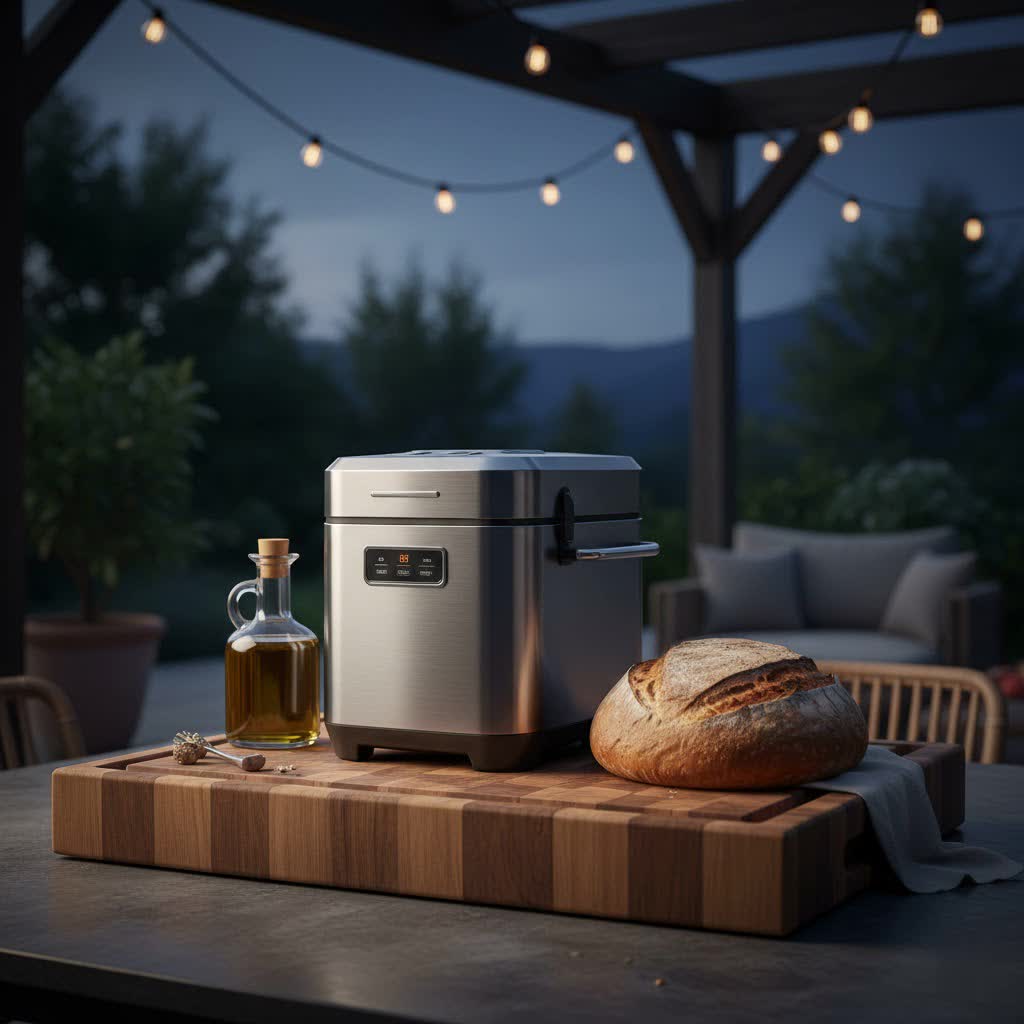
A bread maker is a kitchen appliance that automates the entire process of baking bread, from mixing and kneading to rising and baking. Its convenience has made it a staple in many households, saving time and effort compared to traditional hand-baking methods. The history of bread makers dates back to the late 1980s, evolving significantly over the decades to include a multitude of specialized settings and advanced features.
Today, the market offers various types of bread makers, differing in size, capacity, and functionality. While conventional models are excellent for wheat-based breads, gluten-free bread makers are specifically engineered to accommodate the distinct properties of gluten-free flours and mixes. These machines typically feature a dedicated gluten-free cycle that optimizes mixing, proofing, and baking times, which is crucial for achieving a well-risen and palatable loaf without gluten.
Why You Should Use a Bread Maker for Gluten-Free Bread
Baking gluten-free bread can be notoriously challenging due to the absence of gluten, the protein responsible for structure and elasticity in traditional bread. Gluten-free dough is often wetter, more batter-like, and requires different handling than its wheat-based counterpart. This is where a specialized bread maker becomes invaluable:
- Convenience and Time-Saving: A bread maker significantly streamlines the process, handling all the labor-intensive steps like mixing and kneading. Simply add your ingredients, select the gluten-free setting, and let the machine do the work, freeing up your time for other tasks.
- Easy Customization of Recipes and Ingredients: With a bread maker, you have complete control over the ingredients, allowing you to tailor recipes to specific dietary needs or preferences, such as dairy-free or nut-free options. This ensures you avoid unwanted additives often found in store-bought gluten-free breads.
- Ensured Food Safety and Hygiene: Making bread at home in a dedicated gluten-free bread maker eliminates concerns about cross-contamination with gluten-containing flours, which is a critical consideration for individuals with celiac disease.
- Consistently Fresh and Delicious Bread: There’s nothing quite like the aroma and taste of freshly baked bread. A quality gluten-free bread maker consistently produces delicious loaves with the desired texture, often outperforming many store-bought alternatives that can be dense or gummy.
Guide to Choosing the Right Gluten-Free Bread Maker
Selecting the perfect gluten-free bread maker requires careful consideration of your specific baking habits and household needs. Here’s a detailed guide to help you make an informed decision:
Determine Your Usage Needs
- Family vs. Individual Use: If you’re baking for a large family or frequently entertain, a machine with a capacity of 2 to 2.5 pounds will be ideal. For individuals or smaller households, a 1-pound capacity might suffice. Many versatile models offer multiple loaf size options.
- Preferred Bread Types: Consider if you only plan to bake basic gluten-free white bread or if you want to experiment with whole grain, sweet, or even specialty doughs like pizza crusts. Ensure the machine offers programs catering to your desired range.
- Budget: Gluten-free bread makers vary widely in price, from budget-friendly options around $60 to premium models exceeding $300. More expensive machines often boast advanced features and greater durability. If you plan to use it frequently, investing in a higher-quality, more durable model is advisable.
|
Our Picks for the Best Bread Maker in 2026
As an Amazon Associate I earn from qualifying purchases.
|
||
| Num | Product | Action |
|---|---|---|
| 1 | Neretva Bread Maker, 20-IN-1 2LB Bread Machine Dual Heater Bread Maker Machine Automatic with Nonstick Ceramic Pan, 15H Timer & 1H Keep Warm Set, Low Noise, Stainless Steel Breadmaker Recipe-Green |

|
| 2 | MERIOR 25-IN-1 Bread Maker with Visible Lid - 2lb Automatic Machine, Auto Nut Dispenser, 13-Hour Delay Timer, One-Touch Control & Recipes – Easy Operation, High Success for Homemade Bread |
|
| 3 | Neretva Bread Maker, 20-in-1 2LB Bread Machine Dual Heater & Nonstick Ceramic Pan Bread Makers Machine All Metal Compact for Gluten Free/Dough Maker/Meat Floss/Jam/Yogurt/Breadmaker Recipe-Light Green |
|
| 4 | Cuisinart Bread Maker Machine, Stainless Steel Automatic Bread Machine with 12 Menu Options, 3 Loaf Sizes up to 2 Lb., 3 Crust Colors, Removable Nonstick Baking Pan & Kneading Paddle, CBK-110NAS |
|
| 5 | KITCHENARM 29-in-1 SMART Bread Machine with Gluten Free Setting 2LB 1.5LB 1LB Bread Maker Machine with Homemade Cycle - Stainless Steel Breadmaker with Recipes Whole Wheat Bread Making Machine |
|
| 6 | Elite Gourmet Programmable Bread Maker, 2 lb Loaf, 3 Sizes, 19 Presets incl. Gluten-Free, Dough & Jam, Delay Timer, Black |
|
| 7 | Cuisinart Bread Maker Machine, Stainless Steel Convection Bread Machine with 16 Menu Options, 3 Loaf Sizes Up to 2 Lb., 3 Crust Colors, Includes Measuring Cup, Spoon & Kneading Hook, CBK-210 |
|
| 8 | KBS Pro 710W 2LB Bread Maker, Stainless Steel 17-in-1 Smart Bread Machine with Healthy Ceramic Pan, Automatic Nut Dispenser, Tempered Glass Touch Panel, 3 Crust Colors, 15H Timer& Keep-Warm, Recipes |
|
| 9 | 2LB Bread Maker Machine, OSIPOTO 17 in 1 Automatic Stainless Steel Bread Machine, Non-stick, Beginner-Friendly Controls, 15 Hour Timer, Easy to Clean Low Noise, High Success Rate for Homemade Bread |
|
| 10 | KBS Premium 2LB Convection Bread Maker Dual Heaters, 710W Stainless Steel 17-in-1 Bread Machine Healthy Ceramic Pan, Nut Dispenser,Touch Panel, 3 Loaf Sizes 3 Crust Colors, 15H Timer,Low Noise,Recipes |
|
Essential Features to Consider
- Capacity and Machine Size: While large bread makers can bake 2 to 2.5-pound loaves, consider the physical size of the unit itself. Compact models like the Hamilton Beach 29882 are ideal for smaller kitchens or for easy storage.
- Number of Baking Programs: Look for a machine with a dedicated gluten-free setting. This program is specially optimized for the unique mixing, rising, and baking requirements of gluten-free dough, which differs significantly from wheat dough. Some advanced models may also offer customizable programs, allowing you to adjust cycles to perfectly suit different gluten-free flour blends and avoid the detrimental “second punch down” common in traditional bread cycles.
- Delay Timer and Keep-Warm Function: A delay timer, often up to 13-15 hours, allows you to add ingredients in advance and set the machine to start baking later, ensuring a fresh loaf is ready when you wake up or return home. A keep-warm function prevents the bread from cooling too quickly, which can sometimes lead to collapse in gluten-free loaves.
- Material and Durability: Stainless steel housing is a popular choice for its durability and ease of cleaning. Non-stick bread pans are essential, as gluten-free dough tends to be stickier. Some innovative machines, like the KBS Pro, feature ceramic inner pots, offering a Teflon-free non-stick alternative.
- Ease of Cleaning and Maintenance: Removable, non-stick pans and dishwasher-safe parts significantly simplify post-baking cleanup. Look for machines with ergonomic designs, such as handles for easy lifting and rubberized feet for stability during operation.
- Kneading Mechanism: Gluten-free dough benefits from thorough mixing. Machines with strong motors and dual kneading blades, like the Zojirushi Virtuoso Plus, are highly effective at handling thick batters and ensuring even incorporation of ingredients. Some models also feature retractable kneading blades to prevent large holes in the finished loaf.
- Automatic Dispensers and Alerts: Features such as automatic fruit and nut dispensers can add mix-ins at the optimal time, preventing them from being crushed during kneading. Audible alerts are also useful for prompting you to remove kneading paddles or signaling the end of a cycle.
- Even Baking and Crust Control: Dual heating elements (top and bottom) and convection features, as seen in the Cuisinart CBK-200, help ensure even browning and a consistent crust for gluten-free breads, which can be challenging to achieve. Adjustable crust color settings (light, medium, dark) also provide greater control over your loaf’s finish.
Reputable Bread Maker Brands
Several brands have established themselves as leaders in the gluten-free bread maker market, known for their reliability and performance:
- Zojirushi: Often considered the “gold standard,” Zojirushi models like the Home Bakery Virtuoso Plus consistently receive high ratings for their dual kneading blades, powerful motors, comprehensive gluten-free settings, and even baking. While on the pricier side, they are renowned for consistent, high-quality results.
- Breville: The Breville BBM800XL Custom Loaf is a premium option lauded for its versatility, automatic nut/fruit dispenser, retractable kneading blade, and a unique 60-minute power backup feature.
- Cuisinart: Cuisinart offers reliable bread makers, including compact options and models with convection features, often at a more budget-friendly price point. They provide a good balance of features and performance for gluten-free baking.
- Panasonic: Known for producing light, airy, and fluffy gluten-free loaves, Panasonic models like the SD-R2550 have a strong reputation among gluten-free bakers.
- Hamilton Beach: A popular choice for budget-conscious buyers, Hamilton Beach bread makers offer dedicated gluten-free settings and essential features at an accessible price, making them a great entry-level option.
- T-fal: The T-fal ActiBread is recognized for its efficiency and comprehensive preset programs, including gluten-free options, in a relatively compact design.
- KBS Pro and Elite Gourmet: These brands offer innovative features and good value, with models often including ceramic pans, extensive programs, and automatic dispensers at competitive prices.
Comparison of Popular Gluten-Free Bread Makers
| Feature | Zojirushi Virtuoso Plus (BB-PDC20) | Breville BBM800XL Custom Loaf | Cuisinart Compact (e.g., CBK-200) | Hamilton Beach Digital (29882) |
|---|---|---|---|---|
| Price Range | High | High | Mid-Low | Low |
| Loaf Capacity | 2 lbs | 1lb, 1.5lb, 2lb, 2.5lb | 1lb, 1.5lb, 2lb | 1.5 lbs, 2 lbs |
| Kneading Paddles | Dual | Retractable Single | Single (some dual) | Dual (some single) |
| GF Setting | Dedicated & Robust | Dedicated | Dedicated | Dedicated |
| Custom Programs | Yes (3 profiles) | Yes | Limited | Limited |
| Special Features | Dual Heaters, Auto Reminders | Nut/Fruit Dispenser, Power Backup | Convection (CBK-200), Viewing Window | Audible Alerts, Compact Design |
| Pan Type | Non-stick | Non-stick | Non-stick | Non-stick |
| Overall Performance (GF) | Excellent | Excellent | Good | Good |
This table provides a snapshot of some key models. Always consult recent reviews and product specifications for the most up-to-date information.
Detailed Guide to Using Your Gluten-Free Bread Maker
Using a gluten-free bread maker effectively involves understanding the unique requirements of gluten-free baking.
Preparation Before Baking
- Read the Manual: Always start by thoroughly reading your bread maker’s user manual. Each machine has specific instructions for ingredient order and program settings.
- Gather Ingredients: Ensure all ingredients are measured precisely. Gluten-free baking is often more sensitive to exact ratios than traditional baking.
- Room Temperature Ingredients: For best results, bring all wet ingredients, especially eggs and milk, to room temperature before adding them to the bread pan [cite: 3 (search output)]. This helps yeast activate properly.
Ingredient Selection and Measurement
- Gluten-Free Flour Blends: Use a high-quality gluten-free flour blend specifically designed for bread, which often includes a mix of starches and gums (like xanthan gum) to provide structure. If your blend doesn’t contain xanthan gum, you’ll need to add it separately [cite: 2 (search output)].
- Liquids First: In most bread makers, the standard order is to add liquids first (water, milk, oil, eggs, vinegar), followed by dry ingredients (flour, sugar, salt, xanthan gum), and finally, the yeast placed in a small well on top of the dry ingredients, away from direct contact with liquids until mixing begins [cite: 2 (search output), 3 (search output)].
Program Settings and Timing
- Select Gluten-Free Cycle: Always use the dedicated gluten-free setting on your bread maker. These programs are designed with specific mixing, rising, and baking durations suitable for gluten-free dough [cite: 1, 2 (search output)].
- Crust Color: Choose your preferred crust color (light, medium, or dark) if your machine offers this option.
- Delay Timer: Utilize the delay timer if you want your bread to be ready at a specific time, such as in the morning.
Tips for Perfect Gluten-Free Bread
- Scrape the Sides (If Needed): During the initial mixing cycle, some gluten-free batters can be quite thick and sticky. You might need to use a rubber spatula to scrape down any dry ingredients from the sides of the pan to ensure everything is fully incorporated [cite: 2 (search output), 3 (search output)].
- Avoid the Second Punch-Down: Traditional bread maker cycles often include a “punch-down” phase after the first rise to release air. For gluten-free bread, this action can cause the delicate structure to collapse. Dedicated gluten-free settings typically omit this, but if you’re using a manual or basic cycle, ensure it doesn’t include a second punch-down [cite: 3 (search output)].
- Cool Completely: Once the baking cycle is complete, carefully remove the bread pan and invert the loaf onto a wire rack. Allow the bread to cool completely (at least 1-2 hours) before slicing. Slicing too early can result in a gummy texture [cite: 2 (search output)].
- Proper Storage: Gluten-free bread tends to dry out faster than wheat bread. Store cooled bread in an airtight container or bag at room temperature for a day or two, or freeze slices for longer preservation.
Cleaning and Maintenance
- Unplug and Cool: Always unplug your bread maker and allow it to cool completely before cleaning.
- Remove Pan and Paddle: Remove the bread pan and kneading paddle. Most non-stick pans can be hand-washed with warm, soapy water or are dishwasher-safe.
- Wipe Down Exterior: Wipe the exterior of the machine with a damp cloth. Avoid abrasive cleaners.
- Check for Residue: Ensure no flour or dough residue is left in the heating element or around the kneading shaft.
Delicious Gluten-Free Bread Recipes for Your Bread Maker
Your gluten-free bread maker is a gateway to a world of delicious possibilities. Here are a few basic recipes to get you started:
Basic Gluten-Free White Bread
This versatile recipe yields a soft, airy loaf perfect for sandwiches or toast.
Ingredients:
- 1 ¼ cups warm milk (or dairy-free alternative)
- ¼ cup olive oil or melted butter
- 2 large eggs, beaten
- 1 tbsp apple cider vinegar
- 3 cups gluten-free bread flour blend (with xanthan gum)
- 2 tbsp granulated sugar
- 1 tsp salt
- 1 ½ tsp active dry yeast
Instructions:
- Add liquids (milk, oil, eggs, vinegar) to the bread maker pan.
- Carefully layer dry ingredients (flour, sugar, salt) on top of the liquids.
- Make a small well in the center of the dry ingredients and add the yeast. Ensure yeast does not touch wet ingredients yet [cite: 2 (search output)].
- Place the pan in the bread maker, select the “Gluten-Free” cycle, and choose your desired crust color.
- Start the machine. Monitor during the mixing phase; scrape down sides if necessary.
- Once baked, remove the pan, invert the loaf onto a wire rack, and cool completely before slicing [cite: 2 (search output)].
Hearty Gluten-Free Whole Grain Bread
For a denser, more nutritious loaf, try this whole grain option.
Ingredients:
- 1 ½ cups warm water or milk
- ¼ cup unsweetened applesauce
- 2 large eggs, beaten
- 1 tbsp honey or maple syrup
- 2 ½ cups gluten-free whole grain flour blend (e.g., brown rice, sorghum, oat flour with xanthan gum)
- ½ cup gluten-free rolled oats
- 2 tbsp brown sugar
- 1 ½ tsp salt
- 2 tsp active dry yeast
Instructions:
Follow the same layering and baking steps as the Basic Gluten-Free White Bread, ensuring your machine’s gluten-free cycle is selected.
Sweet Gluten-Free Bread (e.g., Cinnamon Swirl)
A delightful treat for breakfast or dessert.
Ingredients:
- 1 ¼ cups warm milk
- ¼ cup melted butter
- 2 large eggs, beaten
- 1 tsp vanilla extract
- 3 cups gluten-free all-purpose flour blend (with xanthan gum)
- ¼ cup granulated sugar
- ½ tsp salt
- 1 ½ tsp active dry yeast
- For Cinnamon Swirl: 2 tbsp melted butter, 2 tbsp brown sugar, 1 tsp ground cinnamon (add when prompted by machine or manually during last knead)
Instructions:
- Prepare wet and dry ingredients as per the basic recipe.
- Place in the bread maker, select the “Gluten-Free” or “Sweet Bread” cycle.
- If your machine has an automatic dispenser, add cinnamon swirl ingredients at the alert. Otherwise, during the final kneading phase (often within the first 20-30 minutes of the cycle), you can open the lid, drizzle the melted butter, sprinkle brown sugar and cinnamon over the dough, and allow it to incorporate.
- Bake and cool as usual.
Troubleshooting Common Gluten-Free Bread Maker Issues
Even with the best equipment, gluten-free baking can present unique challenges. Here are solutions to common problems:
- Bread Doesn’t Rise / Dense Loaf:
- Check Yeast: Ensure yeast is fresh and active.
- Liquid Temperature: Liquids may be too hot (killing yeast) or too cold (inhibiting activation). Aim for 105-115°F (40-46°C).
- Incorrect Flour/Xanthan Gum: Using the wrong flour blend or insufficient xanthan gum (which provides structure) can prevent rising.
- Second Punch-Down: Ensure your cycle doesn’t include a second punch-down, which deflates GF dough [cite: 3 (search output)].
- Bread is Too Gummy/Wet:
- Underbaked: The bread might not be fully baked. Use a meat thermometer to check the internal temperature; it should be 200-210°F (93-99°C). If it’s under, you can often bake for an additional 10-15 minutes in a conventional oven at 350°F (175°C) [cite: 3 (search output)].
- Cooling Time: Not allowing the bread to cool completely before slicing is a common cause of gumminess [cite: 2 (search output)].
- Excess Liquid: Slight adjustments to liquid content (reducing by 1-2 tablespoons) might be needed for very sticky flours.
- Bread is Dry/Crumbly:
- Overbaked: The bread might have been baked too long.
- Insufficient Liquid: Some flour blends absorb more liquid. Try increasing liquid by 1-2 tablespoons next time.
- Poor Storage: Gluten-free bread dries quickly. Ensure it’s stored in an airtight container once cooled.
- Burnt Crust:
- Crust Setting: Select a lighter crust setting on your machine.
- Overbaking: Ensure the baking time is correct for your recipe and machine.
Where to Purchase Your Gluten-Free Bread Maker
When you’re ready to invest in a gluten-free bread maker, you have several reliable options:
- Major Appliance Retailers: Large electronics and appliance stores (both brick-and-mortar and online) typically carry a wide selection of bread makers from various brands.
- Online Marketplaces: Websites like Amazon, Walmart, and Target offer extensive choices, often with competitive pricing and user reviews to guide your decision.
- Specialty Kitchen Stores: These stores may offer a curated selection of higher-end models and can provide expert advice.
Gluten-Free Bread Maker Buying Guide
To summarize, here are the crucial factors to consider when purchasing your gluten-free bread maker:
- Dedicated Gluten-Free Program: This is paramount for success with gluten-free recipes.
- Kneading Power: Look for strong motors and ideally dual kneading blades to handle dense, sticky gluten-free doughs effectively.
- Loaf Size and Shape: Match the capacity to your household needs (1-2.5 lbs) and consider if you prefer vertical or horizontal loaves.
- Customization Options: Programmable settings for different cycles, crust colors, and delay timers offer greater flexibility.
- Ease of Cleaning: Non-stick pans (preferably ceramic), removable paddles, and dishwasher-safe components simplify maintenance.
- Brand Reputation and Reviews: Stick to reputable brands known for quality. Read user reviews to gauge real-world performance with gluten-free recipes.
- Warranty and Support: A good warranty (e.g., 1 year) provides peace of mind in case of defects.
- Budget: Determine your budget range, but prioritize quality for consistent, long-term performance.
“A good gluten-free bread maker isn’t just an appliance; it’s an investment in your health and culinary freedom.”
Conclusion
Embracing a gluten-free lifestyle doesn’t mean sacrificing the simple pleasure of fresh, homemade bread. With the advent of advanced gluten-free bread makers, individuals with dietary restrictions can now easily create delicious and wholesome loaves in their own kitchens. By understanding the unique needs of gluten-free dough and selecting a machine with appropriate features, you can consistently achieve bakery-quality results.
From the robust dual-blade performance of a Zojirushi to the budget-friendly versatility of a Hamilton Beach, there’s a perfect bread maker out there to fit every baker’s needs. Investing in one of these appliances not only offers convenience and peace of mind regarding ingredients but also opens up a world of culinary creativity. Why not make today the day you transform your kitchen into a gluten-free bakery?
Frequently Asked Questions
What makes a bread maker “gluten-free friendly”?
A bread maker is considered “gluten-free friendly” primarily due to its dedicated gluten-free cycle, which adjusts the mixing, rising, and baking times to suit the unique properties of gluten-free flours. It often features a powerful motor and robust kneading mechanism to handle the denser, stickier consistency of gluten-free dough, and may also omit the second punch-down cycle that can deflate gluten-free loaves.
Can I use a regular bread maker for gluten-free bread?
While some basic bread makers might technically work, they typically lack the specialized gluten-free cycle. This means you might need to manually adjust settings (like using a “rapid rise” or “basic” cycle and carefully monitoring), potentially leading to inconsistent results, such as dense or under-risen loaves. A dedicated gluten-free setting significantly improves success rates [cite: 2 (search output)].
How important is a non-stick pan for gluten-free bread?
A non-stick pan is highly important for gluten-free bread because gluten-free doughs are often stickier than traditional wheat doughs. A good non-stick surface ensures the bread can be easily removed without tearing or leaving significant residue, making cleanup much simpler and preserving the loaf’s shape. Ceramic inner pots are also a popular non-stick alternative.
What is the ideal loaf size for a gluten-free bread maker?
The ideal loaf size depends on your household’s consumption. For individuals or small families, a 1-to-1.5-pound loaf is usually sufficient. Larger families or those who consume a lot of bread may prefer a 2-to-2.5-pound capacity. Many bread makers offer options to bake various loaf sizes to cater to different needs.
How long does it take to bake gluten-free bread in a bread maker?
The baking time for gluten-free bread in a bread maker typically ranges from 2 to 3 hours, depending on the specific machine, recipe, and selected cycle. The dedicated gluten-free programs are designed to accommodate the longer proofing and baking times often required for gluten-free flours to develop proper structure and texture [cite: 3 (search output)].
What’s the difference between a single and dual kneading blade?
Dual kneading blades, found in machines like the Zojirushi Virtuoso Plus, are generally more effective for gluten-free dough because they provide a more thorough and even mixing. This is crucial for gluten-free batters, which are often thick and heavy. While a single blade can work, dual blades tend to produce a more consistent texture and better-formed loaf.
Why does my gluten-free bread collapse in the middle?
Gluten-free bread collapsing in the middle is a common issue often caused by over-proofing, too much liquid, or insufficient structural ingredients (like xanthan gum). Rapid cooling after baking can also cause collapse. Ensure your recipe ratios are correct, your yeast isn’t overactive, and always let the bread cool completely on a wire rack before slicing [cite: 1 (search output)].
