Are you navigating a low-carb lifestyle but find yourself missing the simple pleasure of fresh, homemade bread? While traditional bread can be a carb-heavy indulgence, baking low-carb alternatives from scratch often feels like a daunting task, demanding precise kneading and perfect proofing. The good news is that a modern bread machine can transform this culinary challenge into an effortless delight, making it surprisingly easy to enjoy delicious, homemade low-carb loaves without the fuss. This guide will walk you through everything you need to know, from selecting the ideal machine and mastering essential ingredients to foolproof recipes and troubleshooting common issues, ensuring you can savor fresh bread while staying true to your dietary goals.
Understanding Low-Carb Bread Machines
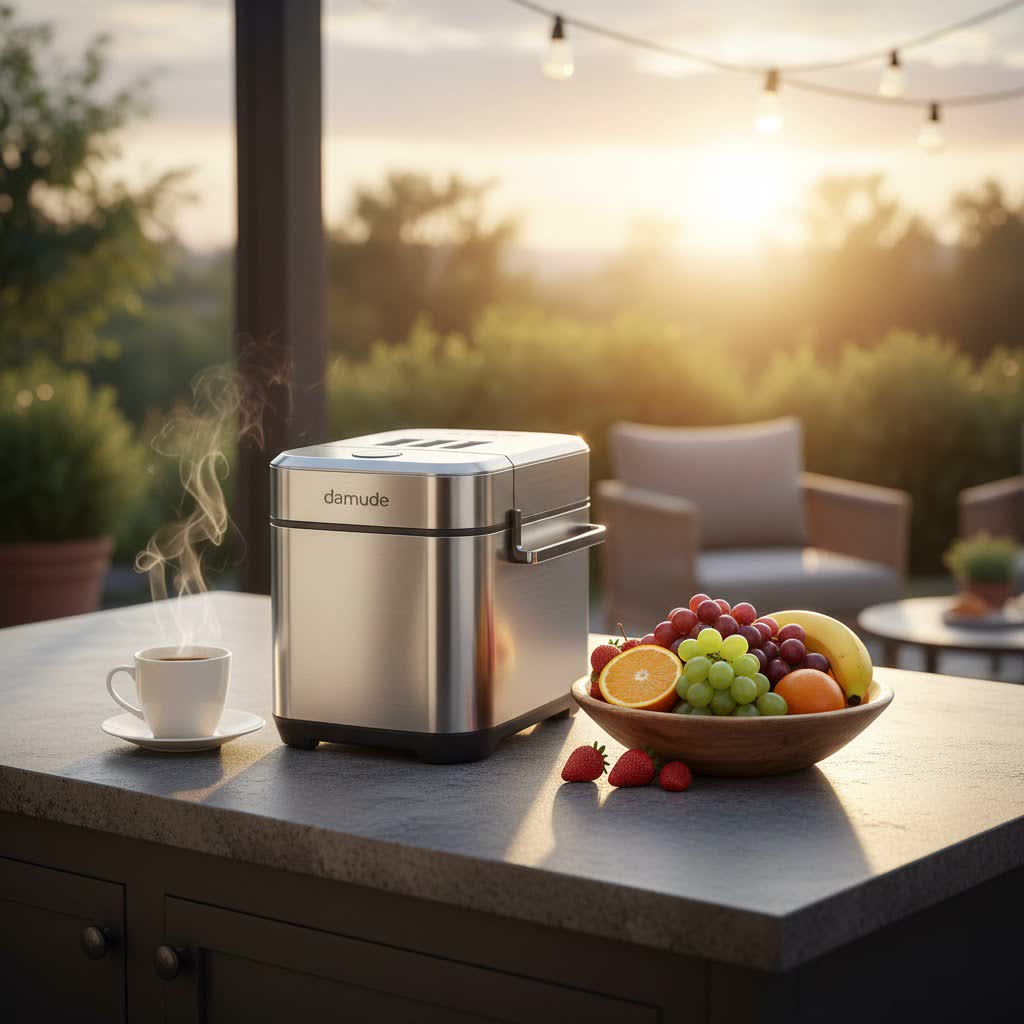
A bread machine is an automated kitchen appliance designed to simplify the bread-making process. It typically combines mixing, kneading, rising, and baking into one convenient cycle, often requiring little more than adding ingredients and pressing a button. This automation is particularly beneficial for low-carb baking, which often involves working with less forgiving doughs.
The history of bread machines showcases a continuous evolution towards greater convenience and versatility. Early models were basic, but today’s machines offer a wide array of programs and features. You’ll find machines that produce vertical, tall loaves, or those with horizontal, rectangular pans that yield more traditional sandwich-sized slices. Some even come with dual kneading paddles for more efficient mixing, crucial for the unique textures of low-carb doughs.
Why Bake Low-Carb Bread in a Bread Machine?
Embracing a bread machine for your low-carb baking offers a multitude of advantages that go beyond mere convenience.
Firstly, the convenience and time-saving aspect is unparalleled. A bread machine handles all the labor-intensive steps—from mixing and kneading sticky low-carb doughs to maintaining optimal temperature for rising and finally baking—all with minimal supervision. This frees up your time, allowing you to focus on other tasks while the machine does the work.
Secondly, a bread machine provides unmatched ingredient control. When you bake at home, you dictate exactly what goes into your loaf, allowing you to perfectly tailor recipes to fit specific dietary needs, whether you’re following a strict keto diet, avoiding gluten, or simply managing your overall carb intake. This level of customization ensures your bread is free from unwanted preservatives, artificial flavors, or hidden sugars often found in store-bought options.
The freshness and quality of homemade bread are simply superior. Imagine waking up to the aroma of a freshly baked loaf, warm and ready for breakfast. Homemade low-carb bread offers a taste and texture that pre-packaged alternatives struggle to match. Furthermore, baking your own bread can be significantly more cost-effective in the long run, especially considering the higher price point of specialty low-carb breads in supermarkets.
Choosing the Right Bread Machine for Low-Carb Baking
Selecting the perfect bread machine is a crucial step toward consistent success with low-carb loaves. Different machines offer varying features that can significantly impact your baking experience.
Assessing Your Baking Needs
|
Our Picks for the Best Bread Maker in 2026
As an Amazon Associate I earn from qualifying purchases.
|
||
| Num | Product | Action |
|---|---|---|
| 1 | Elite Gourmet Programmable Bread Maker, 2 lb Loaf, 3 Sizes, 19 Presets incl. Gluten-Free, Dough & Jam, Delay Timer, Black |

|
| 2 | MERIOR 25-IN-1 Bread Maker with Visible Lid - 2lb Automatic Machine, Auto Nut Dispenser, 13-Hour Delay Timer, One-Touch Control & Recipes – Easy Operation, High Success for Homemade Bread |
|
| 3 | KBS Premium 2LB Convection Bread Maker Dual Heaters, 710W Stainless Steel 17-in-1 Bread Machine Healthy Ceramic Pan, Nut Dispenser,Touch Panel, 3 Loaf Sizes 3 Crust Colors, 15H Timer,Low Noise,Recipes |
|
| 4 | KBS Pro 710W 2LB Bread Maker, Stainless Steel 17-in-1 Smart Bread Machine with Healthy Ceramic Pan, Automatic Nut Dispenser, Tempered Glass Touch Panel, 3 Crust Colors, 15H Timer& Keep-Warm, Recipes |
|
| 5 | Cuisinart Bread Maker Machine, Stainless Steel Convection Bread Machine with 16 Menu Options, 3 Loaf Sizes Up to 2 Lb., 3 Crust Colors, Includes Measuring Cup, Spoon & Kneading Hook, CBK-210 |
|
| 6 | KITCHENARM 29-in-1 SMART Bread Machine with Gluten Free Setting 2LB 1.5LB 1LB Bread Maker Machine with Homemade Cycle - Stainless Steel Breadmaker with Recipes Whole Wheat Bread Making Machine |
|
| 7 | Cuisinart Bread Maker Machine, Stainless Steel Automatic Bread Machine with 12 Menu Options, 3 Loaf Sizes up to 2 Lb., 3 Crust Colors, Removable Nonstick Baking Pan & Kneading Paddle, CBK-110NAS |
|
| 8 | Neretva Bread Maker, 20-IN-1 2LB Bread Machine Dual Heater Bread Maker Machine Automatic with Nonstick Ceramic Pan, 15H Timer & 1H Keep Warm Set, Low Noise, Stainless Steel Breadmaker Recipe-Green |
|
| 9 | 2LB Bread Maker Machine, OSIPOTO 17 in 1 Automatic Stainless Steel Bread Machine, Non-stick, Beginner-Friendly Controls, 15 Hour Timer, Easy to Clean Low Noise, High Success Rate for Homemade Bread |
|
| 10 | Neretva Bread Maker, 20-in-1 2LB Bread Machine Dual Heater & Nonstick Ceramic Pan Bread Makers Machine All Metal Compact for Gluten Free/Dough Maker/Meat Floss/Jam/Yogurt/Breadmaker Recipe-Light Green |
|
Before diving into specifications, consider your personal requirements. What loaf size do you typically need? Machines vary, offering 1.5-pound or 2-pound capacity options. If you’re baking for a single person or a small family, a smaller capacity might suffice, while larger families might prefer a bigger loaf. How frequently do you plan to bake? Occasional bakers might find entry-level models suitable, while daily bakers may benefit from more robust, feature-rich machines that can withstand frequent use. Lastly, establish your budget. Bread machines range widely in price, so knowing your spending limit will help narrow down options.
Key Features to Look For
Several features can make a significant difference in low-carb bread making:
- Specific Programs: While many low-carb recipes work well on a “Basic” or “Whole Wheat” setting, some advanced bread machines now offer dedicated “Low Carb,” “Keto,” or “Gluten-Free” cycles. These specialized programs are often optimized for the different rise and bake times required by low-carb flours.
- Kneading Power: Low-carb doughs, especially those high in vital wheat gluten, can be denser and require more robust kneading. A machine with a powerful motor and efficient kneading action will produce better results.
- Pan Shape & Paddles: For loaves that slice well for sandwiches, a rectangular pan is often preferred over the taller, more square loaves produced by some vertical machines. Dual kneading paddles, like those found in some Zojirushi models, can ensure more thorough and even mixing of ingredients.
- Delay Timer: A delay timer is a fantastic convenience, allowing you to add ingredients hours in advance and program the machine to start baking so a fresh loaf is ready precisely when you want it—for example, waking up to warm bread for breakfast.
- Removable Paddle Feature: Some machines allow you to remove the kneading paddle after the final knead cycle but before baking begins. This prevents the paddle from baking into the bottom of your loaf, avoiding an unsightly hole.
Top Recommended Bread Machine Brands
Based on expert reviews and user experiences, a few brands consistently stand out for their performance, especially in low-carb baking:
- Zojirushi: Models like the Virtuoso Plus and Supreme are highly praised for their ability to produce consistently excellent, traditionally shaped rectangular loaves. They often feature dual paddles and superior proofing capabilities, making them a top choice for serious bakers.
- Panasonic: The Panasonic Hard Crust Bread Maker, for example, is noted for its versatility, offering multiple functions (up to 18) that can be adapted for various low-carb and gluten-free recipes.
- Cuisinart: For those on a tighter budget, the Cuisinart Compact Automatic Bread Maker offers a reliable entry point into bread machine baking, providing good performance for its price point.
Essential Ingredients for Low-Carb Bread
Crafting delicious low-carb bread in your bread machine hinges on understanding and utilizing the right ingredients. These specialized components work together to mimic the structure and texture of traditional bread while keeping carbohydrate counts low.
-
Low-Carb Flours:
- Vital Wheat Gluten: This ingredient is crucial for structure, providing the elasticity and chewiness typically found in wheat bread. It helps low-carb flours rise and hold their shape.
- Oat Fiber: Not to be confused with oat flour, oat fiber is nearly pure insoluble fiber, adding bulk and a fine texture without adding significant carbohydrates.
- Golden Flax Meal: Rich in fiber and healthy fats, flax meal contributes moisture, a slightly nutty flavor, and helps bind ingredients.
- Almond Flour: A popular choice for keto and low-carb baking, almond flour adds richness and a tender crumb, though it’s denser than wheat flour.
- Less common options include soy flour, though many prefer to substitute it with almond or additional flax meal for better flavor and texture.
-
Yeast & Activators:
- Active Dry Yeast or Instant Yeast: Essential for leavening. Yeast needs a food source to activate and produce gases that make bread rise.
- Sugar or Inulin: A tiny amount of sugar (e.g., ½ to 1 tablespoon) is often included in low-carb recipes. Don’t worry about the carbs; the yeast consumes this sugar during fermentation, meaning negligible amounts remain in the final baked loaf. Inulin can also serve this purpose.
-
Binders & Texture Enhancers:
- Psyllium Husk Powder: This ingredient is excellent for improving the texture of low-carb bread, adding elasticity and moisture retention, preventing a crumbly texture.
- Xanthan Gum: A common stabilizer in gluten-free and low-carb baking, xanthan gum helps bind ingredients and gives dough more structure, preventing it from falling apart.
-
Fats: Butter or neutral oils (like vegetable, canola, or a blend of olive-avocado oil) add flavor, richness, and moisture to the bread, contributing to a tender crumb.
-
Sweeteners (optional): Low-carb sweeteners such as Allulose, Xylitol, Erythritol, Stevia, or Monk Fruit are often used in small quantities to provide a subtle sweetness, balancing the flavors of the low-carb flours. Allulose is particularly noted for browning well.
-
Liquids: Warm water and eggs are fundamental. Warm water is necessary to activate the yeast, while eggs provide additional binding, richness, and help with the overall structure and rise of the loaf.
Step-by-Step Guide to Baking Low-Carb Bread
Baking low-carb bread in a bread machine is a straightforward process once you understand the basic steps. Precision with ingredients and settings is key to success.
Preparation
Begin by gathering all your ingredients and ensuring they are at room temperature, especially eggs and butter, as this aids in better mixing and yeast activation. Lightly oil the inside of your bread machine pan and the kneading paddle(s) to prevent sticking and make removal easier.
Ingredient Order
The order in which you add ingredients to your bread machine pan is often critical for proper mixing and yeast activation. While specific recipes may vary, a common sequence is:
- Liquids first: Warm water, beaten eggs, melted butter or oil.
- Dry ingredients next: Low-carb flours (vital wheat gluten, oat fiber, flax meal, almond flour), psyllium husk, xanthan gum, sweeteners, and salt. Often, these are lightly mixed in a separate bowl first before being added to the wet ingredients.
- Yeast last: Create a small well in the center of the dry ingredients and add the yeast there, ensuring it doesn’t directly touch the liquids or salt initially. Some recipes suggest allowing the yeast to foam in the warm water for 5-7 minutes before adding other ingredients.
Setting the Machine
Once all ingredients are in the pan, close the lid and select your program.
- Many low-carb recipes perform well on the “Basic,” “Whole Wheat,” or “Dough” cycle, followed by a separate bake cycle if the “Dough” program is used.
- If your bread machine has a dedicated “Low Carb” or “Gluten-Free” setting, this is often the ideal choice as it’s designed to accommodate the unique properties of these flours.
- Select the appropriate loaf size (e.g., 1.5 lb or 2 lb) and your desired crust color (light, medium, or dark).
Post-Bake Care
Once the baking cycle is complete, carefully remove the bread pan from the machine. Allow the loaf to cool completely in the pan on a wire rack before attempting to slice it. Low-carb breads can be more delicate when warm and may crumble if sliced too soon. Patience here will result in a much better texture.
Storage
Store your homemade low-carb bread in an airtight container at room temperature for a day or two, or in the refrigerator for up to a week. For longer storage, slices can be individually wrapped or placed in a freezer-safe bag and frozen for up to a month. Thaw as needed, or toast directly from frozen.
Popular Low-Carb Bread Machine Recipes
With the right ingredients and settings, your bread machine can whip up a variety of delicious low-carb breads. Here are a couple of popular types and tips for adapting recipes.
Basic Low-Carb Sandwich Bread
This type of bread often relies heavily on vital wheat gluten for its structure, providing a texture remarkably similar to traditional sandwich bread.
Ingredients (example based on common recipes):
- 1 cup warm water (around 90-100°F)
- 1 tsp liquid allulose or a pinch of sugar (for yeast activation)
- 1 TBS active dry yeast
- 2 slightly beaten eggs
- 2 TBS softened butter
- ⅔ cup ground golden flax meal
- ½ cup oat fiber
- 1¼ cup vital wheat gluten
- 4 TBS powdered allulose (or other low-carb sweetener like erythritol/Swerve)
- 1 TBS psyllium husk powder
- 1 tsp pink salt
Instructions:
Add ingredients to your bread machine pan in the following order: warm water, liquid allulose (or sugar), yeast (let it foam for 5-7 minutes). Then add eggs and softened butter. Layer the dry ingredients on top: flax meal, oat fiber, vital wheat gluten, powdered allulose, psyllium husk, and salt. Select the “Basic” or “Whole Wheat” cycle, 1.5-pound loaf, and light crust setting.
Almond Flour & Flaxseed Loaf
For those seeking a more keto-friendly option or reducing reliance on vital wheat gluten, a blend of almond flour and flaxseed can yield a satisfying loaf, though it might be denser.
Ingredients (example):
- 1 cup warm water
- 1.5 tsp bread machine yeast
- 1.5 tbsp sugar or inulin (for yeast activation)
- ¼ cup vegetable oil
- 3 tsp vital wheat gluten (optional, can adjust for a lower gluten content)
- 3 cups Carbalose® Lo-Carb Flour, or a blend of:
- 1.5 cups almond flour
- 1.5 cups golden flaxseed meal
- Salt or desired seasonings
Instructions:
Oil the bread machine pan. Add yeast, sugar, and warm water, allowing yeast to activate for about 12 minutes until foamy. Then add oil, vital wheat gluten (if using), seasonings, and your chosen low-carb flour blend. Set the machine to a “Low Carb” setting if available, or “Basic” mode for a 1.5-pound loaf. When the rise cycle begins, you can gently remove the paddle and recenter the dough to prevent a hole in the bottom of the loaf.
Tips for Recipe Adaptation
- Adjust Liquids Carefully: Low-carb flours absorb liquid differently than wheat flour. You might need to slightly adjust the amount of water or other liquids to achieve the right dough consistency—it should be soft but not overly sticky.
- Don’t Overcrowd: Stick to the recommended loaf size for your machine to ensure proper rising and baking.
- Experiment with Flavors: Don’t hesitate to add herbs, spices, cheese, or seeds to your dough during the mixing cycle for custom flavors.
Troubleshooting Common Low-Carb Bread Issues
Even with the best recipes and machines, low-carb bread can sometimes present unique challenges. Understanding how to troubleshoot these issues will help you achieve consistent success.
- Dense or Gummy Texture: This is a common complaint with low-carb breads. It can be caused by too much liquid, insufficient kneading, inactive yeast, or an incorrect ratio of low-carb flours. To fix this, try slightly reducing the liquid, ensuring your yeast is fresh and active, and making sure your machine has enough power to knead the dough thoroughly. The addition of psyllium husk or vital wheat gluten in appropriate amounts can significantly improve texture.
- Bread Doesn’t Rise: If your loaf remains stubbornly flat, the culprit is often inactive yeast. Check the expiry date of your yeast and ensure the water temperature is ideal (around 90-110°F). Too much salt or certain sweeteners can also inhibit yeast activity. Ensure you’re not missing vital wheat gluten, which is critical for giving low-carb bread structure and lift.
- Hole in the Bottom: This is usually caused by the kneading paddle being left in the pan during baking. Most bread machines have a point in their cycle (often after the final knead and before the main rise) where you can safely open the lid, remove the paddle, and gently reshape the dough before it bakes. Check your machine’s manual for specific timing cues.
- Burnt Crust: If your crust is consistently too dark or burnt, adjust the crust setting on your bread machine to “light” or reduce the overall bake time if your machine allows manual adjustments. Over-sweetening can also contribute to quicker browning, so check your sweetener amounts.
Where to Buy a Low-Carb Bread Machine
Once you’re ready to invest in a bread machine to simplify your low-carb baking, you have several options for purchasing.
Online retailers like Amazon, Wayfair, or the direct websites of manufacturers such as Zojirushi and Panasonic, offer a wide selection, often with detailed product descriptions and customer reviews. Shopping online provides the convenience of home delivery and the ability to compare models easily.
Major appliance stores and home goods retailers (e.g., Williams Sonoma, Sur La Table) are excellent places to see machines in person, speak with sales associates, and sometimes take advantage of in-store promotions.
While less common, some specialty kitchenware shops might carry high-end models or offer unique brands. You might also consider reputable second-hand marketplaces for used options, but always inspect the machine thoroughly for damage or wear, and ensure it comes with all necessary components.
Smart Buying Guide for Your Bread Machine
Making an informed decision about your bread machine purchase can ensure you get a device that perfectly suits your low-carb baking aspirations.
- Budget vs. Features: While high-end models offer advanced features and superior build quality, entry-level machines can still produce excellent results. Balance your budget with the features you deem most important for your baking style.
- Read Reviews: Pay close attention to user reviews, especially those from other low-carb bakers. Their experiences can offer invaluable insights into how a particular model performs with specific flours and recipes.
- Warranty & Support: Check the manufacturer’s warranty and customer support options. A good warranty provides peace of mind, and accessible customer service can be crucial if you encounter any issues.
- Ease of Cleaning: A bread machine with a removable, non-stick bread pan and easily cleanable components will save you time and effort in the long run. Look for pans that are dishwasher-safe if that’s a priority for you.
“A bread machine can demystify low-carb baking, allowing you to consistently produce nourishing loaves with minimal effort. The key is understanding your ingredients and finding the rhythm of your machine.” – Admin, reviewrdous.com, Experienced Bread Machine Technician
Conclusion
Embracing a bread machine is a transformative step for anyone committed to a low-carb lifestyle who misses the comfort and versatility of fresh bread. With its ability to automate the entire baking process, a bread machine offers unparalleled convenience, ingredient control, and the satisfaction of enjoying warm, homemade loaves without the constant vigilance of traditional baking. By choosing the right machine, understanding specialized low-carb ingredients, and applying a few simple techniques, you can overcome common challenges and unlock a world of delicious, healthy bread options. This invaluable appliance not only saves time and effort but also empowers you to bake with confidence, ensuring that your low-carb journey is as flavorful and satisfying as possible. What delicious low-carb creation will you bake first in your new bread machine?
Frequently Asked Questions
What is vital wheat gluten, and is it necessary for low-carb bread?
Vital wheat gluten is the natural protein found in wheat, extracted and dried into a powder. It’s often crucial for low-carb yeast breads because it provides the structure, elasticity, and chewiness that are typically absent in gluten-free low-carb flours like almond or coconut flour, helping the bread rise and hold its shape.
Can I make low-carb bread without a bread machine?
Yes, you can certainly make low-carb bread without a bread machine. Many recipes exist for oven-baked low-carb loaves that involve manual kneading (or no-knead methods), rising in a warm place, and baking in a conventional oven. However, the bread machine significantly simplifies the process by automating these steps.
How do I store homemade low-carb bread?
Homemade low-carb bread should be stored in an airtight container to maintain freshness. It can typically be kept at room temperature for 1-2 days, or in the refrigerator for up to a week. For longer storage, individual slices or the entire loaf can be wrapped well and frozen for up to one month, then thawed or toasted as needed.
Why does my low-carb bread taste different?
Low-carb breads utilize different flours and ingredients compared to traditional wheat-based bread, resulting in a distinct flavor and texture profile. Ingredients like flax meal, almond flour, and oat fiber contribute unique tastes. Over time, your palate will likely adjust, and you’ll come to appreciate the unique characteristics of these healthier alternatives.
