For many, the aroma of freshly baked bread is a timeless comfort. But for those navigating a gluten-free diet, achieving that perfect loaf at home can feel like an elusive dream. As a technician with over a decade of hands-on experience evaluating countless bread makers, I’ve seen how challenging gluten-free baking can be without the right tools. The good news? Modern gluten-free bread makers are a game-changer, designed to tackle the unique demands of gluten-free dough, transforming sticky mixtures into delicious, wholesome loaves. This comprehensive guide will arm you with the knowledge to select and master the best gluten-free bread maker for your kitchen, bringing the joy of homemade bread back to your table.
Gluten-Free Bread Makers: An Overview
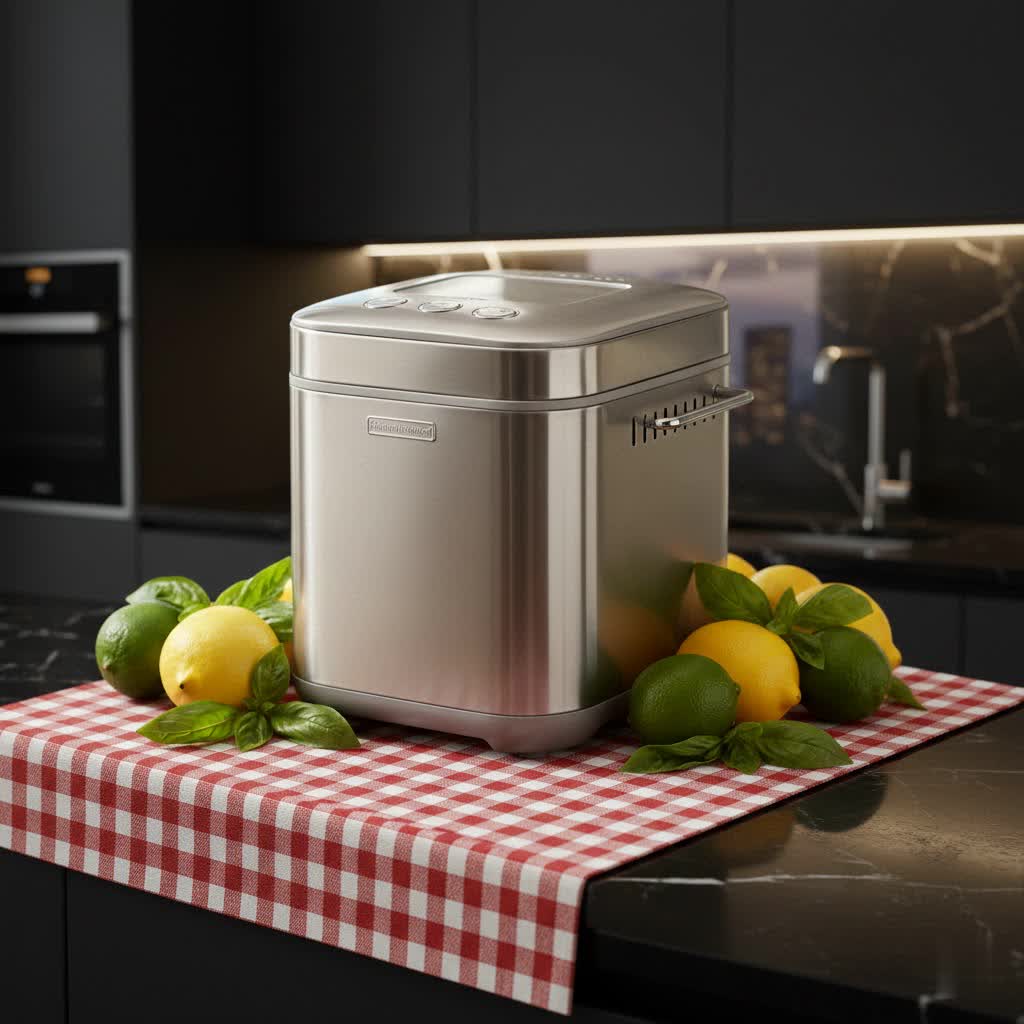
A gluten-free bread maker is a specialized kitchen appliance crafted to simplify the process of baking bread without gluten-containing flours. Unlike traditional bread, gluten-free dough requires specific kneading, rising, and baking cycles due to the absence of gluten, the protein responsible for elasticity and structure. These machines are engineered with unique programs that accommodate the wetter, more batter-like consistency of gluten-free dough, ensuring optimal rise and texture.
The evolution of bread makers has significantly improved the quality and consistency of homemade gluten-free bread. Early models often struggled with the dense or crumbly results common in gluten-free baking. Today, manufacturers have developed advanced features like dedicated gluten-free settings, specialized mixing paddles, and precise temperature controls, making it easier than ever to produce light, airy loaves. Popular types of gluten-free bread makers range from compact models ideal for singles or couples to larger machines suited for families or frequent baking, offering various loaf sizes and customizable options.
Why Choose a Gluten-Free Bread Maker?
Embracing a gluten-free bread maker offers a multitude of benefits, particularly for those managing celiac disease, gluten sensitivity, or simply opting for a gluten-free lifestyle.
Firstly, it provides unparalleled convenience and time-saving. Imagine waking up to the smell of fresh bread without the extensive hands-on kneading and proofing required for traditional baking. These machines automate the entire process, from mixing to baking, freeing up your valuable time.
Secondly, a bread maker allows for easy customization of recipes and ingredients. You have complete control over what goes into your bread, enabling you to use organic flours, adjust sugar and salt content, or add nutritious ingredients like seeds and nuts. This is especially vital for gluten-free diets, where store-bought options can often contain unwanted additives or be prohibitively expensive.
Thirdly, it ensures food safety and prevents cross-contamination. For individuals with severe gluten sensitivities or celiac disease, cross-contamination is a significant concern. Using a dedicated gluten-free bread maker eliminates the risk of gluten exposure from shared utensils or appliances previously used for wheat-based products.
Finally, nothing beats the satisfaction and taste of fresh, delicious gluten-free bread made right at home. The resulting loaves are often superior in flavor and texture to many commercial gluten-free breads, offering a soft crumb and a perfect crust.
How to Select the Right Gluten-Free Bread Maker
Choosing the ideal gluten-free bread maker involves understanding your personal needs and the features that truly make a difference for gluten-free baking.
Determine Your Baking Needs
Before diving into specifications, consider your baking habits.
- Family vs. Individual Use: Are you baking for a large family, needing multiple loaves throughout the week, or just for yourself? This will influence the ideal loaf capacity. Machines typically offer 1-pound, 1.5-pound, 2-pound, or even 2.5-pound loaf options.
- Preferred Bread Types: Do you primarily want basic white or whole-grain gluten-free bread, or do you envision experimenting with sweet breads, pizza dough, or specialty loaves? Some machines excel at specific types more than others.
- Budget: Bread makers vary widely in price. Entry-level models can be affordable, while high-end machines with advanced features naturally come with a higher price tag. Determine a realistic budget, knowing that a quality machine can pay for itself over time by reducing reliance on expensive store-bought gluten-free bread.
|
Our Picks for the Best Bread Maker in 2026
As an Amazon Associate I earn from qualifying purchases.
|
||
| Num | Product | Action |
|---|---|---|
| 1 | Neretva Bread Maker, 20-IN-1 2LB Bread Machine Dual Heater Bread Maker Machine Automatic with Nonstick Ceramic Pan, 15H Timer & 1H Keep Warm Set, Low Noise, Stainless Steel Breadmaker Recipe-Green |

|
| 2 | KBS Pro 710W 2LB Bread Maker, Stainless Steel 17-in-1 Smart Bread Machine with Healthy Ceramic Pan, Automatic Nut Dispenser, Tempered Glass Touch Panel, 3 Crust Colors, 15H Timer& Keep-Warm, Recipes |
|
| 3 | Cuisinart Bread Maker Machine, Stainless Steel Convection Bread Machine with 16 Menu Options, 3 Loaf Sizes Up to 2 Lb., 3 Crust Colors, Includes Measuring Cup, Spoon & Kneading Hook, CBK-210 |
|
| 4 | Cuisinart Bread Maker Machine, Stainless Steel Automatic Bread Machine with 12 Menu Options, 3 Loaf Sizes up to 2 Lb., 3 Crust Colors, Removable Nonstick Baking Pan & Kneading Paddle, CBK-110NAS |
|
| 5 | MERIOR 25-IN-1 Bread Maker with Visible Lid - 2lb Automatic Machine, Auto Nut Dispenser, 13-Hour Delay Timer, One-Touch Control & Recipes – Easy Operation, High Success for Homemade Bread |
|
| 6 | KBS Premium 2LB Convection Bread Maker Dual Heaters, 710W Stainless Steel 17-in-1 Bread Machine Healthy Ceramic Pan, Nut Dispenser,Touch Panel, 3 Loaf Sizes 3 Crust Colors, 15H Timer,Low Noise,Recipes |
|
| 7 | Neretva Bread Maker, 20-in-1 2LB Bread Machine Dual Heater & Nonstick Ceramic Pan Bread Makers Machine All Metal Compact for Gluten Free/Dough Maker/Meat Floss/Jam/Yogurt/Breadmaker Recipe-Light Green |
|
| 8 | Elite Gourmet Programmable Bread Maker, 2 lb Loaf, 3 Sizes, 19 Presets incl. Gluten-Free, Dough & Jam, Delay Timer, Black |
|
| 9 | KITCHENARM 29-in-1 SMART Bread Machine with Gluten Free Setting 2LB 1.5LB 1LB Bread Maker Machine with Homemade Cycle - Stainless Steel Breadmaker with Recipes Whole Wheat Bread Making Machine |
|
| 10 | 2LB Bread Maker Machine, OSIPOTO 17 in 1 Automatic Stainless Steel Bread Machine, Non-stick, Beginner-Friendly Controls, 15 Hour Timer, Easy to Clean Low Noise, High Success Rate for Homemade Bread |
|
Key Features to Look For
Several features are particularly important for successful gluten-free baking:
- Dedicated Gluten-Free Program: This is paramount. Gluten-free dough requires unique kneading times (often shorter) and specific rise and bake cycles to prevent density or gumminess. A dedicated “Gluten-Free” setting adjusts these parameters automatically for optimal results.
- Capacity and Size: Choose a machine that can produce your desired loaf size. Also, consider the physical footprint of the appliance on your counter space. Many prefer horizontal loaf pans, as they produce a more traditional sandwich-shaped loaf and often have dual kneading paddles for better mixing.
- Number of Programs: While a gluten-free setting is key, additional programs for different types of dough, cakes, or jams can add versatility. Customizable programs are also highly beneficial for tweaking recipes.
- Delay Timer and Keep-Warm Function: A delay timer allows you to add ingredients in the evening and wake up to fresh bread. A keep-warm function helps prevent gluten-free bread from collapsing as it cools, maintaining its texture.
- Material and Durability: Look for non-stick loaf pans, as gluten-free dough can be particularly sticky. Ceramic-coated pans are a popular choice. Stainless steel exteriors offer durability and a sleek aesthetic.
- Dual Kneading Paddles: Machines with two paddles generally offer more thorough mixing, which is crucial for the often-thicker gluten-free batters, leading to a better-developed structure and a lighter loaf.
- Fruit and Nut Dispenser: For those who enjoy adding inclusions, an automatic dispenser releases ingredients at the optimal time, ensuring even distribution without having to manually intervene.
- Ease of Cleaning and Maintenance: Removable, non-stick pans simplify cleanup, a welcome relief after any baking session.
Reputable Gluten-Free Bread Maker Brands
Several brands have earned a strong reputation for producing excellent gluten-free bread makers:
- Zojirushi: Often considered the “gold standard” for bread makers, especially for gluten-free. Models like the Virtuoso Plus are highly praised for their dual kneading paddles, dedicated gluten-free settings, and consistent results, yielding well-shaped, fluffy loaves.
- Panasonic: Known for precision and advanced features, Panasonic bread makers often include specific gluten-free menus and yeast dispensers, contributing to reliable outcomes.
- Cuisinart: Offers convection bread makers that circulate air during baking, which can create a nice crust while keeping the interior soft – a feature many gluten-free bakers appreciate.
- Breville: Their Custom Loaf models provide significant customization, including various loaf sizes and a collapsible kneading blade that folds down after kneading, reducing the hole at the bottom of the finished loaf.
- Hamilton Beach: A more budget-friendly option that still offers dedicated gluten-free settings, making it accessible for those new to gluten-free bread making.
- KBS Pro: Recognized for its full stainless steel construction, which is a plus for those avoiding non-stick coatings, and dual heaters for even baking.
- T-fal: Can offer good performance at a more affordable price point compared to high-end models.
Each brand has its strengths, but for gluten-free baking, machines with robust motors, effective kneading mechanisms (preferably dual paddles), and precisely tuned gluten-free cycles tend to perform best.
Comparison Table: Popular Gluten-Free Bread Maker Models
| Model | Key Features for GF Baking | Loaf Sizes | Special Note | Price Range |
|---|---|---|---|---|
| Zojirushi Virtuoso Plus | Dual kneading blades, dedicated GF settings, horizontal pan | 2 lbs | Excellent consistency, traditional loaf shape. Gold standard. | High |
| Panasonic SD-YR2500 | Dedicated GF programs, yeast/ingredient dispensers | 1.5, 2, 2.5 lbs | Reliable performance, tall and slim design. | Mid-High |
| Breville BBM800XL | Collapsible paddle, fruit/nut dispenser, customizable | 1, 1.5, 2, 2.5 lbs | High customization, power backup. | High |
| Cuisinart CBK-210 | Convection feature, dedicated GF setting | 1, 1.5, 2 lbs | Good for crust development, sometimes reported large paddle hole. | Mid |
| Hamilton Beach 29882 | Dedicated GF setting, budget-friendly | 1.5, 2 lbs | Good value, a solid entry-level choice. | Low |
| KBS Pro Stainless Steel | Full stainless steel interior, dual heaters, GF programs | 1.5, 2, 2.5 lbs | Ideal for those avoiding non-stick coatings, even baking. | Mid |
Note: Prices are approximate and can vary based on retailer and promotions.
The Zojirushi Virtuoso Plus consistently receives top marks for its ability to produce fluffy, evenly baked gluten-free loaves. However, the Panasonic and Breville models also stand out for their advanced features and customization capabilities, while the Hamilton Beach and KBS Pro offer excellent value for specific needs.
Detailed Guide to Using Your Gluten-Free Bread Maker
Mastering your gluten-free bread maker is simpler than you might think, but there are a few key steps to ensure success.
Preparatory Steps for Gluten-Free Baking
- Read Your Manual: Each machine is unique. Familiarize yourself with its specific gluten-free settings and recommendations.
- Room Temperature Ingredients: Ensure all ingredients, especially liquids and eggs, are at room temperature. This helps yeast activate properly and ingredients combine smoothly.
- Clean Pan and Paddle: Always start with a clean, non-stick pan and ensure the kneading paddle is securely in place.
Choosing and Measuring Ingredients
Gluten-free baking is often more precise than traditional baking. Exact measurements are crucial.
- Gluten-Free Flour Blend: Use a high-quality, pre-mixed gluten-free bread flour blend that typically includes xanthan gum or guar gum. If your blend doesn’t contain gum, you’ll need to add it separately (e.g., 1 teaspoon per cup of flour).
- Yeast: Instant or rapid-rise yeast is usually recommended.
- Liquids: Gluten-free doughs require a higher liquid content to achieve the right consistency. Measure carefully. Milk, water, or non-dairy alternatives work well.
- Fats: Butter or oil adds moisture and tenderness.
- Sweeteners: A small amount of sugar or honey feeds the yeast and contributes to browning.
- Acids: Ingredients like apple cider vinegar or lemon juice can help gluten-free bread rise better and improve texture.
Loading Ingredients: The Golden Rule
For most bread makers, the standard method for gluten-free bread is to add liquids first, followed by dry ingredients, with the yeast placed last in a small well on top of the flour, away from direct contact with salt and liquid. This prevents premature activation of the yeast.
Setting the Program and Delay Timer
Select your machine’s dedicated “Gluten-Free” setting. If your machine lacks this, some experts recommend a “Rapid Basic” program or a custom setting with a single knead, a longer rise (around 1 hour), and a 1-hour bake time, avoiding a second punch-down which can deflate gluten-free dough. Choose your desired crust color (light, medium, or dark). If using a delay timer, ensure all perishable ingredients are safe for extended periods before baking begins.
Tips for Perfect Gluten-Free Loaves
- Avoid Over-Kneading: Gluten-free dough doesn’t develop gluten, so extensive kneading is unnecessary and can sometimes be detrimental.
- Monitor Dough Consistency: If your machine allows, check the dough after the initial mixing. Gluten-free dough should be like a thick batter, not a traditional elastic dough. If it seems too dry, add a tablespoon of liquid; if too wet, a tablespoon of flour.
- Remove Promptly: Once baking is complete, remove the loaf pan from the machine immediately to prevent condensation, which can lead to a soggy crust.
- Cool Completely: Allow the bread to cool completely on a wire rack before slicing. This is crucial for gluten-free bread, as it continues to set and firm up as it cools, preventing a gummy texture. Wrapping the hot bread in a clean tea towel immediately after removing it from the pan can help achieve a softer crust.
- Storage: Gluten-free bread tends to dry out faster than wheat bread. Store it in an airtight container or bag. For longer storage, slice and freeze, then toast individual slices as needed.
Delicious Gluten-Free Bread Recipes for Your Bread Maker
Your gluten-free bread maker opens up a world of possibilities for delicious homemade bread. Here are some fundamental recipes to get you started:
Basic Gluten-Free White Bread
- Ingredients: 1 cup warm milk (dairy or non-dairy), 2 large eggs (room temperature), 3 tbsp melted butter or oil, 1 tbsp apple cider vinegar, 2 ½ cups gluten-free bread flour blend (with xanthan gum), ¼ cup sugar, 1 tsp salt, 2 tsp active dry yeast.
- Method: Add wet ingredients to the bread pan, then dry ingredients (flour, sugar, salt), and finally create a well for the yeast on top. Select the “Gluten-Free” setting and medium crust.
- Tip: An extra egg or a touch more flour (about 3 tablespoons) can sometimes help with a better rise and shape.
Gluten-Free Whole Grain Bread
- Ingredients: 1 ½ cups warm water, ¼ cup olive oil, 2 tbsp honey or molasses, 1 tsp apple cider vinegar, 3 cups gluten-free whole grain bread flour blend (e.g., brown rice, oat, buckwheat with xanthan gum), ½ cup gluten-free rolled oats, 1 tsp salt, 2 ¼ tsp active dry yeast.
- Method: Follow the layering method as for white bread. Use the “Gluten-Free” or “Whole Wheat Gluten-Free” setting.
Sweet Gluten-Free Breads
- Gluten-Free Cinnamon Swirl Bread: Add 1/2 cup sugar, 1 tsp cinnamon, and 1/2 cup raisins or dried cranberries (added via dispenser if available) to your basic white bread recipe.
- Gluten-Free Banana Bread: Many bread makers have a “Cake” setting that can be adapted for dense sweet breads. You’ll need ripe bananas, eggs, oil, sugar, and a GF flour blend, plus baking soda/powder.
Other Specialty GF Breads
With a bit of experimentation, you can adapt recipes for gluten-free sandwich bread, rolls, or even pizza dough using your machine’s dough cycle. Always ensure your chosen flour blend is suitable for yeast-based recipes.
Troubleshooting Common Gluten-Free Bread Maker Issues
Even with the best machines, gluten-free baking can present unique challenges. Here’s how to address them:
- Bread Not Rising Enough (Dense Loaf):
- Causes: Inactive yeast, too little liquid, incorrect flour blend (lacking enough binder like xanthan gum), wrong program setting (e.g., a second punch-down on a GF loaf).
- Solutions: Ensure yeast is fresh. Increase liquid slightly (1-2 tablespoons). Use a GF flour blend designed for bread machines or add extra xanthan gum. Confirm you’re using a dedicated GF setting or a custom cycle that avoids a second punch-down. Adding cream of tartar or a bit of extra baking powder can also aid rise.
- Bread Is Gummy or Sticky:
- Causes: Too much liquid, underbaked, not cooled sufficiently before slicing.
- Solutions: Reduce liquid slightly in the next batch. Ensure the bread is fully baked (internal temperature around 205-210°F/96-99°C). Always let it cool completely on a wire rack, ideally for several hours. If your Cuisinart bread is consistently underdone, one expert suggests preheating your oven to 350°F and placing the bread pan in the oven for an additional 10 minutes after the bread maker cycle finishes.
- Bread is Dry or Crumbly:
- Causes: Too little liquid, too much flour, overbaked.
- Solutions: Increase liquid slightly or reduce flour. Consider adding an extra egg or a bit more oil/butter to the recipe.
- Crust is Too Hard/Chewy:
- Causes: Too dark a crust setting, cooling incorrectly.
- Solutions: Select a lighter crust setting. Wrap the hot loaf in a clean tea towel as soon as it’s removed from the pan to soften the crust as it cools.
- Machine Not Activating/Working:
- Causes: Power issue, pan not seated correctly, programming error.
- Solutions: Check power connection. Ensure the loaf pan is locked securely in place. Re-enter the program settings.
Where to Buy a Gluten-Free Bread Maker?
Finding your ideal gluten-free bread maker is easier than ever with a variety of purchasing options:
- Major Electronics and Home Appliance Stores: Retailers like Best Buy, Target, and Walmart often carry a selection of popular bread maker brands. This allows you to see models in person and compare sizes.
- Online Retailers: Amazon, specialty kitchenware websites (e.g., Williams Sonoma, Sur La Table), and manufacturer websites offer the widest selection, often with competitive pricing and detailed customer reviews. This is an excellent way to research specific models like the Zojirushi Virtuoso Plus or Panasonic SD-YR2500.
- Specialty Health Food Stores: Some stores focusing on health and dietary needs might stock specific gluten-free friendly models or be able to order them.
Gluten-Free Bread Maker Buying Guide
Navigating the market for a gluten-free bread maker can feel overwhelming, but focusing on key considerations will guide you to the perfect choice.
Factors to Consider When Buying a Gluten-Free Bread Maker:
- Dedicated Gluten-Free Setting: As mentioned, this is non-negotiable for consistent success. It ensures the machine’s cycles are optimized for the unique properties of gluten-free dough.
- Kneading Paddle Design: Look for robust paddles, ideally dual, that can effectively mix thick, sticky gluten-free batters without leaving large holes in the finished loaf. Some advanced models feature collapsible paddles.
- Loaf Shape and Size: Decide if you prefer a traditional horizontal loaf (often produced by dual-paddle machines) or a taller, vertical one. Match the capacity to your household’s needs.
- Customizable Programs: The ability to adjust mixing, rising, and baking times gives you flexibility for experimenting with different gluten-free flour blends and recipes.
- Automatic Dispensers: For adding fruits, nuts, or even yeast at optimal times, these can enhance convenience and recipe success.
- Ease of Cleaning: Non-stick, removable pans are essential. Consider the overall design for ease of wiping down after use.
- Brand Reputation & Reviews: Opt for brands known for reliability and good customer support. Always read user reviews, paying close attention to comments specifically about gluten-free baking performance.
Budget Expectations:
Entry-level models with basic gluten-free settings can range from $70-$150. Mid-range options with more features and better build quality typically fall between $150-$250. High-end machines like the Zojirushi or Breville, offering premium performance and advanced customization, can cost $250-$400+. While an investment, a higher-quality machine often translates to more consistent and satisfying gluten-free baking results.
Comparison of Price and Quality:
Generally, higher-priced models offer superior motor power, more precise temperature control, better-designed kneading mechanisms, and more robust gluten-free programs. These factors directly impact the quality and consistency of your gluten-free bread. However, some mid-range options can provide excellent value, especially if you prioritize a dedicated gluten-free setting over extensive customization.
Reading User Reviews:
Prioritize reviews from other gluten-free bakers. They will offer specific insights into how well a machine handles gluten-free doughs, the texture of the resulting bread, and any unique quirks. Look for comments on loaf consistency, crust quality, and ease of use with gluten-free recipes.
Warranty and Return Policy:
Always check the manufacturer’s warranty and the retailer’s return policy. This provides peace of mind, especially for a significant kitchen appliance purchase.
“Having tested countless machines, I’ve found that the difference between a mediocre and an outstanding gluten-free loaf often comes down to the machine’s ability to gently yet thoroughly mix the dough and provide a precise, single rise cycle. Don’t underestimate the power of a dedicated gluten-free program.” – Admin, Reviewrdous.com
Conclusion
The journey to baking delicious gluten-free bread at home is significantly eased by the right gluten-free bread maker. These specialized appliances demystify a often-challenging process, offering convenience, control over ingredients, and the unparalleled joy of fresh, wholesome bread. By understanding your specific needs, focusing on key features like dedicated gluten-free programs and robust kneading, and heeding expert advice, you can confidently choose a machine that will consistently deliver perfectly textured loaves.
Investing in a quality gluten-free bread maker isn’t just about buying an appliance; it’s about reclaiming the simple pleasure of homemade bread, tailor-made for your dietary needs. Are you ready to transform your gluten-free baking experience and fill your home with the irresistible aroma of freshly baked goodness?
Frequently Asked Questions
Can I use any bread maker for gluten-free bread?
While some basic bread makers might work, for consistently good results, it’s highly recommended to use a machine with a dedicated “Gluten-Free” setting. These settings are specifically programmed to handle the unique mixing, rising, and baking requirements of gluten-free dough, which differs significantly from wheat-based dough.
What’s the main difference between gluten-free and regular bread maker settings?
The primary difference lies in the kneading and rising cycles. Gluten-free settings typically feature a single, often shorter, kneading cycle and a single, longer rise cycle, critically avoiding a second “punch-down” which can cause gluten-free dough to collapse and become dense.
How do I prevent my gluten-free bread from being too dense or crumbly?
Ensure you are using a high-quality gluten-free bread flour blend that includes a binder like xanthan gum. Precisely measure liquids and ingredients, as gluten-free baking is less forgiving. Also, make sure your machine has a proper gluten-free cycle that prevents over-kneading or an unnecessary second rise/punch-down.
Do I need to add xanthan gum if my gluten-free flour blend already has it?
Generally, no. Most good quality gluten-free bread flour blends already contain the appropriate amount of xanthan gum. Adding more might lead to a gummy or excessively chewy texture. Always check your flour blend’s ingredient list before adding extra.
How long does homemade gluten-free bread last?
Gluten-free bread tends to dry out faster than traditional bread. It’s best eaten within 1-2 days of baking. For longer storage, slice the cooled bread and freeze it. You can then toast individual slices directly from the freezer, which often helps maintain freshness and texture.
