The comforting aroma of freshly baked bread is unparalleled, and for many, sourdough holds a special allure with its distinctive tangy flavor and chewy texture. While traditionally a labor-intensive process, modern bread makers offer a convenient gateway to crafting artisan-quality sourdough at home. With the right machine and a few key techniques, you can transform your kitchen into a personal bakery, enjoying homemade sourdough with minimal effort.
Bread Makers: An Overview
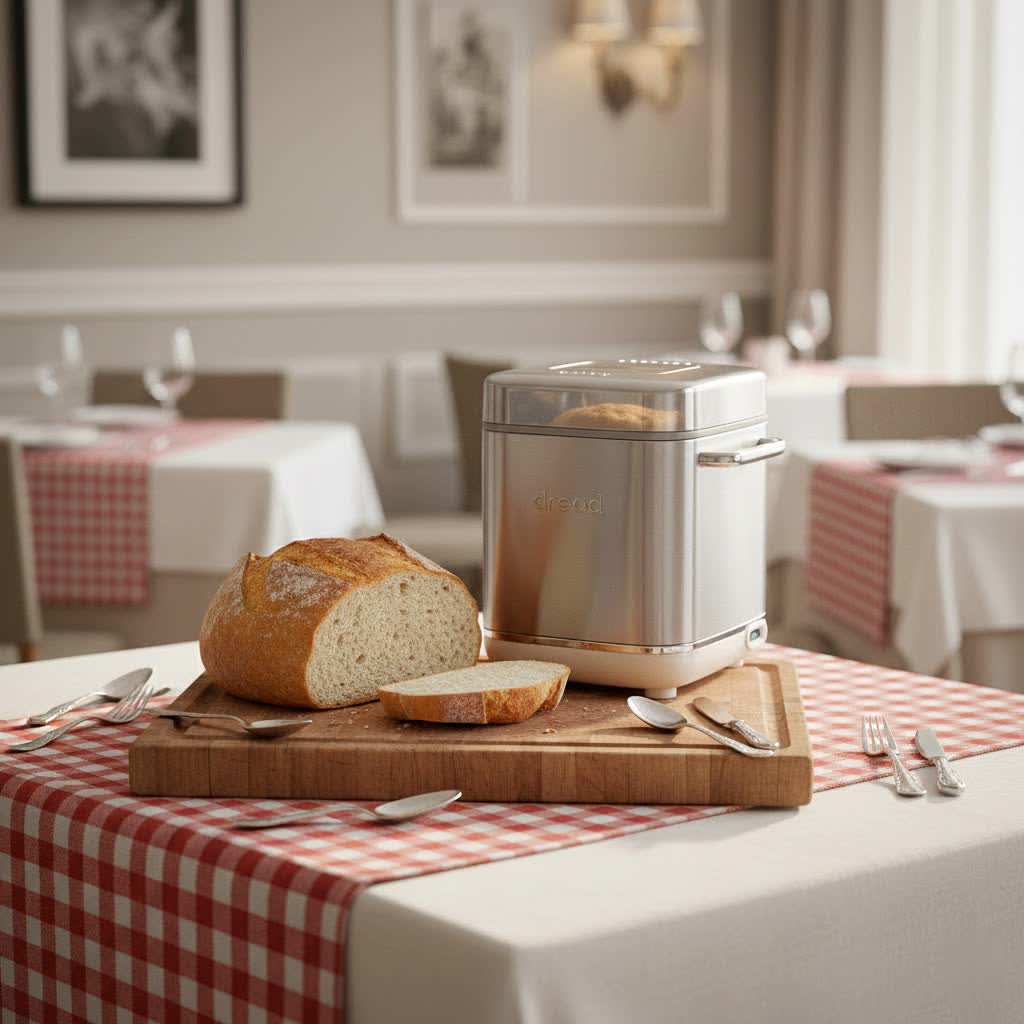
A bread maker, often interchangeably called a bread machine, is an automated kitchen appliance designed to simplify the bread-making process. These ingenious devices handle everything from mixing and kneading the dough to allowing it to rise and finally baking it into a perfect loaf. Historically, bread makers first gained popularity in the 1980s, evolving significantly since then to include advanced features and specialized programs.
Today’s market offers a variety of bread maker types, ranging from compact models ideal for small kitchens to larger, more sophisticated machines capable of baking substantial loaves. They typically feature a removable bread pan with a kneading paddle (or two), a heating element, and a control panel with various pre-programmed settings for different bread types, doughs, and even jams or cakes. The design can be either vertical, producing taller, more cubic loaves, or horizontal, yielding a more traditional, elongated loaf.
Why Use a Bread Maker?
Embracing a bread maker for your sourdough journey offers numerous advantages, particularly for busy individuals or those new to baking:
- Convenience and Time-Saving: A bread maker automates the most labor-intensive steps—mixing and kneading. You simply add ingredients, select a program, and let the machine do the work. This hands-off approach drastically cuts down on active preparation time, making it feasible to enjoy fresh bread even on hectic days.
- Easy Customization: While pre-set programs are convenient, many bread makers allow for customization. This means you can easily experiment with different flours, add-ins, and adjust proofing or baking times to fine-tune your sourdough recipes to perfection. You control the ingredients, avoiding preservatives and artificial additives found in store-bought options.
- Ensured Food Safety: Making bread at home gives you complete control over the ingredients, ensuring you know exactly what goes into your loaf. This is especially beneficial for individuals with dietary restrictions or allergies, as you can select organic, gluten-free, or specific whole-grain flours with confidence.
- Fresh, Delicious Bread at Home: There’s nothing quite like the taste and aroma of warm, freshly baked bread. A bread maker allows you to achieve this regularly, filling your home with an inviting scent and providing delicious, fresh sourdough loaves that often surpass store-bought alternatives in flavor and texture.
How to Choose the Right Bread Maker for Sourdough
Selecting the ideal bread maker for sourdough baking requires careful consideration of your personal needs and the specific demands of sourdough.
Determine Your Needs
Before diving into features, reflect on your baking habits:
- Family or Business? For family use, a standard 1.5- to 2-pound capacity machine is usually sufficient. If you bake frequently for a large household or small-scale selling, a larger capacity or a machine known for durability might be better.
- Preferred Sourdough Types: Do you mostly enjoy classic white sourdough, or do you want to venture into whole wheat, rye, or enriched sourdoughs? Some machines handle different flours better than others, particularly with their kneading efficiency.
- Budget: Bread makers vary widely in price. Determine how much you’re willing to invest, keeping in mind that higher-priced models often offer more advanced customization and dedicated sourdough features.
|
Our Picks for the Best Bread Maker in 2026
As an Amazon Associate I earn from qualifying purchases.
|
||
| Num | Product | Action |
|---|---|---|
| 1 | KBS Pro 710W 2LB Bread Maker, Stainless Steel 17-in-1 Smart Bread Machine with Healthy Ceramic Pan, Automatic Nut Dispenser, Tempered Glass Touch Panel, 3 Crust Colors, 15H Timer& Keep-Warm, Recipes |

|
| 2 | KBS Premium 2LB Convection Bread Maker Dual Heaters, 710W Stainless Steel 17-in-1 Bread Machine Healthy Ceramic Pan, Nut Dispenser,Touch Panel, 3 Loaf Sizes 3 Crust Colors, 15H Timer,Low Noise,Recipes |
|
| 3 | Elite Gourmet Programmable Bread Maker, 2 lb Loaf, 3 Sizes, 19 Presets incl. Gluten-Free, Dough & Jam, Delay Timer, Black |
|
| 4 | Neretva Bread Maker, 20-in-1 2LB Bread Machine Dual Heater & Nonstick Ceramic Pan Bread Makers Machine All Metal Compact for Gluten Free/Dough Maker/Meat Floss/Jam/Yogurt/Breadmaker Recipe-Light Green |
|
| 5 | Cuisinart Bread Maker Machine, Stainless Steel Convection Bread Machine with 16 Menu Options, 3 Loaf Sizes Up to 2 Lb., 3 Crust Colors, Includes Measuring Cup, Spoon & Kneading Hook, CBK-210 |
|
| 6 | Cuisinart Bread Maker Machine, Stainless Steel Automatic Bread Machine with 12 Menu Options, 3 Loaf Sizes up to 2 Lb., 3 Crust Colors, Removable Nonstick Baking Pan & Kneading Paddle, CBK-110NAS |
|
| 7 | KITCHENARM 29-in-1 SMART Bread Machine with Gluten Free Setting 2LB 1.5LB 1LB Bread Maker Machine with Homemade Cycle - Stainless Steel Breadmaker with Recipes Whole Wheat Bread Making Machine |
|
| 8 | 2LB Bread Maker Machine, OSIPOTO 17 in 1 Automatic Stainless Steel Bread Machine, Non-stick, Beginner-Friendly Controls, 15 Hour Timer, Easy to Clean Low Noise, High Success Rate for Homemade Bread |
|
| 9 | Neretva Bread Maker, 20-IN-1 2LB Bread Machine Dual Heater Bread Maker Machine Automatic with Nonstick Ceramic Pan, 15H Timer & 1H Keep Warm Set, Low Noise, Stainless Steel Breadmaker Recipe-Green |
|
| 10 | MERIOR 25-IN-1 Bread Maker with Visible Lid - 2lb Automatic Machine, Auto Nut Dispenser, 13-Hour Delay Timer, One-Touch Control & Recipes – Easy Operation, High Success for Homemade Bread |
|
Key Features to Consider for Sourdough
Sourdough baking presents unique challenges that certain bread maker features can help address:
- Capacity and Size: Consider your typical loaf size. Machines range from 1-pound mini loaves to 2.5-pound family-sized options. Also, factor in kitchen counter space, as horizontal machines provide traditional loaf shapes but demand more room.
- Number of Programs & Sourdough Cycle: Look for machines with a dedicated “sourdough” program or, at minimum, a highly customizable “dough” cycle. Sourdough requires longer fermentation and proofing times than yeast breads. A machine allowing manual adjustments to knead and rise stages is highly beneficial. Some advanced models, like the Zojirushi Virtuoso Plus, even offer specific functions for developing sourdough starter.
- Delay Timer and Keep-Warm Function: A delay timer is invaluable for sourdough, allowing you to prepare ingredients the night before and wake up to a freshly mixed dough or baked loaf. A keep-warm function can be useful for maintaining optimal temperature after baking, though prolonged use can sometimes lead to condensation.
- Material and Durability: Opt for machines with sturdy construction and a reliable kneading mechanism. Dual kneading paddles, like those found in some Zojirushi models, can provide more even dough development, which is crucial for sourdough’s complex gluten structure. Non-stick bread pans are standard, but check reviews for long-term durability.
- Ease of Cleaning and Maintenance: Removable, dishwasher-safe parts simplify cleanup. Ensure the kneading paddles are easy to remove and the interior is accessible for wiping down any flour residue.
Reputable Bread Maker Brands for Sourdough
Several brands consistently receive high marks for their bread makers, with some models excelling at sourdough:
- Zojirushi: The Zojirushi Home Bakery Virtuoso Plus is a premium choice, highly praised for its consistent 2-pound loaves and excellent sourdough results. It features a horizontal design, dual kneading paddles for superior gluten development, and extensive customization options, including a sourdough starter function. While expensive and bulky, its performance for sourdough is often considered top-tier.
- Breville: The Breville Custom Loaf Bread Maker offers exceptional versatility and customization. It allows for detailed adjustments to knead times, multiple rise times, and temperature control, making it well-suited for adapting sourdough recipes. It also includes an automatic mix-ins dispenser for added convenience.
- Panasonic: Panasonic models, such as the SD-YR2550, are known for their quality and a range of settings, including specific dough programs that can be adapted for sourdough. Some Panasonic models feature yeast and ingredient dispensers for precise timing.
- Hamilton Beach: For a more budget-friendly option, the Hamilton Beach Bread Maker Machine has shown impressive results for sourdough in testing, yielding a light, chewy interior and a crisp crust.
- Cuisinart: While generally reliable for various breads, the Cuisinart Compact Automatic Bread Maker has, in some tests, performed less optimally with sourdough, occasionally producing loaves with gummy interiors or uneven browning.
“The Zojirushi Home Bakery Virtuoso Plus stands out for its dedicated sourdough starter function, allowing bakers to program the first rise for up to 12 hours, which helps develop complex sourdough flavors.” – Expert Reviewers, Food & Wine
Comparison Table of Popular Bread Makers for Sourdough
| Feature | Zojirushi Virtuoso Plus | Breville Custom Loaf | Hamilton Beach Bread Maker | Cuisinart Compact Automatic |
|---|---|---|---|---|
| Loaf Sizes | 2 lbs | 1, 1.5, 2, 2.5 lbs | 1, 1.5, 2 lbs | 1, 1.5, 2 lbs |
| Kneading Paddles | Dual | Single (collapsible) | Single | Single |
| Sourdough Performance | Excellent: even crumb, rich flavor, good crust, dedicated starter function | Good: customizable for sourdough, but crust browning can be uneven | Good: light, chewy interior, crisp crust for value | Fair: can result in gummy interior, uneven browning |
| Customization | High (programmable cycles, starter function) | Very High (adjustable knead/rise/temp, mix-in dispenser) | Moderate (14 settings, straightforward) | Moderate (12 programs, delay timer) |
| Design | Horizontal (larger footprint) | Vertical or Horizontal | Vertical | Vertical |
| Power | 700 watts | 830 watts | 550 watts | 550 watts |
| Price Range (approx.) | $400 – $450 | $350 – $400 | $100 – $120 | $130 – $150 |
Note: Prices are approximate and subject to change.
Detailed Guide to Using Your Bread Maker for Sourdough
Making sourdough in a bread maker typically involves using the “dough” cycle for the initial mixing and kneading, followed by a longer fermentation process, and then either baking in the machine or transferring to an oven for a crispier crust.
Steps to Prepare Your Sourdough
- Gather Ingredients: You’ll need an active sourdough starter, bread flour (high protein is best for gluten development), water (preferably non-chlorinated), and salt. Some recipes may include a touch of sugar or oil.
- Activate Your Starter: Ensure your sourdough starter is active and bubbly before you begin. Feed it several hours before you plan to mix your dough.
- Add Ingredients to the Pan: Follow your specific bread maker’s instructions regarding the order of ingredients. Generally, wet ingredients (water, active sourdough starter, melted butter/oil if used) go in first, followed by dry ingredients (bread flour, sugar if used, and finally salt). Keeping the salt separate from the starter initially is often recommended.
- Select the Dough Cycle: Place the bread pan into your machine and select the “dough” program. This cycle typically handles the initial mixing and kneading, and sometimes a short first rise. For most machines, this will take about 1.5 to 2.5 hours.
- Long Fermentation (First Rise): Once the dough cycle finishes, the dough will have been thoroughly kneaded. Unlike commercial yeast doughs, sourdough requires a much longer fermentation period. You can leave the dough in the bread maker (turned off) for several hours (e.g., 4-6 hours, or even longer for a more sour flavor), or until it has nearly doubled in size. If your machine has a “rise” or “proofing” setting, you can use this for a controlled warm environment.
- Shape (Optional, for oven baking): If you desire a traditional artisan-shaped loaf with a very crispy crust, gently remove the risen dough from the bread maker, place it on a lightly floured surface, and shape it into a smooth ball.
- Second Rise (Optional, for oven baking): Place the shaped dough into a floured banneton or a parchment-lined Dutch oven, cover, and allow it to perform a second rise. This can be at room temperature for a couple of hours or cold-fermented in the refrigerator overnight for enhanced flavor and easier handling.
- Baking:
- In the Bread Maker: If baking directly in the machine, after the long first rise (and optionally removing the kneading paddle), select a “bake” cycle (e.g., “Basic” or “Whole Wheat” setting, adjusted for time). Some machines even have a specific “sourdough” or “artisan” bake setting. A dark crust option is often preferred for sourdough. Baking usually takes around 1 hour.
- In the Oven (using a Dutch oven): Preheat your oven to 450°F (230°C). If using a Dutch oven, place the covered Dutch oven into the preheated oven and bake for 25 minutes. Then, remove the lid and continue baking for another 20-25 minutes until the crust is golden brown and develops a desirable “ear” if scored.
- Cooling: Allow the bread to cool completely on a wire rack before slicing. This is crucial for texture and flavor development.
Delicious Sourdough Bread Maker Recipes
Here are a few ideas for sourdough recipes you can adapt for your bread machine:
Basic Sourdough Bread Machine Loaf
This simple recipe focuses on using the bread machine for the entire process, yielding a soft yet tangy sandwich loaf.
Ingredients:
- 1 cup (240ml) warm water
- ½ cup (120g) active sourdough starter
- 1 tbsp sugar (optional, for a slightly sweeter crumb and to boost starter)
- 1 tsp salt
- 3 cups (360g) bread flour
Instructions:
- Add warm water, sourdough starter, and sugar (if using) to the bread pan.
- Carefully add the bread flour on top, followed by the salt, keeping the salt away from the liquid for as long as possible.
- Select the “Dough” cycle on your bread machine and press start.
- Once the “Dough” cycle completes, remove the kneading paddle if desired (this helps prevent a large hole in the bottom of the loaf). Leave the dough in the machine, turned off, for an additional 4-6 hours for a slow, natural rise. The dough should nearly double in volume.
- After the extended rise, select the “Bake” program (or “Basic” / “Whole Wheat” with a dark crust setting) and bake for approximately 60-75 minutes, or until golden brown.
- Remove the loaf and cool completely on a wire rack before slicing.
Whole Wheat Sourdough (Dough Cycle & Oven Bake)
For a heartier loaf with a robust flavor, use the bread machine for dough preparation and then bake in the oven.
Ingredients:
- ¾ cup (180ml) warm water
- ½ cup (120g) active whole wheat sourdough starter
- 2 cups (240g) whole wheat bread flour
- 1 cup (120g) bread flour
- 1.5 tsp salt
Instructions:
- Add water and sourdough starter to the bread pan.
- Add whole wheat flour, bread flour, and salt.
- Run the “Dough” cycle.
- After the cycle, leave the dough in the machine (turned off) for a slow rise of 6-8 hours, or until significantly risen.
- Gently remove the dough, shape it into a round or oval, and place it in a floured banneton or a parchment-lined Dutch oven.
- Allow a final proof for 2-4 hours at room temperature, or cold proof in the fridge overnight.
- Preheat oven to 450°F (230°C) with the Dutch oven inside.
- Score the dough, then bake in the covered Dutch oven for 25 minutes.
- Remove lid, reduce temperature to 400°F (200°C), and bake for another 20-25 minutes until deeply golden.
- Cool completely before slicing.
Sweet Sourdough (Using Dough Cycle)
You can use your bread maker’s dough cycle to create a sweet sourdough base for items like cinnamon rolls or even a simple sweet loaf.
Ingredients (for a sweet dough base):
- ¾ cup (180ml) warm milk
- ½ cup (120g) active sourdough starter
- ¼ cup (50g) sugar
- 4 tbsp (56g) melted butter
- 3 cups (360g) bread flour
- 1 tsp salt
Instructions:
- Add warm milk, sourdough starter, sugar, and melted butter to the bread pan.
- Add bread flour, then salt.
- Run the “Dough” cycle.
- Once complete, let the dough rise in the machine for 3-4 hours, or until doubled.
- Remove the dough, punch it down, and use it for your desired sweet sourdough recipe (e.g., shape into a loaf with cinnamon sugar filling, or individual rolls). Bake in a conventional oven.
Troubleshooting Common Sourdough Bread Maker Issues
Even with the best equipment, sourdough can be finicky. Here are solutions to common problems:
- Bread Not Rising:
- Inactive Starter: Ensure your sourdough starter is active and bubbly (fed recently and showing signs of vigorous fermentation). A weak starter is the most common culprit for flat sourdough.
- Temperature: Sourdough thrives in warmer environments (75-80°F / 24-27°C). If your kitchen is too cold, the rise will be slow or insufficient. Use your bread maker’s “rise” or “proofing” setting if available, or find a warm spot.
- Old Flour/Ingredients: Ensure your flour is fresh and not expired.
- Not Enough Rise Time: Sourdough needs significantly longer to rise than commercial yeast breads. Be patient and allow ample time for fermentation.
- Bread is Burnt:
- Check Settings: Ensure you selected the correct crust setting (light, medium, dark).
- Overbaking: Your bread machine might be baking too hot or for too long. Adjust the bake time if your machine allows.
- Bread is Dry/Crumbly:
- Too Much Flour: The hydration of sourdough dough is critical. Too much flour can lead to a dry loaf. Use precise measurements, ideally with a kitchen scale.
- Overbaking: Prolonged baking can dry out the bread.
- Not Cooling Properly: Slicing warm bread can sometimes lead to a gummy texture and a perception of dryness. Always let your loaf cool completely.
- Machine Not Operating:
- Power Supply: Check if the machine is properly plugged in and the outlet is working.
- Pan Placement: Ensure the bread pan is correctly seated and locked into the machine.
- Error Codes: Consult your bread maker’s manual for specific error codes and troubleshooting steps.
Where to Buy a Sourdough-Friendly Bread Maker?
Finding a bread maker suited for sourdough is easier than ever. You can explore several avenues:
- Reputable Electronics Stores: Major appliance retailers often carry a selection of bread makers from leading brands like Zojirushi, Breville, and Panasonic. In-store staff can sometimes offer insights and comparisons.
- Online Retailers: Websites like Amazon, Williams Sonoma, and the manufacturers’ own sites offer a vast selection, often with detailed product descriptions, user reviews, and competitive pricing. This is an excellent way to compare models side-by-side.
- Department Stores & Supermarkets: Larger department stores and some supermarkets may also stock basic bread maker models, which can be a good entry point, especially if you’re comfortable using the “dough” cycle and baking in an oven.
Sourdough Bread Maker Buying Guide
When making your final decision on a sourdough-friendly bread maker, keep these factors in mind:
- Consider Customization: For sourdough, the ability to customize rise times and temperatures is more important than a simple “sourdough” button. Look for machines that offer manual programming or have very flexible dough cycles.
- Anticipate Your Budget: High-end models like the Zojirushi Virtuoso Plus offer superior features for sourdough but come at a higher cost. More affordable machines can still produce great sourdough if you’re willing to manage the longer rise times manually.
- Compare Price vs. Quality: Don’t automatically equate higher price with better sourdough performance. Read reviews specific to sourdough baking. A mid-range machine with excellent dough capabilities might outperform an expensive one lacking customization.
- Read User Reviews: Pay close attention to reviews from other sourdough bakers. Their real-world experiences can provide invaluable insights into a machine’s actual performance with sourdough starter, rise consistency, and crust quality.
- Warranty and Return Policy: Check the manufacturer’s warranty and the retailer’s return policy. This provides peace of mind, especially for a significant appliance purchase.
Conclusion
The journey of baking sourdough, once reserved for seasoned artisans, has become remarkably accessible with the advent of advanced bread makers. These machines empower home bakers to enjoy the unique flavor and texture of homemade sourdough with unparalleled convenience. By selecting a bread maker with appropriate features, understanding the nuances of sourdough fermentation, and being willing to experiment, you can consistently produce delicious loaves that fill your home with warmth and an irresistible aroma. Embrace the ease and joy of bread maker sourdough – your taste buds will thank you!
What delicious sourdough creations will you embark on first with your new bread maker?
Frequently Asked Questions
Can a regular bread machine make sourdough?
Yes, most bread machines with a “dough” cycle can be used to make sourdough. The key is to use the dough cycle for mixing and kneading, then allow for a much longer natural rise outside of the machine’s programmed cycle, as sourdough fermentation is slower than yeast-based doughs. Some advanced machines also offer specific sourdough settings.
What is the best bread maker for sourdough?
Top contenders for sourdough include the Zojirushi Home Bakery Virtuoso Plus and the Breville Custom Loaf Bread Maker, both offering excellent customization for kneading, rising, and temperature control critical for sourdough. The Hamilton Beach Bread Maker also performs surprisingly well for its price point.
Do you need a special sourdough starter for a bread machine?
No, you use the same active sourdough starter for a bread machine as you would for traditional oven baking. Ensure your starter is fed and very active (bubbly and robust) before adding it to the bread machine for the best results.
How long does sourdough take in a bread machine?
While the active machine cycle (for dough) may be 1.5-2.5 hours, the overall process for sourdough in a bread machine can take 8-12 hours or even longer. This includes the machine’s mixing and kneading, followed by a necessary long fermentation/rise time which is often done outside of the active cycle, or with a specific “rise” program.
