There’s nothing quite like the aroma of freshly baked bread filling your home, and with a bread maker, this delightful experience becomes effortlessly achievable. Among the myriad of loaves you can create, homemade raisin bread stands out as a timeless favorite, offering a sweet, comforting treat perfect for breakfast, brunch, or a simple snack. This guide will walk you through everything you need to know to master the art of bread maker raisin bread, from choosing the right machine to troubleshooting common issues, ensuring every loaf is a resounding success.
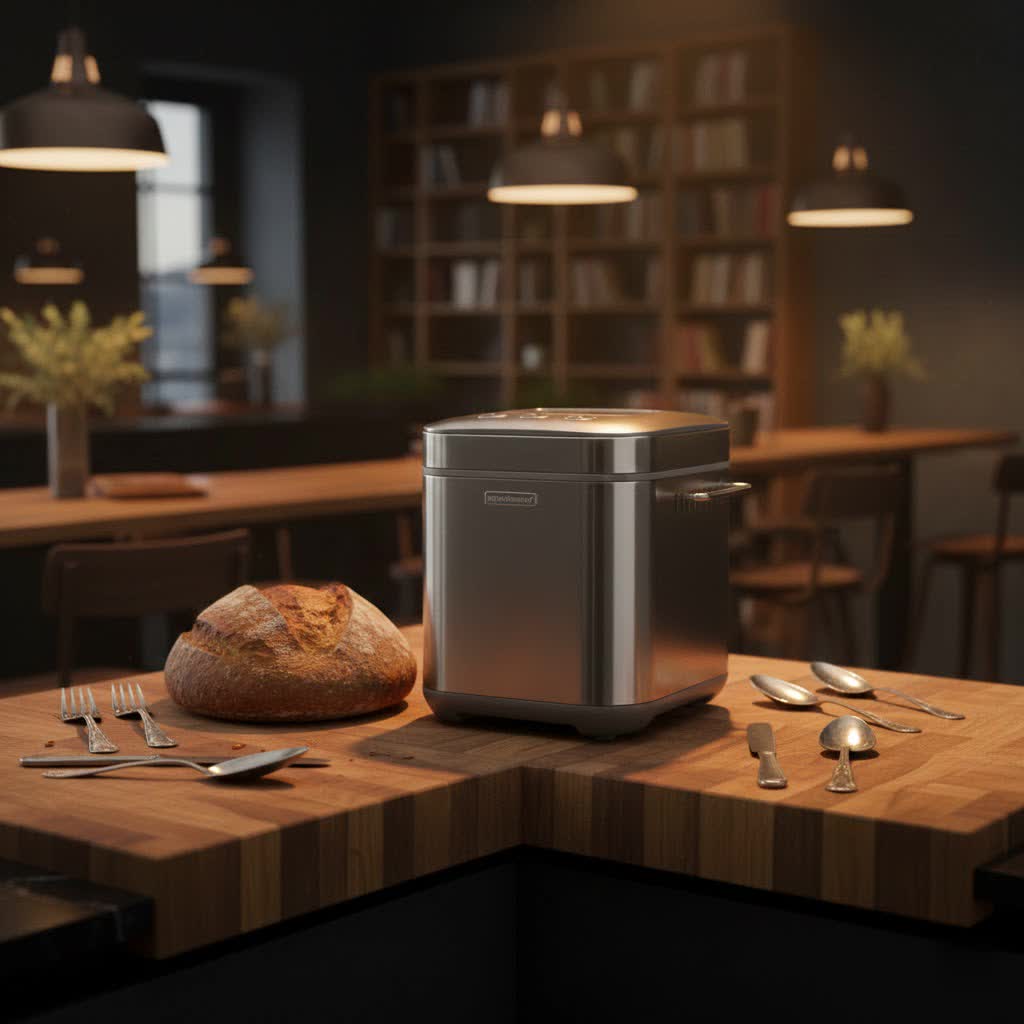
Bread Makers: An Overview
A bread maker is a kitchen appliance designed to automate the entire bread-making process, from mixing and kneading to rising and baking, all within a single pan. These ingenious devices have revolutionized home baking, making it accessible even for those with limited time or baking experience. Modern bread makers come in various models, offering basic functionalities for simple loaves or advanced features like automatic fruit and nut dispensers, customizable cycles, and delayed start timers. While some machines simply handle the dough, allowing you to shape and bake in a conventional oven for a crisper crust, many are capable of producing a complete, delicious loaf from start to finish.
Why Bake Raisin Bread in Your Bread Maker?
Opting for your bread maker to create raisin bread offers a host of compelling advantages that elevate the homemade experience.
Convenience and Time-Saving: The primary benefit of a bread maker is its hands-off operation. You simply add ingredients, select a program, and let the machine do the work. This frees up your time, making fresh bread a possibility even on busy weekdays.
Easy Customization and Fresh Ingredients: When you bake at home, you have complete control over the ingredients. You can choose high-quality flours, organic raisins, and adjust sugar and spice levels to suit your taste. This allows for healthier options and caters to dietary preferences.
Ensured Food Safety: Making bread at home ensures you know exactly what goes into your food, avoiding preservatives or artificial additives often found in store-bought varieties.
Achieving Fresh, Delicious Loaves: The incomparable taste and texture of warm, freshly baked bread are reasons enough to use a bread maker. Homemade raisin bread is soft, flavorful, and incredibly satisfying, far surpassing most commercial options.
Choosing the Right Bread Maker for Your Raisin Bread Needs
Selecting a bread maker involves considering several factors to ensure it meets your specific baking desires, especially for enriched loaves like raisin bread.
Determining Your Usage Needs
- Loaf Size: Bread makers typically come in 1-pound, 1.5-pound, or 2-pound capacities. For most families, a 1.5-pound or 2-pound machine is ideal for making raisin bread, allowing for a substantial loaf.
- Bread Type Preferences: Most machines offer “sweet bread” or “basic/white bread” settings, which are suitable for raisin bread. If you enjoy a variety of baked goods, look for machines with multiple programs, including dough-only cycles if you prefer oven-baking for shaping.
- Budget Considerations: Bread makers are available at various price points, from basic models to high-end appliances with extensive features. Define your budget and prioritize the features most important to you.
|
Our Picks for the Best Bread Maker in 2026
As an Amazon Associate I earn from qualifying purchases.
|
||
| Num | Product | Action |
|---|---|---|
| 1 | Neretva Bread Maker, 20-IN-1 2LB Bread Machine Dual Heater Bread Maker Machine Automatic with Nonstick Ceramic Pan, 15H Timer & 1H Keep Warm Set, Low Noise, Stainless Steel Breadmaker Recipe-Green |

|
| 2 | KITCHENARM 29-in-1 SMART Bread Machine with Gluten Free Setting 2LB 1.5LB 1LB Bread Maker Machine with Homemade Cycle - Stainless Steel Breadmaker with Recipes Whole Wheat Bread Making Machine |
|
| 3 | Cuisinart Bread Maker Machine, Stainless Steel Automatic Bread Machine with 12 Menu Options, 3 Loaf Sizes up to 2 Lb., 3 Crust Colors, Removable Nonstick Baking Pan & Kneading Paddle, CBK-110NAS |
|
| 4 | 2LB Bread Maker Machine, OSIPOTO 17 in 1 Automatic Stainless Steel Bread Machine, Non-stick, Beginner-Friendly Controls, 15 Hour Timer, Easy to Clean Low Noise, High Success Rate for Homemade Bread |
|
| 5 | MERIOR 25-IN-1 Bread Maker with Visible Lid - 2lb Automatic Machine, Auto Nut Dispenser, 13-Hour Delay Timer, One-Touch Control & Recipes – Easy Operation, High Success for Homemade Bread |
|
| 6 | Cuisinart Bread Maker Machine, Stainless Steel Convection Bread Machine with 16 Menu Options, 3 Loaf Sizes Up to 2 Lb., 3 Crust Colors, Includes Measuring Cup, Spoon & Kneading Hook, CBK-210 |
|
| 7 | KBS Pro 710W 2LB Bread Maker, Stainless Steel 17-in-1 Smart Bread Machine with Healthy Ceramic Pan, Automatic Nut Dispenser, Tempered Glass Touch Panel, 3 Crust Colors, 15H Timer& Keep-Warm, Recipes |
|
| 8 | KBS Premium 2LB Convection Bread Maker Dual Heaters, 710W Stainless Steel 17-in-1 Bread Machine Healthy Ceramic Pan, Nut Dispenser,Touch Panel, 3 Loaf Sizes 3 Crust Colors, 15H Timer,Low Noise,Recipes |
|
| 9 | Elite Gourmet Programmable Bread Maker, 2 lb Loaf, 3 Sizes, 19 Presets incl. Gluten-Free, Dough & Jam, Delay Timer, Black |
|
| 10 | Neretva Bread Maker, 20-in-1 2LB Bread Machine Dual Heater & Nonstick Ceramic Pan Bread Makers Machine All Metal Compact for Gluten Free/Dough Maker/Meat Floss/Jam/Yogurt/Breadmaker Recipe-Light Green |
|
Important Features to Consider
- Capacity and Size: Ensure the machine’s capacity matches your typical loaf size. Also, consider its physical footprint in your kitchen.
- Number of Programs: While “sweet” or “basic” settings are key for raisin bread, additional programs for whole wheat, gluten-free, or jam can be a bonus.
- Delay Timer and Keep Warm Function: A delayed start allows you to add ingredients in the evening and wake up to a fresh loaf. A “keep warm” setting ensures your bread stays warm for a period after baking, though removing it promptly is often best to prevent sogginess.
- Fruit and Nut Dispenser: This automatic feature is incredibly useful for raisin bread, as it adds the raisins at the optimal time during the kneading cycle, preventing them from being crushed or clumping at the bottom.
- Material and Durability: Look for machines with sturdy construction and a non-stick bread pan for easy release and cleaning.
- Ease of Cleaning and Maintenance: A removable, non-stick pan and easily accessible components make cleaning a breeze.
Reputable Bread Maker Brands
Many reputable brands offer excellent bread makers. While specific models may vary, brands like Panasonic, Zojirushi, and Cuisinart are often praised for their performance and durability. When selecting, consider user reviews and ratings specific to how well they handle enriched breads with add-ins.
Essential Ingredients for Delicious Bread Maker Raisin Bread
The quality and balance of your ingredients are paramount to achieving a perfect loaf of raisin bread.
- Flour: Bread flour is generally preferred for its higher gluten content, which gives bread better rise and a chewier texture. However, all-purpose flour can be used, often resulting in a softer loaf. Some recipes might incorporate a portion of whole wheat flour for added nutrition.
- Yeast: Always use fresh, active yeast. Most bread machine recipes call for instant yeast or bread machine yeast, which can be added directly to the pan without prior activation. If using active dry yeast, some recipes might suggest a slight increase or pre-dissolving, though many modern recipes integrate it directly.
- Liquids: Water, milk (whole milk often yields a richer bread), and melted butter contribute to moisture and richness. The temperature of liquids is crucial; lukewarm (around 90-100°F or 32-38°C) is ideal for yeast activation.
- Sweeteners: Granulated sugar, brown sugar, or even a touch of molasses provide sweetness and help activate the yeast. Brown sugar often imparts a deeper, more caramelized flavor.
- Raisins: The star ingredient! Standard dark raisins are common, but golden raisins can offer a sweeter, juicier alternative. Some bakers suggest soaking raisins in hot water for a few minutes before adding them to plump them up, then draining and patting them dry. Tossing them in a small amount of flour can also help prevent them from sinking to the bottom of the loaf.
- Cinnamon and Salt: Ground cinnamon is essential for the classic flavor profile. Salt is not just for taste; it regulates yeast activity and contributes to the bread’s structure, so don’t omit it or reduce it excessively without adjusting yeast accordingly.
Crafting Your Perfect Loaf: A Step-by-Step Guide
Making raisin bread in a bread maker is straightforward, but attention to a few key steps ensures optimal results.
Preparation Before Baking
- Gather Ingredients: Measure all ingredients precisely. Using a kitchen scale for flour and other dry ingredients can improve accuracy.
- Ingredient Order: Most bread makers require ingredients to be added in a specific order: liquids first, followed by dry ingredients, and finally, the yeast. Place the yeast in a small well created in the dry ingredients, ensuring it doesn’t come into direct contact with liquids or salt until the mixing cycle begins. Always consult your bread machine’s manual for its recommended order.
- Prepare Raisins: If desired, soak raisins in hot water for 5-10 minutes, then drain thoroughly and pat dry. You can also toss them lightly in a teaspoon of flour to help prevent them from sinking during baking.
Adding Ingredients and Selecting the Cycle
- Load the Pan: Place liquids (water, milk, melted butter), then salt, sugar, cinnamon, flour, and finally, the yeast into the bread machine pan in the correct order.
- Select Program: Choose the “Sweet Bread” setting for a sweeter, softer loaf or the “Basic/White Bread” setting. Select your desired loaf size (e.g., 1.5 lb or 2 lb) and crust color (light, medium, or dark).
- Add Raisins at the Right Time: If your bread maker has an automatic fruit and nut dispenser, load the raisins into it. Otherwise, add the raisins when the machine signals with a “beep” (typically 30-40 minutes into the kneading cycle). Adding them too early can result in pulverized raisins or a “raisin paste” at the bottom of the pan. If you miss the beep, you can gently fold them into the dough by hand before the final rise.
Post-Baking Care
- Prompt Removal: Once the baking cycle is complete, remove the bread pan from the machine as soon as possible. Leaving it in the machine’s residual heat can cause condensation, leading to a soggy crust.
- Cooling: Carefully remove the loaf from the pan (use oven mitts, as the pan will be very hot) and place it on a wire cooling rack. Allow the bread to cool completely (at least 30 minutes to an hour) before slicing. Slicing warm bread can result in a gummy texture and uneven slices.
- Removing the Kneading Paddle: Don’t forget to remove the kneading paddle if it’s stuck in the bottom of the loaf. It’s often easier to do this once the bread has cooled slightly.
Popular Bread Maker Raisin Bread Recipes
Here are outlines for two popular raisin bread variations you can easily make in your bread maker:
Classic Cinnamon Raisin Bread
This recipe yields a wonderfully soft, sweet loaf with a perfect balance of cinnamon and plump raisins.
Ingredients (for a 1.5 lb loaf):
- 1 cup warm water
- 3 tablespoons unsalted butter, softened
- 2 tablespoons brown sugar (packed)
- 1.5 teaspoons salt
- 3 cups bread flour
- 1 teaspoon ground cinnamon
- 2 teaspoons bread machine yeast
- ¾ cup raisins
Instructions:
- Add ingredients to the bread machine pan in the order listed by your machine’s manufacturer (typically liquids first, then dry, then yeast).
- Select the “Sweet Bread” or “Basic/White Bread” setting for a 1.5 lb loaf and medium crust.
- Add raisins at the “add-in” signal.
- Once baked, remove the loaf immediately and cool on a wire rack.
Golden Raisin Bread (No Cinnamon)
For those who prefer a pure, subtle sweetness, golden raisin bread offers a delightful alternative, often with a slightly different flavor profile.
Ingredients (for a 2 lb loaf):
- 1 ½ cups lukewarm milk
- 4 tablespoons unsalted butter, sliced and softened
- 2 teaspoons molasses (optional, for depth of flavor)
- 3 cups bread flour
- 1 cup oatmeal (one-minute oats work well for a softer texture)
- ½ cup brown sugar (packed)
- 1 ½ teaspoons salt
- 1 ½ teaspoons bread machine yeast
- 1 cup golden raisins
Instructions:
- Pour milk into the bread pan. Add butter, molasses (if using), bread flour, oatmeal, brown sugar, and salt. Make a small well in the flour and add the yeast, ensuring it doesn’t touch the liquid or salt.
- Select the “Basic” bread setting for a 2 lb loaf and light color crust.
- Add golden raisins during the “rest” period after the first kneading cycle, or when your machine signals for add-ins. This prevents them from being overly fragmented.
- Remove bread when baking is complete and cool on a wire rack.
Troubleshooting Common Bread Maker Raisin Bread Issues
Even with the best recipes, sometimes issues arise. Here’s how to address them:
- Raisins Sinking or Clumping: This is a frequent concern.
- Solution: Ensure you add raisins at the “add-in” signal from your machine (typically 30-40 minutes into the kneading cycle). Tossing raisins in a tablespoon of flour before adding them can also help them adhere to the dough and distribute evenly. If your machine struggles, you can manually knead the raisins in after the main kneading cycle.
- Bread Not Rising / Dense Loaf: This usually points to yeast issues or incorrect measurements.
- Solution: Check your yeast’s expiration date; old yeast won’t activate. Ensure your liquid isn’t too hot (which can kill the yeast) or too cold (which inhibits activation). Too much salt can also hinder yeast activity. Ensure the correct amount of flour and liquid; too much flour or too little liquid can result in a dense loaf.
- Gummy Texture: A gummy interior suggests the bread didn’t bake thoroughly or the dough was too wet.
- Solution: Reduce liquid by 1 tablespoon. Ensure your bread machine is set to an appropriate cycle length for the type of bread. Sometimes, increasing the crust setting to “dark” will add a few extra minutes of baking, which can help.
- Crust Too Hard or Dark:
- Solution: Remove the bread promptly after baking to prevent the crust from hardening further. If the crust is consistently too dark, select a “light” crust setting. Too much sugar in the recipe can also promote excessive browning.
Beyond the Basics: Advanced Tips for Bread Maker Raisin Bread
To truly elevate your bread maker raisin bread, consider these advanced tips:
- Dough Cycle for Oven Baking: For an artisanal touch and a superior crust, use your bread maker’s “Dough” cycle. Once the cycle finishes, remove the dough, shape it (perhaps into a swirl loaf), let it proof, and bake it in a conventional oven. This gives you more control over the final shape and crust texture.
- High-Altitude Adjustments: If you live at a high altitude (above 3,000 feet), bread dough rises faster. You may need to slightly reduce the yeast and liquid in your recipe to prevent over-rising and collapse.
- Storing Your Loaf: Homemade bread is best enjoyed fresh. Store raisin bread in an airtight container or plastic bag at room temperature for up to three days. For longer storage, slice the cooled loaf and freeze it for up to three months.
“A common pitfall with raisin bread is the raisins sinking. Tossing them in flour or adding them at the machine’s beep can make all the difference for even distribution.” – Admin, reviewrdous.com
Conclusion
Baking delicious raisin bread in your bread maker is a rewarding experience that brings the warmth and comfort of homemade goods to your table with minimal effort. By understanding your bread maker’s functions, carefully measuring ingredients, and incorporating simple techniques for adding raisins and troubleshooting common issues, you can consistently achieve perfect, fragrant loaves. Whether you prefer a classic cinnamon-spiced loaf or a subtle golden raisin variety, your bread maker is an invaluable tool for creating memorable, fresh-baked moments.
Ready to fill your kitchen with the irresistible scent of fresh raisin bread? Which recipe will you try first, and what custom touches will you add to make it uniquely yours?
Frequently Asked Questions
Can I use all-purpose flour instead of bread flour for raisin bread in a bread maker?
Yes, you can generally substitute all-purpose flour for bread flour, but the results may differ slightly. Bread flour has a higher protein content, leading to a chewier texture and better rise, while all-purpose flour typically produces a softer loaf.
Why are my raisins always sinking to the bottom of the bread machine loaf?
Raisins often sink because they are too heavy for the dough or are added too early. To prevent this, add them at your bread maker’s “add-in” signal (usually 30-40 minutes into the kneading cycle), or lightly toss them in a tablespoon of flour before adding.
How do I store homemade raisin bread to keep it fresh?
To keep homemade raisin bread fresh, store the cooled loaf in an airtight container, plastic wrap, or a plastic bag at room temperature for up to three days. For longer storage, slice and freeze the bread for up to three months, allowing it to thaw at room temperature or toast directly from frozen.
My bread machine raisin bread is dense and doesn’t rise well. What could be the problem?
A dense loaf is often due to inactive or insufficient yeast, too much flour, too little liquid, or too much salt. Ensure your yeast is fresh, liquids are lukewarm, and measure all ingredients accurately. Checking the dough consistency during kneading can help you make minor adjustments to flour or liquid.
