The aroma of freshly baked bread is one of life’s simple pleasures, but the process of mixing, kneading, proofing, and baking can often seem daunting. Enter the bread maker machine – a revolutionary kitchen appliance designed to bring the joy of homemade bread to your table with minimal effort. This guide will help you understand bread makers, choose the perfect model for your needs, and master the art of effortless baking.
Understanding Bread Makers: Your Kitchen’s Secret Baker
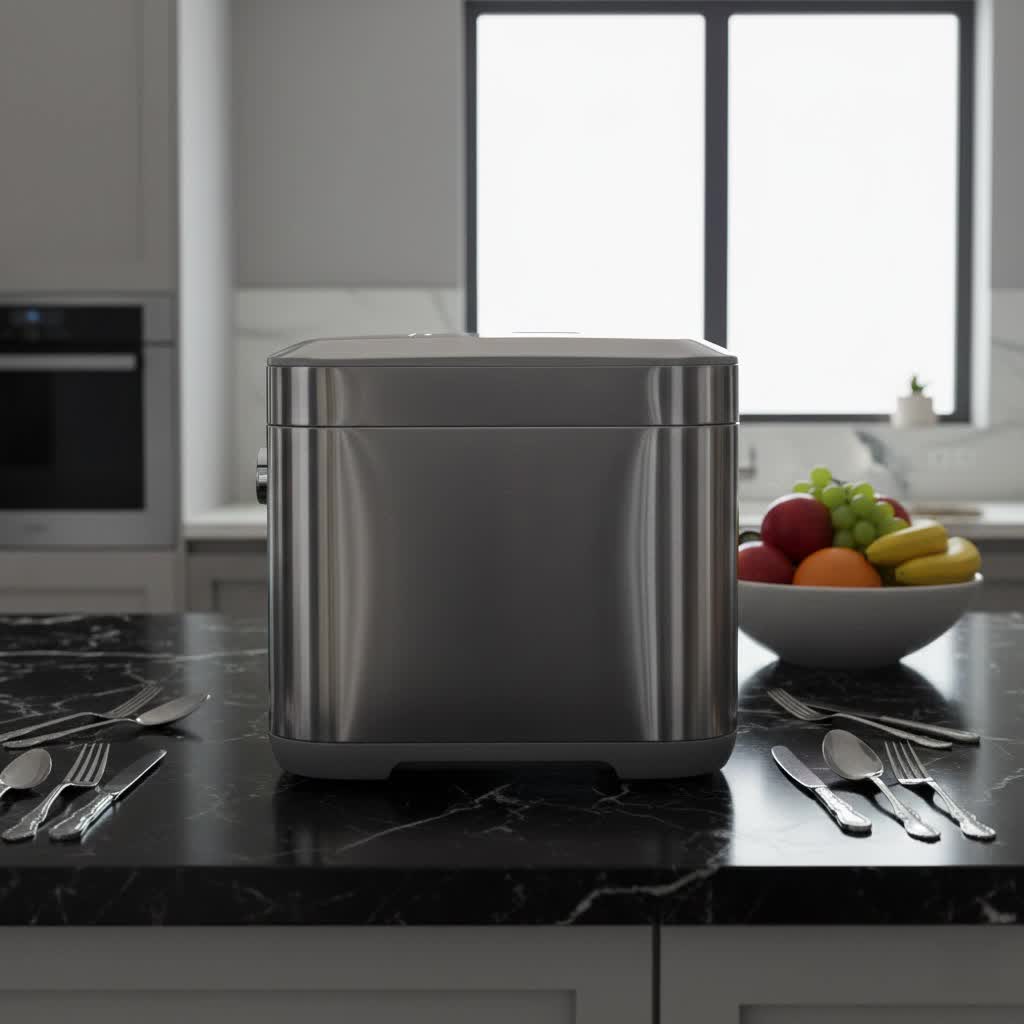
At its core, a bread maker is a self-contained appliance that automates the entire bread-making process. From combining ingredients to kneading the dough, allowing it to rise, and finally baking it to perfection, these machines handle every step. Typically, a bread maker consists of a baking pan (often non-stick), one or two kneading paddles, and a heating element that ensures even cooking.
The concept of automated bread making began to gain popularity in the late 20th century, evolving from basic models that produced simple loaves to sophisticated machines offering a myriad of programs and customization options. Early designs aimed for convenience, and modern bread makers continue this tradition, integrating advanced technology to cater to diverse dietary preferences and baking styles.
Today, bread makers come in various types, largely distinguished by their capacity, features, and the shape of the loaf they produce. Some offer a single kneading paddle, while others, particularly those designed for larger, rectangular loaves, feature dual paddles for more thorough mixing. Loaf shapes can range from traditional rectangular (ideal for sandwiches) to taller, more cylindrical forms.
Why Invest in a Bread Maker? The Joys of Homemade Bread
For many, the decision to purchase a bread maker stems from a desire for fresh, wholesome bread without the labor-intensive process. The benefits extend far beyond convenience:
- Convenience and Time Savings: A bread maker transforms a multi-hour manual task into a simple “add ingredients and press start” routine. Many models include delay start timers, allowing you to wake up to the smell of warm, freshly baked bread or have it ready after work. This “set-it-and-forget-it” functionality is a game-changer for busy households.
- Nutritional Control and Food Safety: When you bake your own bread, you control every ingredient. This is invaluable for managing dietary restrictions, avoiding preservatives, artificial flavors, and excessive sugar or salt. You gain peace of mind knowing exactly what you and your family are consuming.
- Endless Customization and Recipe Variety: Beyond basic white and whole wheat, bread makers can create a vast array of breads including gluten-free, sourdough, sweet breads, and even specialty doughs for pizza, pasta, or rolls. Many machines also feature programs for making jams, cakes, or yogurt, expanding their utility beyond just bread.
- The Freshness Factor: Taste and Aroma: There’s nothing quite like the taste and texture of warm bread straight from the oven. Homemade bread often surpasses store-bought alternatives in flavor, texture, and aroma, offering a truly comforting and satisfying experience.
How to Choose the Perfect Bread Maker: A Buyer’s Guide
Selecting the best bread maker involves considering your personal baking habits, kitchen space, and budget. Here’s a detailed guide to help you make an informed decision:
Identifying Your Baking Needs
Before diving into features, reflect on how you plan to use your bread maker:
- Family Size and Loaf Capacity: Bread makers typically produce loaves ranging from 1 to 2.5 pounds. A 1-pound machine is ideal for individuals or small households with limited space, while a 2-pound capacity is standard and versatile for most families. Larger 2.5-pound options cater to bigger families or those who consume a lot of bread. For reference, most store-bought sliced bread weighs around 1 pound.
- Preferred Bread Types: If you have specific dietary needs, such as gluten sensitivity, look for models with dedicated gluten-free settings, as some machines excel in this area. If you love rustic artisan loaves, ensure the machine can handle denser doughs.
- Budget Considerations: Bread makers vary significantly in price, from affordable entry-level models to premium appliances with advanced features. Determine how much you’re willing to invest, balancing cost with desired functionality and durability.
- Kitchen Space and Storage: Bread makers can be bulky. Measure your available countertop and storage space to ensure the machine fits comfortably. Consider its weight if you plan to move it frequently.
|
Our Picks for the Best Bread Maker in 2026
As an Amazon Associate I earn from qualifying purchases.
|
||
| Num | Product | Action |
|---|---|---|
| 1 | KBS Pro 710W 2LB Bread Maker, Stainless Steel 17-in-1 Smart Bread Machine with Healthy Ceramic Pan, Automatic Nut Dispenser, Tempered Glass Touch Panel, 3 Crust Colors, 15H Timer& Keep-Warm, Recipes |

|
| 2 | MERIOR 25-IN-1 Bread Maker with Visible Lid - 2lb Automatic Machine, Auto Nut Dispenser, 13-Hour Delay Timer, One-Touch Control & Recipes – Easy Operation, High Success for Homemade Bread |
|
| 3 | Neretva Bread Maker, 20-in-1 2LB Bread Machine Dual Heater & Nonstick Ceramic Pan Bread Makers Machine All Metal Compact for Gluten Free/Dough Maker/Meat Floss/Jam/Yogurt/Breadmaker Recipe-Light Green |
|
| 4 | Neretva Bread Maker, 20-IN-1 2LB Bread Machine Dual Heater Bread Maker Machine Automatic with Nonstick Ceramic Pan, 15H Timer & 1H Keep Warm Set, Low Noise, Stainless Steel Breadmaker Recipe-Green |
|
| 5 | 2LB Bread Maker Machine, OSIPOTO 17 in 1 Automatic Stainless Steel Bread Machine, Non-stick, Beginner-Friendly Controls, 15 Hour Timer, Easy to Clean Low Noise, High Success Rate for Homemade Bread |
|
| 6 | Cuisinart Bread Maker Machine, Stainless Steel Convection Bread Machine with 16 Menu Options, 3 Loaf Sizes Up to 2 Lb., 3 Crust Colors, Includes Measuring Cup, Spoon & Kneading Hook, CBK-210 |
|
| 7 | Cuisinart Bread Maker Machine, Stainless Steel Automatic Bread Machine with 12 Menu Options, 3 Loaf Sizes up to 2 Lb., 3 Crust Colors, Removable Nonstick Baking Pan & Kneading Paddle, CBK-110NAS |
|
| 8 | KBS Premium 2LB Convection Bread Maker Dual Heaters, 710W Stainless Steel 17-in-1 Bread Machine Healthy Ceramic Pan, Nut Dispenser,Touch Panel, 3 Loaf Sizes 3 Crust Colors, 15H Timer,Low Noise,Recipes |
|
| 9 | Elite Gourmet Programmable Bread Maker, 2 lb Loaf, 3 Sizes, 19 Presets incl. Gluten-Free, Dough & Jam, Delay Timer, Black |
|
| 10 | KITCHENARM 29-in-1 SMART Bread Machine with Gluten Free Setting 2LB 1.5LB 1LB Bread Maker Machine with Homemade Cycle - Stainless Steel Breadmaker with Recipes Whole Wheat Bread Making Machine |
|
Essential Features to Look For
Once you understand your needs, focus on these critical features:
- Kneading Paddles:
- Single Paddle: Common in most bread makers, but in rectangular pans, a single paddle might struggle to incorporate all ingredients evenly, sometimes resulting in pockets of unmixed flour.
- Dual Paddles: Found in high-end models like the Zojirushi Virtuoso Plus, dual paddles are highly effective, especially for elongated rectangular pans. They ensure thorough mixing, better dough development, and a more uniform loaf shape.
- Collapsible Paddle: Some machines feature collapsible paddles that fold down before baking to minimize the hole left in the bottom of the loaf. While they still leave an indent, they can be less intrusive.
- Loaf Pan Shape: For sandwich-friendly slices, a rectangular loaf pan is preferred. Many budget models, however, produce tall, cylindrical loaves that can be harder to slice evenly.
- Programs and Settings: A good bread maker offers a variety of pre-programmed cycles for different bread types (basic, whole wheat, French, rapid, gluten-free, sweet, dough, jam, cake). Look for a delay start timer for convenience and crust settings (light, medium, dark) to customize your crust preference. A “keep warm” function is also common, though using it for too long can sometimes lead to a soggy crust due to condensation.
- Customization Options: Advanced bakers might appreciate models that allow manual adjustments to individual cycle times and temperatures, providing greater control over the baking process.
- Automatic Dispensers for Nuts and Fruits: This convenient feature automatically adds mix-ins like nuts, seeds, or dried fruits at the optimal time during the kneading cycle, ensuring even distribution without manual intervention.
- Display and User Interface: An intuitive control panel with a clear, easy-to-read display makes operating the machine straightforward.
- Build Quality and Ease of Cleaning: Durable construction, often with stainless steel components, indicates a longer lifespan. Non-stick baking pans are essential for easy loaf removal and cleaning. While the pan is usually easy to wash by hand, cleaning around the kneading paddle mechanism can sometimes be a bit tricky.
Top Bread Maker Brands to Consider
Several brands consistently receive high praise for their bread makers:
- Zojirushi: Renowned for premium quality and consistent results. The Virtuoso Plus is a top choice, especially for gluten-free and traditional rectangular loaves.
- Breville: Offers highly customizable machines like the Custom Loaf, catering to experimental bakers and providing excellent versatility.
- Cuisinart: Known for reliable, compact, and budget-friendly options, such as the Compact Automatic, ideal for basic baking and smaller kitchens.
- Elite Gourmet: A good option for those on a tight budget looking for basic functionality, though less versatile for specialty breads.
- KBS: Provides models like the KBS Pro, excelling in traditional white and wheat bread production with good crusts and automatic dispensers.
Popular Bread Makers: A Detailed Comparison
Here’s a comparison of some highly-rated bread maker machines, highlighting their key features, advantages, and considerations:
| Feature | Zojirushi Virtuoso Plus | Breville Custom Loaf | Cuisinart Compact CBK-110 | Elite Gourmet Maxi-Matic | KBS Pro MBF-010 |
|---|---|---|---|---|---|
| Loaf Size Options | 2 lb (fixed) | 1, 1.5, 2, 2.5 lb | 1, 1.5, 2 lb | 1, 1.5, 2 lb | 1, 1.5, 2 lb |
| Kneading Paddles | Dual | Single (collapsible) | Single | Single | Single |
| Loaf Pan Shape | Rectangular (sandwich-friendly) | Rectangular | Square/Tall | Tall/Cylindrical | Traditional Rectangular |
| Best For | Overall performance, Gluten-Free, Traditional Loaves | Customization, Versatility, Experimental Baking | Budget-conscious, Compact Spaces, Basic Breads | Tight Budgets, Basic White/Wheat | Traditional White/Wheat Sandwich Bread |
| Key Pros | Exceptional gluten-free, consistent crusts, perfect sandwich shape, dual heaters for even baking, many recipes. | Highly customizable settings (time/temp), automatic fruit/nut dispenser, large loaf capacity. | Affordable, compact design, easy to use, decent for basics. | Very inexpensive, good for basic white and wheat, small footprint. | Superb white/wheat bread, great crusts, attractive loaves, automatic fruit/nut dispenser. |
| Key Cons | Large footprint, heavy, expensive, only makes 2lb loaves. | Can be expensive, white bread may deflate, single paddle less effective for larger loaves. | Loaves can be very tall, sometimes a drier texture, less versatility for specialty breads. | Poor performance on gluten-free and yeast-free breads, limited recipe variety, uneven ingredient distribution. | Poor results for gluten-free and sweet breads, interface can be crowded. |
Mastering Your Bread Maker: Usage Tips and Best Practices
To consistently bake perfect loaves, understanding some key principles is vital:
- Ingredient Measurement and Order: Always measure ingredients precisely, ideally using a kitchen scale for flour to ensure accuracy. Most manufacturers recommend adding wet ingredients first, followed by dry ingredients, and finally the yeast (placed separately on top of the flour to prevent premature activation, especially with delay timers).
- Understanding Cycles and Settings: Familiarize yourself with your machine’s programs. The “Basic” setting is for white bread, “Whole Wheat” for denser grains, and “Dough” for recipes you intend to bake in a conventional oven. The delay timer is perfect for planning ahead, while crust settings allow you to choose your preferred browning level.
- Tips for Perfect Loaves:
- Water Temperature: Use lukewarm water (around 100-110°F or 38-43°C) to activate yeast effectively.
- Fresh Ingredients: Ensure your yeast is active and your flour is fresh. Expired yeast is a common culprit for failed loaves.
- Altitude Adjustments: For those at high altitudes, recipes may need slight adjustments (less yeast, less liquid, more flour) to account for differences in atmospheric pressure. Refer to your manual or online resources for specific guidance.
- Cleaning and Maintenance: Always unplug your machine before cleaning. Hand-wash the non-stick baking pan and kneading paddles with warm, soapy water. Use a damp cloth to wipe down the interior and exterior of the machine. Keeping the machine clean ensures longevity and prevents food residue from affecting future bakes. A small dough cloth can be useful for removing stubborn bits of dough from the paddle or pan.
Delicious Recipes for Your Bread Maker
Your bread maker is a versatile tool for creating a wide array of baked goods:
- Classic White Sandwich Bread: The staple of any bread maker, yielding soft, fluffy loaves perfect for everyday sandwiches.
- Hearty Whole Wheat Bread: A nutritious option, often requiring specific settings to ensure proper rise and texture.
- Fluffy Gluten-Free Loaf: Many modern bread makers excel at gluten-free recipes, which can be notoriously tricky to achieve by hand.
- Sweet Breads: Indulge in treats like cinnamon raisin bread, banana bread, or even rich pound cakes.
- Dough-Only Recipes: Use your machine to mix and knead dough for homemade pizza, pasta, dinner rolls, or baguettes, then finish baking them in your conventional oven for artisanal crusts.
Troubleshooting Common Bread Maker Issues
Even with the best machines, occasional issues can arise. Here’s how to address some common problems:
- Bread Not Rising or Collapsing: This often points to inactive or expired yeast, incorrect liquid temperature, or improper ingredient ratios (too much flour or not enough liquid). Ensure ingredients are measured precisely and yeast is fresh. If the bread rises too much and then collapses, it might be over-proofed, sometimes due to too much yeast or a recipe imbalance.
- Dense or Gummy Texture: A dense loaf is usually the result of too little liquid or too much flour, leading to a dry dough. Over-kneading can also create overdeveloped gluten and a tough texture. Double-check your measurements, ideally using a kitchen scale.
- Uneven Crust or Browning: This can be due to an issue with the heating elements, or simply needing to adjust your machine’s crust setting. Some machines have top and bottom heaters for more even browning.
- Machine Malfunctions: If your machine isn’t starting, check if it’s properly plugged in and the pan is correctly inserted. Consult your manual for error codes and specific troubleshooting steps.
Where to Purchase Your Bread Maker
Bread makers are widely available through various channels:
- Online Retailers: Websites like Amazon, Williams Sonoma, Target, and other major online appliance stores offer a vast selection, often with competitive pricing and user reviews.
- Physical Stores: Large electronics stores, department stores, and home goods retailers usually stock a range of bread makers, allowing you to see the models in person before purchasing.
Your Comprehensive Bread Maker Buying Guide
Making the final decision on a bread maker boils down to a few key considerations:
- Budget vs. Features: While high-end models offer superior performance and customization, a mid-range machine can provide excellent results for everyday baking. Prioritize features that align with your primary needs.
- Reading User Reviews: Gain valuable insights from other users’ experiences regarding a machine’s performance, durability, and ease of use. Look for consistent feedback on specific bread types you plan to bake.
- Warranty and Support: Check the manufacturer’s warranty and customer support options. A good warranty provides peace of mind for your investment.
“The right bread maker can transform your kitchen into a bakery, making wholesome, delicious bread an effortless part of your daily routine. It’s not just about saving time; it’s about savoring fresh, homemade goodness every day.” – Admin, reviewrdous.com
Conclusion
A bread maker machine is a fantastic investment for anyone who loves fresh bread but wants to simplify the baking process. From perfect gluten-free loaves to hearty whole wheat and sweet treats, these appliances offer unparalleled convenience and control over your ingredients. By understanding your needs and considering the key features, you can select the best bread maker to bring the warmth and aroma of homemade bread to your home.
Are you ready to discover the magic of effortless baking?
Frequently Asked Questions
Is it cheaper to make bread in a bread machine than to buy it?
While there’s an initial investment for the machine itself, making your own bread can become more cost-effective over time, especially if you bake frequently. The main advantage, however, is the superior taste, freshness, and control over ingredients that homemade bread offers, providing value beyond just monetary savings.
Can you use regular flour in a bread machine?
Yes, most bread machine recipes utilize standard all-purpose or bread flour. It is generally recommended to start with the default recipes provided in your machine’s manual, as they are tailored to its specific mechanics. These recipes will usually specify the type of flour required.
What kind of yeast should you use in a bread machine?
Most bread makers use either instant yeast or active dry yeast. Some manufacturers might recommend “bread machine yeast,” which is a finely ground instant yeast. Always check your recipe, as the type of yeast affects rise times and may require different activation steps.
Can you make sourdough bread in a bread machine?
Yes, many bread makers have a “dough” cycle that can be used to mix and proof sourdough starter and dough. While the final baked loaf might not achieve the same crusty exterior as oven-baked sourdough, it will still deliver that distinctive tangy flavor and a soft interior.
Can you keep bread warm in a bread machine?
Many bread machines include a “keep warm” function. This feature helps maintain the bread’s warmth after baking for a short period. However, using it for too long can sometimes lead to condensation, which may result in a slightly soggy crust. It’s best used briefly until you’re ready to remove the loaf.
