Are you dreaming of waking up to the irresistible aroma of freshly baked bread without the hassle of traditional kneading and baking? A stainless steel bread maker is your gateway to achieving bakery-quality loaves right in your own kitchen. This comprehensive guide will navigate you through everything you need to know, from understanding the unique advantages of stainless steel to selecting the ideal model that perfectly fits your baking aspirations and lifestyle. Get ready to transform your homemade bread experience.
The Allure of Stainless Steel Bread Makers: An Overview
A bread maker is an automated kitchen appliance designed to simplify the entire bread-making process, from mixing ingredients and kneading dough to allowing it to rise and finally baking it into a delicious loaf. These versatile machines consolidate multiple steps into one convenient unit, making fresh bread accessible to everyone, regardless of baking experience.
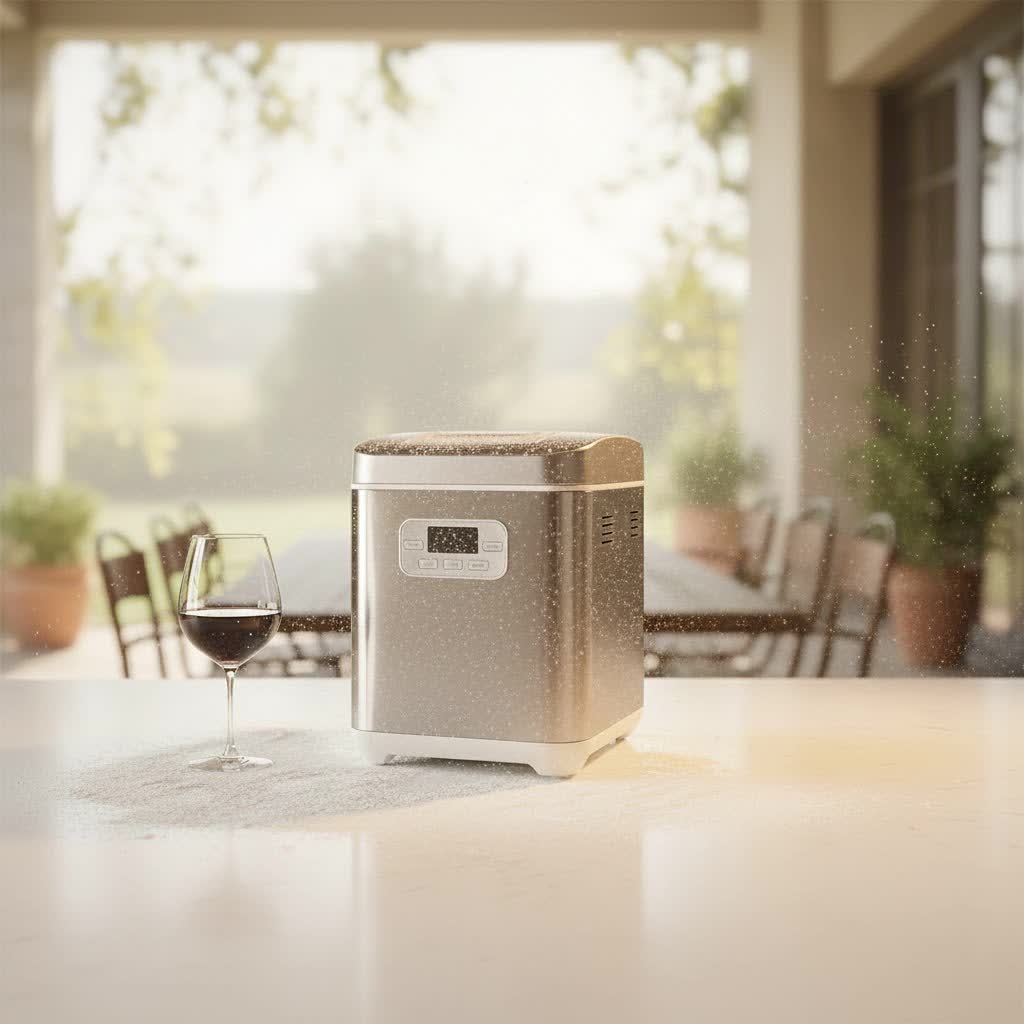
The journey of the bread maker began in the 1980s, evolving from basic models to sophisticated devices with numerous programs and specialized functions. Today, they are staples in many kitchens, prized for their efficiency and consistency. Among the various types available, stainless steel bread makers have carved out a significant niche. Their appeal stems not just from a sleek, modern aesthetic that complements any contemporary kitchen design, but also from the inherent properties of the material. Stainless steel is renowned for its exceptional durability, resistance to rust and corrosion, and ease of cleaning, ensuring your appliance remains a reliable workhorse for years to come. Furthermore, some models feature stainless steel bread pans, a benefit as the material is non-reactive, making it ideal for baking with acidic ingredients like those found in sourdough starters.
Why Choose a Bread Maker for Your Home?
Opting for a bread maker offers a multitude of benefits that extend beyond just convenience, enriching your culinary life and empowering you to take control of your diet.
One of the most compelling reasons is the sheer convenience and time-saving aspect. With a bread maker, you simply add your ingredients, select a program, and let the machine handle the rest. This eliminates the laborious tasks of hand-kneading, multiple proving stages, and oven monitoring, freeing up your valuable time for other activities. Imagine coming home to a warm, ready-to-eat loaf with minimal effort.
Another significant advantage is the ease of customizing recipes and ingredients. Unlike store-bought bread, which often contains preservatives and unfamiliar additives, a bread maker allows you to precisely control what goes into your loaf. You can experiment with different flours, add nuts, seeds, dried fruits, or choose organic and gluten-free ingredients to cater to specific dietary needs or preferences. This level of customization ensures you’re always making the healthiest and tastiest choices for your family.
This control also directly contributes to ensuring food hygiene and safety. By making bread at home, you eliminate concerns about industrial production processes, unknown ingredients, or potential contaminants. You oversee the cleanliness of your workspace and ingredients, guaranteeing a wholesome product.
Ultimately, the greatest reward is the ability to create fresh, delicious loaves at home that surpass store-bought alternatives in flavor and texture. The distinct taste and soft crumb of homemade bread, straight from the machine, are unparalleled. It’s an experience that truly elevates everyday meals and brings a comforting warmth to your kitchen.
Your Guide to Selecting the Perfect Stainless Steel Bread Maker
Choosing the right stainless steel bread maker can seem daunting with the array of options available. By considering a few key factors, you can narrow down your choices and find a machine that perfectly suits your baking needs.
Assess Your Baking Needs
Before diving into features, take a moment to reflect on how you envision using your bread maker.
- For whom are you baking? If you’re baking for a large family or frequently entertain, a machine capable of producing larger loaves (2-2.5 lbs) will be more practical. For individuals or small households, a compact model baking 1-1.5 lb loaves might suffice, saving valuable counter space.
- What types of bread do you love? While most bread makers handle basic white bread, specialized programs are essential for specific diets or preferences. Look for settings for whole wheat, French bread, sweet bread, artisan dough, or crucially, gluten-free options if you have dietary restrictions. Some machines even offer programs for making jam, yogurt, or pasta dough, expanding their versatility.
- What is your budget? Stainless steel models often represent a mid to high-end investment. Determine how much you’re willing to spend, keeping in mind that higher price points often correlate with more features, better durability, and superior baking performance.
|
Our Picks for the Best Bread Maker in 2026
As an Amazon Associate I earn from qualifying purchases.
|
||
| Num | Product | Action |
|---|---|---|
| 1 | KBS Premium 2LB Convection Bread Maker Dual Heaters, 710W Stainless Steel 17-in-1 Bread Machine Healthy Ceramic Pan, Nut Dispenser,Touch Panel, 3 Loaf Sizes 3 Crust Colors, 15H Timer,Low Noise,Recipes |

|
| 2 | Cuisinart Bread Maker Machine, Stainless Steel Automatic Bread Machine with 12 Menu Options, 3 Loaf Sizes up to 2 Lb., 3 Crust Colors, Removable Nonstick Baking Pan & Kneading Paddle, CBK-110NAS |
|
| 3 | KITCHENARM 29-in-1 SMART Bread Machine with Gluten Free Setting 2LB 1.5LB 1LB Bread Maker Machine with Homemade Cycle - Stainless Steel Breadmaker with Recipes Whole Wheat Bread Making Machine |
|
| 4 | Elite Gourmet Programmable Bread Maker, 2 lb Loaf, 3 Sizes, 19 Presets incl. Gluten-Free, Dough & Jam, Delay Timer, Black |
|
| 5 | KBS Pro 710W 2LB Bread Maker, Stainless Steel 17-in-1 Smart Bread Machine with Healthy Ceramic Pan, Automatic Nut Dispenser, Tempered Glass Touch Panel, 3 Crust Colors, 15H Timer& Keep-Warm, Recipes |
|
| 6 | 2LB Bread Maker Machine, OSIPOTO 17 in 1 Automatic Stainless Steel Bread Machine, Non-stick, Beginner-Friendly Controls, 15 Hour Timer, Easy to Clean Low Noise, High Success Rate for Homemade Bread |
|
| 7 | MERIOR 25-IN-1 Bread Maker with Visible Lid - 2lb Automatic Machine, Auto Nut Dispenser, 13-Hour Delay Timer, One-Touch Control & Recipes – Easy Operation, High Success for Homemade Bread |
|
| 8 | Cuisinart Bread Maker Machine, Stainless Steel Convection Bread Machine with 16 Menu Options, 3 Loaf Sizes Up to 2 Lb., 3 Crust Colors, Includes Measuring Cup, Spoon & Kneading Hook, CBK-210 |
|
| 9 | Neretva Bread Maker, 20-in-1 2LB Bread Machine Dual Heater & Nonstick Ceramic Pan Bread Makers Machine All Metal Compact for Gluten Free/Dough Maker/Meat Floss/Jam/Yogurt/Breadmaker Recipe-Light Green |
|
| 10 | Neretva Bread Maker, 20-IN-1 2LB Bread Machine Dual Heater Bread Maker Machine Automatic with Nonstick Ceramic Pan, 15H Timer & 1H Keep Warm Set, Low Noise, Stainless Steel Breadmaker Recipe-Green |
|
Key Features to Prioritize
Once your needs are clear, evaluate the following features to ensure your chosen bread maker delivers on every front.
- Capacity and Size: Bread makers typically offer loaf sizes from 1 to 2.5 pounds. Consider your household size and consumption. Also, check the physical dimensions of the machine to ensure it fits comfortably on your countertop and can be stored easily. Some models have a vertical baking pan, which can save space.
- Number of Programs: A good stainless steel bread maker should offer a variety of pre-programmed cycles. These typically include basic white, whole wheat, French, sweet, dough, and gluten-free. Advanced models might have specialized settings for rapid bake, sourdough, pasta, jam, or even yogurt. The more programs, the more versatile your machine.
- Delay Timer and Keep-Warm Function: A delay timer is invaluable, allowing you to add ingredients hours in advance and set the machine to start baking at a later time. Imagine fresh bread ready for breakfast or dinner upon your arrival home. A keep-warm function maintains the bread’s temperature after baking, ensuring a warm slice whenever you’re ready.
- Material and Durability: Focus on the “stainless steel” aspect. Does the machine have a stainless steel exterior for aesthetics and durability, a stainless steel pan, or both? Stainless steel is non-reactive, making it excellent for baking. Many stainless steel pans are also coated with a non-stick surface for easy bread removal and cleaning. The overall build quality contributes significantly to the appliance’s lifespan.
- Ease of Cleaning and Maintenance: Removable parts, especially the bread pan and kneading paddle(s), are crucial for easy cleanup. Dishwasher-safe components further simplify maintenance.
- Additional Features:
- Automatic Dispensers: Some premium models include automatic dispensers for fruit, nuts, seeds, or yeast, which release ingredients at the optimal time during the cycle.
- Viewing Window and Interior Light: These allow you to monitor the baking process without opening the lid, which can affect the bread’s rise.
- Crust Color Settings: Most machines offer options for light, medium, or dark crusts, catering to personal preferences.
- Kneading Paddles: Dual paddles can be beneficial for larger, rectangular loaves, ensuring more even mixing and dough development.
Top Brands in Stainless Steel Bread Makers
Several reputable brands offer high-quality bread makers, some of which feature stainless steel construction or components. While specific models can vary, brands like Zojirushi, Cuisinart, Breville, Hamilton Beach, Panasonic, and Sage are frequently recognized for their performance, durability, and feature sets. Zojirushi, for instance, is often lauded for its consistent results and dual-paddle design for superior kneading. Cuisinart models are praised for their user-friendly interfaces and versatile programs. Hamilton Beach offers solid performance for its value, while Sage (known as Breville in some regions) tends to provide more premium, design-focused options with advanced customization. When considering a brand, always look for stainless steel specific models and read recent user reviews to gauge real-world performance.
Comparative Table: Popular Stainless Steel Bread Maker Models
To help you visualize the differences, here’s a general comparison of common features you might find across popular stainless steel bread makers. Please note that specifications can vary by model and year.
| Feature | Cuisinart Bread Maker Machine | Zojirushi Home Bakery Supreme | Hamilton Beach Premium Bread Maker | Sage the Custom Loaf Bread Maker | Neretva Bread Maker Machine |
|---|---|---|---|---|---|
| Loaf Sizes | Up to 2 lbs | Up to 2 lbs (rectangular) | 1, 1.5, 2 lbs | 1, 1.5, 2, 2.5 lbs | 1.5 – 2 lbs |
| Programs | 12 preprogrammed | 10 preprogrammed | 14 programmed | Extensive (incl. custom function) | 20 automatic programs |
| Crust Settings | Light, Medium, Dark | Light, Medium, Dark | Light, Medium, Dark | 3 options | Light, Medium, Dark |
| Delay Timer | Yes | 13-hour delay | Yes | Yes | 15-hour delay |
| Mix-in Dispenser | No (manual reminder) | No (manual reminder) | Automatic | Automatic | No (manual reminder) |
| Kneading Paddles | Single | Dual | Single | Collapsible Single | Single |
| Viewing Window | Yes (with interior light) | Yes | Yes | Yes (with interior light) | Yes |
| Exterior Finish | Stainless steel accents | Stainless steel & plastic | Stainless steel & plastic | High-quality brushed stainless steel | Sleek, compact stainless steel & plastic |
| Pan Material | Nonstick (often with stainless steel pan) | Nonstick (often with stainless steel pan) | Nonstick | Nonstick (often with stainless steel pan) | Nonstick |
| Key Advantage | Compact, consistent | Large rectangular loaves, even mixing | Great value, auto dispenser | Premium design, custom programming | High program variety, quiet operation |
This table provides a general comparison; always check specific model details before purchase.
Mastering Your Stainless Steel Bread Maker: A Step-by-Step Guide
Using a bread maker is remarkably straightforward, but following a few key steps and tips will ensure consistently perfect loaves.
Steps Before Making Bread
- Read Your Manual: Each bread maker has unique quirks. Familiarize yourself with your specific model’s instructions, particularly the order of adding ingredients, as this can vary.
- Gather Ingredients: Ensure all ingredients are fresh and at room temperature (especially liquids and eggs, unless specified otherwise). This helps yeast activate properly and dough to rise effectively.
- Clean Pan & Paddle: Make sure your bread pan and kneading paddle(s) are clean and dry before use.
Choosing and Measuring Ingredients
Accuracy is paramount in bread making.
- Flour: Use the correct type of flour for your recipe (e.g., bread flour for chewier loaves, all-purpose for general use, whole wheat for denser bread).
- Yeast: Active dry yeast is commonly recommended for bread machines. Ensure it’s fresh.
- Liquids: Water, milk, or other liquids should be measured precisely.
- Sweeteners & Fats: Sugar, honey, oil, or butter should be measured accurately as they affect texture and rise.
- Salt: Essential for flavor and controlling yeast activity; never omit it.
Setting the Program and Timer
- Add Ingredients: Typically, liquids go in first, followed by dry ingredients, with yeast added last, usually in a small well created in the flour, away from salt and liquids until mixing begins. Always consult your specific bread maker’s manual for the correct order.
- Select Program: Choose the appropriate program for your recipe (e.g., “Basic White,” “Whole Wheat,” “Dough”).
- Choose Loaf Size & Crust Color: Adjust these settings according to your preference and recipe.
- Set Delay Timer (Optional): If you want bread later, use the delay timer.
- Press Start: The machine will take over, mixing, kneading, rising, and baking.
Tips for Successful Bread Baking
- Measure Accurately: Use proper measuring cups and spoons, especially for flour, using the “scoop and level” method. Even better, use a kitchen scale for precision.
- Ingredient Temperature: Room temperature ingredients are crucial for yeast activation.
- Don’t Open the Lid: Resist the urge to open the lid during the kneading and rising cycles, as this can cause the dough to collapse.
- Remove Bread Promptly: Once baking is complete, remove the bread from the pan immediately to prevent moisture buildup and a soggy crust. Allow it to cool on a wire rack for at least 30-60 minutes before slicing.
Cleaning and Maintenance
- Immediate Cleanup: After the bread cools and is removed, clean the bread pan and paddle(s). Most non-stick pans can be hand-washed with warm, soapy water. Check if they are dishwasher-safe.
- Exterior: Wipe down the stainless steel exterior with a damp cloth and mild cleaner. For stubborn smudges, a stainless steel cleaner can restore its shine.
- Storage: Store your bread maker in a dry, safe place once completely clean.
Delicious Recipes for Your Stainless Steel Bread Maker
A stainless steel bread maker opens up a world of culinary possibilities. Here are a few foundational recipes to get you started, along with ideas for expansion.
Basic White Bread
This is the cornerstone recipe for any bread maker owner. It’s simple, versatile, and yields a soft, airy loaf perfect for sandwiches or toast.
- Ingredients (for 1.5 lb loaf):
- 1 cup warm water (105-115°F / 40-46°C)
- 2 tbsp granulated sugar
- 1.5 tsp salt
- 2 tbsp unsalted butter, softened
- 3 cups bread flour
- 2 tsp active dry yeast
- Instructions: Add ingredients to the bread pan in the order specified by your machine’s manual (typically liquids first, then dry, with yeast last). Select the “Basic White” or “Normal” program, choose your desired crust color, and press start.
Whole Wheat Bread
For a healthier, heartier option, whole wheat bread is a fantastic choice, rich in fiber and nutrients.
- Ingredients (for 1.5 lb loaf):
- 1 ¼ cups warm water
- 2 tbsp honey or molasses
- 2 tbsp olive oil
- 1.5 tsp salt
- 1.5 cups whole wheat flour
- 1.5 cups bread flour (or all-purpose)
- 2 tsp active dry yeast
- Instructions: Follow your machine’s recommended order for adding ingredients. Select the “Whole Wheat” program, choose crust color, and start.
Sweet Bread (e.g., Brioche-style)
Indulge in a sweet, enriched dough perfect for breakfast or dessert.
- Ingredients (for 1.5 lb loaf):
- ¾ cup warm milk
- 3 large eggs, beaten
- ¼ cup granulated sugar
- ½ tsp salt
- ½ cup unsalted butter, softened
- 3 cups bread flour
- 2 tsp active dry yeast
- Instructions: Add milk, eggs, sugar, salt, butter, flour, and yeast in the correct order. Select a “Sweet” or “Brioche” program.
Dough-Only Recipes
Many bread makers have a “Dough” cycle that mixes and kneads the dough, allowing it to rise once. You can then remove the dough to shape and bake in a conventional oven.
- Pizza Dough: Use the dough cycle for a perfect pizza base. Once the cycle finishes, stretch and shape your dough, add toppings, and bake in a hot oven.
- Pasta Dough: Some machines even offer specific “Pasta Dough” settings, simplifying the initial mixing process.
- Bagels or Dinner Rolls: After the dough cycle, shape the dough, allow a second rise, and then bake conventionally.
Experiment with different mix-ins like cheese, herbs, nuts, seeds, or dried fruits to personalize your loaves. The possibilities are endless!
Troubleshooting Common Bread Maker Issues
Even experienced bakers encounter challenges. Here are solutions for frequent bread maker problems:
Bread Not Rising
- Cause: Expired yeast, water temperature too hot or cold, too much salt, not enough sugar, old flour, or machine error.
- Solution: Always check yeast expiry date and freshness. Ensure water is warm (105-115°F). Measure ingredients accurately, especially salt and sugar. Use fresh flour. If using a delay timer, ensure yeast isn’t exposed to liquids and salt too long before mixing.
Bread Burned or Over-Baked
- Cause: Incorrect crust setting, recipe modification (e.g., too much sugar), or machine calibration issue.
- Solution: Adjust to a lighter crust setting. If your recipe includes extra sugar (which browns quickly), try reducing it slightly or selecting a lighter crust. Monitor your bread through the viewing window if available.
Bread Too Dry or Dense
- Cause: Not enough liquid, too much flour, wrong type of flour, or over-baking.
- Solution: Precisely measure liquids and flour. Use a kitchen scale for best accuracy. Ensure the correct flour type for the recipe. Some stainless steel bread makers with low-temperature baking functions can produce moister loaves.
Machine Not Operating
- Cause: Not plugged in correctly, power outage, or internal malfunction.
- Solution: Check power connection. Many machines have an electricity disconnection memory to resume after short power cuts. Consult your manual for diagnostic error codes. If persistent, contact customer service.
Where to Purchase Your Stainless Steel Bread Maker
Acquiring a high-quality stainless steel bread maker is easier than ever with various retail channels available.
- Major Electronics and Home Appliance Stores: Retailers like Best Buy, Williams Sonoma, or smaller local appliance stores often carry a selection of bread makers. Shopping in-store allows you to see the models firsthand, compare sizes, and speak with sales associates.
- Online Retailers: Websites such as Amazon, Walmart, Target, and the official brand websites (e.g., Zojirushi, Cuisinart) offer an extensive range of models, often with competitive pricing and user reviews. This provides a convenient way to compare features and read customer feedback before making a decision.
Always check for current promotions and bundled offers that might include accessories or recipe books.
Buying Guide Checklist for Stainless Steel Bread Makers
To ensure you make an informed decision, use this checklist when purchasing your stainless steel bread maker:
- Define Your Needs: What loaf size do you need (1lb, 1.5lb, 2lb, 2.5lb)? What types of bread will you primarily make (basic, whole wheat, gluten-free, dough-only)?
- Budget: Establish a comfortable price range. Remember, investing in a durable stainless steel model often means long-term value.
- Key Features:
- Does it have enough pre-programmed settings for your needs?
- Is there a delay timer and keep-warm function?
- Does it offer multiple crust color options?
- Are the bread pan and kneading paddle(s) easy to remove and clean (preferably dishwasher-safe)?
- Does it have a viewing window?
- Are automatic dispensers important to you?
- Material and Construction: Verify that the “stainless steel” aspect meets your expectations – is it the exterior, the pan, or both? Look for sturdy construction.
- Read Reviews: Consult user reviews and expert ratings for models you’re considering. Pay attention to comments regarding durability, ease of use, noise level, and actual bread quality.
- Warranty and Support: Check the manufacturer’s warranty and customer support options. A good warranty provides peace of mind.
Conclusion
A stainless steel bread maker is more than just an appliance; it’s an investment in convenience, quality, and the unparalleled pleasure of homemade bread. From their sleek design and robust durability to the effortless process of creating a variety of loaves, these machines stand out as essential kitchen companions. By understanding your specific needs and prioritizing key features, you can confidently select a model that will bring the comforting aroma and delicious taste of freshly baked bread to your home for years to come.
Are you ready to embrace the joy of effortless, homemade bread with a touch of modern elegance?
Frequently Asked Questions
What are the main advantages of a stainless steel bread maker over a plastic one?
Stainless steel bread makers offer superior durability, resist staining and odors better than plastic, and provide a sleek, modern aesthetic. Some also feature stainless steel bread pans which are non-reactive, ideal for various dough types.
Can I make gluten-free bread in a stainless steel bread maker?
Yes, most modern bread makers, including stainless steel models, come with dedicated gluten-free programs. These cycles are specifically designed to handle the unique properties of gluten-free flours, ensuring proper mixing and rising.
How much electricity does a bread maker consume?
Bread makers are generally energy-efficient. Most models use between 500 and 800 watts during operation, translating to approximately 0.5 to 0.8 kilowatt-hours (kWh) per hour, with the baking phase consuming the most energy.
Are the bread pans in stainless steel bread makers also stainless steel?
While many stainless steel bread makers feature a stainless steel exterior, the bread pan itself is often made of aluminum or other metals with a non-stick coating. However, some premium models do offer stainless steel pans, which are excellent for baking due to their non-reactive nature.
How often should I clean my bread maker’s pan?
It’s recommended to clean the bread pan and kneading paddle(s) immediately after each use to prevent residue buildup. Most non-stick pans are easy to clean with warm, soapy water, and some are dishwasher-safe.
