Imagine waking up to the irresistible aroma of freshly baked bread, or effortlessly crafting a perfect loaf after a long day. An electric bread maker machine transforms this dream into a daily reality, simplifying the ancient art of bread-making into a push-button process. For both novice bakers and seasoned enthusiasts with busy lives, this versatile kitchen appliance offers a convenient pathway to wholesome, homemade goodness.
The Electric Bread Maker Machine: An Overview
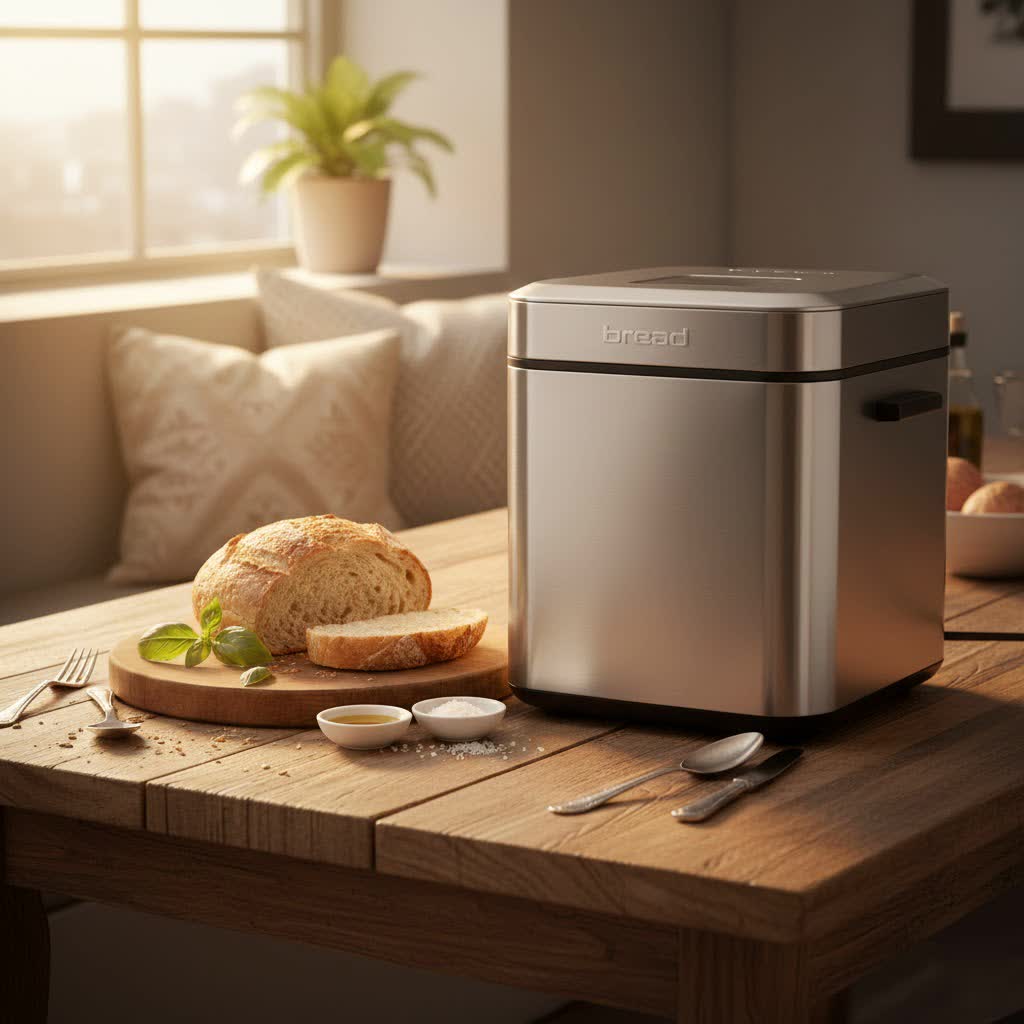
An electric bread maker machine is a countertop appliance designed to automate the entire bread-making process. From mixing and kneading the dough to allowing it to proof (rise) and finally baking it, this all-in-one device handles every step. This innovative kitchen tool minimizes labor and saves time by eliminating the hands-on kneading and constant supervision typically required for traditional baking.
The concept of automated bread making has evolved significantly, bringing the joy of homemade bread into countless homes. Early models were basic, but modern electric bread makers now boast advanced features and multiple programs. You’ll find a variety of types on the market, primarily categorized by their loaf capacity, which can range from small 1-pound loaves, perfect for individuals or couples, to larger 2.5 or 3-pound loaves, ideal for families or entertaining. Bread pans typically come in vertical or horizontal orientations, with horizontal pans often preferred for creating more traditional loaf shapes for sandwiches.
Why Choose an Electric Bread Maker?
The advantages of owning an electric bread maker extend far beyond mere convenience, offering a multitude of benefits that enhance your home baking experience.
One of the most compelling reasons is convenience and time-saving. With minimal preparation, typically just five minutes of adding ingredients, the machine takes over the labor-intensive tasks of mixing, kneading, and rising, freeing up your valuable time. This automation ensures you can enjoy fresh bread without being tied to the kitchen for hours.
Control over ingredients is another significant benefit. When you bake at home, you dictate exactly what goes into your bread, avoiding the preservatives, additives, and excessive salt or sugar often found in store-bought varieties. This is particularly advantageous for individuals with dietary restrictions, allergies, or those seeking healthier options. You can easily incorporate wholesome ingredients like whole grains, seeds, or nuts, tailoring recipes to your specific preferences.
Furthermore, bread makers ensure a hygienic and safe baking process. Since all steps occur within a single, enclosed pan, the mess associated with traditional bread making is virtually eliminated. The non-stick bread pans are also typically easy to clean by hand.
The ultimate reward is, of course, fresh, delicious results. There’s nothing quite like the taste and texture of warm, homemade bread. Bread makers consistently produce soft, well-risen loaves with an inviting aroma that fills your home, a sensory experience that store-bought bread simply can’t replicate.
Beyond basic loaves, many electric bread makers are incredibly versatile. They often include programs for making various types of dough, such as pizza dough, pasta dough, or even sweet pastry dough, ready for shaping and baking in a conventional oven. Some models even feature settings for making jams, cakes, or gluten-free breads, expanding your culinary possibilities.
How to Select the Perfect Electric Bread Maker
Choosing the right electric bread maker involves understanding your personal baking habits and prioritizing features that align with your lifestyle.
Assessing Your Baking Needs
|
Our Picks for the Best Bread Maker in 2026
As an Amazon Associate I earn from qualifying purchases.
|
||
| Num | Product | Action |
|---|---|---|
| 1 | MERIOR 25-IN-1 Bread Maker with Visible Lid - 2lb Automatic Machine, Auto Nut Dispenser, 13-Hour Delay Timer, One-Touch Control & Recipes – Easy Operation, High Success for Homemade Bread |

|
| 2 | Elite Gourmet Programmable Bread Maker, 2 lb Loaf, 3 Sizes, 19 Presets incl. Gluten-Free, Dough & Jam, Delay Timer, Black |
|
| 3 | KBS Pro 710W 2LB Bread Maker, Stainless Steel 17-in-1 Smart Bread Machine with Healthy Ceramic Pan, Automatic Nut Dispenser, Tempered Glass Touch Panel, 3 Crust Colors, 15H Timer& Keep-Warm, Recipes |
|
| 4 | 2LB Bread Maker Machine, OSIPOTO 17 in 1 Automatic Stainless Steel Bread Machine, Non-stick, Beginner-Friendly Controls, 15 Hour Timer, Easy to Clean Low Noise, High Success Rate for Homemade Bread |
|
| 5 | KBS Premium 2LB Convection Bread Maker Dual Heaters, 710W Stainless Steel 17-in-1 Bread Machine Healthy Ceramic Pan, Nut Dispenser,Touch Panel, 3 Loaf Sizes 3 Crust Colors, 15H Timer,Low Noise,Recipes |
|
| 6 | KITCHENARM 29-in-1 SMART Bread Machine with Gluten Free Setting 2LB 1.5LB 1LB Bread Maker Machine with Homemade Cycle - Stainless Steel Breadmaker with Recipes Whole Wheat Bread Making Machine |
|
| 7 | Cuisinart Bread Maker Machine, Stainless Steel Convection Bread Machine with 16 Menu Options, 3 Loaf Sizes Up to 2 Lb., 3 Crust Colors, Includes Measuring Cup, Spoon & Kneading Hook, CBK-210 |
|
| 8 | Neretva Bread Maker, 20-IN-1 2LB Bread Machine Dual Heater Bread Maker Machine Automatic with Nonstick Ceramic Pan, 15H Timer & 1H Keep Warm Set, Low Noise, Stainless Steel Breadmaker Recipe-Green |
|
| 9 | Neretva Bread Maker, 20-in-1 2LB Bread Machine Dual Heater & Nonstick Ceramic Pan Bread Makers Machine All Metal Compact for Gluten Free/Dough Maker/Meat Floss/Jam/Yogurt/Breadmaker Recipe-Light Green |
|
| 10 | Cuisinart Bread Maker Machine, Stainless Steel Automatic Bread Machine with 12 Menu Options, 3 Loaf Sizes up to 2 Lb., 3 Crust Colors, Removable Nonstick Baking Pan & Kneading Paddle, CBK-110NAS |
|
Start by considering who you’re baking for and how often. If you have a large family or frequently entertain, a machine with a 2-pound or 2.5-pound capacity will be more suitable. For individuals or smaller households, a compact 1-pound bread maker might be sufficient and save valuable counter space.
Next, think about the types of bread you love. Do you primarily bake classic white bread, or are you interested in experimenting with hearty whole wheat, delicate sweet breads, or even gluten-free options? Many machines offer specialized programs for these variations. For example, some advanced models even have unique programs or temperature sensors to assist with complex breads like sourdough, which traditionally requires specific fermentation conditions. Your budget will also play a role, as prices can vary significantly based on brand, capacity, and features.
Essential Features to Look For
Modern electric bread makers come packed with features designed to enhance your baking experience:
- Capacity and Footprint: As mentioned, match the loaf size (1 lb to 3 lb) to your household needs. Also, consider the machine’s overall size to ensure it fits comfortably on your countertop and in storage.
- Pre-programmed Settings: Most machines offer at least 12-15 programs, including basic, French, whole wheat, dough, and jam. More advanced models can have upwards of 20-30 programs, some even featuring options for gluten-free, rapid bake, or specialty doughs.
- Delay Timer & Keep Warm Function: A delay timer (often 13-15 hours) allows you to add ingredients in advance and set the machine to start baking at a later time, so you can wake up to fresh bread or have a warm loaf ready for dinner. A “keep warm” function keeps your bread at an optimal temperature for up to 60 minutes after baking.
- Crust Settings: Customize your bread with options for light, medium, or dark crust.
- Automatic Dispensers: For bakers who love adding fruits, nuts, or seeds, an automatic dispenser ensures these ingredients are added at the perfect moment during the kneading cycle, preventing them from being crushed or sinking to the bottom.
- Kneading Paddles: Smaller machines often have a single paddle, while larger ones may feature two for more efficient mixing of bigger dough batches. Some innovative designs include collapsible paddles that fold down before baking, minimizing the hole left in the finished loaf.
- Viewing Window: A transparent lid allows you to monitor the bread’s progress without opening the machine, which can disrupt the rise.
- Material, Durability, and Ease of Cleaning: Look for sturdy construction and non-stick bread pans that are easy to remove and wash by hand. Dishwasher-safe parts are a bonus, though rare for bread pans.
- Power Failure Backup: Some machines include a short battery backup (e.g., 10-60 minutes) to resume baking in case of a brief power outage.
Top Electric Bread Maker Brands
Several brands have established themselves as leaders in the electric bread maker market, each with unique strengths:
- Zojirushi: Often lauded for consistent results, excellent kneading, and traditional horizontal loaf shapes. Models like the Virtuoso Plus feature dual heating elements for even browning.
- Breville: Known for high-quality, versatile machines with innovative features such as collapsible paddles and custom recipe saving.
- Panasonic: Offers a wide range of machines with multiple programs, often including unique features like ambient temperature sensors for precise baking and dedicated gluten-free settings.
- Cuisinart: Provides reliable options across different price points, including compact models that save space without sacrificing capacity.
- Hamilton Beach: A popular budget-friendly choice, offering good value for basic, consistent bread making.
- West Bend: Often recognized for large-capacity machines, ideal for big families or those who bake frequently.
- Elite Gourmet & Amazon Basics: Offer entry-level and budget-conscious options, suitable for beginners.
Comparing Popular Electric Bread Maker Models
To illustrate the variety, here’s a general comparison of common bread maker characteristics, though specific models will vary in their exact features and performance.
| Feature | Budget-Friendly Models (e.g., Amazon Basics, Hamilton Beach) | Mid-Range Models (e.g., Cuisinart, Elite Gourmet) | Premium Models (e.g., Zojirushi, Breville, Panasonic) |
|---|---|---|---|
| Price Range | $60 – $120 | $100 – $250 | $250 – $450+ |
| Loaf Sizes | 1 lb, 1.5 lb, 2 lb | 1 lb, 1.5 lb, 2 lb, (some 2.5 lb) | 1 lb, 1.5 lb, 2 lb, 2.5 lb, (some 3 lb) |
| Programs | 10-15 basic programs | 12-19 programs (basic, dough, jam, gluten-free) | 15-30+ programs (extensive bread types, custom) |
| Kneading Paddles | Single | Single or Dual | Dual (often collapsible/removable) |
| Dispenser | Manual add-ins (audible reminder) | Manual add-ins (audible reminder), some auto | Automatic fruit/nut dispenser, yeast dispenser |
| Special Features | Delay timer, keep warm | Crust settings, fast bake, viewing window | Dual heating elements, temperature sensors, custom recipe memory, quiet operation, power backup |
| Pan Shape | Often vertical, square | Vertical or Horizontal | Typically horizontal, traditional loaf shape |
| Noise Level | Can be louder during kneading | Moderate | Generally quieter |
Mastering Your Electric Bread Maker: A Step-by-Step Guide
Using an electric bread maker is designed to be straightforward, but a few tips can elevate your results from good to consistently great.
Pre-Baking Preparation & Ingredient Measurement
Accuracy is key in bread making. Always measure your ingredients precisely, ideally using a kitchen scale for flour and other dry components. Liquids should be measured at the correct temperature (lukewarm for yeast activation). Ensure all ingredients are at room temperature unless the recipe specifies otherwise.
Loading Ingredients Correctly
Most recipes recommend layering ingredients in a specific order: liquids first, then dry ingredients (flour, sugar, salt), and finally the yeast. Crucially, keep the yeast separate from the liquid and salt until the mixing cycle begins, especially if using a delay timer, to prevent premature activation. Create a small well in the flour for the yeast to sit in.
Setting Programs & Timers
Select the appropriate program for your recipe (e.g., Basic, Whole Wheat, Gluten-Free). Choose your desired crust darkness (light, medium, dark). If using a delay timer, set it for when you want your bread to be ready. Double-check all settings before pressing start.
Tips for Optimal Results
- Monitor Dough Consistency: During the initial kneading cycle (usually the first 10-15 minutes), open the lid and observe the dough. It should form a soft, cohesive ball that cleans the sides of the pan. If it’s too dry and crumbly, add liquid (water or milk) one teaspoon at a time. If it’s too wet and sticky, add flour one teaspoon at a time. This quick adjustment can make a significant difference.
- Paddle Removal: If your machine allows, consider removing the kneading paddle after the final kneading cycle and before the final rise. This prevents the paddle from getting baked into the loaf, leaving a smaller, less noticeable hole.
- Avoid Opening the Lid: Once the main rising and baking cycles begin, resist the urge to open the lid frequently, as this can cause temperature fluctuations and collapse the loaf.
- Cooling Time: After baking, promptly remove the loaf from the pan and let it cool on a wire rack for at least 15-30 minutes before slicing. This allows the internal structure to set, preventing a gummy texture and making it easier to slice.
Cleaning and Maintenance
Always unplug the machine and allow it to cool completely before cleaning. The bread pan and kneading paddles should be removed and washed by hand with warm, soapy water. Avoid abrasive cleaners or metal tools that can damage the non-stick coating. Wipe down the exterior of the machine with a damp cloth. Regular cleaning ensures longevity and optimal performance.
Delicious Recipes for Your Electric Bread Maker
Your electric bread maker is capable of producing a vast array of delectable breads. Here are some fundamental recipes to get you started:
Basic White Bread (2 lb loaf)
- Ingredients:
- 1 ½ cups warm water (around 100°F / 38°C)
- 2 tbsp unsalted butter, softened
- 1 ½ tsp salt
- 2 tbsp granulated sugar
- 4 cups bread flour
- 2 ¼ tsp active dry yeast or bread machine yeast
- Instructions:
- Add ingredients to the bread maker pan in the order specified by your machine’s manual (typically liquids first, then dry, yeast last).
- Select the “Basic” or “White Bread” program and your desired crust color.
- Press start and enjoy the aroma!
Hearty Whole Wheat Bread (2 lb loaf)
- Ingredients:
- 1 ½ cups warm water
- 2 tbsp vegetable oil or olive oil
- 1 ½ tsp salt
- ¼ cup brown sugar or honey
- 3 ½ cups whole wheat flour
- ½ cup bread flour (optional, for a lighter texture)
- 2 ¼ tsp active dry yeast or bread machine yeast
- Instructions:
- Add ingredients to the bread maker pan in the specified order.
- Select the “Whole Wheat” program and your desired crust color.
- Start the machine.
Sweet Bread (e.g., Enriched Dough for Cinnamon Rolls or Challah)
- Ingredients:
- 1 cup warm milk
- 2 large eggs, lightly beaten
- ½ cup unsalted butter, melted and cooled
- ½ tsp salt
- ½ cup granulated sugar
- 4 cups bread flour
- 2 ¼ tsp active dry yeast or bread machine yeast
- Instructions:
- Add ingredients to the bread maker pan as per your manual’s layering instructions.
- Select the “Dough” program.
- Once the cycle is complete, remove the dough, shape it into your desired sweet bread (e.g., cinnamon rolls, challah), let it rise, and bake in a conventional oven.
Troubleshooting Common Electric Bread Maker Problems
Even with automated processes, occasional issues can arise. Here’s how to tackle common bread maker problems:
- Bread Not Rising Properly / Collapsed Loaf: This is often due to yeast issues (expired, too little, or too much), incorrect liquid temperature (too hot kills yeast, too cold slows it down), or improper ingredient ratios (too much liquid or sugar can cause over-rising followed by collapse; too little salt can hinder yeast control). Ensure yeast is fresh, water is lukewarm, and measurements are accurate. In warm, humid weather, use cooler liquids and slightly less yeast.
- Bread is Dense or Gummy: This usually points to under-kneading or too much liquid. Check dough consistency during kneading and adjust liquid/flour as needed. Ensure you’re using bread flour, not all-purpose, for better gluten development.
- Bread is Dry or Crumbly: Often caused by too much flour or not enough liquid. Carefully measure ingredients and observe dough consistency.
- Uneven Texture or Large Holes: Could be a result of too much yeast or liquid, or insufficient salt. Salt helps regulate yeast and strengthens gluten structure.
- Burned Loaf, Thick Crust, or Dark Crust Color: This might be due to too long a baking cycle or incorrect crust settings. Adjust your program to a lighter crust setting or reduce sugar slightly, as sugar promotes browning.
- Bread Sticks to Pan: While pans are non-stick, over time the coating can wear. Ensure you’re not using cooking sprays, which can leave a sticky residue; instead, lightly grease the pan with butter or oil if needed. Allowing the bread to cool for 10-15 minutes in the pan before removing can also help it release.
- Machine Makes Unusual Noises or Doesn’t Turn On: Check if the power cord is securely plugged in and try a simple reset by unplugging and re-plugging the machine. Grinding or scraping noises might indicate debris around the drive shaft or an improperly seated pan. A high-pitched whine could signal motor strain from stiff dough. For persistent issues or error codes, consult your manual or manufacturer support.
Where to Purchase Your Electric Bread Maker
Electric bread maker machines are widely available through various channels, making it easy to find one that suits your needs.
Online retailers like Amazon, Walmart, and the official websites of brands like Zojirushi, Breville, and Panasonic offer extensive selections, competitive pricing, and often user reviews that can help inform your decision.
For a more hands-on shopping experience, large electronics stores and home appliance retailers typically carry several models. This allows you to see the machine’s size, feel its weight, and sometimes even speak with a sales associate. Local kitchenware stores might also offer a curated selection.
Electric Bread Maker Buying Guide
When investing in an electric bread maker, consider these key factors to ensure you make the best choice for your kitchen:
- Capacity vs. Counter Space: Balance your desired loaf size with the physical footprint of the machine. Mini bread makers are great for small kitchens, while larger capacities suit big families.
- Features You’ll Actually Use: While advanced programs are appealing, prioritize features that align with your baking goals. If you only plan to make basic white bread, a simpler, budget-friendly model might suffice. If you enjoy specialty breads, gluten-free options, or adding mix-ins, look for dedicated programs and dispensers.
- Budget: Bread makers are available at various price points, from under $100 to over $400. Determine how much you’re willing to spend and research models within that range. Remember that higher-priced machines often offer better durability, more consistent results, and a wider array of specialized features.
- Read User Reviews: Gain insights from other users’ experiences regarding ease of use, performance, durability, and common issues with specific models.
- Warranty and Customer Support: Check the warranty period and the availability of customer support, as this can be crucial if you encounter any problems with your machine.
“A good bread maker isn’t just an appliance; it’s a gateway to a world of culinary creativity, allowing you to personalize every loaf to your taste and nutritional needs.” – Admin, reviewrdous.com
Conclusion
An electric bread maker machine is a valuable addition to any kitchen, offering an unparalleled blend of convenience, control, and the simple pleasure of homemade bread. By understanding the various features, assessing your personal needs, and learning basic troubleshooting, you can confidently choose and master a machine that delivers perfectly baked loaves every time. Embrace the ease and versatility of this appliance, transforming your kitchen into a personal bakery. What delicious creation will you bake first?
Frequently Asked Questions
What is the ideal liquid temperature for yeast in a bread machine?
The ideal liquid temperature for yeast is typically lukewarm, between 90-100°F (32-38°C). Water that is too hot can kill the yeast, while water that is too cold will slow its activation, both leading to poor or no rise in your bread. Using a food thermometer can ensure accuracy for optimal yeast activity.
Can I use regular all-purpose flour in my electric bread maker?
While all-purpose flour can sometimes be used, bread flour is generally recommended for electric bread makers. Bread flour has a higher protein content, which develops more gluten, resulting in a better structure and rise for yeast breads. Using all-purpose flour may lead to a shorter, denser loaf.
How do I prevent the kneading paddle from leaving a large hole in my bread?
To prevent a large hole, you can often remove the kneading paddle after the final kneading cycle, right before the last rise and baking phase. Some advanced bread makers feature collapsible paddles that fold down automatically, minimizing the hole. If your machine doesn’t have these features, you’ll need to be present during the cycle to remove the paddle manually.
Is it more cost-effective to make bread in a machine than to buy it?
Generally, yes. While there’s an initial investment in the machine, the cost of ingredients (flour, yeast, salt, sugar) is typically much lower than buying equivalent quality loaves from a bakery or even some supermarket breads, especially specialty or gluten-free varieties. Over time, a bread machine can lead to significant savings.
Can an electric bread maker make gluten-free bread effectively?
Yes, most modern electric bread makers include specific gluten-free programs and often come with gluten-free recipes in their manuals. Gluten-free dough tends to be more like a batter than traditional dough, so these specialized programs are designed to handle the unique texture and rising properties of gluten-free flours, producing excellent results.
